Imagine standing in your garden, feeling the sun on your back and the earth under your feet. It’s peaceful, isn’t it?
Yet, to keep this sanctuary thriving, you need the right tools. The tools you use in your garden can make all the difference in how your plants grow and how enjoyable your gardening experience is. Do you know what they are called?
Understanding the names and functions of these tools can transform your gardening efforts from frustrating to fulfilling. Discover the essential tools you’ll need to nurture your plants and maximize your garden’s potential. Let’s dive in and uncover the names of the tools you garden with, ensuring your oasis is always in bloom.

Credit: www.instagram.com
Gardening Gloves
Gardening gloves protect hands from dirt and thorns. They offer grip and comfort while using various garden tools. Durable materials ensure they last through many gardening seasons.
Gardening gloves are essential for any gardener. They protect hands from dirt and scratches. They provide a firm grip on tools. Choosing the right gloves can enhance your gardening experience.Comfort And Fit
Finding gloves that fit well is crucial. They should be snug but not tight. A good fit allows for better hand movement. Comfortable gloves reduce fatigue during long gardening sessions.Material Types
Gardening gloves come in various materials. Leather gloves offer durability. Cotton gloves are breathable. Rubber gloves provide waterproof protection. Each material has its benefits and drawbacks.Protection Features
Some gloves have reinforced fingertips. Others have padded palms. These features guard against blisters and injuries. Choosing gloves with protection features is wise.Maintenance And Care
Keeping gloves clean extends their life. Wash them regularly. Store them in a dry place. Proper care ensures they stay functional and comfortable. Gardening gloves are more than just a tool. They are a gardener’s best friend. Selecting the right pair can make gardening enjoyable.Hand Trowel
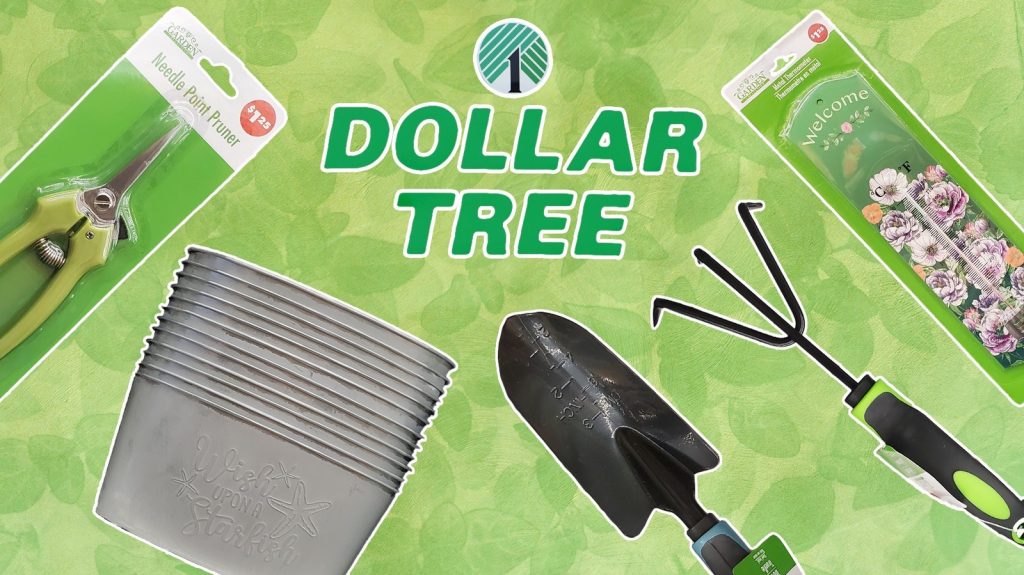
The hand trowel is a small gardening tool essential for digging and planting. Its compact size allows easy maneuvering in tight spaces. Ideal for transplanting seedlings and small plants, it simplifies garden maintenance.
The hand trowel is an essential tool in any gardener’s arsenal. Its compact size and versatility make it perfect for a variety of tasks. Whether you’re planting bulbs, transplanting seedlings, or simply digging up weeds, the hand trowel is your go-to tool. But what makes this tool so indispensable? Let’s dive into its features and uses.Understanding The Design Of A Hand Trowel
A hand trowel typically features a short handle attached to a pointed, scoop-shaped blade. The blade is usually made of metal to withstand the rigors of digging. Handles can be crafted from materials like wood, plastic, or rubber, each offering a different grip comfort.Uses Of A Hand Trowel In Your Garden
You can use a hand trowel to dig small holes for planting. It’s also excellent for breaking up clumps of soil. When transplanting, a hand trowel helps you gently lift plants without damaging roots.Choosing The Right Hand Trowel For Your Needs
Consider the blade material when selecting a hand trowel. Stainless steel blades resist rust and are durable, making them a popular choice. If you have arthritis or hand pain, look for ergonomic designs to ease strain during use.Maintenance Tips For Your Hand Trowel
Keep your hand trowel clean to prolong its life. After each use, rinse off soil and dry it thoroughly. Regularly check for signs of rust or damage, and sharpen the blade when necessary.Personal Experience With A Hand Trowel
I once planted an entire herb garden using just a hand trowel. Its precision allowed me to plant seeds at the correct depth, and the comfortable grip made hours of gardening feel effortless. Have you ever considered how one small tool can transform your gardening experience? The hand trowel is not just a tool; it’s an extension of your hand in the garden. Whether you’re a seasoned gardener or a beginner, this tool offers unmatched convenience and efficiency.Pruning Shears
Pruning shears are essential tools for gardening, perfect for trimming plants and small branches. They help keep your garden neat and healthy, ensuring plants grow strong. Ideal for precision cutting, these shears are a must-have in any gardener’s toolkit.
Pruning shears are a gardener’s best friend, providing precision and ease when it comes to maintaining your plants. These compact tools are essential for snipping away unwanted branches and leaves, helping your garden flourish. Whether you’re a hobbyist or a seasoned gardener, mastering the use of pruning shears can elevate your gardening game.Understanding Pruning Shears
Pruning shears, also known as hand pruners or secateurs, are used for cutting small branches and stems. They are designed to fit comfortably in your hand, allowing you to make clean cuts without damaging the plant. Are you choosing your shears based on the type of plants you have? This can make a significant difference in your gardening experience.Types Of Pruning Shears
There are various types of pruning shears, each tailored for specific tasks. Bypass shears have two curved blades that slide past each other, ideal for live plants. Anvil shears have a straight blade that cuts against a flat surface, suitable for dry or dead branches. Which type suits your garden needs?Choosing The Right Pruning Shears
Selecting the right pruning shears depends on the plants you are working with and your personal comfort. Lightweight shears reduce hand fatigue, while ergonomic designs offer better grip and control. Have you considered the blade material? Stainless steel blades are durable and resistant to rust, providing long-term reliability.Maintenance Tips For Pruning Shears
Maintaining your pruning shears ensures their longevity and efficiency. Regular cleaning prevents sap buildup and rust. Sharpening the blades keeps them effective for clean cuts. How often do you check your shears for wear and tear? Addressing minor issues promptly can prevent major repairs later.Using Pruning Shears Safely
Safety is paramount when using pruning shears. Always cut away from your body and ensure a clear workspace. Wearing gloves can protect your hands from thorns and sharp edges. Have you ever paused to assess the situation before making a cut? This simple act can prevent accidents and ensure precision. Pruning shears are more than just a tool; they’re an extension of your gardening skills. With the right choice and maintenance, you can keep your garden vibrant and thriving. Are you ready to make the most of your pruning shears this season?Garden Fork
The garden fork is a vital tool for every gardener. It helps in breaking up soil, turning compost, and more. With its sturdy tines, it penetrates tough ground easily. A garden fork is versatile and efficient.
What Is A Garden Fork?
A garden fork, also called a spading fork, is a tool with four or more tines. The tines are strong and pointed, perfect for digging and turning soil. It’s a must-have for loosening soil and aerating gardens.
Benefits Of Using A Garden Fork
- Loosens compacted soil for better plant growth.
- Helps in mixing compost with soil.
- Efficient for removing weeds and roots.
- Useful in digging up root vegetables.
Types Of Garden Forks
There are different types of garden forks. Each serves a specific purpose. The digging fork has thick, straight tines. It’s great for breaking up hard soil. The border fork is smaller, ideal for tight spaces. Then, there is the compost fork with more curved tines, perfect for turning compost piles.
How To Use A Garden Fork
Using a garden fork is simple. Grip the handle firmly. Insert the tines into the soil. Push down with your foot for deeper penetration. Lift and turn the soil to aerate it. Repeat as needed for the best results.
Choosing The Right Garden Fork
Choose a garden fork based on your needs. Consider the fork’s size and weight. A lightweight fork is easier to handle. Check the material too. Stainless steel tines are durable and rust-resistant. A comfortable handle is important for long use.
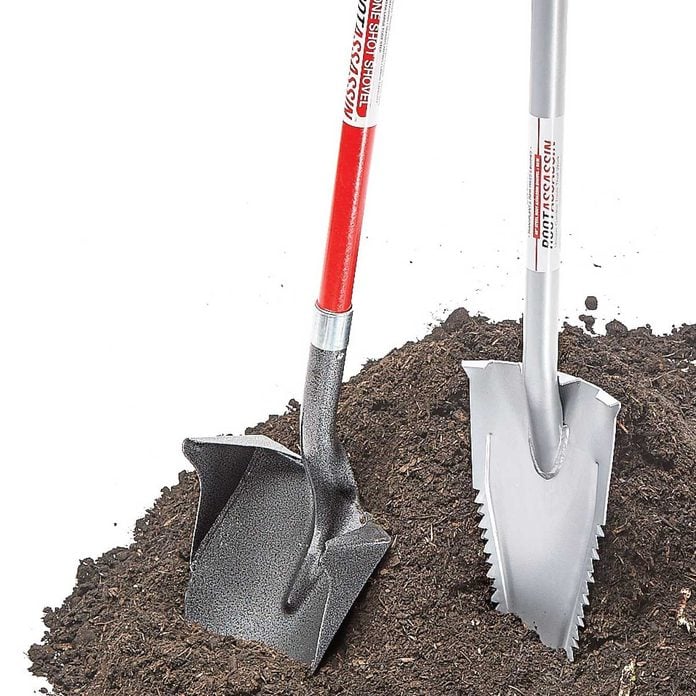
Spade
When you think of essential gardening tools, the spade often comes to mind. It’s a versatile tool that every gardener should have in their arsenal. Whether you’re turning soil, digging holes, or transplanting plants, the spade is your trusty companion. Its sturdy blade and comfortable handle make it easy to maneuver through different gardening tasks. But have you ever wondered why it’s so indispensable?
What Makes A Spade Unique?
The spade’s design is what sets it apart. Unlike a shovel, its blade is flat and rectangular, perfect for edging and slicing through soil with precision. This design allows for a cleaner cut and better control, ensuring your gardening tasks are efficient and effective.
Choosing The Right Spade For Your Needs
Not all spades are created equal. Consider the material of the blade—steel provides durability while aluminum offers a lightweight alternative. Think about the handle length too; a longer handle can reduce bending, saving your back from strain during extended gardening sessions.
Personal Experience With Spades
Last spring, I decided to revamp my garden. Armed with a trusty spade, I transformed a neglected patch into a vibrant flower bed. The spade’s sharp blade cut through stubborn roots and clay soil effortlessly, reminding me of its importance in any gardener’s toolkit.
Maintenance Tips For Longevity
To keep your spade in top condition, clean it after each use. Remove soil and debris and store it in a dry place. Occasionally oil the blade to prevent rust and sharpen it as needed to maintain its cutting efficiency.
Practical Uses Beyond Gardening
Did you know your spade can be handy for other outdoor tasks? Use it for removing ice from driveways or even as a makeshift tool for camping trips. Its versatility extends beyond the garden, proving its worth time and time again.
Engage With Your Spade
Have you ever tried using your spade for a task it wasn’t intended for? Next time you’re in the garden, experiment with its capabilities. You might discover new ways it can assist you, making gardening even more enjoyable.
Hoe
A hoe is a versatile tool used for gardening tasks like weeding and cultivating soil. Its flat blade makes it ideal for turning soil and cutting through roots. Easy to handle, it helps keep gardens neat and tidy.
The hoe is an essential tool in every gardener’s arsenal. Whether you are cultivating a small urban garden or a sprawling backyard oasis, the hoe is your best friend for breaking up soil, removing weeds, and preparing seed beds. This versatile tool has been around for centuries, helping gardeners worldwide to maintain healthy, productive gardens. But how exactly can a hoe transform your gardening experience?Understanding The Different Types Of Hoes
Not all hoes are created equal. You might be surprised to learn that there are several types, each designed for specific tasks. The traditional garden hoe, with its rectangular blade, is perfect for breaking up soil and creating neat rows for planting. For precise weeding, the scuffle hoe, with its looped blade, allows you to glide effortlessly through the soil, cutting weeds at the root. Have you ever tried using a stirrup hoe? It’s an excellent choice for those who want to keep their garden beds tidy with minimal effort.Choosing The Right Hoe For Your Garden
Picking the right hoe can make your gardening tasks easier and more efficient. Consider the size and type of your garden when selecting a hoe. If you’re working in tight spaces or with delicate plants, a smaller, more agile hoe will serve you better than a larger one. Think about the material too. A lightweight aluminum hoe can reduce fatigue, while a sturdy steel hoe might be preferable for tougher soil. Which one suits your gardening style?Maintaining Your Hoe For Longevity
A well-maintained hoe can last a lifetime. Regular cleaning and sharpening are key to keeping your hoe in top condition. After each use, wipe down the blade to remove soil and debris, and occasionally sharpen the edge to ensure it cuts cleanly through the dirt. Store your hoe in a dry place to prevent rust, and inspect the handle for any signs of wear. Investing a little time in maintenance can save you money and effort in the long run.Using A Hoe Effectively
Using a hoe effectively can significantly impact your gardening results. Proper posture is crucial—stand upright and use your body weight to push the hoe, rather than relying solely on arm strength. This technique not only reduces strain but also increases efficiency. Try hoeing early in the morning or late afternoon when the soil is cooler and softer, making it easier to work with. Have you found the perfect rhythm for hoeing in your garden?Rake
A rake is an essential tool for gardeners, used for gathering leaves and debris. It helps in leveling soil and preparing garden beds efficiently.
In the world of gardening, the humble rake is more than just a tool; it’s your trusty sidekick. Whether you are tidying up fallen leaves or preparing the soil for planting, the rake serves multiple purposes in your gardening journey. Understanding its functions and choosing the right one can significantly enhance your gardening experience.What Is A Rake?
A rake is a gardening tool with a long handle and a head of tines, typically made from metal or plastic. It is designed to gather leaves, hay, grass, and other debris. But its utility doesn’t stop there; it can also be used to break up soil and level ground.Types Of Rakes
There are several types of rakes, each serving a different purpose:- Leaf Rake:Ideal for gathering leaves and lightweight debris. Its fan-shaped tines provide a wide coverage.
- Bow Rake:Perfect for breaking up compacted soil. It features sturdy, short tines that can handle heavier tasks.
- Garden Rake:A versatile choice for leveling soil and spreading mulch. It combines the features of a leaf and bow rake.
Choosing The Right Rake
Selecting the right rake can make your gardening tasks more efficient. Consider the following:- Task:Identify the main task you need the rake for, whether it’s leaf collection or soil preparation.
- Material:Metal rakes are durable, while plastic ones are lighter and less costly.
- Handle Length:Ensure the handle is long enough to prevent back strain while working.
Maintenance Tips
Keeping your rake in good condition will prolong its life:- Regularly clean the tines to prevent rust and buildup.
- Store it in a dry place to avoid moisture damage.
- Check for any loose or damaged tines and repair if necessary.
Watering Can
A watering can is an essential tool for nurturing plants in your garden. Designed with a spout, it helps evenly distribute water to flowers and vegetables. Its practical design makes it easy to carry and pour, ensuring plants receive the right amount of hydration.
In the world of gardening, the watering can is a humble yet essential tool. It bridges the gap between you and your plants, ensuring they receive the hydration they need to thrive. Whether you are nurturing a small windowsill herb garden or a sprawling backyard oasis, the right watering can make all the difference.Choosing The Right Watering Can
Selecting the perfect watering can isn’t just about aesthetics. Consider the size of your garden and the types of plants you grow. A larger garden might require a can with greater capacity, while delicate seedlings benefit from a gentle spout.Material Matters
Watering cans come in various materials, each with its pros and cons. Metal cans, for example, are durable but can be heavy when filled. Plastic cans are lightweight and often more affordable, but they may not last as long.Understanding Spout Design
The design of the spout can significantly impact your watering efficiency. A long spout allows for precise watering, which is perfect for reaching deep into flower beds without disturbing the soil. A detachable rose attachment can provide a gentle shower, ideal for sensitive plants.Ergonomics And Comfort
A comfortable handle is crucial, especially if you’ll be watering for extended periods. Look for a can with a handle that fits well in your hand and offers good grip. This ensures that your gardening sessions remain enjoyable and strain-free.Maintaining Your Watering Can
To prolong the life of your watering can, regular maintenance is key. Empty it after use to prevent rust or algae buildup. Store it in a dry place to avoid damage and ensure it’s ready for the next time your garden needs a drink.Personal Touch: Customizing Your Can
Why not add a personal touch to your watering can? Paint it in vibrant colors or add stickers to make it uniquely yours. This not only adds a bit of personality but can also motivate you to spend more time in the garden.Is It Time To Upgrade?
Take a moment to assess your current watering can. Is it meeting your needs, or has it seen better days? Sometimes, investing in a new, more efficient model can improve your gardening experience significantly. What type of watering can do you prefer for your garden? Would you choose function over style, or do you believe both are equally important?Garden Hose
A garden hose is essential for watering plants efficiently. It’s flexible and connects to a water source. Perfect for keeping your garden lush and vibrant.
The garden hose is an essential tool for any gardener. It helps in watering plants and maintaining a vibrant garden. This versatile tool can be used to reach plants in far corners and ensure they get the hydration needed. Choosing the right garden hose involves considering its length, material, and flexibility. A good hose will save time and energy, making gardening a more enjoyable experience.Types Of Garden Hoses
Different garden hoses suit different needs. Rubber hoses are durable and flexible, ideal for heavy-duty use. Vinyl hoses are lightweight and cost-effective, perfect for smaller gardens. Expandable hoses are convenient for storage, expanding as water flows through them.Choosing The Right Length
Selecting the appropriate hose length is crucial. Longer hoses cover more ground but can be cumbersome. Measure the distance from the water source to the farthest point in your garden. This ensures effective watering without excess length.Material Considerations
The hose material affects durability and usability. Rubber hoses withstand extreme temperatures and are kink-resistant. Vinyl hoses are lighter and more affordable, suitable for occasional use. Consider your garden’s needs to choose the right material.Maintaining Your Garden Hose
Proper maintenance extends the life of your garden hose. Store it in a cool, dry place to prevent damage. Drain it after use to avoid water stagnation. Regularly inspect for cracks or leaks to ensure efficient watering.Using Attachments
Attachments enhance the functionality of garden hoses. Spray nozzles allow for adjustable water flow, suitable for different plants. Hose reels keep hoses organized and prevent tangling. Choose attachments based on your gardening requirements.
Credit: www.youtube.com
Wheelbarrow
The wheelbarrow is a must-have tool for gardeners. It makes moving heavy loads easier and saves time. Whether it’s soil, plants, or tools, the wheelbarrow carries it all. Its simple design includes a sturdy container and a wheel. This balance allows for easy maneuvering over different terrains.
History Of Wheelbarrows
Wheelbarrows have been used for centuries. They originated in China around 200 AD. Initially, they were designed for carrying supplies and food. Over time, their design evolved to suit gardening needs. Today, they are vital in gardens worldwide.
Types Of Wheelbarrows
Two main types exist: single-wheel and dual-wheel. Single-wheel models offer better maneuverability in tight spaces. Dual-wheel models provide more stability on uneven ground. Each type serves different gardening needs effectively.
Materials Used In Wheelbarrows
Wheelbarrows come in various materials like steel, plastic, and wood. Steel is durable but heavier, ideal for heavy loads. Plastic is lightweight and resistant to rust, suitable for light tasks. Wood offers a classic look but requires maintenance.
Choosing The Right Wheelbarrow
Consider the size of your garden and tasks. Larger gardens benefit from bigger, sturdier models. Smaller gardens may need compact, lightweight designs. Ergonomic handles and tire types also influence ease of use.
Maintaining Your Wheelbarrow
Regular cleaning keeps wheelbarrows in good condition. Check tires for air and handles for wear. Store them in dry places to prevent rust and decay. Proper maintenance ensures longevity and efficiency.
Garden Kneeler
Gardening often involves bending, kneeling, and stretching. These movements can be tough on your body. A garden kneeler offers comfort and support during these tasks. This tool helps reduce strain while you work in your garden.
What Is A Garden Kneeler?
A garden kneeler is a padded platform. It’s designed for kneeling comfortably in the garden. It often includes handles for support. This makes getting up easier and safer.
Benefits Of Using A Garden Kneeler
Garden kneelers protect your knees from hard ground. They minimize discomfort during gardening. They also offer stability. You can lean on the handles to stand up.
Types Of Garden Kneelers
Garden kneelers come in various designs. Some fold flat for easy storage. Others have pockets for tools. Some can be flipped to use as a seat.
Features To Look For In A Garden Kneeler
- Padded cushion for comfort
- Sturdy handles for support
- Foldable design for storage
- Built-in tool pockets
How To Use A Garden Kneeler Safely
Place the kneeler on even ground. Ensure the surface is stable. Use the handles to lower yourself. Always check for wear and tear before use.
Credit: www.familyhandyman.com
Garden Apron
Gardening is a delightful hobby, and having the right tools can make it more enjoyable. One essential accessory for gardeners is the garden apron. It is more than just a piece of clothing; it is a practical tool that helps keep your gardening essentials organized and within reach.
Features Of A Garden Apron
Garden aprons come with multiple pockets. These pockets are perfect for holding small tools, seeds, and gloves. Some aprons feature specialized loops for hanging larger tools. This ensures quick access to everything you need.
Materials Used In Garden Aprons
Most garden aprons are made from durable materials. Canvas and denim are common choices. They resist wear and tear, lasting through many gardening sessions. Waterproof aprons protect you from splashes and mud.
Benefits Of Wearing A Garden Apron
A garden apron keeps your clothes clean. Dirt and stains are kept at bay. It also reduces the risk of losing tools while working. Everything stays organized and easy to find.
Choosing The Right Garden Apron
Consider the number of pockets you need. Think about the material and its durability. Comfort is key, so choose an apron that fits well. Adjustable straps offer a better fit for all body types.
Caring For Your Garden Apron
Regular cleaning extends the life of your apron. Follow washing instructions for the fabric type. Store your apron properly after each use. This prevents damage and keeps it ready for your next gardening task.
Frequently Asked Questions
What Are Essential Gardening Tools?
Essential gardening tools include a trowel, pruners, and a garden fork. These tools help with digging, cutting, and loosening soil. A watering can and gloves are also important. They protect your hands and provide water to plants. Having these tools will make gardening tasks easier and more efficient.
How Do I Choose The Right Garden Tools?
Choose garden tools based on your garden size and tasks. For small gardens, hand tools are sufficient. Larger gardens may require powered tools. Consider the tool’s material for durability. Ergonomic designs reduce strain. Ensure tools are comfortable to use for better gardening experience.
Why Is A Trowel Important For Gardening?
A trowel is crucial for planting and transplanting. It helps dig small holes and move soil. Its pointed blade cuts through soil easily. Trowels are versatile and can also be used for weeding. They are a must-have for any gardener.
What Is The Use Of Garden Pruners?
Garden pruners are used for cutting and trimming plants. They help remove dead or overgrown branches. Pruners promote healthy plant growth by improving air circulation. They are essential for maintaining the shape and size of plants. Regular pruning keeps your garden neat and tidy.
Conclusion
Gardening brings joy and peace to many. Choosing the right tools is key. From spades to watering cans, each tool serves a purpose. Hand tools offer precision for small tasks. Larger tools help with heavy lifting. Good tools improve efficiency and ease.
Keep them clean and sharp for best results. Explore new tools as your garden grows. Your garden will thank you with blooms and bounty. Happy gardening!