
Are you passionate about transforming outdoor spaces into beautiful, functional havens? Have you ever wondered how you can turn this passion into a career?
A garden design degree might be the perfect path for you. This unique and creative field combines art, science, and a deep love for nature. It opens doors to a fulfilling career where you can make a tangible impact on the environment and people’s lives.
Imagine walking through a garden that you designed, where every plant, path, and water feature was carefully chosen by you. A garden design degree provides you with the skills and knowledge to bring these visions to life. But what exactly does this degree entail, and how can it help you stand out in the competitive world of landscape design? Keep reading to discover how this educational journey can transform your career and enrich your understanding of the natural world.
The Essence Of Garden Design
Garden Design Degree explores the art and science of creating beautiful outdoor spaces. It combines plants, structures, and aesthetics to enhance landscapes. Students learn design principles, horticulture, and sustainable practices.
The Essence of Garden Design Garden design is more than arranging plants and pathways; it’s about creating a living space that reflects both the artistic vision and environmental harmony. It’s a discipline that invites you to transform natural landscapes into functional, beautiful environments. Pursuing a garden design degree opens the door to understanding how your creativity can influence the world around you.Blending Art And Nature
Garden design is an art form where nature is your canvas. Imagine painting with colors that change with the seasons. You have the power to shape spaces that evoke emotions and inspire connections with the environment. Consider how a well-designed garden can be a sanctuary for wildlife. By choosing plants that attract butterflies and bees, you contribute to biodiversity. Your garden becomes not only a visual masterpiece but a thriving ecosystem.Principles Of Landscape Design
Understanding landscape design principles is crucial for creating balanced and appealing spaces. Think about scale—how will small shrubs complement towering trees in your garden? By mastering proportion, you ensure that every element fits seamlessly. Texture also plays a vital role. Mixing foliage types adds depth and intrigue to your garden. Imagine the contrast between smooth leaves and jagged edges; it’s these subtle details that captivate the eye. As you delve into these principles, ask yourself: How can you use design to enhance the natural beauty of your surroundings?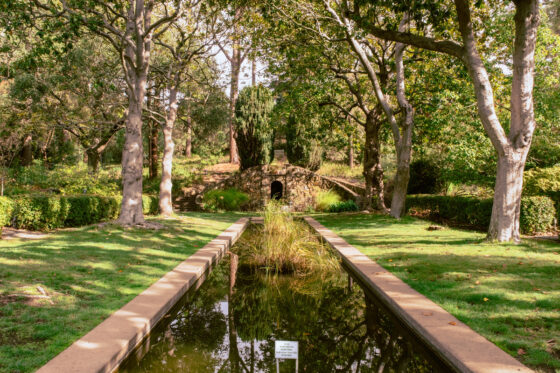
Credit: ced.berkeley.edu
Curriculum Insights
A Garden Design Degree explores the art and science of creating beautiful and functional outdoor spaces. Students learn about plant selection, landscape planning, and design principles. This degree prepares individuals for careers in landscape architecture, horticulture, or garden consultancy.
Embarking on a journey to earn a Garden Design Degree is an exciting venture into the world of creativity, sustainability, and practicality. The curriculum is designed to equip you with the essential skills and knowledge required to transform outdoor spaces into beautiful and functional gardens. Whether you’re passionate about crafting serene environments or dynamic landscapes, this degree offers a rich tapestry of learning experiences.Core Subjects
The foundation of a Garden Design Degree lies in its core subjects. These courses cover crucial areas such as plant biology, landscape design principles, and environmental sustainability. Understanding plant biology is vital; you’ll learn about plant species, growth patterns, and how to choose the right plants for specific climates. Landscape design principles teach you how to balance aesthetics with function. You’ll explore space planning, color theory, and how to create harmony in garden layouts. Environmental sustainability is a key focus, encouraging you to design gardens that support biodiversity and conserve resources.Elective Courses
Elective courses offer a chance to tailor your education to your interests. You might choose to delve into urban garden design, exploring the challenges and innovations in city landscapes. Alternatively, you could focus on historical garden design, learning how to incorporate classic elements into modern projects. These courses allow you to explore niche areas like water feature design or edible landscapes. By selecting electives that resonate with you, you can carve out a unique niche in the garden design industry. What special touch will you bring to your projects?Practical Workshops
Practical workshops are where theory meets hands-on experience. You’ll have the opportunity to work on real-life projects, from small gardens to large public spaces. These workshops are invaluable for applying what you’ve learned in the classroom to tangible outcomes. You’ll collaborate with peers and instructors, receiving feedback that sharpens your design skills. Have you ever experienced the satisfaction of seeing your design ideas come to life? These workshops provide that rewarding experience, bridging the gap between concept and creation.Skills Development
Garden Design Degree fosters creativity and technical skills in landscape architecture. Students learn plant selection, design principles, and environmental considerations. Graduates can pursue careers in landscape architecture, urban planning, or horticulture.
Embarking on a journey to earn a Garden Design Degree is not just about learning how to arrange plants aesthetically. It’s a comprehensive path to developing vital skills that will shape your career and personal growth. You will gain technical proficiency, nurture creative innovation, and cultivate environmental awareness. These skills are fundamental in transforming ordinary spaces into extraordinary landscapes.Technical Proficiency
Understanding the mechanics of garden design is crucial. You will learn to use design software and tools that help you visualize and plan your projects effectively. Imagine creating a virtual garden before planting the first seed. This skill allows you to experiment with different layouts and designs, ensuring each element fits perfectly within the space. Mastering the technical aspects provides you with the confidence to execute complex designs that meet client expectations.Creative Innovation
A Garden Design Degree encourages you to think outside the box. It’s not just about following traditional patterns; it’s about pushing boundaries and experimenting with new ideas. Have you ever thought about designing a garden that reflects your personality? This creative freedom lets you infuse personal touches and unique features into your designs, making each project distinct. Creativity is your tool to inspire others and bring fresh perspectives to the world of garden design.Environmental Awareness
Garden design is not just about aesthetics; it’s about understanding and respecting nature. You’ll learn how to create sustainable designs that benefit the environment. Consider designing a garden that supports local biodiversity. By choosing native plants, you can create a habitat for local wildlife, contributing positively to the ecosystem. How does your design impact the environment? This awareness drives you to make choices that are both beautiful and eco-friendly, ensuring your designs are sustainable for future generations.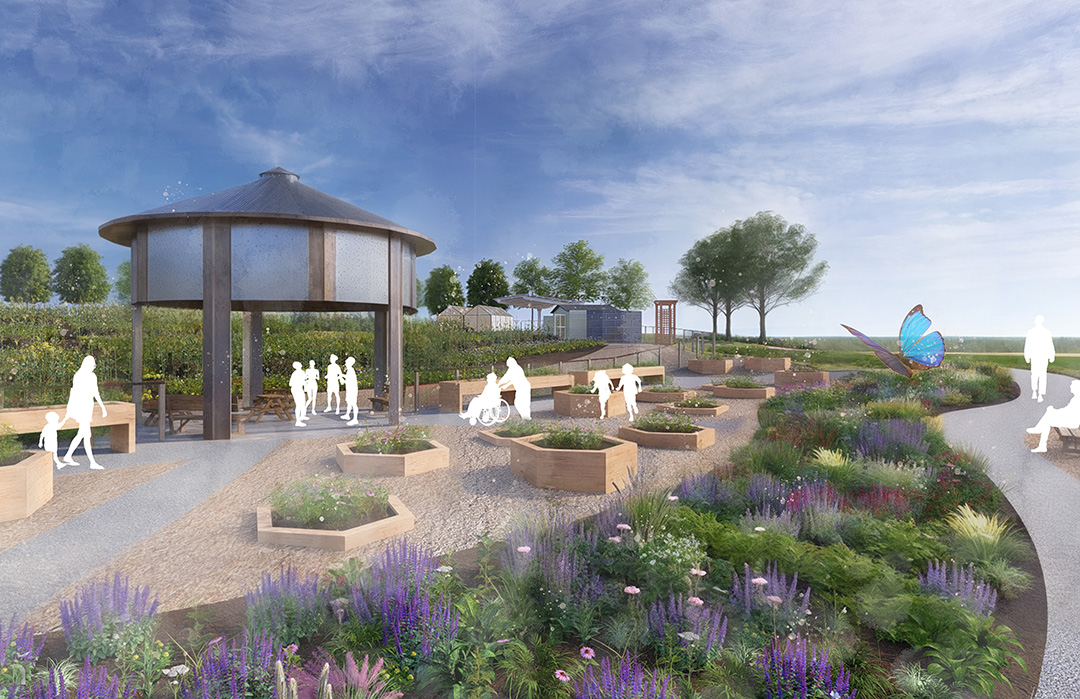
Credit: architectureandplanning.ucdenver.edu
Career Opportunities
Pursuing a Garden Design Degree opens diverse career paths. Graduates can explore many opportunities in various fields. This degree offers the chance to shape the world around us. Let’s look at some exciting career options.
Landscape Architect
Landscape architects design outdoor spaces like parks and gardens. They work with engineers and architects to create functional and beautiful areas. Their designs consider both aesthetics and environmental impact. This role requires creativity and technical skills. Graduates can work for design firms or start their own business.
Garden Consultant
Garden consultants advise clients on plant selection and garden maintenance. They offer solutions for garden problems and help improve garden layouts. This role involves working closely with garden owners. It requires strong knowledge of plants and soils. Garden consultants can work independently or with gardening companies.
Urban Green Spaces Designer
Urban green spaces designers focus on creating green areas in cities. They design parks, rooftop gardens, and community spaces. These areas provide residents with natural spaces to relax and enjoy. This role involves understanding urban challenges and ecological benefits. Graduates can work with city planners and environmental organizations.
Benefits Of A Garden Design Degree
A Garden Design Degree offers creative skills and knowledge to design beautiful outdoor spaces. Students learn about plants, landscaping, and sustainable practices. This degree opens career opportunities in landscape architecture, urban planning, and horticulture.
Pursuing a Garden Design Degree opens up a world of opportunities, blending creativity with technical skills. This degree not only refines your artistic vision but also equips you with the knowledge to make environmentally conscious decisions. But what specific benefits can you expect from such a qualification?Enhancing Creativity
A Garden Design Degree nurtures your creative instincts by encouraging exploration and innovation. You learn to visualize spaces and transform them into beautiful, functional gardens. Imagine walking through a garden that you’ve designed, where each plant and stone reflects your unique artistic flair. During my studies, I worked on a project that involved designing a community garden. The freedom to experiment with different styles and plant combinations was exhilarating. It taught me to trust my instincts and think outside the box.Professional Growth
This degree opens doors to various career paths, from landscape architecture to urban planning. With a solid foundation in design principles and horticulture, your expertise becomes a valuable asset in the job market. Networking opportunities abound, allowing you to connect with professionals and potential clients. Imagine collaborating with architects and environmentalists to create sustainable urban spaces.Impact On Sustainability
Garden Design Degrees emphasize sustainable practices, teaching you how to create eco-friendly environments. You learn about native plants, water conservation, and soil health—all crucial in combating environmental challenges. Consider the positive impact of designing a garden that supports local wildlife and reduces carbon footprint. Your work contributes to a healthier planet, aligning your career with a cause that matters. By choosing a Garden Design Degree, you not only embark on a creative journey but also make strides towards a sustainable future. What kind of gardens will you create, and how will they impact the world around you?
Credit: www.canr.msu.edu
Choosing The Right Program
Exploring a garden design degree allows students to learn about landscape planning and plant selection. This program equips learners with creative skills to craft beautiful outdoor spaces. Ideal for those passionate about nature and design.
Choosing the right garden design degree program is crucial for your future success. You want a program that offers comprehensive education and aligns with your career goals. This section will guide you through important factors to consider.Accredited Institutions
Selecting an accredited institution ensures quality education. Accreditation is a mark of excellence recognized by industry professionals. Check for affiliations with recognized design organizations. This can enhance your credibility in the job market. Research institutions with strong reputations and reviews from alumni.Program Flexibility
Program flexibility is key for balancing studies and other commitments. Look for options that offer part-time or online courses. Flexible programs allow you to learn at your own pace. Consider if the program offers internships or hands-on learning. These opportunities can provide practical experience and networking chances.Student Support Services
Student support services play a vital role in your educational experience. Good programs offer tutoring, counseling, and career advice. Access to resources like libraries and labs can enrich your learning. Look for mentorship opportunities that connect you with industry experts. Support services help you navigate challenges during your studies.Frequently Asked Questions
What Can I Do With A Garden Design Degree?
A Garden Design Degree opens diverse career paths. Graduates can become landscape designers, horticultural consultants, or garden planners. It equips you with skills to create sustainable and aesthetically pleasing outdoor spaces, enhancing property value and environmental health. You can also work in urban planning or conservation projects.
How Long Does It Take To Earn This Degree?
Typically, a Garden Design Degree takes three to four years. Some institutions offer accelerated programs or part-time studies, affecting duration. Coursework includes design principles, plant science, and environmental sustainability. Internships or practical projects may extend study time but enhance hands-on experience and employability.
What Subjects Are Covered In The Curriculum?
Garden Design Degree programs cover design principles, plant identification, and landscape architecture. Students learn about soil science, environmental sustainability, and construction methods. Courses may include computer-aided design (CAD) software training. You’ll gain skills in project management, client communication, and creative problem-solving essential for a successful career.
Are There Online Garden Design Degree Options?
Yes, online Garden Design Degrees are available. They offer flexibility for working students or those with family commitments. Online courses cover similar topics as traditional programs. Virtual classes may include interactive design software training, peer collaboration, and access to resources.
Ensure the program is accredited for quality education.
Conclusion
A garden design degree opens doors to creative opportunities. It equips you with essential skills for landscape design. You learn about plants, design principles, and environmental impacts. This degree offers a blend of art and science. Many career paths await, from landscape architect to garden consultant.
This knowledge helps in crafting beautiful, functional outdoor spaces. The field is dynamic, adapting to new trends and technologies. Pursuing this degree can lead to a rewarding and fulfilling career. A passion for nature and design is key to success.
Start your journey in garden design today.







