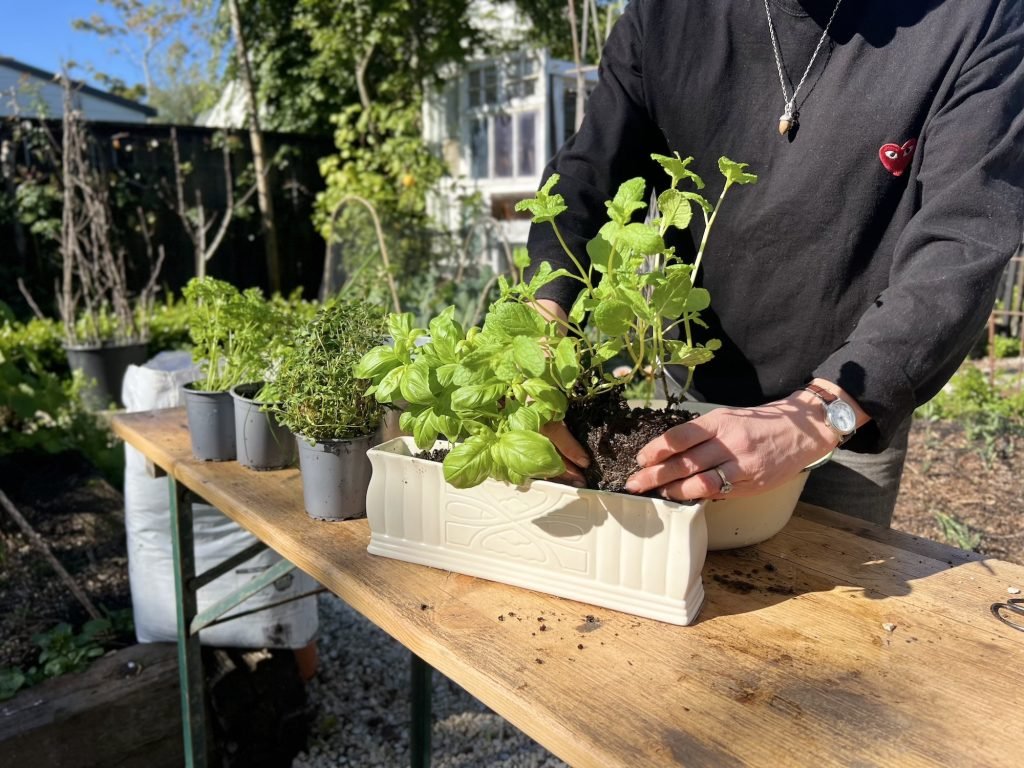
Winter can feel like a long stretch of cold, gray days. It’s easy to miss the vibrant greens and colorful blooms of your garden.
But what if you could bring that lively garden spirit indoors? Imagine brightening your home with lush leaves and cheerful flowers all winter long. You don’t have to wait until spring to enjoy gardening again. There are plenty of garden plants that thrive inside, even when temperatures drop outside.
This guide will reveal which plants you can grow indoors during winter, and how they can transform your living space into a winter oasis. Discover the joy and serenity of nurturing indoor plants, and let your home become a warm, green escape from the chilly world outside. Keep reading to find out which plants are perfect for your indoor garden this winter. Your home can be a winter wonderland, filled with life and color, just waiting for you to explore.
Credit: www.thesagejournal.com
Benefits Of Indoor Gardening
Indoor gardening offers a cozy way to grow plants during winter. Herbs like basil and mint thrive indoors. Succulents and ferns add greenery and are easy to maintain.
Indoor gardening during winter offers a myriad of benefits that can transform your living space and brighten your mood. Imagine walking into a room filled with lush greenery, a refreshing contrast to the dull winter landscape outside. The act of nurturing plants indoors isn’t just a hobby; it’s a way to cultivate a healthier environment and uplift your spirit.Improved Air Quality
Indoor plants are natural air purifiers. They absorb toxins, release oxygen, and boost humidity levels. This makes your home a more pleasant place to breathe, especially in winter when windows are often closed.Stress Reduction
Tending to plants can significantly reduce stress and anxiety. The act of caring for another living thing provides a sense of purpose. Spending even a few minutes a day with your plants can be a calming ritual.Enhanced Aesthetic Appeal
Plants add beauty and character to any room. Whether you choose vibrant flowering plants or lush green foliage, they can complement your home decor. Imagine a trailing ivy cascading down your bookshelf or a colorful poinsettia brightening a corner.Fresh Produce
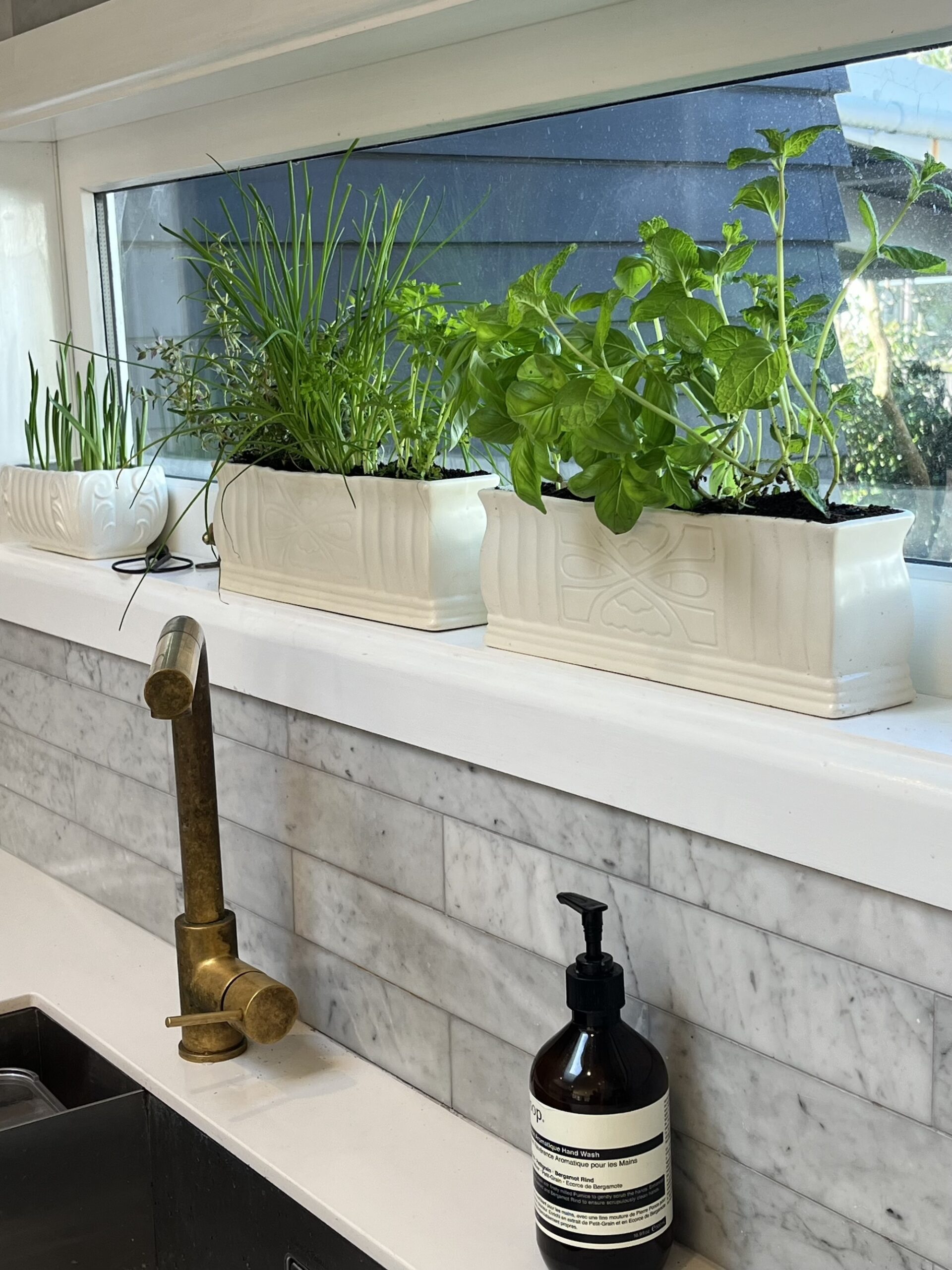
Growing herbs and small vegetables indoors means you can enjoy fresh produce year-round. Basil, mint, and cherry tomatoes are just a few options that thrive indoors. Picture snipping fresh herbs from your kitchen windowsill for your dinner dishes.Educational Opportunities
Indoor gardening is a fantastic learning opportunity for both kids and adults. Observing how plants grow and change with care can be fascinating. It’s a chance to explore the science of botany right in your living room.Boosted Mood And Creativity
Plants have been shown to enhance creativity and mood. The presence of greenery can inspire you and lift your spirits. On a dreary winter day, a splash of green can be the perfect antidote to the blues. Have you considered how indoor gardening could enrich your winter? It’s not just about keeping plants alive; it’s about bringing a slice of nature into your home. Whether you’re an experienced gardener or a complete novice, there’s something wonderfully fulfilling about watching your indoor garden flourish.Choosing The Right Plants
Indoor gardening during winter can be rewarding with the right plant choices. Consider growing herbs like basil and mint, which thrive indoors. Succulents and peace lilies also adapt well to indoor conditions, bringing greenery to your space.
Choosing the right plants for indoor gardening in winter is crucial. Not all plants thrive indoors, especially during colder months. Some plants adapt better to indoor conditions. They need less sunlight and humidity. Selecting the right ones ensures your indoor garden flourishes.Understanding Light Requirements
Different plants need varying amounts of light. Some love bright spots, others prefer shade. Place light-loving plants near windows. For lower light plants, choose corners or less sunny spots. Use grow lights if natural light is scarce.Considering Humidity Levels
Winter air indoors can be dry. Some plants need more humidity. Ferns and tropical plants enjoy humid conditions. Use a humidifier or mist them regularly. Keep them away from heaters or drafts.Evaluating Temperature Tolerance
Indoor temperatures vary in winter. Some plants prefer cooler rooms. Others need warmth to thrive. Cacti and succulents like warmer spots. Leafy greens prefer cooler areas. Avoid placing plants near radiators.Checking Space Availability
Space is a key factor. Tall plants need more room. Small succulents fit on windowsills. Hanging plants save floor space. Choose plants that fit your available area.Opting For Easy-care Plants
Beginner-friendly plants are ideal. Pothos and snake plants are low maintenance. Peace lilies and spider plants adapt well indoors. They require minimal care and brighten any room.Herbs For Indoor Growth
Winter may seem harsh for gardening, but it’s a great time for indoor herbs. Growing herbs indoors brings nature’s freshness to your home. They need minimal care and offer a burst of flavor to meals. Let’s explore some easy-to-grow herbs indoors.
Basil
Basil thrives in warm, sunny spots. Place it near a south-facing window for best growth. Keep the soil moist but not waterlogged. Pinch off the top leaves to encourage bushy growth. Fresh basil adds a delightful aroma to dishes.
Mint
Mint is easy to grow and spreads quickly. Use a wide pot to contain its growth. It prefers indirect sunlight and regular watering. Mint leaves add freshness to drinks and desserts. Snip leaves regularly for continuous growth.
Rosemary
Rosemary loves bright light and dry soil. Ensure good drainage to prevent root rot. Place it near a sunny window, and water sparingly. Rosemary’s needle-like leaves add flavor to meat and soups. A gentle rub releases its fragrant oils.
Leafy Greens And Vegetables
Leafy greens and vegetables like spinach, lettuce, and kale thrive indoors during winter. Bright windowsills offer the perfect environment for herbs like basil and mint. Enjoy fresh produce year-round with minimal effort.
Growing leafy greens and vegetables indoors during winter can be a rewarding and practical way to keep fresh produce at your fingertips. These plants not only brighten up your indoor space but also supply you with nutritious ingredients for your meals. Imagine the convenience of harvesting your own lettuce or spinach from the comfort of your living room!Lettuce
Lettuce is a fantastic choice for indoor gardening. It thrives in cooler temperatures, making it perfect for winter cultivation. You can plant lettuce in small pots or trays, and it will grow happily on a sunny windowsill. To ensure a continuous supply, try growing different varieties like romaine, butterhead, or leaf lettuce. They all have unique flavors and textures that can elevate your salads. Remember to water them regularly and provide enough light for optimal growth.Spinach
Spinach is another leafy green that adapts well to indoor conditions. It is rich in nutrients and can be used in a variety of dishes, from smoothies to soups. Growing spinach indoors allows you to enjoy its benefits year-round. Use a wide, shallow container filled with nutrient-rich soil. Spinach doesn’t need as much sunlight as other greens, but placing it near a bright spot will help it thrive. Harvest the leaves when they are young and tender for the best flavor.Cherry Tomatoes
Cherry tomatoes can bring a burst of color and flavor to your winter garden. Although they require more attention than leafy greens, the effort is well worth it. These little tomatoes are perfect for snacking or adding to salads and pasta. Choose a dwarf or bush variety that is suitable for container growing. Provide them with a sturdy support system and plenty of light, preferably from a south-facing window or grow lights. Regular feeding and pruning will ensure a healthy and productive plant. Growing these leafy greens and vegetables indoors not only adds freshness to your meals but also offers a sense of satisfaction. Have you tried any of these plants indoors yet? If not, why not start this winter and enjoy the fruits (and leaves!) of your labor?Flowering Plants To Brighten Your Space
Flowering plants can transform your indoor space during the winter months, bringing color and life to your surroundings. While the cold outside may limit your garden’s bloom, indoors you have the opportunity to cultivate a vibrant array of flowering plants. These beauties not only brighten your home but also uplift your mood. Imagine waking up to the gentle hues of African violets or the serene elegance of peace lilies, reminding you that nature’s wonders are not confined to the seasons.
African Violets
African violets are a favorite among indoor gardeners, and for good reason. Their delicate, velvety leaves and vibrant blooms can add a splash of color to any corner of your home. They thrive in bright, indirect light and prefer a slightly humid environment, making them perfect for winter’s dry air. Keep the soil moist but avoid wetting the leaves to prevent rot. You might find yourself eagerly anticipating their blooms, which come in shades ranging from deep purple to soft pink. Have you ever considered gifting an African violet to a friend? It’s a gesture that can brighten their day as much as their space.
Peace Lilies
Peace lilies are another excellent choice for indoor flowering plants during winter. Known for their elegant white blooms and lush green foliage, they add a touch of sophistication to any room. Peace lilies are low maintenance and can tolerate lower light conditions, making them ideal for winter’s shorter days. They can also help purify the air in your home, offering both beauty and function. Consider placing one in your bedroom; its calming presence might just enhance your sleep quality. How do you imagine the tranquility of a peace lily complementing your living space?
Low-light Options
When winter rolls around, many plants struggle with the lack of sunlight. Yet, there are wonderful options for indoor gardening enthusiasts. Low-light plants thrive even in dim corners of your home. These resilient plants add greenery and improve air quality without demanding much light.
Snake Plant
The Snake Plant is perfect for low-light areas. Its striking, tall leaves make it a visual treat. Known for its hardy nature, it requires minimal attention. Water it sparingly and let the soil dry completely between waterings. This plant purifies the air, removing toxins like formaldehyde. It’s an excellent choice for bedrooms or offices.
Zz Plant
The ZZ Plant is another low-light favorite. With its shiny, waxy leaves, it adds a touch of elegance indoors. This plant is drought-tolerant and can thrive on neglect. It needs watering only once every two weeks. The ZZ Plant is also known for its ability to filter air pollutants. It’s a great addition to any living space with low light.
Caring For Indoor Plants
Indoor gardening during winter can bring a touch of nature indoors. Caring for indoor plants requires attention to detail. Each plant needs specific care to thrive inside your home.
Watering Tips
Water indoor plants carefully. Overwatering can lead to root rot. Check soil moisture before watering. Use your finger to test soil dryness. Water when the top inch feels dry. Different plants need different amounts of water. Research your plant’s needs for best results.
Light And Temperature Needs
Light is crucial for indoor plants. Many need bright, indirect light. Place them near windows for natural light. Avoid direct sunlight, which can scorch leaves. Temperature also affects plant growth. Keep indoor temperatures stable. Most houseplants prefer 65-75°F. Cold drafts can harm plants. Ensure your plant’s location is free from sudden temperature changes.

Credit: homesteadbrooklyn.com
Common Challenges And Solutions
Growing garden plants indoors during winter presents challenges like limited sunlight and humidity. Solutions include using grow lights and maintaining proper moisture levels to ensure healthy plant growth.
Winter can be harsh on indoor plants. Many gardeners face common challenges when growing garden plants indoors during this season. Understanding these challenges is the first step to overcoming them. Let’s explore some typical issues and their solutions.Pest Control
Indoor plants are not immune to pests. Common pests include aphids, spider mites, and fungus gnats. These tiny invaders can damage leaves and stunt growth. To control pests, start with regular inspections. Check leaves and stems weekly. Use a soft cloth to wipe away insects. For stubborn infestations, try neem oil or insecticidal soap. These are safe for most plants and effective against many pests. Good airflow helps prevent pests. Place a small fan near your plants to keep air moving. This discourages pests from settling on your plants. Clean plant pots and surrounding areas regularly. Removing debris reduces hiding spots for pests.Preventing Overwatering
Overwatering is a common mistake with indoor plants. It can lead to root rot and plant death. Understanding how much water your plants need is crucial. Feel the soil before watering. If the top inch is dry, it’s time to water. Use pots with drainage holes. Excess water should flow out easily. This prevents roots from sitting in water. Consider using a moisture meter. It accurately measures soil moisture levels. This tool helps you water only when necessary. Adjust your watering schedule based on indoor conditions. Heating systems can dry out air, affecting how often plants need water. Grouping plants with similar watering needs simplifies care. Create a routine that matches their natural environment. This promotes healthy growth and reduces the risk of overwatering. By addressing these challenges, your indoor garden can thrive even in winter.
Credit: www.plantflix.com
Frequently Asked Questions
What Are The Best Indoor Plants For Winter?
Some great indoor plants for winter include herbs like basil and mint. Succulents like aloe vera thrive indoors too. Peace lilies and snake plants are also excellent choices. They are low-maintenance and add greenery to your space. These plants can easily adapt to indoor conditions during colder months.
Can You Grow Vegetables Indoors In Winter?
Yes, you can grow vegetables indoors during winter. Leafy greens like spinach and lettuce are ideal. Microgreens and herbs such as parsley and cilantro thrive indoors. They require minimal space and light. With proper care, you can enjoy fresh produce all winter.
What Herbs Thrive Indoors During Winter?
Herbs like basil, mint, and rosemary do well indoors in winter. They require moderate sunlight and regular watering. These herbs add flavor to your dishes and freshen your space. Keep them on a sunny windowsill for best results. They are a great addition to your indoor garden.
How Do I Care For Indoor Plants In Winter?
Caring for indoor plants in winter requires proper lighting and watering. Ensure they get enough sunlight by placing them near windows. Water less frequently as growth slows down. Avoid drafts and cold windowsills. Regularly check for pests and clean the leaves.
These steps keep your plants healthy.
Conclusion
Indoor gardening brightens winter days with lush greenery. Many plants thrive indoors during the colder months. Herbs like basil and mint bring fresh flavors. Spider plants and pothos add vibrant life. Peace lilies purify the air. These plants need minimal care and light.
Choosing the right ones transforms your indoor space. Enjoy nature’s beauty inside your home. Winter becomes a season of growth, not just cold. Start your indoor garden now and see the difference. Your home will feel cozier and more inviting.
Indoor plants truly enhance winter living.







