Imagine a lush indoor garden thriving in your living room, bursting with vibrant colors and fresh aromas. It sounds delightful, doesn’t it?
But there’s one key ingredient that can make or break your indoor gardening dreams: the right color light. You might wonder why the hue of light matters, or which color is best for your beloved plants. You’re not alone; many plant enthusiasts face this very question.
The secret lies in understanding how different light colors affect plant growth. By mastering this, you can ensure your indoor garden flourishes, providing you with a slice of nature’s beauty right at home. Get ready to unlock the secrets of light, and watch your garden thrive like never before.
Importance Of Light In Indoor Gardening
Light is the lifeblood of any garden, but its role becomes even more crucial when you’re nurturing plants indoors. Without the natural sunlight streaming through windows, you’ll need to replicate the sun’s rays to keep your indoor garden thriving. The right light not only supports photosynthesis but also dictates the growth rate and health of your plants. Understanding the importance of light can transform your indoor gardening experience from a struggle to a flourishing hobby.
Choosing The Right Type Of Light
When selecting light for your indoor garden, consider the needs of your specific plants. Different plants require different spectrums of light. For instance, leafy greens often thrive under blue light, which promotes vegetative growth. Flowering plants, on the other hand, benefit more from red light to encourage blooming. Knowing your plant’s light preferences can make all the difference in their growth.
How long should you keep the lights on in your indoor garden? This can vary based on the plant type and growth phase. Most indoor plants need between 12 to 16 hours of light daily to mimic natural conditions. But, be cautious with intensity; too much light can lead to scorched leaves, while too little can stunt growth. It’s a delicate balance that requires monitoring and adjustment.
Optimizing Light Placement
Where you position your lights can impact plant growth significantly. Hanging lights too close can cause overheating, while placing them too far can result in inadequate light exposure. Ideally, lights should be positioned at a distance where they provide ample coverage without overheating. Test various placements and observe how your plants respond.
Personal Insight: Learning From Trial And Error
When I first started my indoor garden, I underestimated the importance of light. My basil plants were leggy and weak, prompting me to rethink my approach. By experimenting with different types of lights and adjusting their placement, I finally found the perfect setup. This trial and error taught me that patience and observation are key to understanding your plants’ needs.
Is Your Indoor Garden Getting The Right Light?
Have you noticed your plants looking a bit sad or struggling to grow? It might be time to reassess your lighting setup. Ask yourself: Are my plants getting enough light? Is the duration and intensity appropriate for their needs? If you’re unsure, start with these questions to guide your adjustments and help your garden thrive.
:max_bytes(150000):strip_icc()/GettyImages-2169590396-ce1282b1a9b44dbca036552311cffd5b.jpg)
Credit: www.thespruce.com
Types Of Light For Plant Growth
Understanding the right color light is crucial for indoor gardens. Blue light promotes leafy growth, while red light helps flowering and fruiting. Combining both can enhance plant health and productivity.
Understanding the types of light for plant growth can help your indoor garden thrive. Plants need light to photosynthesize, which is essential for their growth. Different light types impact plant health and yield. Let’s explore the main types.Natural Light
Natural light comes from the sun. It’s the best source of light for plants. It provides a full spectrum of colors. These colors are essential for photosynthesis. Position your indoor garden near windows. South-facing windows are ideal. They get the most sunlight throughout the day. Remember to rotate plants often. This ensures even light exposure. Be cautious of too much direct sunlight. It can scorch delicate leaves. Consider the seasons. Sunlight changes in intensity during the year.Artificial Light
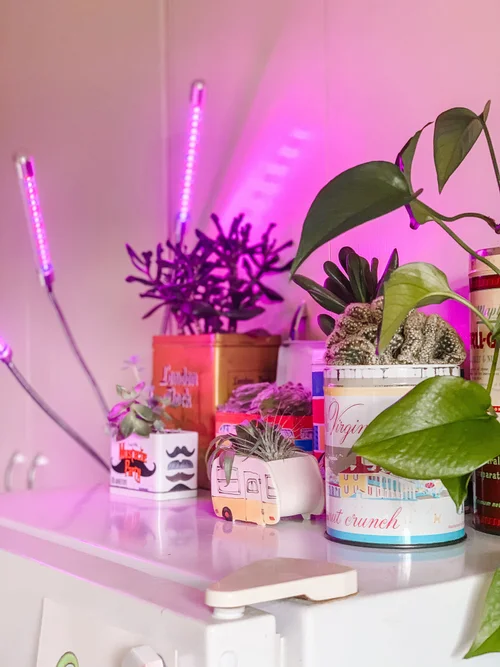
Artificial light is useful for areas lacking natural sunlight. It allows flexibility in plant placement. Choose the right type of light bulb. Fluorescent lights are common. They are energy-efficient and produce less heat. Suitable for seedlings and houseplants. LED grow lights are popular too. They offer a broad spectrum of light. Tailor-made for different growth stages. HID lights are another option. They provide intense light. Ideal for large plants or high-light needs. For successful growth, consider both light types. Each has its benefits and limitations. Understanding them helps maintain a healthy indoor garden.Color Spectrum And Plant Growth
Understanding the color spectrum is vital for indoor gardening. Different colors affect plant growth in unique ways. The light spectrum consists of various colors, each having a distinct role. These colors influence photosynthesis, flowering, and overall health. Let’s explore how specific colors benefit plants.
Red Light Benefits
Red light enhances flowering and fruit production. It promotes blooming in flowering plants. Red wavelengths signal plants to grow larger leaves. They also help in seed germination. Red light is essential for the flowering phase. It’s crucial for efficient photosynthesis. Plants exposed to red light show vigorous growth.
Blue Light Benefits
Blue light supports strong root development. It encourages leafy growth in plants. Blue wavelengths are vital for young plants. They help in forming compact and healthy plants. Blue light ensures plants are not too tall or spindly. It’s crucial for chlorophyll production. Plants need blue light for robust growth.
Green Light Role
Green light penetrates deeper into the canopy. It reaches lower leaves and enhances photosynthesis. While less absorbed, it still plays a role. Green light adds to plant health and vigor. It helps balance other spectrums for optimal growth. Plants use green light in combination with other colors. This balance is key for overall health.

Credit: thegreenmadhouse.com
Choosing The Right Light Color
Selecting the ideal light color for an indoor garden is crucial for plant growth. Cool white light promotes leafy growth, while warm light encourages flowering. Mix both to cater to various plant needs effectively.
Choosing the right light color is key for indoor gardening success. Different growth stages need specific light colors. This ensures your plants grow healthy and strong. Let’s explore the ideal light colors for each stage.Seedling Stage
Seedlings need blue light. This light supports early growth and root development. Blue light helps in forming strong stems. It ensures seedlings are healthy and robust. Consider lights with a high blue spectrum for this stage.Vegetative Stage
During the vegetative stage, plants thrive under blue and white light. These colors encourage leafy growth and structure. Blue light continues to support plant strength. White light provides a balanced spectrum. It helps plants to grow full and lush.Flowering Stage
Flowering plants require red light. Red light promotes blooming and fruit production. It enhances the flowering process. Red light also improves the yield quality. Choose lights with a strong red spectrum for this stage. This will ensure vibrant and abundant flowers.Balancing Light Intensity And Duration
Choosing the right color light is vital for indoor gardens. Blue lights help with leaf growth, while red lights promote blooming. Balance intensity and duration for healthy plant development.
Balancing light intensity and duration is key for an indoor garden. Plants need just the right amount of light to grow well. Too much light can harm them. Not enough light can stunt their growth. Understanding this balance helps your indoor plants thrive.Light Intensity
Light intensity affects how well plants photosynthesize. Bright light is great for sun-loving plants like tomatoes. Low light suits shade-loving plants like ferns. Measure light intensity in lumens. More lumens mean brighter light. Use grow lights to control intensity. Position them close to plants for high intensity. Move them further away for less intensity.Optimal Duration
The duration of light exposure is crucial. Most plants need 12 to 16 hours of light daily. Shorter light periods may not support growth. Longer periods can stress plants. Use a timer to automate light cycles. This ensures consistency. Consider plant type and season for best results. Some plants, like lettuce, thrive on longer light exposure. Others, like poinsettias, need less. Adjust lighting duration to mimic natural daylight cycles. This creates a healthy growing environment.Led Lights For Indoor Gardens
Indoor gardens bring the joy of nature into your home. LED lights play a crucial role in nurturing these plants. They offer the right spectrum and intensity for healthy growth. LEDs are energy-efficient and versatile. They can mimic sunlight, creating ideal conditions for plant development. Let’s explore the benefits and selection of LED lights for your indoor garden.
Advantages Of Led
LED lights consume less power than traditional bulbs. This saves energy and reduces electricity bills. They last longer, providing consistent light for years. Their spectrum can be adjusted to fit plant needs. This flexibility supports various growth stages. LEDs produce less heat, preventing plant damage. They are compact and can fit in small spaces. This makes them ideal for indoor setups.
Selecting Led Lights
Choose LED lights based on your plant’s needs. Consider the light intensity and spectrum. Look for full-spectrum LEDs for balanced growth. Check the wattage to ensure adequate brightness. Select lights with adjustable settings for flexibility. Think about the size of your garden. Large areas may need multiple lights. Ensure the lights have a good lifespan. This will avoid frequent replacements.
Common Mistakes In Lighting Choices
Lighting is crucial for an indoor garden’s success, but many enthusiasts often make common mistakes that hinder plant growth. Understanding these pitfalls can save you time, effort, and money, while ensuring your plants thrive. Let’s delve into two prevalent errors that many indoor gardeners face.
Overexposure To Light
Too much light can be just as harmful as too little. Many gardeners mistakenly believe that more light equals better growth. However, plants have specific light requirements, and exceeding these can lead to scorched leaves and stressed plants.
Consider the type of plants you have. Some prefer bright, direct light, while others thrive in low light conditions. Be mindful of your plant’s natural habitat and replicate it. Excessive light exposure can also increase room temperature, causing further harm to your indoor garden.
Have you ever noticed the leaves of your plants curling or turning brown? This might be a sign of overexposure. Adjusting your light levels can prevent these issues, ensuring healthier growth.
Incorrect Light Spectrum
Using the wrong light spectrum is another common mistake. Plants need specific wavelengths to photosynthesize effectively. A light spectrum that mimics natural sunlight is essential for balanced growth.
Many beginners opt for standard household bulbs, which lack the necessary spectrum for plant growth. Investing in full-spectrum LED grow lights can make a significant difference. These lights provide the red and blue wavelengths essential for photosynthesis.
Think about your plant’s growth stage. Seedlings require more blue light, while mature plants benefit from red light during flowering. Tailoring the spectrum to the growth phase can boost yield and health.
Have you noticed slow growth or weak stems? Adjusting your light spectrum might be the key to unlocking your garden’s potential. With a little attention to detail, you can create an optimal environment for your indoor oasis.
Innovative Lighting Solutions
Choosing the right color light is essential for indoor gardens. Blue light supports strong leaf growth and lush foliage. Red light encourages flowering and fruit production, enhancing plant vitality.
Indoor gardening has evolved significantly, and one of the most exciting advancements is the array of innovative lighting solutions now available. These lighting options are not just about illuminating your plants; they enhance growth, yield, and even the aesthetics of your indoor space. Let’s explore some of these cutting-edge solutions that can transform your indoor garden.Smart Lighting Systems
Imagine a lighting system that adjusts itself based on the needs of your plants. Smart lighting systems use sensors and automated features to provide the perfect light spectrum and intensity. You can control these systems through your smartphone, setting schedules and monitoring plant progress remotely. For instance, when you’re on vacation, you won’t have to worry about your plants missing their light schedule. These systems often come with voice control features, allowing you to make quick adjustments without lifting a finger. Smart lighting not only boosts plant health but also adds a layer of convenience to your gardening routine.Energy Efficient Options
Are you concerned about energy consumption and the resulting utility bills? Energy-efficient lighting options are designed to consume less power while providing the necessary light intensity for plant growth. LED lights are a popular choice for indoor gardens due to their low energy consumption and long lifespan. They produce less heat, reducing the risk of burning delicate plant leaves. Many energy-efficient lighting solutions also feature dimming capabilities, allowing you to adjust the brightness based on the time of day or stage of plant growth. By choosing these options, you can nurture a thriving garden while keeping your energy costs in check. Consider whether your current lighting setup is as efficient as it could be. Making a switch could save you money and benefit the environment.Tips For Maximizing Light Benefits
Choose red and blue lights for indoor gardens to enhance plant growth. Red light helps flowering and fruiting. Blue light supports leafy growth.
Creating an ideal environment for your indoor garden is essential for healthy plant growth, and optimizing light is a key factor. Natural sunlight may not always be sufficient, especially during shorter winter days. If you’re keen on ensuring your plants thrive, understanding how to maximize light benefits can make all the difference. Let’s dive into some practical tips to enhance your indoor garden lighting.Positioning Lights
The placement of your grow lights can significantly impact their effectiveness. Ensure the lights are close enough to provide adequate illumination but not so close that they scorch your plants. A good rule of thumb is to position the lights about 6 to 12 inches above the plants. Consider the growth phase of your plants. Seedlings may need more intense light than mature plants. Adjust the height of your lights accordingly to cater to these different needs. Experiment with angles. Sometimes, tilting the light can help cover more area, ensuring even distribution of light across all plants. Have you noticed any dark corners in your garden?Reflective Surfaces
Utilizing reflective surfaces can amplify the light reaching your plants. By strategically placing materials like aluminum foil or white walls around your garden, you can reflect light back onto your plants. This technique helps in maximizing the available light without additional energy costs. Think about using reflective grow tents. These tents are designed to keep the light focused inward, optimizing your plants’ exposure. They’re especially useful in small spaces. You might also want to consider painting the walls of your indoor garden white. This simple change can enhance light reflection, contributing to healthier plant growth. Have you tried any reflective techniques yet?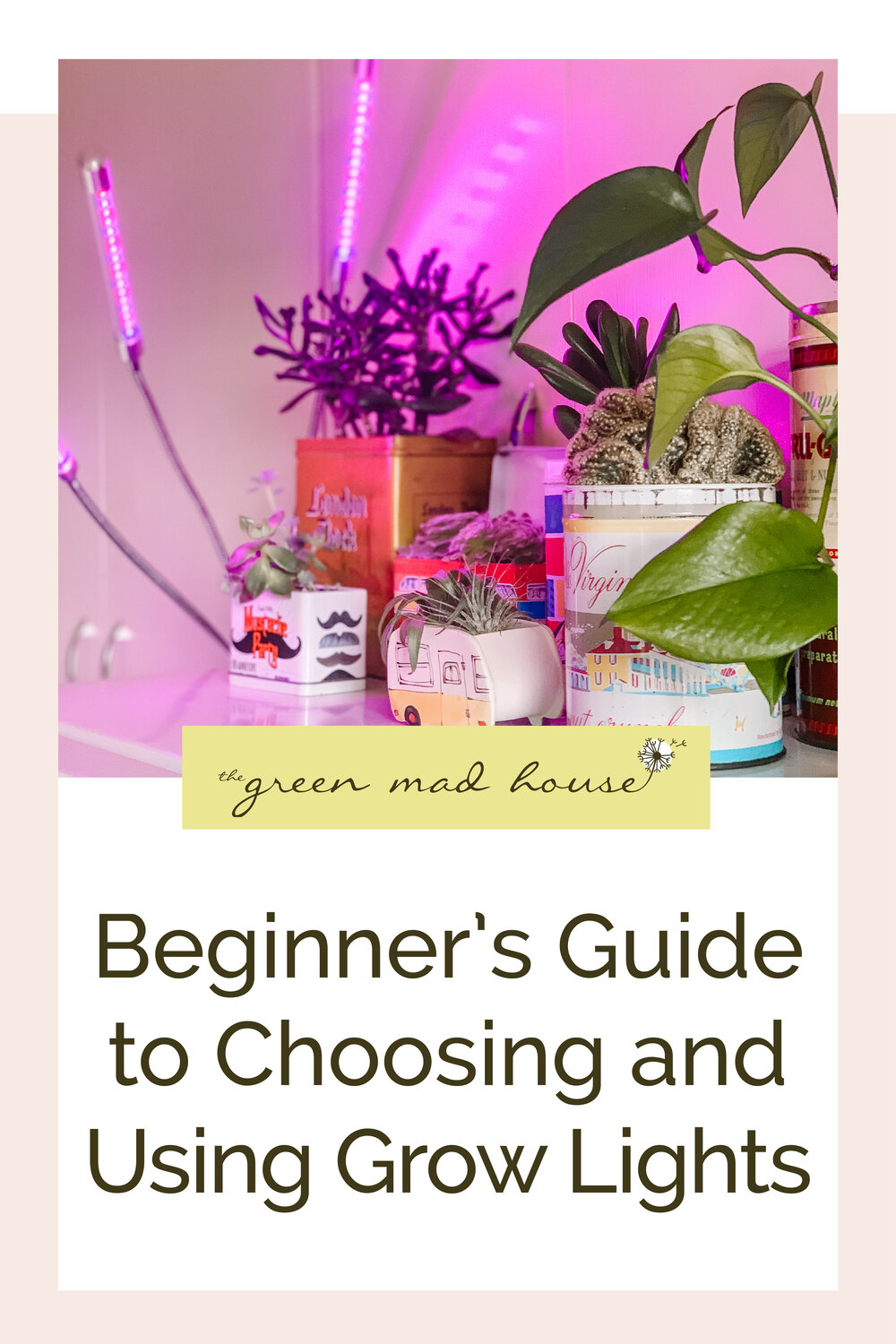
Credit: thegreenmadhouse.com
Frequently Asked Questions
What Is The Best Light Color For Plants?
The best light color for indoor plants is blue and red. Blue light promotes vegetative growth, while red light aids flowering. Using a combination of both ensures balanced plant development. LED grow lights often provide this spectrum, optimizing plant health and productivity.
Can Led Lights Replace Sunlight For Gardening?
Yes, LED lights can effectively replace sunlight for indoor gardening. They offer a full spectrum of light, mimicking natural sunlight. LEDs are energy-efficient and adjustable, catering to different plant needs. For successful indoor gardening, ensure your LEDs provide adequate intensity and duration.
Why Is Red Light Important For Indoor Plants?
Red light is crucial for flowering and fruiting in indoor plants. It stimulates hormone production essential for blooming. When combined with blue light, red enhances overall plant growth. Red wavelengths are particularly beneficial during the flowering stage, promoting healthier and more abundant blooms.
How Does Blue Light Affect Plant Growth?
Blue light significantly impacts vegetative growth in plants. It encourages strong stem and leaf development, enhancing photosynthesis. Blue wavelengths are vital during the initial growth stages. Using blue light in conjunction with red ensures balanced and robust plant growth throughout their lifecycle.
Conclusion
Choosing the right light color boosts indoor garden growth. Blue light aids leafy growth. Red light helps flowers and fruits. Balance both for a thriving garden. Consider plant type and growth stage. Experiment to find what works best. Proper lighting ensures healthy plants.
Your indoor garden will flourish with the right setup. Keep observing and adjusting. Light is crucial for plant success. Happy gardening!