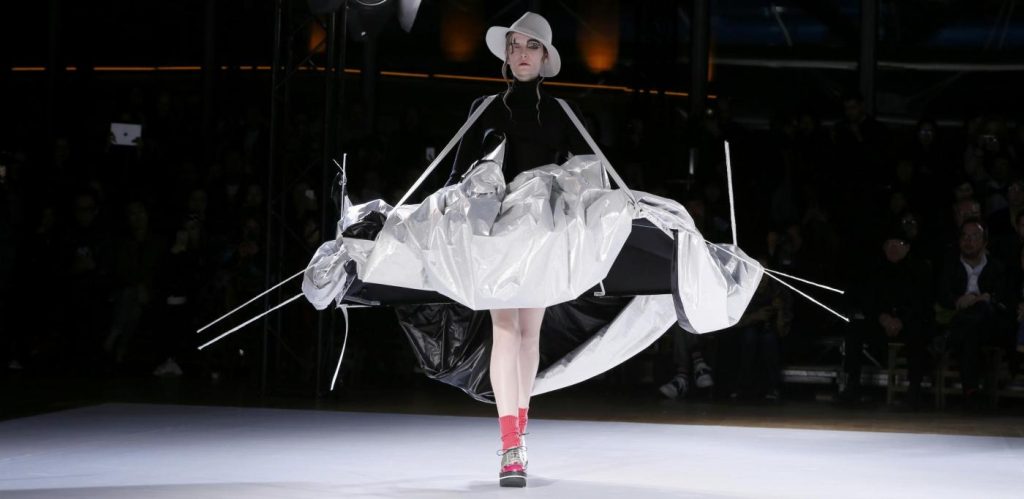
Imagine walking into a space that challenges your perception and ignites your imagination. You’re not just observing; you’re experiencing something entirely new.
This is the essence of avant-garde design. But what exactly does avant-garde mean, and how does it transform everyday environments into extraordinary ones? By exploring the boundaries of creativity, avant-garde design disrupts the norm and presents a fresh perspective that captivates and inspires.
As you delve deeper into this article, you’ll uncover the secrets behind this innovative approach and discover how it can breathe new life into your surroundings, sparking curiosity and creativity in ways you never thought possible. Prepare to be intrigued, and ready to see design in a way that challenges your expectations and excites your senses.

Credit: in.pinterest.com
The Essence Of Avant Garde Design
Avant Garde design breaks traditional boundaries, embracing innovation and creativity. It challenges norms, offering unique and bold aesthetics. This style often incorporates unexpected elements and unconventional forms, creating visually striking and thought-provoking spaces.
Avant Garde Design is all about pushing boundaries and redefining norms. It challenges traditional aesthetics by embracing innovation, boldness, and a touch of rebellion. In this section, we’ll explore the essence of this groundbreaking design style and understand what makes it so captivating.The Power Of Innovation
Avant Garde thrives on breaking away from the conventional. It’s about daring to try something new, even if it means risking failure. This design approach encourages you to explore uncharted territories and create something unexpected.Embracing Boldness
Boldness is at the heart of Avant Garde. This style doesn’t shy away from vibrant colors or unconventional shapes. It invites you to use your creativity to make bold statements that capture attention and provoke thought.The Role Of Rebellion
Rebellion is an intrinsic part of Avant Garde design. It’s not about being reckless but about questioning the status quo. This mindset allows you to challenge existing norms and express individuality in your designs.Blending Art And Functionality
Avant Garde doesn’t sacrifice functionality for art. Instead, it seamlessly blends the two, creating designs that are both visually striking and practical. Consider how a chair can be both a piece of art and a comfortable seat.Personal Experience In Avant Garde
Experimenting with Avant Garde design can be a personal journey. When I first tried incorporating it into my home, I was hesitant about mixing bold patterns. Yet, the result was a space that felt uniquely mine and sparked conversations.Questions To Ponder
How can you incorporate Avant Garde elements into your life? What conventions are you willing to break to express your creativity? Reflecting on these questions can help you embrace this daring design style.Historical Roots
Avant-garde design emerged in the early 20th century, challenging traditional aesthetics. It embraced innovation, abstraction, and experimentation, influencing modern art and design movements worldwide.
Avant-garde design has long intrigued those passionate about art and architecture. Its origins are deeply rooted in history. The term itself embodies innovation and pushing boundaries. Understanding its historical roots provides insight into its transformative impact on design.The Birth Of Avant-garde
Avant-garde emerged from the cultural shifts of the late 19th century. Artists sought to break free from traditional norms. They wanted to express new ideas and perspectives. This movement was a rebellion against the status quo. It aimed to challenge conventional art forms.Influence Of Early 20th Century Movements
The early 20th century saw significant avant-garde movements. Cubism and Futurism reshaped artistic expression. These movements embraced abstraction and experimental techniques. They discarded realism for bold and abstract forms. This era marked a pivotal shift in design philosophy.Impact Of Technological Advancements
Technology played a crucial role in avant-garde design. The Industrial Revolution introduced new materials and methods. Designers began to experiment with steel and glass. These innovations allowed for daring architectural feats. Technology and design became intertwined, leading to unique creations.Avant-garde In Architecture
Architects embraced avant-garde ideals with enthusiasm. They designed buildings that defied traditional styles. Structures began to feature clean lines and open spaces. Architects sought to create functional yet aesthetically pleasing designs. This approach revolutionized urban landscapes globally.Legacy And Evolution
The legacy of avant-garde design continues to inspire today. Modern designers build upon its principles, pushing boundaries further. Avant-garde remains a symbol of creativity and innovation. Its evolution reflects the ever-changing landscape of art and design.Key Characteristics
Avant-garde design is bold and challenges traditional norms. It embraces creativity and innovation. This style captivates with its unique characteristics. Let’s explore these key characteristics that define avant-garde design.
Innovative Use Of Materials
Avant-garde designers love experimenting with unconventional materials. They use anything from recycled plastics to metal. This approach creates unique textures and forms. It pushes boundaries and challenges expectations. The goal is to evoke curiosity and surprise.
Bold Color Palettes
Color plays a vital role in avant-garde design. Designers choose vibrant and unexpected color combinations. These colors grab attention and evoke strong emotions. The bold hues enhance the overall impact of the design. They give it a dynamic and lively feel.
Asymmetrical Forms
Symmetry is often avoided in avant-garde design. Instead, asymmetrical forms create visual interest. These forms break away from traditional balance. They offer a fresh perspective and new visual experiences. Asymmetry brings movement and energy to a design.
Influential Designers And Movements
Avant-garde design breaks traditional norms, pushing creative boundaries. It embraces innovation and challenges conventional aesthetics. This design movement inspires through bold colors, abstract forms, and unexpected materials, leaving a lasting impact on art and culture.
Avant-garde design is a fascinating realm where creativity meets innovation, pushing boundaries and challenging norms. Its influence is undeniable, thanks to pioneering designers and movements that have reshaped how we perceive art and design. As you explore the influential figures and movements within this domain, you’ll discover a rich tapestry of revolutionary ideas that continue to inspire and provoke thought.Marcel Duchamp: The Maverick Of Modern Art
Marcel Duchamp’s radical approach to art and design transformed conventional norms. His ready-mades challenged the very definition of art, urging you to question the ordinary. Duchamp’s work serves as a reminder that innovation often lies in daring to defy tradition.Bauhaus: A Symphony Of Functionality And Form
The Bauhaus movement emphasized the harmony between form and function, influencing design education worldwide. It encouraged the integration of art, craft, and technology, prompting you to consider how design impacts everyday life. This movement laid the foundation for modern design principles.Le Corbusier: Architect Of Modern Living
Le Corbusier’s architectural vision was driven by a desire for simplicity and efficiency. His designs, characterized by clean lines and open spaces, reflect a commitment to modern living. How do his principles resonate with your ideas of contemporary architecture?De Stijl: The Quest For Universal Beauty
De Stijl, with its geometric abstraction and primary colors, sought harmony and order. This movement inspires you to find beauty in simplicity, advocating for a universal aesthetic. How might you incorporate these elements into your creative endeavors?Futurism: Embracing The Speed Of Change
Futurism celebrated the dynamism and energy of the modern world. Its bold, vibrant designs capture the essence of movement and progress. Consider how this movement’s embrace of change can fuel your own creative processes. Engaging with these designers and movements invites you to reflect on the transformative power of avant-garde design. Which elements resonate with your creative vision?Impact On Modern Architecture
Avant-garde design has significantly influenced modern architecture, transforming it into a realm where creativity meets functionality. This innovative approach challenges traditional norms and introduces bold concepts that reshape how we perceive built environments. By pushing boundaries, avant-garde design impacts our cities and living spaces, creating a more dynamic and sustainable future.
Redefining Urban Landscapes
Avant-garde design plays a crucial role in redefining urban landscapes, altering the way cities grow and evolve. Modern architecture now embraces unconventional shapes and forms, making skylines more interesting and unique. Structures like the Guggenheim Museum in Bilbao or the Sydney Opera House are prime examples of how avant-garde design adds character and identity to a city.
Urban planners are increasingly integrating avant-garde concepts to address the challenges of population growth and limited space. These designs not only emphasize aesthetic appeal but also enhance functionality and community engagement. Have you ever walked through a city and been struck by a building that feels like a piece of art?
Sustainable Design Practices
With the growing need for sustainability, avant-garde design has embraced eco-friendly practices. Modern architecture now incorporates green spaces, renewable energy sources, and sustainable materials into its designs. Buildings like Bosco Verticale in Milan show how avant-garde design can merge with nature, creating vertical forests that improve air quality and reduce the urban heat island effect.
These sustainable practices are not just a trend but a necessity for future urban development. By considering environmental impact, avant-garde design contributes to a healthier planet and encourages responsible living. How can you make your living space more sustainable by adopting these innovative ideas?
Avant Garde In Interior Spaces
Avant Garde design transforms interior spaces into something unique and bold. It challenges traditional norms with innovative ideas and unconventional approaches. This style invites creativity, making each room a canvas for artistic expression. It’s about pushing boundaries and experimenting with new concepts.
In interior design, Avant Garde translates to spaces that surprise and inspire. It encourages a departure from the ordinary, embracing the extraordinary. Elements of this style often include bold colors, unusual textures, and unexpected forms. Each aspect of an Avant Garde interior tells a story, inviting viewers to explore and engage.
Furniture And Décor
Avant Garde furniture often features abstract shapes and bold colors. Pieces might include asymmetrical designs or unexpected materials. Think of chairs that look like sculptures or tables with unusual forms. Each item is more than functional; it’s a statement.
Décor complements this with daring art and striking accessories. Walls may feature large, bold artworks or murals. Textures play a significant role, with materials like metal, glass, and unusual fabrics. Every piece adds to the room’s narrative, creating a cohesive yet surprising experience.
Lighting And Ambiance
Lighting in Avant Garde spaces is both functional and artistic. Fixtures often resemble art installations. They might include oversized lamps or geometric chandeliers. The goal is to create a mood that reflects the space’s innovative spirit.
Ambiance is achieved through strategic light placement and intensity. It highlights the room’s unique features, casting dramatic shadows or spotlighting key elements. This approach transforms the atmosphere, enhancing the overall design aesthetic.
Technological Integration
Avant Garde design often embraces the cutting-edge of technology. This fusion creates spaces that are not only visually striking but also smart and functional. Integrating technology into design transforms how we interact with our environment. It offers new ways of experiencing aesthetics and functionality.
Smart Homes
Smart home technologies redefine living spaces. Automated lighting and temperature control enhance comfort. Voice-activated systems make daily tasks easier. Seamless integration of devices ensures convenience.
Interactive Installations
Installations come to life through technology. They engage and captivate audiences. Sensors and projections create dynamic experiences. These installations bridge the gap between art and audience.
Virtual Reality Experiences
Virtual reality brings designs to a new dimension. It allows exploration of spaces before they exist. Designers and clients visualize projects in immersive detail. This technology shapes future architectural possibilities.
Augmented Reality Features
Augmented reality overlays digital information onto physical spaces. This enhances user interaction with design elements. It offers real-time feedback and visualization. Transforming spaces with layers of digital content.
3d Printing Innovations
3D printing revolutionizes the creation process. It allows for complex designs with precision. Designers experiment with new materials. This technology expands the boundaries of traditional methods.

Credit: www.designartmagazine.com
Challenges And Critiques
Avant Garde design often faces challenges due to its unconventional nature. Critics argue it can be impractical and alienating. Balancing creativity with functionality remains a key concern.
Avant-garde design often challenges traditional norms. It pushes boundaries and fosters creativity. Yet, it faces unique challenges and critiques. This movement is not always understood or accepted by everyone. Some people find avant-garde design too radical or impractical. Designers may struggle with balancing innovation and functionality. This tension can lead to mixed reactions from audiences and critics alike.Impracticality Concerns
Avant-garde designs can seem impractical for everyday use. They often prioritize aesthetics over function. Some critics argue they lack usability. This can deter potential users. Practicality is crucial for widespread acceptance.Public Reception
The public can be divided on avant-garde designs. Some embrace the novelty. Others find them confusing or alienating. Public opinion can sway success or failure. Designers must navigate these varied reactions.Commercial Viability
Avant-garde designs face challenges in the marketplace. They can be expensive to produce. Limited audience appeal can affect sales. Balancing creativity with market demands is tricky. Designers need to consider both factors.Critiques Of Excessive Complexity
Some avant-garde designs are criticized for being too complex. Overly intricate designs can overwhelm users. Simplicity often appeals more to the masses. Complexity might hinder practical application.Resistance To Change
Change is often met with resistance. Avant-garde design challenges the status quo. This can lead to pushback from traditionalists. Embracing new ideas requires openness and adaptability.Future Of Avant Garde Design
Avant Garde Design pushes boundaries with unique and innovative aesthetics. It embraces unconventional ideas, merging art and functionality. This design style fosters creativity, setting trends that shape the future of visual expression.
The future of Avant Garde design is exciting and unpredictable. This design style pushes boundaries and challenges norms. It is about innovation and creativity. As technology evolves, so does Avant Garde design. Designers explore new materials and digital tools. They create unique and bold works.The Influence Of Technology On Avant Garde Design
Technology plays a crucial role in Avant Garde design. Designers use 3D printing to create complex shapes. Virtual reality allows them to experiment with environments. This technology opens up endless possibilities.Sustainability In Avant Garde Design
Sustainability is a major focus for designers. They seek eco-friendly materials and processes. Avant Garde design embraces sustainability. This approach reduces environmental impact. It also inspires others to adopt green practices.Avant Garde Design In Urban Spaces
Urban spaces benefit from Avant Garde design. Public installations and architecture showcase bold designs. These spaces become more engaging and interactive. People experience art in new ways.The Role Of Collaboration In Avant Garde Design
Collaboration enhances Avant Garde design. Artists, architects, and technologists work together. They bring diverse perspectives and skills. This teamwork leads to innovative creations. It also encourages cross-disciplinary learning.Avant Garde Fashion: The Next Frontier
Fashion embraces Avant Garde principles. Designers experiment with shapes and textures. They challenge traditional clothing norms. Avant Garde fashion is expressive and daring. It sets new trends and influences mainstream styles.
Credit: www.broadsheet.com.au
Frequently Asked Questions
What Defines Avant-garde Design?
Avant-garde design is characterized by its innovative and experimental approach. It often challenges traditional norms and embraces unconventional aesthetics. This style is known for pushing boundaries and introducing new ideas in art, architecture, and fashion. It is bold, creative, and always ahead of its time.
How Does Avant-garde Influence Modern Art?
Avant-garde design significantly impacts modern art by encouraging experimentation and innovation. It inspires artists to break away from traditional methods and explore new techniques and materials. This influence leads to the creation of groundbreaking works that redefine artistic expression and challenge societal norms.
Why Is Avant-garde Design Important?
Avant-garde design is crucial because it fosters creativity and innovation. It encourages designers to think outside the box and explore new ideas. This approach often leads to revolutionary designs that can transform industries, inspire cultural movements, and redefine the way we perceive art and design.
Is Avant-garde Design Always Abstract?
Avant-garde design is not always abstract but often embraces unconventional forms and ideas. It can be abstract or representational, focusing on innovation and pushing boundaries. The style is diverse and can include various elements, making it a versatile approach in the design world.
Conclusion
Avant-garde design pushes creative boundaries. It challenges traditional norms and ideas. This style embraces innovation and creativity. It encourages artists to explore new concepts. The designs often surprise and intrigue audiences. They can inspire fresh perspectives in art and design.
People see the world differently through avant-garde eyes. This approach keeps art and design vibrant. It continues to evolve over time. By appreciating avant-garde design, we open our minds. We welcome new possibilities and ideas. This unique style enriches our visual experiences.
It leaves a lasting impact on modern culture. Embrace avant-garde design for a fresh perspective.







