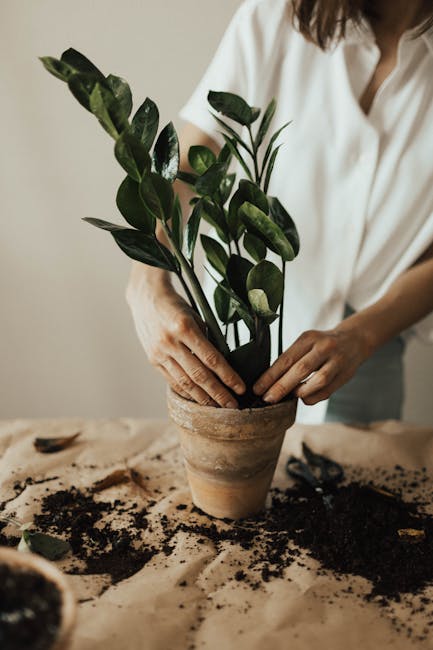
Imagine walking into your home and being greeted by the vibrant greens of your very own indoor garden. The idea is tempting, isn’t it?
You might be wondering if starting your garden indoors is the right choice for you. With the unpredictable weather and limited outdoor space, this could be the perfect solution. But what are the benefits? What do you need to get started?
And will it really thrive indoors? These questions are crucial, and the answers might surprise you. Dive into this article to discover why starting your garden indoors could be your next rewarding adventure. You won’t want to miss the tips and insights that will help you turn your indoor space into a lush oasis.
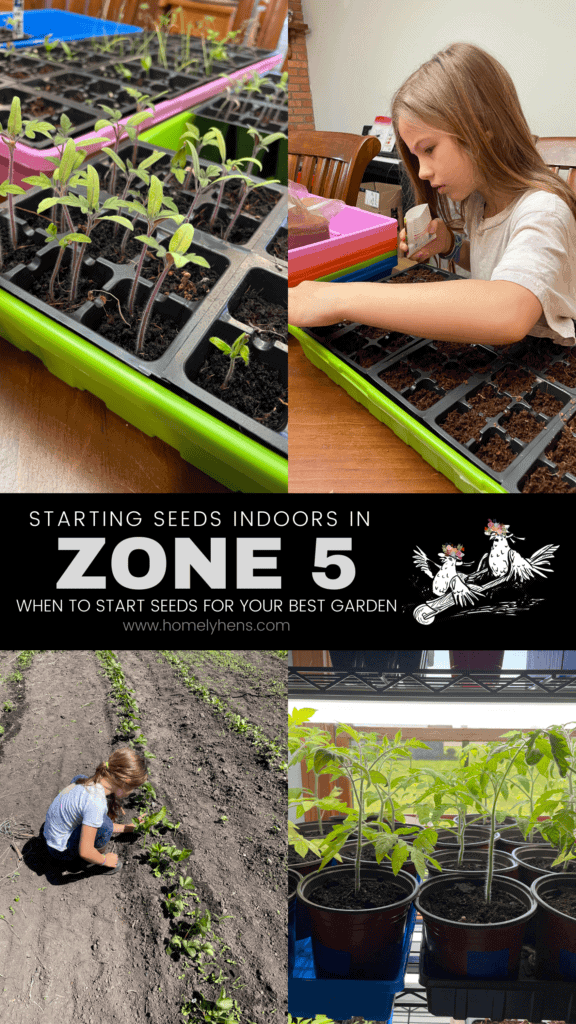
Credit: homelyhens.com
Benefits Of Starting A Garden Indoors
Starting a garden indoors offers fresh produce year-round and enhances home aesthetics. It also provides a relaxing hobby, improving mental well-being.
Starting a garden indoors offers many benefits. It provides a unique opportunity to grow plants throughout the year. Whether you have a green thumb or are new to gardening, an indoor garden can be rewarding. Let’s explore the benefits of having an indoor garden.Controlled Environment Advantages
An indoor garden lets you control the environment. You can manage light, temperature, and humidity. This control helps plants thrive, regardless of outdoor conditions. No need to worry about unexpected frost or heat waves. This consistency is great for delicate plants.Extended Growing Seasons
Indoor gardens allow for extended growing seasons. You can grow plants even in winter. This means fresh herbs, vegetables, and flowers all year round. No more waiting for spring to start planting. Enjoy the fruits of your labor any time.Space Utilization
Indoor gardening makes use of small spaces. You can grow plants in pots, shelves, or window sills. This is perfect for apartments or small homes. Vertical gardens and hanging pots optimize space. You don’t need a big yard to enjoy gardening.Choosing The Right Plants For Indoor Gardening
Choosing the right plants for indoor gardening is crucial to ensure your green thumb success. Indoor gardens offer a unique environment, and selecting plants that thrive in such conditions is key. Whether you’re aiming for a lush decorative space or a mini edible garden, understanding your options is the first step towards a thriving indoor oasis.
Best Plants For Indoor Growth
Some plants naturally excel indoors due to their adaptability and resilience. Consider hardy houseplants like pothos, snake plants, and spider plants. They’re low-maintenance and can tolerate less than perfect conditions. If you’re looking for something more exotic, try succulents or orchids, which can add a touch of elegance to your space.
Considerations For Light And Space
Your indoor garden’s success heavily depends on light availability and space. Assess the natural light in your home: do you have bright, indirect light or mostly shaded areas? Match your plant choices to these conditions. Also, think about space—small plants work well in apartments, while larger ones can fill up spacious living rooms.
Edible Vs. Ornamental Choices
Would you prefer to feast on your garden’s bounty or simply enjoy the visual appeal? Edible plants like herbs and small veggies can thrive indoors and provide fresh ingredients for your kitchen. On the other hand, ornamental plants can beautify your home, offering a peaceful retreat. Weigh the benefits and decide what fulfills your gardening goals.
Essential Equipment For Indoor Gardening
Starting a garden indoors offers control over climate and pests. Essential equipment includes grow lights, pots, and soil. These tools help maintain optimal conditions for plant growth.
Starting your garden indoors can be a rewarding experience, offering you control over your plants’ environment. To ensure success, equipping yourself with the right tools is essential. Whether you’re nurturing seedlings or growing herbs year-round, having the right gear will make a significant difference.Lighting Solutions
Proper lighting is crucial for indoor gardening. Natural sunlight may not always be adequate, especially during shorter days. Consider investing in LED grow lights, which are energy-efficient and mimic natural sunlight. Position your grow lights at the correct height above your plants to prevent burning and ensure even growth. Adjustable light fixtures can be especially useful as your plants grow taller.Humidity And Temperature Control
Maintaining the right humidity and temperature is vital for healthy plant growth. Too much humidity can lead to mold, while too little can dry out your plants. A small humidifier can help maintain optimal moisture levels in the air. Additionally, a thermometer and hygrometer will allow you to monitor and adjust the environment as needed. Remember, different plants have varying needs, so tailor the climate control to your specific garden.Containers And Soil Options
Choosing the right containers and soil is foundational to a thriving indoor garden. Ensure your containers have drainage holes to prevent waterlogging, which can lead to root rot. Consider using lightweight, breathable pots for easy handling and improved aeration. When it comes to soil, opt for a high-quality potting mix that retains moisture yet drains well. Adding perlite or vermiculite can enhance soil texture, providing the perfect balance your plants need. Starting your indoor garden with the right equipment sets the stage for a flourishing green space. What tools have you found indispensable in your gardening journey?
Credit: www.zone3vegetablegardening.com
Indoor Gardening Techniques
Starting a garden indoors can be rewarding. Control your environment and protect plants from weather. Ideal for beginners.
Starting your garden indoors offers a world of possibilities with various techniques that cater to different needs and spaces. Whether you have a small apartment or a large house, you can grow your favorite plants year-round. Let’s dive into some indoor gardening techniques that can transform your indoor space into a lush green paradise.Hydroponics And Aquaponics
Hydroponics is a method where plants grow in a nutrient-rich water solution instead of soil. This technique allows for faster growth and higher yields. Imagine fresh basil or lettuce at your fingertips, grown in a small setup by your kitchen window. Aquaponics combines fish farming and plant cultivation. The fish waste provides the necessary nutrients for the plants, creating a sustainable ecosystem. It’s like having a mini ecosystem in your living room, where both fish and plants thrive together.Vertical Gardening
Vertical gardening maximizes space by allowing plants to grow upwards. This is perfect for those with limited floor space. Hanging pots or vertical planters on walls can transform a dull corner into a vibrant green display. You can even DIY your vertical garden using recycled materials. It’s an excellent way to grow herbs or small vegetables in a compact area. Plus, it adds a unique aesthetic element to your home decor.Succession Planting
Succession planting involves sowing seeds at intervals to ensure a continuous harvest. This technique ensures you always have fresh produce on hand. Imagine enjoying fresh tomatoes or peppers all year long without a gap. By planning your planting schedule, you can make the most of your indoor space. It’s a practical approach to indoor gardening, especially if you’re keen on maintaining a steady supply of fresh greens for your meals. Have you considered which indoor gardening technique suits your lifestyle? The beauty of indoor gardening is that there’s a method for everyone, regardless of space or experience. Start small, experiment, and watch your indoor garden flourish!Common Challenges And Solutions
Starting a garden indoors can be daunting due to space limitations and light requirements. Opt for compact, low-light plants to overcome these challenges. Indoor gardening also requires careful attention to watering schedules to prevent root rot.
Starting your garden indoors can be a rewarding journey, yet it comes with its unique challenges. Whether you’re battling pesky critters or figuring out how to maximize limited space, solutions are within reach. The key is to approach these hurdles with patience and creativity, knowing that each challenge is an opportunity to learn and grow. Let’s dive into some common challenges and their practical solutions.Pest Management
Even indoors, pests can find their way to your plants. How do you keep them at bay? Start by inspecting your plants regularly. Look for signs of infestation like tiny webs or holes in leaves. Using natural repellents such as neem oil can help prevent and control these intruders. Another effective method is to introduce beneficial insects like ladybugs, which can naturally combat pests. Consider setting up sticky traps to catch flying insects. Remember, maintaining cleanliness in your indoor garden is crucial. Keep the area free of debris, and ensure proper ventilation to discourage pests from settling in.Dealing With Limited Space
Limited space is a common hurdle for indoor gardeners. How can you make the most of what you have? Vertical gardening is a game-changer. Using shelves or hanging planters can maximize your space and enhance your garden’s aesthetic. Choose compact plant varieties that thrive in smaller areas. Herbs like basil or mint are great options. Think about multi-purpose furniture. A table with built-in planters can serve as both a workspace and a growing area. Rotate your plants periodically to ensure they receive even light exposure, promoting healthy growth. Ultimately, it’s about being creative and resourceful with the space you have.Nutrient Deficiency And Soil Health
Indoor gardening often leads to nutrient deficiencies due to limited natural soil processes. How can you ensure your plants thrive? Start by using high-quality potting soil mixed with compost. This provides a nutrient-rich foundation for your plants. Regularly test your soil’s pH and nutrient levels. Kits are readily available and easy to use. Supplement with organic fertilizers to replenish essential nutrients. Liquid fertilizers can be quickly absorbed, boosting plant health. Consider using hydroponic systems, which allow precise control over nutrient delivery. The secret is consistent monitoring and adjusting your approach based on your plants’ needs.Expert Tips For Successful Indoor Gardening
Starting a garden indoors can be a great way to grow plants all year round. Indoor gardening provides control over environmental factors like light and temperature. It’s perfect for beginners and those with limited outdoor space.
Starting your garden indoors can be a rewarding adventure, especially when you equip yourself with expert tips to nurture your green sanctuary. Whether you’re a seasoned gardener or just beginning, understanding the nuances of indoor gardening can make all the difference. Let’s dive into some key strategies to ensure your indoor garden thrives.Maximizing Light Exposure
Light is crucial for photosynthesis, and indoor plants need ample exposure to thrive. Position your plants near south-facing windows if possible, as they receive the most sunlight during the day. If natural light is limited, consider using grow lights. They mimic the sun’s spectrum and can be set on timers to provide consistent light, ensuring your plants get the energy they need.Watering Techniques
Understanding your plant’s water needs is essential. Overwatering is a common mistake that can lead to root rot. Check the soil moisture by sticking your finger an inch deep—water only if it feels dry. Consider using a watering can with a long spout for precision and to avoid wetting the leaves, which can cause fungal issues. Remember, it’s better to underwater than overwater—plants can recover from drought more easily than from excess moisture.Fertilization Strategies
Fertilizing indoor plants can help them flourish, but it’s important to do it correctly. Use a balanced, water-soluble fertilizer every month during the growing season, usually spring and summer. Avoid fertilizing in the dormant winter months unless the plant shows active growth. Always follow the package instructions to prevent over-fertilization, which can damage your plants. By focusing on these key areas, you can create a thriving indoor garden. What challenges have you faced in your indoor gardening journey? Share your thoughts and tips in the comments below!Transitioning From Indoor To Outdoor Gardening
Begin your garden indoors to control temperature and moisture. Indoor gardening helps plants develop strong roots. Transition outdoors when conditions improve.
Transitioning from indoor to outdoor gardening is an exciting step for many gardeners. It allows plants to enjoy natural sunlight and fresh air. This shift can boost plant growth and health. To ensure a smooth transition, careful planning and attention to detail are essential. Here are some key aspects to consider.Timing And Preparation
Choose the right time for moving plants outdoors. Wait until the last frost date has passed. Check your local climate to know the best time. Prepare your garden space ahead of time. Clear any debris and test the soil. Ensure the soil is rich and well-drained. Start with small garden sections to manage better.Acclimation Process
Introduce plants to the outdoors gradually. Start with a few hours each day. Increase exposure to sunlight and wind slowly. Protect them from harsh weather initially. Use a shaded spot for the first week. This helps them adjust without stress. Monitor the plants for signs of distress.Benefits Of Outdoor Expansion
Outdoor gardening offers many benefits. Plants get more sunlight and space to grow. Natural pollination by insects enhances growth. It also encourages biodiversity in your garden. Outdoor gardening can reduce indoor clutter. It provides a rewarding outdoor activity too. Enjoy the beauty and productivity of nature.
Credit: food52.com
Frequently Asked Questions
What Are The Benefits Of Starting A Garden Indoors?
Starting a garden indoors allows for controlled growing conditions. You can manage light, temperature, and humidity, optimizing plant health. Indoor gardening also extends growing seasons, letting you cultivate year-round. Additionally, it reduces pests and diseases, offering a cleaner environment for your plants.
Which Plants Are Best For Indoor Gardening?
Herbs like basil, mint, and cilantro thrive indoors. Leafy greens such as spinach and lettuce also do well. Succulents and small flowers like African violets are ideal. Choose plants that require less sunlight and can adapt to indoor conditions for best results.
How Do I Start Seeds Indoors Effectively?
Begin with quality seeds and clean containers. Use seed-starting soil mix for optimal growth. Ensure adequate light and warmth, maintaining temperatures around 70°F. Water gently to avoid overwatering, keeping soil moist but not soggy. Once seeds sprout, move them to brighter areas.
What Light Conditions Are Needed For Indoor Plants?
Most indoor plants thrive with bright, indirect sunlight. Use grow lights if natural light is insufficient. LED grow lights are energy-efficient and effective. Adjust the duration and intensity based on plant needs. Generally, 12 to 16 hours of light daily is ideal.
Conclusion
Starting your garden indoors offers many benefits. Controlled environments help plants thrive. You’ll avoid harsh weather and pests. Starting early also extends your growing season. This means more time to enjoy fresh produce. Indoor gardening is ideal for beginners and experts alike.
It allows you to experiment and learn. Consider your space and resources first. Small steps lead to a flourishing garden. Enjoy the journey of nurturing plants. Watch them grow from seeds to vibrant life. Make gardening a rewarding hobby. Start indoors and see your garden flourish.
Happy planting!







