Are you thinking about adding something special to your garden? Lavender might be exactly what you need.
Its soft purple flowers, calming scent, and easy care make it a favorite for many gardeners. But before you plant it, you might wonder if lavender will really fit your garden and lifestyle. You’ll discover the true benefits and challenges of growing lavender.
By the end, you’ll know if this beautiful herb is the perfect match for your outdoor space. Keep reading to find out!

Credit: www.devonlive.com
Benefits Of Lavender
Lavender is a popular plant that adds beauty and usefulness to any garden. It offers many benefits beyond its lovely look.
This article covers the main advantages of planting lavender in your garden.
Aromatic Appeal
Lavender has a sweet, fresh scent that fills the air around your garden. Its fragrance helps create a calm and relaxing space.
Attracts Pollinators
Lavender flowers attract bees, butterflies, and other pollinators. These insects help your garden plants grow strong and healthy.
- Bees collect nectar from lavender blooms
- Butterflies enjoy resting on lavender flowers
- Pollinators increase fruit and vegetable yields
Natural Pest Repellent
Lavender’s scent keeps many pests away. It can reduce the need for chemical sprays in your garden.
| Pest Type | Effect of Lavender |
| Mosquitoes | Repels with strong aroma |
| Flies | Disrupts and deters |
| Moths | Prevents egg laying |
Medicinal Uses
Lavender has been used for its health benefits for centuries. Its oils can help reduce stress and improve sleep.
People use lavender for:
- Relieving headaches
- Calming anxiety
- Healing minor skin irritations
Culinary Applications
Lavender adds a unique flavor to many dishes. You can use its flowers and leaves in cooking and baking.
Common culinary uses include:
- Flavoring desserts like cakes and cookies
- Adding to teas and beverages
- Enhancing sauces and marinades
Choosing The Right Lavender
Lavender is a lovely plant for many gardens. Picking the right type helps it grow well and look great.
Different lavenders suit different places. Think about the kinds, climate, and soil before planting.
Popular Varieties
Lavender comes in many types. Each has unique flowers, scents, and sizes for your garden.
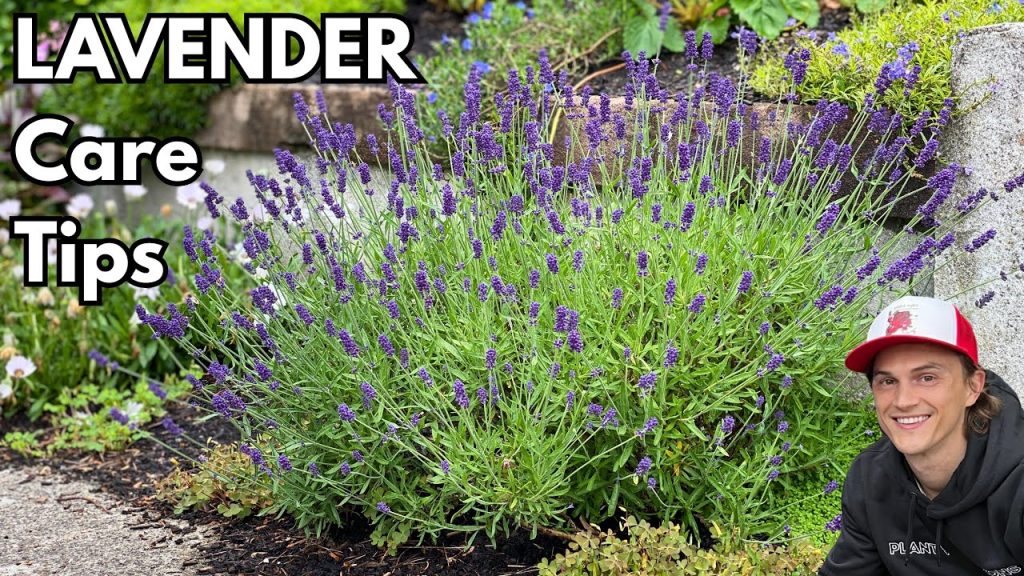
- English Lavender: Most common, purple flowers, strong scent
- French Lavender: Smaller flowers, gray-green leaves, good for pots
- Spanish Lavender: Taller stems, light purple flowers, used for decoration
- Lavandin: A hybrid, grows fast, strong fragrance, good for oil
Climate Considerations
Lavender grows best in warm, sunny spots. It needs good air flow to stay healthy.
Cold winters can harm some types. Choose varieties that match your local weather.
- English Lavender: Likes mild winters and hot summers
- French Lavender: Tolerates heat well, but not very cold
- Spanish Lavender: Thrives in hot, dry climates
- Lavandin: Grows well in various climates but prefers warm areas
Soil Preferences
Lavender prefers soil that drains well. Wet soil can cause root problems.
Sandy or gravelly soil works best. The soil should be slightly alkaline or neutral.
- Good drainage prevents root rot
- Sandy soil helps water flow away quickly
- Soil pH between 6.5 and 7.5 suits lavender
- Add lime if soil is too acidic
Planting Tips
Lavender is a popular choice for gardeners. It adds color and aroma to any garden. Understanding the right planting techniques will help it thrive.
Here are some useful tips for planting lavender, including when to plant, how to space, and sunlight needs.
Best Time To Plant
Lavender grows best when planted at the right time. Timing is key for healthy growth and bloom.
- Plant in spring when soil is warming up.
- Avoid planting in winter to prevent frost damage.
- Consider planting in fall in mild climates.
Spacing And Depth
Proper spacing and planting depth are essential for lavender. This ensures enough room for growth and air circulation.
| Spacing | 16-24 inches apart |
| Planting Depth | Same level as nursery pot |
Sunlight Requirements
Lavender thrives in sunny spots. Sunlight is crucial for its growth and flowering.

Credit: www.sarahraven.com
Care And Maintenance
Lavender is a beautiful plant that adds color and scent to your garden. Taking care of it properly helps it grow strong and healthy.
This guide explains simple steps to water, prune, and fertilize lavender for best results.
Watering Guidelines
Lavender does not need much water. Overwatering can harm the roots and cause the plant to rot.
Water lavender deeply but only when the soil feels dry. Let the soil dry out between watering.
- Water in the morning to avoid damp leaves at night
- Use well-drained soil to prevent standing water
- Reduce watering in winter when the plant is dormant
Pruning Techniques
Pruning helps lavender keep a neat shape and encourages new growth. It also stops the plant from becoming woody.
Trim back the plant after it flowers. Cut about one-third of the new growth but avoid cutting into old wood.
- Use sharp, clean shears for pruning
- Remove dead or damaged stems first
- Do not prune late in the fall to avoid winter damage
Fertilizing Lavender
Lavender does not need heavy feeding. Too much fertilizer can reduce the plant’s scent and flowers.
Use a light fertilizer in early spring to support growth. Organic compost or a balanced slow-release fertilizer works well.
- Apply fertilizer once a year in early spring
- Avoid high-nitrogen fertilizers to prevent too much leaf growth
- Mix compost into the soil around the plant
Common Challenges
Growing lavender in your garden can be rewarding but comes with challenges. Knowing these helps you care for your plants better.
This section covers common problems like pests, diseases, and watering issues.
Dealing With Pests
Lavender faces pests such as aphids and spittlebugs. These insects can damage the leaves and stems.
- Check plants regularly for small insects or sticky residue.
- Use natural predators like ladybugs to control aphids.
- Spray with insecticidal soap if infestations grow.
- Remove heavily infested parts to protect the rest of the plant.
Managing Diseases
Lavender can suffer from fungal diseases like root rot and leaf spot. These affect plant health and growth.
| Disease | Cause | Symptoms | Prevention |
| Root Rot | Overwatering, poor drainage | Wilting, yellow leaves | Plant in well-drained soil |
| Leaf Spot | Fungal infection | Brown or black spots on leaves | Remove affected leaves, improve air flow |
| Powdery Mildew | High humidity | White powdery coating on leaves | Keep plants spaced, avoid wetting leaves |
Preventing Overwatering
Lavender prefers dry soil and can suffer if watered too much. Overwatering causes root problems.
Follow this simple guide to water your lavender correctly:
- Check soil dryness with your finger before watering.
- Water deeply but infrequently, about once every 7–10 days.
- Avoid water sitting around the base of the plant.
- Use pots with drainage holes if growing in containers.
- Adjust watering based on weather and season changes.
Creative Uses For Lavender
Lavender is a lovely plant to grow in your garden. It smells great and has many uses beyond decoration. You can use lavender in homemade products and garden designs.
Here are some creative ways to use lavender from your garden. These ideas help you enjoy the plant in daily life.
Making Essential Oils
Lavender essential oil is popular for its calming scent. You can make it at home by steam distilling fresh lavender flowers. This oil can be used in aromatherapy or added to homemade cleaning products.
- Harvest fresh lavender flowers in the morning.
- Place flowers in a distillation pot with water.
- Heat the pot to create steam.
- Collect the steam and oil mixture in a cooling tube.
- Separate the lavender oil from the water.
- Store the oil in a dark glass bottle.
Crafting Lavender Sachets
Lavender sachets are small bags filled with dried lavender buds. They keep your clothes smelling fresh and can be placed in drawers or closets. Making sachets is simple and fun.
- Dry lavender flowers completely.
- Fill small fabric bags with dried buds.
- Sew or tie the bags closed.
- Place sachets in wardrobes or under pillows.
- Refresh the scent by adding more dried lavender.
Decorative Garden Features
Lavender adds color and scent to your garden. It attracts bees and butterflies, which helps other plants grow. You can use lavender in many garden designs.
| Garden Feature | Lavender Use |
| Path Borders | Plant lavender along walkways for scent and color |
| Rock Gardens | Use lavender to soften rocky areas with greenery |
| Mixed Flower Beds | Combine lavender with roses and daisies for variety |
| Herb Gardens | Plant with other herbs for cooking and scent |
:max_bytes(150000):strip_icc()/GettyImages-1412417514-bc693cbaf94142c39ba8c235f182cde8.jpg)
Credit: www.southernliving.com
Frequently Asked Questions
What Are The Benefits Of Planting Lavender In My Garden?
Lavender attracts pollinators, repels pests, and adds fragrance. It also improves soil health and offers beautiful blooms for decoration.
How Much Sunlight Does Lavender Need To Grow Well?
Lavender requires at least 6 to 8 hours of full sunlight daily. It thrives best in bright, sunny locations.
Can Lavender Grow In Any Soil Type?
Lavender prefers well-drained, slightly alkaline soil with low to moderate fertility. Avoid heavy clay or waterlogged soils.
How Often Should I Water Lavender Plants?
Water lavender sparingly, about once a week. Overwatering can cause root rot and damage the plant.
Conclusion
Planting lavender brings beauty and scent to your garden. It grows well in sunny, dry spots with good soil. Lavender also attracts bees and butterflies, helping other plants grow. It needs little water once it is strong. You can use lavender in cooking or for making oils.
Easy to care for and lovely to see. A great choice for many gardens. Try planting lavender and enjoy its many benefits.