
Have you ever found yourself struggling with stubborn weeds or compacted soil in your garden? You’re not alone.
The claw garden tool promises to be the solution to these common gardening headaches. But is it really as effective as it claims to be, or could it be causing more harm than good? You might be wondering if the claw garden tool is worth your investment, or if it’s just another gadget cluttering your shed.
We’ll dive into the true impact of this popular tool on your gardening efforts. Discover the hidden truths that manufacturers might not want you to know, and learn if the claw garden tool is the ally your garden needs—or if it’s secretly undermining your hard work. Read on to protect your garden and ensure your efforts are rewarded with a thriving, flourishing space.
History Of Claw Garden Tools
The history of claw garden tools shows their practicality in loosening soil. Some gardeners find them ineffective for large areas. Others appreciate their precision in small spaces. Preferences depend on the task and user needs.
The claw garden tool, with its distinct design, has an intriguing history. This tool’s journey from ancient civilizations to modern-day gardens is fascinating. Early gardening techniques relied heavily on simple hand tools. These tools evolved over time, influenced by cultural and technological advancements.Origin Of Claw Garden Tools
The claw tool’s origins trace back to ancient farming communities. Farmers needed efficient tools for breaking up soil. The concept of a claw-like implement emerged from this necessity. Early versions were rudimentary but effective. They helped in aerating the soil and removing weeds.Development In The Middle Ages
During the Middle Ages, gardening became more structured. Claw tools were refined for better grip and control. Craftsmen began using stronger materials, enhancing durability. These improvements made the tools more popular among gardeners. They became essential for maintaining elaborate gardens.Impact Of Industrial Revolution
The Industrial Revolution brought significant changes. Mass production allowed claw tools to be more accessible. Manufacturers experimented with designs for efficiency. This period saw the introduction of metal claws. These were stronger and more precise in soil manipulation.Modern-day Adaptations
Today, claw garden tools incorporate ergonomic designs. They are made from lightweight materials for ease of use. Innovations focus on reducing strain during gardening tasks. Modern versions often include adjustable features. This caters to a variety of gardening needs. The history of claw garden tools showcases their evolution. From simple beginnings to sophisticated designs, they remain vital. Understanding this evolution offers insights into their ongoing relevance in gardening.Design And Functionality
The claw garden tool combines unique design with practical functionality. Its ergonomic grip ensures ease of use while working. Yet, some users find its efficiency lacking in tougher soil conditions.
Design and Functionality The claw garden tool draws attention with its unique design. Its curved, pointed claws mimic nature’s precision. This design helps gardeners dig, aerate, and loosen soil effortlessly. The tool promises efficiency and ease in every gardening task.Material Quality
The claw garden tool often uses durable metals. Steel is commonly chosen for its strength. High-quality materials resist rust and wear. This ensures the tool lasts through many gardening seasons. A good choice for those who value longevity.Ergonomics
Comfort is essential in gardening tools. The claw tool typically features a well-designed handle. It fits comfortably in the hand, reducing strain during use. Ergonomic design allows extended gardening without fatigue. This makes the tool friendly for gardeners of all ages.Versatility In Gardening Tasks
The claw tool shines in various gardening activities. It loosens soil for planting and aerates beds efficiently. It can remove weeds without disturbing nearby plants. Its versatility makes it an indispensable addition to any gardener’s toolkit.Benefits Of Using Claw Tools
Claw garden tools are versatile and beneficial for gardening tasks. They simplify soil cultivation and reduce physical effort. Let’s explore the benefits of using claw tools.
Ease Of Use
Claw tools are straightforward, even for beginners. Their design allows for a firm grip, making them easy to handle. Lightweight materials enhance comfort and control. This simplicity boosts confidence in gardening tasks.
Efficiency In Soil Cultivation
These tools break up soil quickly, enhancing air and water flow. Claw tools mix soil and nutrients efficiently. This promotes healthy plant growth. Their design reaches deep into the soil, providing thorough cultivation.
Reduction In Physical Strain
Claw tools minimize the effort required in gardening. Ergonomic handles reduce strain on wrists and arms. This feature is crucial for long gardening sessions. It ensures comfort and reduces fatigue.
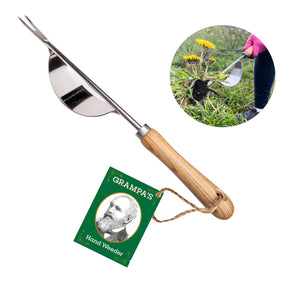
Credit: grampasweeder.com
Common Criticisms
The Claw Garden Tool has sparked debate among gardening enthusiasts. Some users praise its unique design and functionality. Yet, others voice concerns about its effectiveness and reliability. Understanding these criticisms can help gardeners make informed decisions.
Durability Concerns
Many users question the durability of the Claw Garden Tool. Some find the tool’s materials less robust than expected. There are reports of handles bending or breaking under pressure. Frequent use can exacerbate wear and tear. This leads to frustration for those seeking long-lasting garden tools.
Performance Limitations
Some gardeners find the Claw Garden Tool lacking in performance. It’s often compared to traditional tools with stronger capabilities. Users mention difficulty in handling dense or rocky soil. The tool’s effectiveness might vary depending on soil type. This can limit its versatility in different gardening environments.
User Feedback And Experiences
User feedback on the Claw Garden Tool is mixed. Positive reviews highlight its ease of use and lightweight design. Negative experiences focus on issues with durability and performance. Many users share stories of disappointment after high expectations. These varied experiences reflect the diverse needs of gardeners.
Alternatives To Claw Tools
While claw garden tools are popular, they may not suit every gardener’s needs. Some find them uncomfortable or less effective in certain tasks. Exploring alternatives can help achieve better gardening results. Consider other tools that might fit your gardening style.
Traditional Gardening Tools
Traditional gardening tools have stood the test of time. Many gardeners rely on them for their simplicity and effectiveness. Here are a few common ones:
- Spade:A spade is perfect for digging and moving soil.
- Hoe:A hoe helps in removing weeds and shaping soil.
- Rake:Use a rake for leveling soil and clearing debris.
These tools offer control and precision. They are ideal for those who prefer manual gardening methods.
Modern Innovations
Modern gardening tools bring new solutions to old problems. These innovations can save time and effort:
- Electric Tiller:It breaks up soil quickly and efficiently.
- Battery-Powered Weeder:This tool targets weeds with ease.
- Ergonomic Hand Tools:Designed to reduce strain and improve grip.
These tools cater to tech-savvy gardeners. They combine technology with traditional gardening practices.
Comparative Analysis
Comparing traditional and modern tools helps in making informed choices. Traditional tools are durable and reliable. They require physical effort but offer precision.
Modern tools provide ease and speed. They often need power sources, which might limit their use.
Choose based on your garden’s needs and your personal preference. Each tool has its own advantages. Understanding them helps in achieving gardening success.
Expert Opinions
Expert gardeners often debate the effectiveness of the claw garden tool. Some find it less efficient in compact soil. Others appreciate its ease of use for small tasks.
Understanding the merits and drawbacks of the claw garden tool requires insights from those who know it best—experts. These insights can help you determine whether this tool deserves a spot in your gardening arsenal. Let’s delve into the perspectives of gardening professionals, tool manufacturers, and environmental advocates.Gardening Professionals
Gardening professionals often have mixed feelings about the claw garden tool. Some praise its ability to aerate soil efficiently, making it ideal for smaller gardens where space is a premium. Yet, others question its effectiveness in larger areas, pointing out that it might not replace more robust equipment. You might wonder if this tool is the right fit for your garden. Consider how often you need to break up compacted soil. If it’s a frequent task, the claw tool could be a handy addition.Tool Manufacturers
Tool manufacturers, on the other hand, highlight the innovation behind the claw garden tool. They emphasize its ergonomic design that reduces strain on your hands and wrists. This is particularly appealing if you’ve experienced discomfort using traditional spades or forks. However, manufacturers are also quick to address the limitations. Some models might not withstand heavy-duty tasks, which may require you to invest in more durable alternatives. It’s crucial to evaluate the range of models available and choose one that suits your gardening needs.Environmental Impact
From an environmental standpoint, the claw tool presents an interesting dilemma. On one hand, it promotes a chemical-free approach to soil aeration, which is a win for eco-friendly gardening practices. This can be a deciding factor if you’re committed to reducing your carbon footprint. Yet, concerns linger about the materials used in the tool’s construction. Are they sustainable? Are they recyclable? These are valid questions to ask, especially if you’re aiming for a garden that aligns with green principles. As you weigh these expert opinions, think about what matters most in your gardening journey. Does efficiency trump sustainability? Or do you prioritize comfort and ease of use? The answers will guide you in making an informed decision.Making An Informed Choice
Making an informed choice about garden tools is crucial. The claw garden tool is popular among gardeners. But is it the right fit for everyone? Let’s explore how to make a smart decision.
Assessing Personal Needs
Start by thinking about your garden’s size and type. Is your garden large or small? Do you have flower beds or vegetable patches? These details matter. A claw tool is great for loosening soil and removing weeds. But it might not be necessary for all gardens. Consider your physical strength and comfort, too. The tool should be easy to handle. If it’s heavy or awkward, it may not be the best choice.
Evaluating Cost Vs. Benefit
Cost is another important factor. Claw garden tools come in various price ranges. A higher price doesn’t always mean better quality. Compare the features and materials. Stainless steel tools last longer. But plastic might be cheaper and easier to use. Think about how often you will use the tool. For frequent gardeners, investing in a durable tool makes sense. For occasional use, a basic model might be enough.
Recommendations For Purchase
Research before buying. Read reviews and ask fellow gardeners for advice. Visit local stores to test tools. Online reviews provide insights from other users. Look for tools with ergonomic designs. They reduce strain and improve comfort. Consider brands known for quality and reliability. A good warranty can be a sign of a trustworthy product. Finally, make sure the tool suits your specific needs.

Credit: www.lowes.com

Credit: www.lowes.com
Frequently Asked Questions
What Are The Disadvantages Of Claw Garden Tools?
Claw garden tools can be challenging for precision tasks. They may cause strain if used excessively. The sharp claws can damage delicate plants. Not suitable for heavy-duty digging or large gardens. Some users find them uncomfortable for prolonged use.
Are Claw Garden Tools Harmful To Plants?
Claw garden tools can harm plants if used carelessly. Their sharp claws may damage roots or stems. It’s crucial to use them gently around plants. Proper technique minimizes risk to plant health. Always assess plant fragility before using claw tools.
Can Claw Garden Tools Cause Hand Strain?
Yes, claw garden tools can cause hand strain with prolonged use. Their design may not support ergonomic handling. Repetitive motion may lead to discomfort. Choosing tools with ergonomic grips can help. Regular breaks and proper technique reduce strain.
Are Claw Tools Less Efficient For Large Gardens?
Claw tools are less efficient for large gardens due to their size. They work best for small areas and detail tasks. Larger gardens require more robust tools for quick progress. Efficiency decreases in expansive spaces. Consider garden size when selecting tools.
Conclusion
The claw garden tool has its pros and cons. It’s handy for small tasks. Its design helps in tight spots. Some users find it tiring for big jobs. It may not suit everyone. Choosing depends on your garden size. Also, your personal preference matters.
Some prefer traditional tools. Others like modern gadgets. Consider your needs before buying. Always test a tool if possible. Comfort and efficiency are key. Your garden deserves the best care. So, pick wisely. Your choice impacts your gardening experience.







