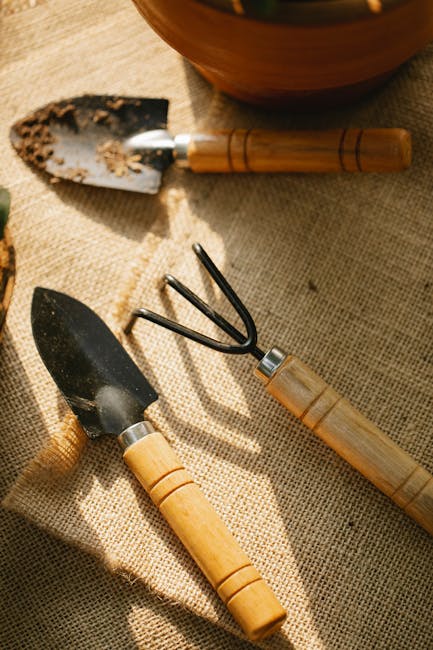
Imagine picking up your favorite garden tool and feeling the smooth, sturdy handle in your grip. It’s as if it’s an extension of your own hand, ready to tackle any task.
But what if the handle starts to feel rough or even splintery? Suddenly, your once-reliable tool isn’t quite so comfortable to use. That’s where linseed oil comes into play. You might have heard about it as a remedy to breathe new life into worn-out wood, but is it really good for your garden tool handles?
By the end of this article, you’ll discover the answer and learn how linseed oil could become your garden tool’s best friend. Prepare to explore the simple yet effective way to enhance both the longevity and the comfort of your garden tools.

Credit: www.instagram.com
Benefits Of Linseed Oil
Linseed oil offers excellent protection for garden tool handles. It prevents cracking and adds a smooth finish. This natural oil also increases the lifespan of wooden handles by repelling moisture effectively.
Linseed oil has been used for centuries to protect wood. It is a natural choice for garden tool handles. This oil offers several benefits that help maintain and improve the quality of wooden handles.Natural Preservation Qualities
Linseed oil penetrates deep into the wood. It nourishes and seals the fibers. This natural preservation keeps the wood from drying out. It also prevents cracks and splits. Regular application extends the lifespan of your garden tools.Water Resistance
One of the key benefits is its water resistance. Linseed oil forms a protective layer. This layer repels water, keeping the wood dry. Wooden handles become less prone to rot and decay. This means they can withstand rainy weather.Enhanced Grip
Linseed oil improves grip on tool handles. It makes the surface smooth but not slippery. This gives you better control while using tools. The enhanced grip reduces the risk of accidents. You can work safely and efficiently in the garden.Application Process
Applying linseed oil to garden tool handles can enhance durability and grip. First, clean handles thoroughly, removing dirt and debris. Next, use a cloth to apply a thin layer of oil evenly, letting it soak in before wiping off excess.
Regular application maintains wood condition and prolongs tool life.
Applying linseed oil to garden tool handles not only extends their lifespan but also makes them more comfortable to use. The process is simple and can be completed in a few easy steps. Whether you’re a gardening novice or a seasoned pro, taking the time to care for your tools can make a noticeable difference in your gardening experience. Let’s dive into the application process to ensure your garden tools are in top-notch condition.Preparation Of Tool Handles
Before applying linseed oil, ensure the tool handles are clean and free from dirt or debris. Use a damp cloth to wipe them down, removing any soil or grime. If the handles are rough, consider sanding them with fine-grit sandpaper. This creates a smooth surface for the oil to penetrate effectively. Inspect the handles for any cracks or splinters. Address these issues first to ensure the linseed oil can perform optimally.Applying Linseed Oil
Pour a small amount of linseed oil onto a clean cloth or directly onto the handle. A little goes a long way, so start with a conservative amount. Rub the oil into the wood in a circular motion, allowing it to seep into the grain. Make sure the entire handle is evenly coated. Repeat the process if necessary, particularly for older or more porous wood. This will ensure maximum protection and nourishment.Drying And Maintenance
Allow the oiled handles to dry for at least 24 hours in a well-ventilated area. This ensures the oil fully absorbs and the handles aren’t sticky. Consider applying a second coat for added protection, especially if the wood appears dry after the first application. Regular maintenance is key. Reapply linseed oil every few months to keep your tools in pristine condition. This small effort can greatly extend their usability and comfort. Have you noticed a difference in your gardening tools after using linseed oil? This simple yet effective treatment can transform your gardening experience, making it more enjoyable and productive.Comparing Linseed Oil With Alternatives
Linseed oil offers great protection for garden tool handles, enhancing durability. Alternatives like tung oil or mineral oil also provide moisture resistance. Choose based on availability and personal preference.
Comparing different oils and finishes for garden tool handles can feel overwhelming. Linseed oil is a popular choice, but it’s not the only option. Let’s explore how it stands against other alternatives like tung oil, varnish, and synthetic finishes. Each has its pros and cons, and understanding them can help you make an informed decision for your garden tools.Tung Oil
Tung oil is a reliable alternative to linseed oil. It penetrates deeply into the wood, providing a robust and water-resistant finish. Many woodworkers appreciate its natural look, which enhances the grain of the wood beautifully. Applying tung oil can be a bit time-consuming, as it requires several coats with drying time in between. However, the effort pays off with a durable finish. If you’re aiming for a natural and protective coating, tung oil might just be your go-to choice.Varnish
Varnish offers a glossy finish that some gardeners prefer for their tool handles. It’s known for its excellent protective qualities against moisture and wear. Varnish can shield your tools from the elements, making them last longer. The downside? It can be tricky to apply evenly, and it might not penetrate as deeply as oils. Are you willing to trade a bit of natural feel for added durability? If so, varnish could be worth considering.Synthetic Finishes
Synthetic finishes like polyurethane provide a hard, plastic-like coating. They are incredibly durable and resistant to scratches and moisture. This makes them a popular choice for those looking for long-lasting protection. However, synthetic finishes can alter the feel of the wood, making it less natural. If you prefer a more tactile connection with your tools, this might not be the best option. Still, for sheer durability, synthetic finishes are hard to beat. Ultimately, the choice comes down to your priorities. Do you value natural aesthetics, or is durability your main concern? Each option has unique benefits that cater to different needs. Choose the one that aligns with how you use and care for your tools.
Credit: theprudentgarden.com
Safety Considerations
Applying linseed oil to garden tool handles can significantly enhance their longevity and your grip comfort. However, it’s crucial to consider safety aspects before you proceed. Ensuring safe handling and understanding the environmental implications can make your decision more informed and responsible.
Handling Precautions
Linseed oil is generally safe, but it can be flammable. You need to store it away from heat sources and direct sunlight. When using the oil, ensure your workspace is well-ventilated to avoid inhaling fumes, which can be irritating.
Consider wearing gloves to protect your skin, especially if you’re prone to allergies. If you spill any oil, clean it up promptly to prevent slick surfaces that could lead to accidents. Have you ever wondered how a simple oil can ignite? It’s not the oil itself but the residue-soaked rags that pose a risk. Dispose of them in a sealed container to prevent spontaneous combustion.
Environmental Impact
Linseed oil is derived from flax seeds, making it a natural and biodegradable choice. Unlike synthetic treatments, linseed oil doesn’t release harmful chemicals, making it safer for the environment.
However, it’s essential to be mindful of its disposal. If you’re left with excess oil, consider sharing it with fellow gardeners rather than dumping it. This small act can prevent soil and water contamination. Have you ever thought about how your gardening choices impact the environment? Every decision counts, even the oil you use for your tools.
Expert Opinions
Linseed oil is praised for its ability to protect and preserve wooden garden tool handles. Experts highlight its natural properties that enhance durability and provide a smooth grip. Regular application can keep tools in top condition, extending their lifespan significantly.
When it comes to maintaining your garden tools, applying linseed oil to the handles is a topic that often sparks debate. Some experts swear by it, while others remain skeptical. Let’s delve into the insights from both tool enthusiasts and craftsmen to help you decide if this is the right choice for your garden tools.Tool Enthusiasts
Many garden tool enthusiasts believe that linseed oil is a must-have for maintaining wooden tool handles. They argue that it enhances the durability and longevity of the tools. Imagine spending a sunny afternoon in your garden, only to have your favorite shovel’s handle snap. It’s frustrating, right? By applying linseed oil, these enthusiasts claim you can prevent such mishaps. The oil penetrates the wood, keeping it from drying out and cracking. This simple step could mean the difference between a broken handle and a tool that lasts for years.Craftsmen Experiences
Craftsmen, who often work with wood, offer a practical perspective on using linseed oil. Many have found it to be an effective method to protect and beautify wooden surfaces. One craftsman shared a story of how his grandfather passed down a set of tools, each handle gleaming with years of linseed oil treatment. He explained that linseed oil not only preserves the wood but also gives it a rich, polished appearance. This aesthetic appeal is a bonus for those who take pride in their tools. However, some craftsmen caution that linseed oil can become sticky if not applied correctly. They suggest applying thin coats and allowing ample time for drying to avoid this issue. With these expert opinions in mind, are you ready to try linseed oil on your garden tool handles?Credit: www.woodworkingtalk.com
Frequently Asked Questions
Why Use Linseed Oil On Tool Handles?
Linseed oil protects wooden handles from moisture and wear. It enhances grip and prevents splintering, ensuring durability. Regular application preserves the wood’s natural beauty and prolongs tool life.
How Often Should Linseed Oil Be Applied?
Apply linseed oil every few months or when handles appear dry. Frequent use depends on exposure to weather conditions and frequency of tool use.
Is Linseed Oil Safe For Garden Tools?
Yes, linseed oil is safe for garden tools. It is non-toxic and environmentally friendly, making it ideal for outdoor use.
Can Linseed Oil Prevent Tool Rust?
Linseed oil primarily protects wood, not metal. However, it helps prevent moisture from reaching metal parts, reducing rust risk.
Conclusion
Linseed oil benefits garden tool handles. It enhances grip and durability. The oil penetrates wood easily. This keeps handles from drying and cracking. Natural protection from weather elements. Easy application process. Just a cloth or brush needed. Economical choice for tool maintenance.
No harsh chemicals involved. Regular use improves tool lifespan. A simple way to care for tools. Linseed oil supports environmental sustainability. Make your gardening easier and safer. Choose linseed oil for happy tools. Keep garden tasks efficient and comfortable. Your garden tools deserve the best care.







