
Imagine transforming a corner of your home into a lush, green sanctuary. An indoor garden can be your personal oasis, offering tranquility, beauty, and even fresh herbs or vegetables right at your fingertips.
But amidst all the excitement, a question pops up: is your indoor garden safe? As you delve into nurturing your indoor plants, it’s crucial to ensure that your home remains a healthy environment for you and your loved ones. From choosing non-toxic plants to understanding soil and air quality, there are several factors to consider.
We will explore the safety aspects of indoor gardening, providing you with valuable insights to keep your green paradise secure and thriving. Don’t miss out on discovering how you can enjoy your indoor garden worry-free!
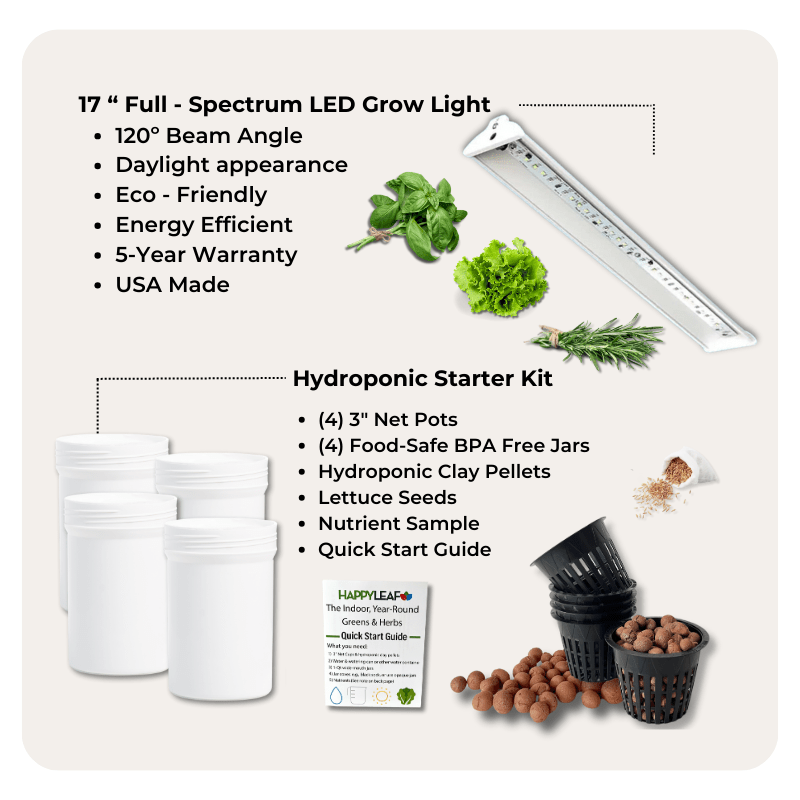
Credit: happyleafledgrowlights.com
Benefits Of Indoor Gardening
Indoor gardening offers a safe, calming environment. Plants purify the air, reducing toxins indoors. This enhances well-being, making indoor spaces healthier.
Indoor gardening offers numerous benefits that enhance your living space. It provides a soothing environment, improves air quality, and adds beauty to any room. These benefits make indoor gardening a rewarding hobby and a health booster.Enhanced Air Quality
Plants act as natural air purifiers. They absorb carbon dioxide and release oxygen, making your indoor air fresher. Some plants also remove toxins from the air. This can reduce pollutants in your home. Cleaner air leads to better respiratory health. It’s especially beneficial in urban areas with high pollution levels.Stress Reduction
Gardening has a calming effect on the mind. Tending to plants can lower stress and anxiety. It encourages mindfulness and relaxation. The act of watering or pruning can be meditative. Connecting with nature indoors can promote mental well-being. It offers a peaceful retreat from daily pressures.Improved Aesthetics
Indoor plants enhance the visual appeal of any space. They add color and texture to your home decor. Plants can complement various design styles. From modern to rustic, they fit seamlessly. A well-placed plant can transform a dull corner. It brings life and vibrancy to your interiors.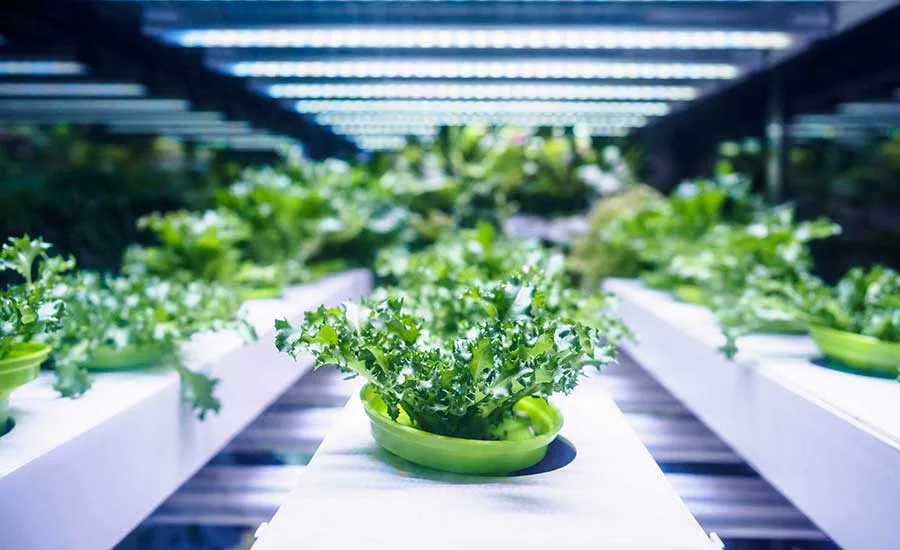
Credit: www.food-safety.com
Potential Risks
Indoor gardening offers joy and beauty, but consider potential risks. Understanding these risks helps keep your home safe and healthy. Let’s explore some common concerns associated with indoor gardening.
Allergen Exposure
Plants can release pollen and other allergens indoors. Sensitive individuals may experience sneezing, itching, or watery eyes. Choose plants known for low allergen levels. Regularly dust your plants to minimize allergens. Proper ventilation can also reduce pollen buildup.
Mold And Mildew Growth
Overwatering plants can lead to mold and mildew. These fungi thrive in moist conditions. Mold spores can cause respiratory issues. Ensure good air circulation around your plants. Use well-draining pots and avoid water accumulation. Check soil moisture before watering again.
Pet And Child Safety Concerns
Some plants can be toxic to pets and children. Ingesting certain plants may lead to illness. Research plant toxicity before adding them to your garden. Place plants out of reach from curious pets and kids. Secure larger plants to prevent tipping hazards.
Plant Selection Tips
Creating an indoor garden can be a delightful endeavor, adding a touch of nature to your living space. However, selecting the right plants is crucial not only for aesthetics but also for ensuring safety and ease of maintenance. Here are some practical tips to help you make the best choices for your indoor garden.
Low-allergy Options
If you or your family members are prone to allergies, consider plants that produce minimal pollen. Opt for greenery like ferns or palms, which are generally allergy-friendly. You’ll be able to enjoy the beauty of nature without the discomfort of sneezing fits.
Additionally, snake plants and spider plants are excellent choices. They not only have low allergen potential but also help purify the air, making your indoor environment healthier. Isn’t it great to have plants that both look good and are good for you?
Non-toxic Varieties
Safety is paramount, especially if you have pets or small children around. Choose non-toxic plants to prevent any accidental ingestion mishaps. Consider options like the Boston fern or the bamboo palm, which are safe for everyone.
It’s fascinating how certain plants can be beautiful yet harmful if ingested. To avoid this risk, always check the toxicity level of any plant before bringing it home. Would you rather be safe than sorry?
Easy Maintenance Choices
Not all of us have a green thumb, but that doesn’t mean we can’t enjoy indoor plants. Look for low-maintenance varieties such as succulents, which require minimal watering and care. These hardy plants can thrive even if you occasionally forget about them.
Peace lilies are another great choice for busy people. They are forgiving and bounce back from neglect with a little watering and attention. Isn’t it wonderful to have plants that fit seamlessly into your lifestyle?
Choosing the right plants can transform your indoor garden into a safe and serene space. What will your next plant selection be?
Maintenance Best Practices
Indoor gardens can be safe with proper care. Ensure good ventilation and monitor humidity levels. Regular checks prevent mold and pest issues.
Maintaining an indoor garden is a rewarding endeavor, but it requires a certain level of care to ensure your plants thrive and your space remains safe. By adopting best practices in maintenance, you can create a healthy environment for your indoor garden while keeping it safe for everyone in your home. Let’s delve into some crucial aspects of indoor garden maintenance.Proper Watering Techniques
Watering your indoor plants might seem straightforward, but mastering this skill is essential. Many gardeners, myself included, have learned the hard way that overwatering can lead to root rot and other issues. It’s crucial to understand the specific water needs of each plant. Use pots with drainage holes to prevent water buildup. Allow the soil to dry out between watering sessions for most houseplants. Consider using a moisture meter to avoid guesswork. This tool can be a game-changer, ensuring you give your plants just the right amount of water.Regular Cleaning And Inspection
Keeping your indoor garden clean is not just about aesthetics; it’s about plant health. Dusty leaves can hinder photosynthesis, affecting plant growth. Set a schedule to wipe down leaves gently with a damp cloth. Regularly inspect your plants for signs of pests or disease. Catching issues early can prevent them from spreading. Be proactive—think of it as a weekly check-up for your plants, much like you would for a pet.Humidity Control
Indoor humidity levels can make or break your garden’s success. Many houseplants thrive in humidity levels between 40% and 60%. If your home is too dry, consider using a humidifier or placing a tray of water near your plants. Grouping plants together can naturally increase humidity. Monitor humidity levels with a hygrometer; this small investment can significantly enhance your gardening experience. Have you ever noticed drooping or browning leaves? It might be a humidity issue. Adjusting the environment could be the simple fix you need.Safety Measures
Indoor gardens can be safe with proper safety measures. Ensure plants are non-toxic and avoid sharp tools within reach. Regularly check for mold and maintain good ventilation to prevent health issues.
Indoor gardening is a delightful hobby. It brings nature indoors and brightens spaces. But safety is key. Ensuring your indoor garden is safe requires attention to detail. Implementing safety measures protects children, pets, and yourself.Childproofing Indoor Gardens
Children are curious by nature. They love to explore their environment. Ensure plants are out of reach. Use shelves or hanging planters. Avoid placing plants on low tables. Choose non-toxic plant varieties. Keep small objects away. Secure pots to prevent tipping. Use barriers like safety gates if needed.Pet-safe Gardening Strategies
Pets can be playful and inquisitive. Select pet-friendly plants. Avoid toxic varieties like lilies or poinsettias. Keep plants off the ground. Use high shelves or hanging baskets. Secure plant pots to prevent spills. Consider cat grass or pet-safe herbs. These can distract pets from other plants.Handling Pesticides And Chemicals
Pesticides can be harmful if mishandled. Always read the label instructions. Use organic or natural options if possible. Store chemicals in a secure place. Keep them out of children’s and pets’ reach. Wear gloves when applying pesticides. Ensure good ventilation in the room. Clean any spills immediately.
Credit: www.vertaair.com
Community Insights
Indoor gardens offer a safe and healthy way to enjoy nature indoors. They improve air quality and provide a peaceful environment. With proper care and attention, indoor gardening can be a rewarding and safe hobby for all ages.
Community Insights offer valuable perspectives on the safety of indoor gardening. Many people share their experiences and knowledge. These insights help others feel confident and informed.Testimonials From Indoor Gardeners
Indoor gardeners often share positive experiences. Many find indoor gardening safe and rewarding. One gardener said their plants thrived and improved their home’s air quality. Another shared that their children love helping with the plants. This interaction creates a learning environment. Several gardeners reported feeling more relaxed. They enjoy the calming effect of tending to plants. A few noted how plants brighten their living spaces. These testimonials highlight the benefits and safety of indoor gardening.Expert Opinions On Safety
Experts generally agree that indoor gardening is safe. Environmental scientists endorse indoor plants. They say plants purify the air by absorbing pollutants. Botanists suggest choosing non-toxic plants. This ensures safety, especially for homes with pets and children. Horticulturists recommend proper plant care. They advise monitoring moisture levels to avoid mold. Safety experts advise using natural pest control methods. This prevents harmful chemicals in the home. Overall, expert opinions support the safety of indoor gardening.Frequently Asked Questions
Are Indoor Plants Safe For Pets?
Indoor plants can be safe for pets, but some may be toxic. It’s important to research plant species before introducing them to your home. Choose pet-friendly plants like spider plants or areca palms to ensure a safe environment for your furry friends.
Can Indoor Gardens Cause Mold Growth?
Indoor gardens can cause mold growth if not managed properly. Ensure proper ventilation and avoid overwatering to prevent mold. Regularly check for excess moisture and ensure adequate air circulation to keep your indoor garden mold-free.
Do Indoor Gardens Attract Bugs?
Indoor gardens can attract bugs, but preventive measures help. Keep your plants clean, remove dead leaves, and check for pests regularly. Using natural repellents and maintaining cleanliness will minimize bug attraction in your indoor garden.
How Do Indoor Plants Affect Air Quality?
Indoor plants improve air quality by filtering pollutants and releasing oxygen. They can reduce toxins, enhance humidity, and promote healthier indoor environments. Choose plants known for purifying air, like peace lilies or snake plants, for maximum benefits.
Conclusion
Indoor gardens can be a safe, delightful hobby. They offer fresh air and beauty. With proper care, plants thrive indoors. Be mindful of plant types around pets. Some might be harmful. Regular maintenance helps prevent pests and mold. Choose the right spot with good light.
Water them correctly. Enjoy the peace plants bring to your home. Remember, a little research goes a long way. Create a green sanctuary safely. Enjoy your indoor garden adventure! It’s a rewarding, calming experience. Perfect for any home.







