
Imagine filling your home with lush, thriving plants, each one a testament to your green thumb and nurturing care. But as you seek new ways to boost the health of your indoor garden, a question arises: is garden inoculant toxic to indoor plants?
You’re not alone in wondering if this powerful gardening aid could have adverse effects indoors. It’s crucial to ensure that your choice promotes growth without risking the wellbeing of your cherished plants. We’ll dive deep into the world of garden inoculants, exploring their benefits and potential risks.
You’ll discover how to make informed decisions that keep your indoor oasis flourishing. Get ready to unlock the secrets to maintaining vibrant, healthy plants in your home.
Garden Inoculants: An Overview
Garden inoculants are generally safe for indoor plants, promoting growth without toxicity. They enhance soil with beneficial microbes. Always ensure proper usage according to guidelines.
Garden inoculants have gained popularity among avid gardeners and plant enthusiasts due to their potential benefits in boosting soil health and plant growth. But what are they, and are they safe for your indoor plants? Understanding garden inoculants can help you make informed decisions about their use, both outdoors and inside your home.What Are Garden Inoculants?
Garden inoculants are natural or synthetic substances that introduce beneficial microorganisms into the soil. These microorganisms, such as bacteria and fungi, form symbiotic relationships with plants, enhancing nutrient uptake and promoting healthier growth.Benefits Of Using Garden Inoculants
The primary advantage of using garden inoculants is their ability to improve soil fertility. They make essential nutrients more accessible to plants, leading to robust growth and higher yields. They also help in disease prevention by outcompeting harmful pathogens. This biological competition reduces the need for chemical pesticides, contributing to a healthier environment.Are Garden Inoculants Safe For Indoor Plants?
The safety of garden inoculants for indoor plants largely depends on the specific product and its formulation. Most commercially available inoculants are safe and non-toxic when used as directed. However, it’s essential to check the label for any warnings or specific instructions. Consider the environment where your indoor plants reside. If you have pets or small children, ensure the inoculant is safe for them as well.How To Apply Garden Inoculants To Indoor Plants
Application methods can vary, but typically, you mix the inoculant with water and apply it directly to the soil. Some products come in granular form, which you can sprinkle around the plant base. For best results, apply inoculants during the growing season when plants are actively taking up nutrients. Always follow the manufacturer’s guidelines to avoid over-application.Personal Experience With Garden Inoculants
I once hesitated to use garden inoculants indoors, fearing they might harm my beloved peace lilies. But after researching and carefully choosing a product, I noticed a significant improvement in their growth and vitality. This personal success story reinforces the potential of garden inoculants when used thoughtfully. Have you tried them with your indoor plants? If not, it might be time to explore their benefits. Are you ready to give your indoor garden a natural boost? Understanding and using garden inoculants could be the key to healthier, happier plants.Composition Of Garden Inoculants
Garden inoculants contain beneficial microbes that enhance plant growth. These substances are generally safe for indoor plants. They improve soil health without being toxic, ensuring a thriving indoor garden environment.
Composition of Garden Inoculants Garden inoculants are like the secret sauce for boosting plant growth by introducing beneficial microorganisms to the soil. These inoculants are generally composed of live bacteria and fungi that work wonders for plant health. But what exactly goes into these garden boosters, and is it safe for your indoor plants?Beneficial Microorganisms
At the heart of any garden inoculant are beneficial microorganisms. These include various strains of bacteria and fungi that form symbiotic relationships with plants. For instance, Rhizobium bacteria are known to fix nitrogen, providing essential nutrients for plant growth. Mycorrhizal fungi are another common component. These fungi enhance the plant’s ability to absorb water and nutrients, acting as an extension of the root system. Imagine your plants having a bigger, more efficient root network just by adding a bit of inoculant.Potential Additives
In addition to microorganisms, some garden inoculants may contain additives. These can include organic materials like kelp or humic acid that further support plant health. They act as a food source for the microbes, ensuring they thrive and do their job effectively. However, it’s essential to read the labels. Some inoculants might include preservatives or other chemicals that could be harmful in high concentrations. When using these products indoors, you want to be sure they won’t harm the delicate ecosystem of your indoor garden. Are you considering using a garden inoculant for your indoor plants? It’s crucial to understand its composition. Knowing what’s in your garden inoculant can make all the difference in ensuring your indoor plants thrive safely.Indoor Plant Compatibility
Is your indoor plant struggling despite your best efforts? You may have heard about garden inoculants and wondered if they could be the secret to your plant’s success. Understanding how these inoculants interact with your indoor greenery is crucial. Let’s dive into whether garden inoculants are compatible with indoor plants.
Common Indoor Plant Needs
Indoor plants often require a specific set of conditions to thrive. They crave consistent light, proper watering, and nutrient-rich soil. Unlike outdoor plants, indoor varieties are sheltered from natural elements and rely heavily on you to meet their needs. Consider the light exposure in your home. Is it bright and airy or does it mimic a cozy cave? Understanding your plant’s light preference is essential.
Watering is another critical component. Do you tend to overwater or forget altogether? Striking a balance can be tricky, but it’s vital for plant health. Some plants, like succulents, require minimal watering, while others demand more frequent attention. Be mindful of your plant’s unique requirements.
Suitability Of Inoculants
Garden inoculants could be beneficial for your indoor plants, but it’s important to assess their suitability. These products introduce beneficial microbes into the soil, potentially enhancing nutrient uptake and improving plant health. However, not all indoor plants may respond positively to inoculants.
Before adding inoculants, consider the plant species. Some indoor plants thrive in sterile conditions and may not benefit from these additions. Others, like ferns and tropical plants, might welcome the extra microbial support. Research or consult with a local plant expert to determine the best approach for your specific plant.
Have you tried garden inoculants with your indoor plants? Share your experiences in the comments below. Your insights could be invaluable to fellow plant enthusiasts!

Credit: www.facebook.com
Toxicity Concerns
Understanding the potential toxicity of garden inoculants is crucial for indoor plants. Garden inoculants are generally beneficial for outdoor gardens. But their use indoors raises specific concerns. Let’s delve into these toxicity concerns.
Chemical Components
Garden inoculants consist of various microorganisms. These include bacteria and fungi. Some also contain added nutrients and chemicals. The chemical composition varies by brand. Always check the ingredients list. Look for any synthetic additives. These might pose a risk indoors. Natural inoculants are typically safer.
Risk Assessment
Assess the risks before using garden inoculants indoors. Consider the safety of your indoor environment. Pets and small children might be at risk. Inhalation of spores can cause allergies. Ensure proper ventilation during application. Read product labels carefully. Follow all safety guidelines provided by the manufacturer.
Safety Measures
Garden inoculants are typically safe for indoor plants. They enhance plant health without posing toxicity risks. Always check product labels and use as directed for best results.
Safety measures are crucial for using garden inoculants indoors. These products can benefit plants by enhancing growth. Yet, they require careful handling to ensure the safety of both plants and residents.Safe Application Practices
Apply inoculants in well-ventilated areas. This reduces exposure to any airborne particles. Always follow product instructions. Use protective gear like gloves and masks. This prevents skin contact or inhalation. Consider using a dedicated space for application. This minimizes contamination in living areas.Monitoring Plant Health
Check plants regularly for any signs of stress. Look for yellowing leaves or wilting. These may indicate an adverse reaction. Keep an eye on soil conditions. Ensure it remains balanced for healthy plant growth. Record any changes in plant appearance or health. This helps identify potential issues early. If problems arise, consult with a plant specialist. They can offer advice on managing plant health effectively.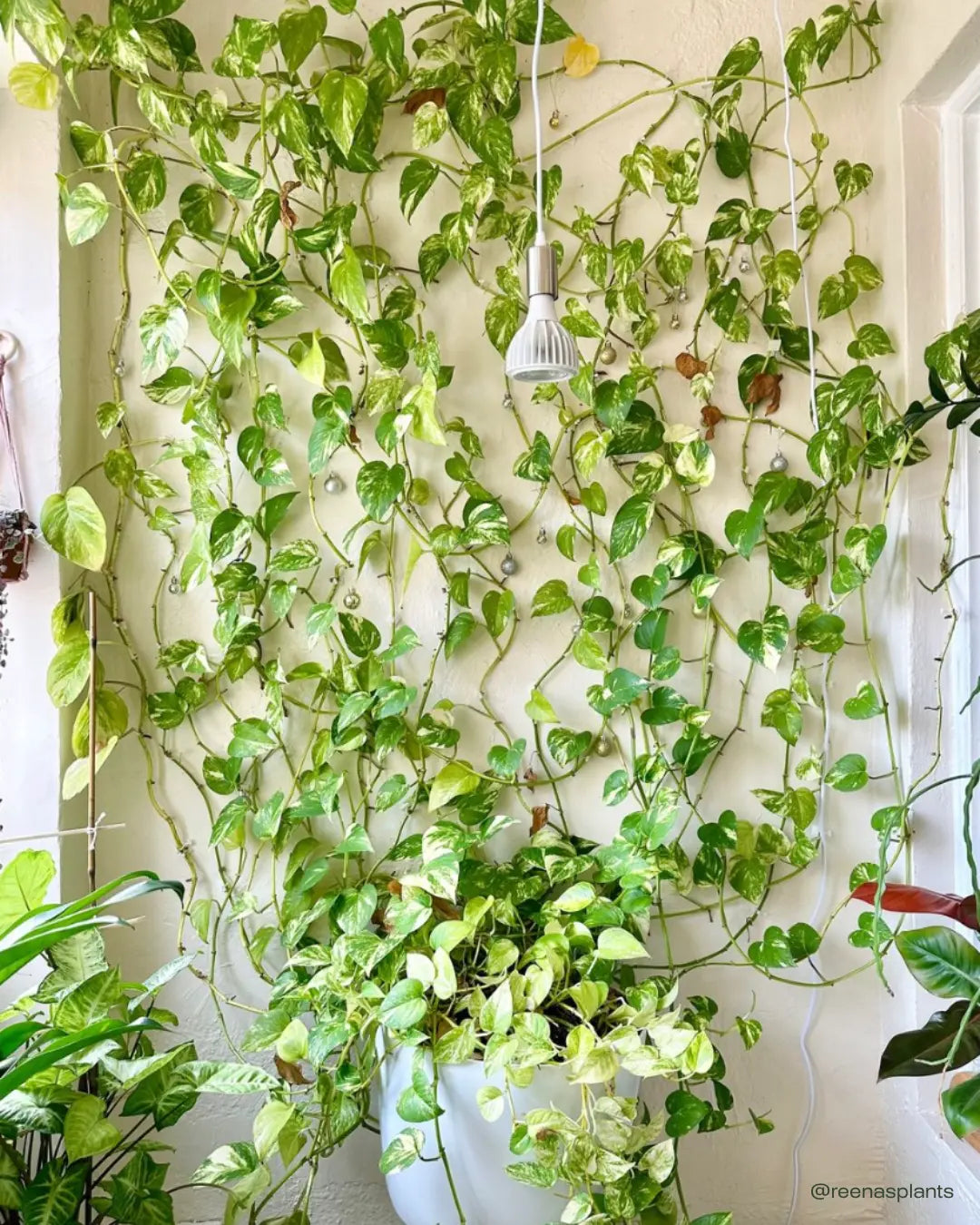
Credit: soltech.com
Alternative Solutions
Exploring alternative solutions for indoor plants is essential. Garden inoculants are generally safe, but it’s wise to check product labels. Consider natural inoculants or consult experts for safety.
Alternative solutions are essential for those worried about garden inoculants indoors. They offer safe ways to nourish plants without harmful chemicals. Home gardeners can explore organic and DIY options. Let’s dive into these solutions.Organic Alternatives
Organic choices are safe and effective. They boost plant health naturally. Try compost tea, a nutrient-rich brew made from compost. It enriches soil and promotes growth. Another option is worm castings. These are natural fertilizers from earthworms. They improve soil structure and add nutrients. Mycorrhizal fungi can also be used. They enhance nutrient absorption in plants. Organic fertilizers like fish emulsion or seaweed extract work well too. They provide essential nutrients without toxins.Diy Options
Creating plant solutions at home is simple. Use kitchen scraps to make fertilizers. Eggshells add calcium to the soil. Coffee grounds improve drainage and add nitrogen. Banana peels provide potassium, promoting strong plant growth. Make a homemade insect spray. Mix water with dish soap and use it on plants. This repels pests naturally. Another DIY trick is using Epsom salts. They help with magnesium deficiency. Just dissolve in water and apply to plants.Expert Opinions
Experts suggest garden inoculants are generally safe for indoor plants. They boost plant health by enhancing soil nutrients. Proper usage and dosage ensure no harm to indoor environments.
Expert opinions shed light on the safety of garden inoculants for indoor plants. Understanding expert views helps clarify concerns about potential toxicity. Experts in horticulture and science provide valuable insights on this topic.Horticulturist Insights
Horticulturists focus on plant health and growth. They emphasize the importance of using safe products. Many horticulturists say garden inoculants are generally safe. They recommend checking product labels for safety information. Experts note that inoculants contain beneficial microbes. These microbes help plants absorb nutrients. When used correctly, they do not harm indoor plants. Some horticulturists advise careful application. They suggest avoiding overuse to prevent potential issues.Scientific Studies
Scientific studies provide evidence on garden inoculants’ effects. Research shows inoculants improve plant health. Studies highlight their role in nutrient absorption. Scientists confirm inoculants contain helpful bacteria and fungi. These microbes contribute to soil health. Research indicates inoculants are non-toxic when used properly. Proper usage ensures indoor plants benefit from inoculants. Scientists recommend following usage guidelines. This minimizes any risk and maximizes benefits.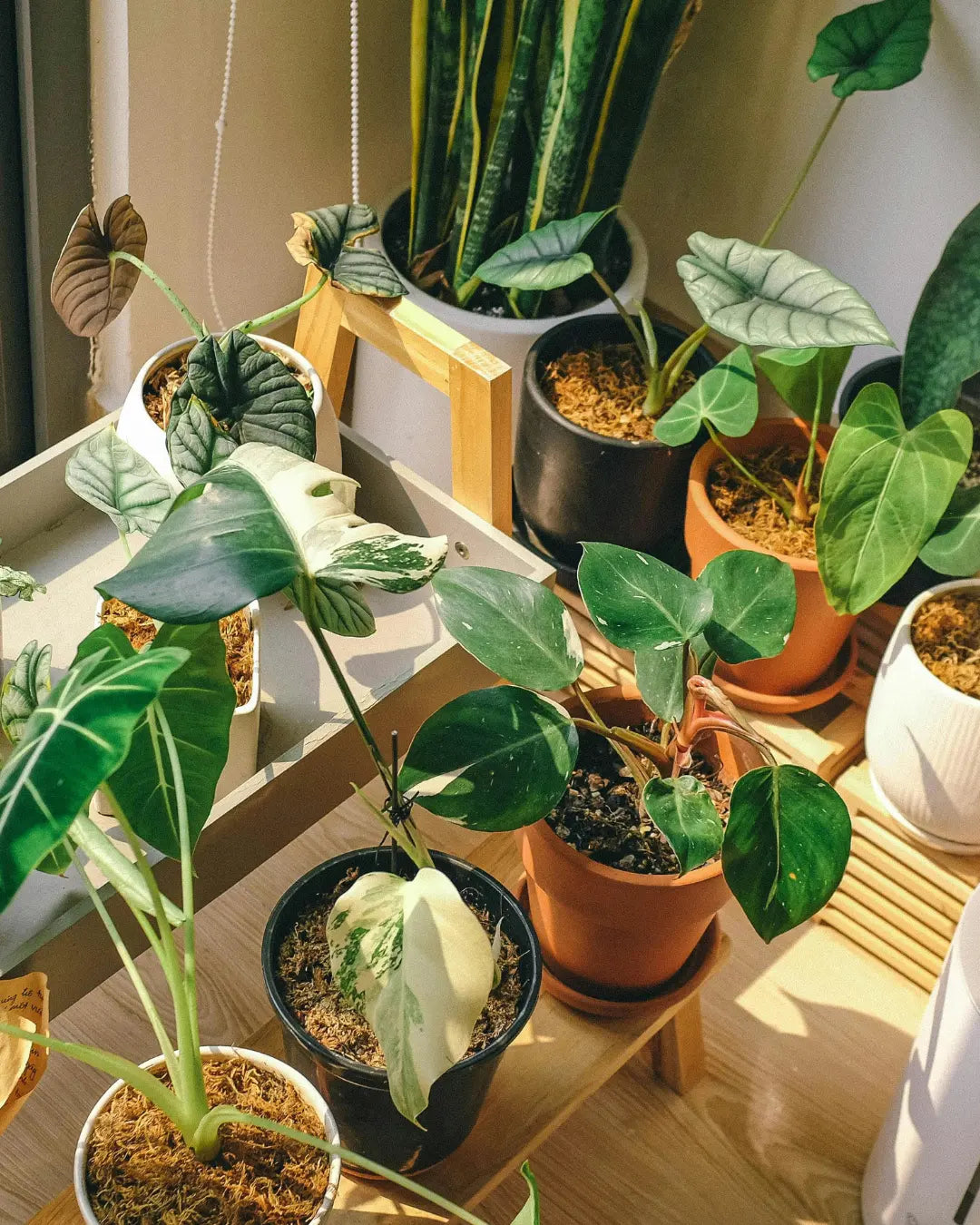
Credit: soltech.com
Frequently Asked Questions
What Is Garden Inoculant?
Garden inoculant is a beneficial microorganism mix. It enhances soil health and plant growth. It aids in nutrient absorption and disease resistance. These microorganisms are harmless to humans and animals. They are used to boost plant health both indoors and outdoors.
Is Garden Inoculant Safe Indoors?
Yes, garden inoculant is safe for indoor plants. It contains beneficial microorganisms that improve plant health. These organisms are non-toxic and environmentally friendly. Using inoculant indoors can enhance nutrient uptake and growth. Always follow application instructions for optimal results.
Can Garden Inoculant Harm Pets?
Garden inoculant is generally safe for pets. It contains non-toxic microorganisms that benefit plant health. Ensure proper storage to prevent pet access. Always follow product guidelines. If concerned, consult a veterinarian for advice. Proper usage ensures safety for both plants and pets.
How To Apply Garden Inoculant Indoors?
Applying garden inoculant indoors is simple. Mix it into potting soil or apply directly to plant roots. Follow package instructions for proper dosage. Ensure even distribution for best results. Regular application can improve plant health and growth. Monitor plants for any changes after application.
Conclusion
Garden inoculants offer benefits for plant growth. They’re not toxic indoors. Simple handling reduces any potential risks. Use gloves while applying. Keep the area well-ventilated. Follow product instructions carefully for best results. Indoor plants thrive with inoculants, enhancing root health.
They boost nutrient absorption and plant vitality. Enjoy healthier, vibrant plants in your home. Ensure proper storage of inoculants. Keep them away from children and pets. Choose quality products from trusted brands. Indoor gardening can be safe and rewarding. Happy planting and enjoy your green space!







