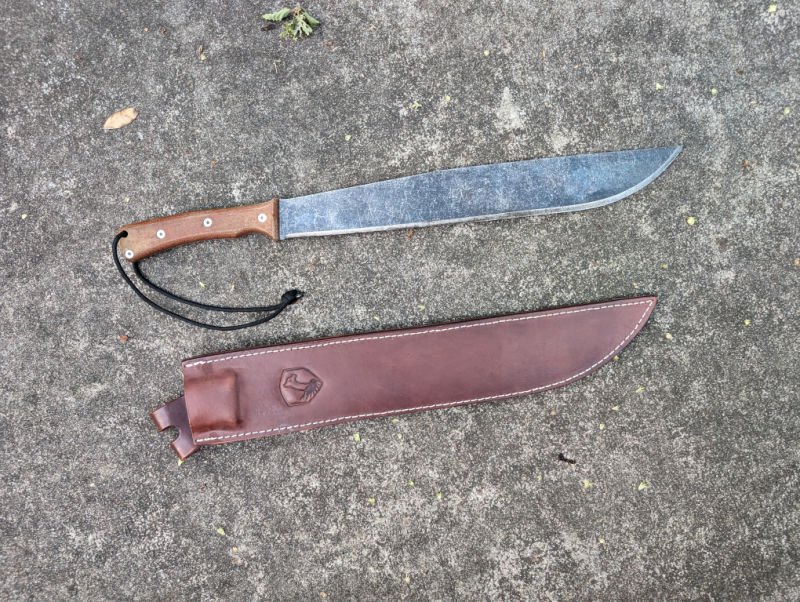
Imagine stepping into your garden, surrounded by overgrown bushes and stubborn weeds that seem to defy all attempts at control. You’re armed with your usual tools, but the task feels overwhelming.
Could there be a secret weapon missing from your arsenal? Have you ever considered a machete as a garden tool? This might sound unconventional, but it’s a question worth exploring. You might think of a machete as something reserved for jungle adventures or survival scenarios, but its potential in the garden is surprisingly effective.
Why struggle with pruning shears and other tools when you could wield the power of a machete to tame your garden? This article will delve into how a machete can transform your gardening experience, saving you time and effort while delivering impressive results. Curious about how this tool could revolutionize your gardening routine? Let’s uncover the truth behind this intriguing possibility and see if it’s the missing piece in your gardening toolkit. Don’t miss out on discovering how this unexpected tool can become your new gardening ally.

Credit: techwriteredc.com
Historical Background
Machetes have roots in agriculture and jungle environments. Originally used for cutting through dense vegetation, they became essential for farming tasks. Over time, their versatility led to their use as a garden tool, ideal for clearing brush and managing overgrown areas.
The machete has been used as a tool for centuries. Its history reveals its transformation from a weapon to an essential gardening tool. It served many purposes across different cultures and regions. Understanding its historical background offers insight into its diverse applications today.Origin Of The Machete
The machete traces back to early civilizations. It was primarily a weapon for protection and hunting. Ancient communities crafted machetes from stone and later from metal. These tools helped in clearing paths and cutting vegetation. They were integral to survival in dense forests and jungles.Influence Of Colonial Expansion
Colonial expansion changed the machete’s use. European settlers introduced it to new territories. It became vital for agricultural development. Colonists relied on machetes for clearing land and planting crops. This broadened its use beyond warfare into farming and gardening.Evolution In Design And Function
The machete evolved over time. Different regions adapted its design for specific needs. In Latin America, it became a staple in sugarcane harvesting. African communities used it for cutting tall grass and preparing fields. These adaptations made it a versatile tool in agriculture.Modern Day Applications
Today, the machete is common in gardens worldwide. Gardeners use it for pruning, trimming, and clearing brush. Its long blade offers efficiency in managing thick vegetation. This historical tool continues to be relevant in modern gardening practices.
Credit: www.amazon.com
Design And Features
A machete might not be the first tool you think of for gardening, but its design and features make it surprisingly versatile. Whether you’re tackling thick vegetation or shaping your shrubs, understanding the machete’s design can enhance your gardening experience. Let’s dive into what makes the machete a unique addition to your garden toolkit.
Blade Characteristics
The blade of a machete is typically long and curved, perfect for slicing through dense foliage with ease. Unlike the straight blades of traditional garden tools, a machete’s curve allows for a sweeping motion that cuts efficiently. This feature is especially useful when trimming tall grass or clearing underbrush.
Blade thickness is another consideration. A thicker blade provides durability for heavy-duty tasks, while a thinner blade offers precision for more delicate work. Choose a blade that matches your gardening needs. A rust-resistant coating is a bonus, ensuring your machete stays sharp through wet conditions.
Handle Design
The handle of a machete is designed for comfort and grip. A well-crafted handle reduces hand fatigue, allowing you to work longer without discomfort. Look for handles made from materials like rubber or wood, which offer both durability and a secure grip.
Some machetes feature ergonomic designs that conform to the hand, enhancing control during use. A good handle design can make all the difference, especially when wielding the tool for extended periods. Consider how the handle feels in your hand—does it offer the right balance and control?
Have you ever tried using a machete in your garden? Its unique design might just surprise you with how effectively it can tackle a variety of gardening tasks.
Traditional Uses
A machete serves as a versatile garden tool, perfect for cutting through thick vegetation. Its sharp blade makes it ideal for clearing brush and trimming plants efficiently. Often used in traditional farming, it helps maintain gardens and landscapes with ease.
Machetes have a rich history and diverse uses. They have been essential in various cultures for centuries. Their versatility makes them ideal for many traditional tasks. Let’s explore some of the traditional uses of machetes.Agricultural Applications
In agriculture, machetes are indispensable tools. Farmers use them to clear brush and weeds. They also help in harvesting crops like sugarcane and corn. The sharp blade cuts through thick stalks effortlessly. This makes the machete a time-saving tool for many farmers. In tropical regions, machetes are crucial for managing dense vegetation. They help farmers maintain their fields and gardens. With a machete, farmers can quickly open paths through thick undergrowth.Cultural Significance
Machetes hold cultural significance in many societies. In some regions, they symbolize strength and self-reliance. They are often passed down through generations as heirlooms. In traditional ceremonies, machetes play symbolic roles. They represent protection and community. In some cultures, machetes are used in crafting and art. They help create wooden sculptures and intricate designs. These cultural uses highlight the machete’s importance beyond practicality. It’s a tool deeply embedded in many traditions and stories.
Credit: techwriteredc.com
Modern Gardening Applications
A machete can be a useful garden tool, especially for clearing overgrown areas. It cuts through thick vegetation efficiently. Many gardeners find it handy for pruning larger branches and plants.
Modern gardening applications have evolved significantly, incorporating innovative tools to enhance efficiency. Among these, the machete has emerged as a versatile tool, proving its utility beyond traditional uses. This section explores how machetes fit into modern gardening tasks, providing practical benefits to enthusiasts and professionals alike.Pruning And Clearing
A machete is effective for pruning dense shrubs. Its sharp blade easily cuts through thick branches, allowing for swift clearing. Gardeners can remove overgrown areas efficiently, promoting healthier plant growth. With precision, a machete trims hedges, ensuring neat and tidy landscapes. This tool is indispensable for clearing fallen leaves and debris, maintaining clean garden spaces.Weeding And Trimming
Machetes excel in removing stubborn weeds. Their sharp edges cut through thick stems and roots effortlessly. This makes them ideal for managing overgrown weed patches. For trimming grass and small plants, machetes offer a quick solution. They help achieve desired shapes and sizes, enhancing the garden’s appearance. The machete’s adaptability makes it a valuable asset for various gardening tasks.Comparative Analysis With Other Tools
Comparing a machete to other garden tools reveals its versatility. It efficiently cuts through dense vegetation and small branches. Other tools often lack this adaptability, making the machete a unique choice for gardeners.
In the world of gardening, choosing the right tool for the job can make all the difference. While the machete is often associated with more rugged tasks, its versatility in the garden shouldn’t be underestimated. To truly understand its value, let’s compare it with other common garden tools.Machete Vs. Axe
An axe is primarily designed for chopping and splitting wood. It’s great for heavy-duty tasks, like breaking down tree trunks or large branches. However, its weight and size can be a drawback for more delicate garden work. A machete, on the other hand, offers a balance of power and precision. It’s lighter, making it easier to handle for longer periods. You can trim branches, clear brush, and even edge garden beds with a machete. Consider how often you’re tackling heavy wood tasks versus lighter, more frequent trimming. Would a machete make those small tasks quicker and more efficient?Machete Vs. Knife
Garden knives are indispensable for more detailed tasks. They’re perfect for pruning, cutting twine, or harvesting vegetables. Their small size makes them easy to maneuver in tight spaces. Yet, when it comes to tasks that require more reach or force, a knife can fall short. This is where a machete shines. Its longer blade allows you to cut through thicker vegetation without getting too close to thorns or irritants. Ask yourself if you frequently find your knife struggling with tougher garden chores. Could a machete provide the extra reach and strength you need? Ultimately, the choice between these tools depends on the specific demands of your garden. Embracing the machete might just transform your gardening routine, offering a new level of efficiency and satisfaction.Safety And Maintenance
A machete can be an invaluable garden tool for cutting through thick vegetation or trimming branches, but it demands respect and diligent care. Proper safety and maintenance practices are crucial to ensure your machete remains a reliable asset rather than a hazard. Let’s delve into handling techniques, sharpening, and care strategies that will keep your machete in top condition.
Proper Handling Techniques
Handling a machete requires mindfulness and precision. Always grip the handle firmly, ensuring your fingers are wrapped securely to avoid slippage. When cutting, maintain a steady stance with your feet apart for balance. Swing with controlled movements rather than forceful swings to ensure accuracy and safety. A useful tip is to always cut away from your body to prevent accidental injuries.
Consider wearing gloves for added protection. They provide a better grip and shield your hands from blisters or cuts. Do you often find yourself rushing through tasks? Pause and remind yourself that hasty movements can lead to accidents. Slow down, focus, and make safety your priority.
Sharpening And Care
A sharp machete not only works more efficiently but also reduces the risk of injury. Dull blades require more force, increasing the chance of slipping. Regularly inspect your machete and sharpen it using a file or sharpening stone. A well-maintained blade cuts smoothly and effortlessly.
After each use, clean your machete to remove sap and debris. This prevents rust and preserves the blade’s integrity. Apply a light coat of oil to the blade to protect it from moisture. Have you ever noticed your machete losing its shine? This simple maintenance routine can restore its gleam and functionality.
Store your machete in a dry place, preferably with a sheath or blade guard. This not only keeps it safe but also prolongs its lifespan. Remember, a well-cared-for machete will serve you well in your gardening endeavors.
Environmental Impact
Machetes can serve as effective garden tools for clearing overgrown areas. They reduce the need for fuel-powered equipment, which helps lower environmental impact. With less reliance on machinery, they promote eco-friendly gardening practices.
The environmental impact of using a machete as a garden tool is an intriguing topic that deserves attention. Unlike gas-powered tools, a machete offers a manual approach to gardening, which can be more environmentally friendly. But how does this simple tool contribute to sustainable gardening, and what materials make it an eco-friendly choice?Sustainable Practices
Using a machete in your garden can significantly reduce your carbon footprint. Unlike power tools that emit pollutants, a machete relies solely on human energy. This means no fuel consumption and zero emissions. Think about the last time you used a gas-powered trimmer. Did you notice the smell of gasoline or the noise pollution it created? With a machete, you enjoy a quieter and cleaner gardening experience. Additionally, a machete encourages you to engage more actively with your garden. You become more aware of your plants and surroundings. This mindful approach can lead to more sustainable gardening practices.Material Considerations
The materials used in a machete can also impact the environment. Choosing a machete made from recycled or sustainable materials can further enhance its eco-friendliness. Look for options with wooden handles sourced from sustainably managed forests. The blade material is equally important. Stainless steel is a common choice due to its durability and resistance to rust. However, consider a machete with a blade made from recycled steel to minimize environmental impact. Have you ever thought about the lifecycle of your garden tools? Opting for a machete with sustainable materials not only benefits the environment but also supports ethical manufacturing practices.Consumer Perspectives
In recent years, the humble machete has sparked interest as a potential garden tool among both novice and seasoned gardeners. While traditionally seen as a tool for more rugged tasks, many consumers are rethinking its role in garden maintenance. But what do actual users have to say about wielding a machete in their own backyards?
Gardener Testimonials
Many gardeners, like Emily from Oregon, appreciate the machete’s ability to swiftly clear overgrown areas. She shares, “I never realized how quickly I could tackle the tangled mess behind my shed until I tried a machete. It’s now a staple in my garden toolkit.”
On the other hand, some users express concerns about safety. John, an urban gardener, notes, “While effective, it demands respect and attention. It’s not as forgiving as a pair of shears.”
These varied experiences highlight the machete’s potential benefits and the need for careful handling. Have you considered how it might fit into your gardening routine?
Market Trends
The market is seeing a rise in machetes designed specifically for gardening. These tools often feature ergonomic handles and lighter blades, catering to the average gardener’s needs.
Retailers report increased sales of these specialized machetes, indicating a growing consumer interest. This trend suggests that more gardeners are open to integrating this versatile tool into their practices.
As the demand grows, so does the variety of options available. Are you curious about trying a garden-specific machete, or do you prefer sticking with traditional tools?
Frequently Asked Questions
What Is A Machete Used For In Gardening?
A machete is used for cutting through thick vegetation and clearing weeds. It’s effective for trimming bushes, pruning branches, and harvesting crops. Its sharp, long blade makes it suitable for heavy-duty tasks in the garden. Always handle with care to ensure safety.
Can A Machete Replace Other Garden Tools?
A machete can complement but not entirely replace other garden tools. While it’s great for chopping, it lacks the precision of pruning shears or the digging capability of a spade. Use it alongside specialized tools for a complete gardening toolkit.
Is A Machete Safe For Garden Use?
A machete is safe if used with caution. Always ensure the blade is sharp to prevent accidents caused by excessive force. Wear protective gloves and maintain a safe distance from others. Proper storage and regular maintenance also enhance safety.
How Do You Maintain A Garden Machete?
To maintain a machete, regularly clean the blade after use to prevent rust. Sharpen it with a whetstone or file to keep it effective. Store it in a dry place to avoid moisture damage. Regular maintenance extends its lifespan and ensures efficient performance.
Conclusion
Machetes can be handy in the garden. They cut through thick branches and clear brush easily. Versatile and efficient. Ideal for tackling stubborn plants. Some gardeners prefer them for tough tasks. They are not just for jungles. Used properly, they can make gardening easier.
Safety is crucial, so handle with care. Proper use prevents accidents and ensures efficiency. Consider adding one to your gardening tools. It might surprise you with its usefulness. Choose one that fits your hand well. A good grip is important for control.
Embrace the machete’s power in your garden work.







