
Imagine stepping into your own personal oasis, a place where vibrant blooms and lush greenery surround you, offering peace and tranquility right at your doorstep. Designing a garden is not just about arranging plants; it’s about creating a sanctuary that reflects your personality and rejuvenates your spirit.
Whether you have a sprawling backyard or a tiny balcony, you have the power to transform any space into a picturesque retreat. In this guide, you’ll discover simple yet effective tips to design a garden that matches your vision and lifestyle.
You’ll learn how to choose the right plants, use space creatively, and add those special touches that make your garden uniquely yours. The best part? You don’t need to be a seasoned gardener to create something truly magical. Are you ready to turn your outdoor dreams into reality? Let’s dive in and unlock the secrets to crafting a garden that you’ll love and cherish.
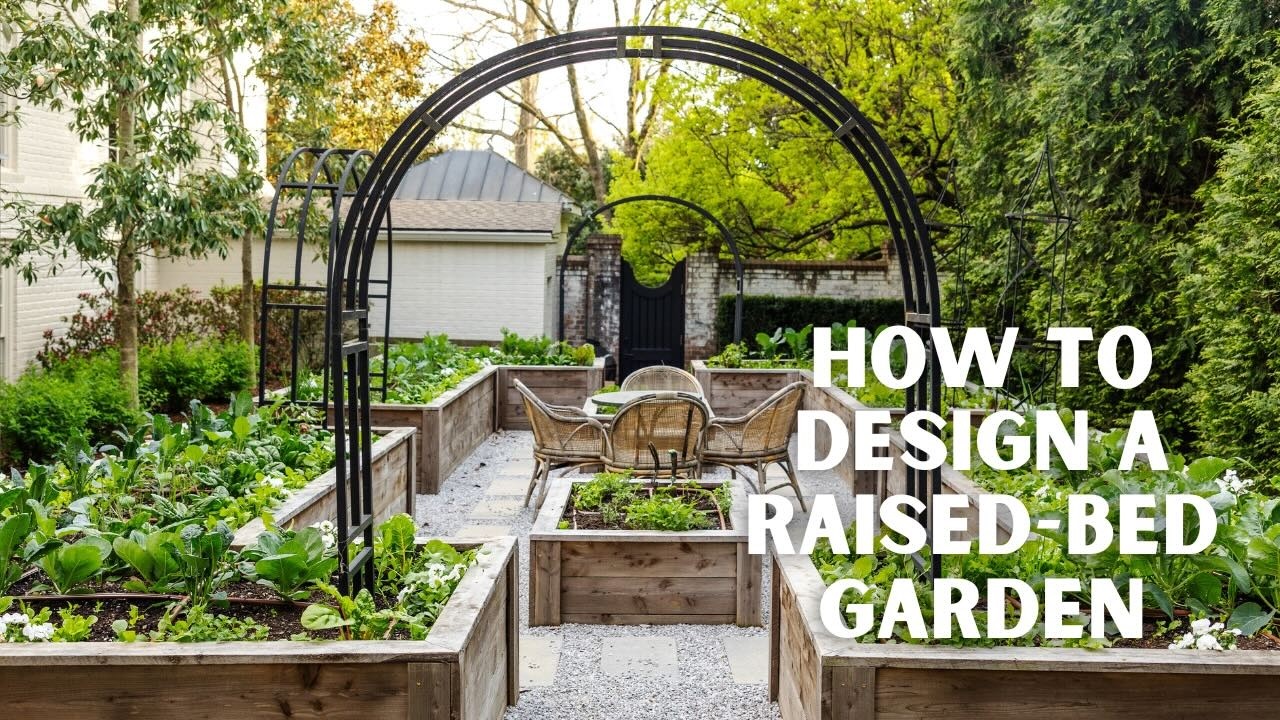
Credit: www.youtube.com
Planning Your Garden Space
Creating a garden is an exciting venture. It transforms your outdoor space into a personal oasis. Planning your garden is the first crucial step. It ensures your garden meets your needs and suits your environment.
Assessing Your Needs
Consider what you want from your garden. Do you need a play area for kids? Perhaps a quiet spot to relax? List your priorities. Decide the purpose of each section. This helps in organizing space effectively.
Think about the plants you love. Are you drawn to colorful flowers or lush greenery? Knowing your preferences guides your choices. It helps in creating a garden that reflects your personality.
Understanding Site Conditions
Observe your garden area. Note the sun and shade patterns. Different plants have different light needs. Ensure each plant gets the light it requires.
Check the soil quality. Is it sandy, clay, or loamy? Soil type affects plant growth. Consider soil amendments if necessary. Improve your soil for healthier plants.
Look at the drainage. Water should not collect in one spot. Good drainage prevents plant diseases. Ensure your garden bed has proper drainage.
Choosing A Garden Style
Choosing a garden style involves considering your space, climate, and personal preferences. Explore various themes like modern, rustic, or tropical. Your garden should reflect your personality and complement your home.
Designing a garden is an opportunity to create a personal oasis that reflects your style and preferences. Choosing a garden style is a crucial step that sets the tone for everything else. It influences plant selection, layout, and even the materials used for paths and borders. How do you decide which style suits you best?Exploring Different Themes
Start by considering the overall feel you want your garden to convey. Are you drawn to the structured elegance of a formal garden or the relaxed vibe of a cottage garden? Perhaps the minimalistic beauty of a Japanese zen garden appeals to you. Visit local gardens, browse online photos, or flip through gardening magazines to see what resonates with you. During a recent visit to a botanical garden, I found myself captivated by the lush, tropical theme. It was then I realized the importance of seeing styles in person to truly gauge their impact.Selecting Plants For Style
Once you’ve settled on a theme, the next step is selecting plants that align with your chosen style. Different plants evoke different atmospheres. Roses and lavender suit a cottage garden, while succulents and grasses are perfect for a modern, minimalist look. Consider the climate and soil in your area when choosing plants. A friend of mine tried to cultivate a Mediterranean garden in a temperate climate, only to face a constant battle with unsuitable plants. Learn from such experiences and select plants that will thrive in your environment. Think about color schemes and textures. Do you want a monochromatic palette or a burst of colors? List your favorite plants and research whether they fit your theme, considering their growth habits and maintenance needs. What makes your heart sing when you think about a garden? Let that guide your plant choices and garden style.Creating A Functional Layout
Creating a Functional Layout Plan pathways to guide movement. Arrange plant beds for balance and beauty. Include seating areas for relaxation.
Creating a functional layout is key to a beautiful garden. A well-designed garden is practical and inviting. It should cater to different activities and moods. Think about how you want to use the space. This will guide your design choices.Zones And Pathways
Divide your garden into distinct zones. Each zone should serve a purpose. Consider a zone for planting flowers. Another for growing vegetables. You might want a space for relaxation. Pathways connect these zones. They guide visitors through the garden. Use materials like gravel, stone, or wood for paths. Ensure they are wide enough for easy access. Curved paths add a sense of mystery. Straight paths offer a formal look.Incorporating Seating Areas
Seating areas make your garden inviting. Choose spots with good views. Place a bench under a tree for shade. Add chairs near a flower bed. Consider the sun’s position. You may want both sunny and shaded seating. Use materials that withstand weather. Wood, metal, or stone are good options. Add cushions for comfort. A table can turn a seating area into a dining spot. This makes the space more versatile.Selecting The Right Plants
Choosing plants is crucial for a garden design. Consider climate, soil, and sunlight needs. Opt for native species to ensure easy maintenance and vibrant growth.
Selecting the right plants for your garden sets the foundation for its beauty and health. The choices you make should reflect your environment and personal taste. Plants should thrive in your garden’s conditions and enhance its aesthetic appeal. Let’s delve into important factors to consider.Considering Climate And Soil
Understanding your local climate is crucial. Choose plants that suit the temperature and weather patterns. Some thrive in dry conditions, while others need plenty of water. Research the average temperatures and rainfall in your area. Soil type also plays a vital role. Test your garden soil to know its pH level and texture. This helps in choosing plants that will flourish. Sandy soils might drain too quickly, while clay soils retain water. Amend the soil if needed to support your chosen plants.Balancing Color And Texture
Mixing colors and textures brings life to your garden. Think about how different shades will complement each other. Bright flowers can create focal points. Consider leaf shapes and textures for added interest. Rough-textured leaves contrast beautifully with smooth ones. Plan for all seasons by including plants that bloom at different times. This ensures your garden looks vibrant throughout the year. Create a harmonious blend that pleases the eye and soothes the soul.Designing With Hardscape Elements
Design a garden by incorporating hardscape elements like pathways, patios, and retaining walls. These features add structure and enhance functionality, creating a balanced outdoor space.
Designing with hardscape elements can transform your garden from a simple patch of greenery into a structured, cohesive outdoor space. Hardscaping refers to the non-plant elements in your garden, like stones, pavers, walls, and fences. These elements provide both functionality and aesthetic appeal, offering support for plant life while creating a visually pleasing environment. Imagine sipping your morning coffee on a stone patio or walking along a beautifully paved path. The right combination of hardscape elements can elevate your garden experience. But how do you choose the right elements for your garden?Using Stones And Pavers
Stones and pavers are foundational in any garden design. They are versatile, durable, and can be arranged in countless ways. Think about the pathways that guide you through your garden—pavers are perfect for this. They create a sense of direction and structure. Stones can be used to create a rustic, natural look. Picture a border of river stones lining your flower beds. They not only define space but also help with drainage. Pavers, on the other hand, can be more modern, offering a clean, geometric look. Their uniformity helps in creating patios or stepping stones that invite guests to explore deeper into your garden.Building Walls And Fences
Walls and fences are more than just boundaries. They can be used to create focal points or separate different garden areas. A low stone wall can serve as a beautiful seating area, while a tall wooden fence can provide privacy. Consider the materials that match your garden’s theme. A brick wall adds a classic touch, while a metal fence can give a contemporary feel. Walls can also be used for vertical gardening, giving you extra space to grow plants. Fences, meanwhile, can be adorned with climbing plants, adding both beauty and function. Have you ever thought about how these elements can affect the microclimate of your garden? Walls can block wind, creating a warmer, more sheltered area for sensitive plants. Fences can direct sunlight, ensuring your plants get the right amount of light. Designing with hardscape elements is about finding the right balance. How do you envision your perfect garden space?Enhancing With Water Features
Enhancing your garden with water features creates a soothing atmosphere. Fountains or small ponds bring tranquility and beauty. These elements attract birds and add a refreshing touch.
Enhancing your garden with water features can transform a simple outdoor space into a serene oasis. The gentle sound of water flowing can soothe your senses and elevate the aesthetic appeal of your garden. Whether you have a sprawling backyard or a compact patio, there are water features suitable for every size and style.Choosing Suitable Water Elements
Selecting the right water feature depends on your garden’s size, style, and your personal preference. Consider a small birdbath if you have limited space. It’s a simple addition that invites wildlife while adding a charming touch. For a modern look, sleek fountains or cascading water walls can make a bold statement. They not only enhance the visual appeal but also create ambient noise that masks urban sounds. Ponds are perfect for larger spaces. Adding fish or aquatic plants can bring life and color to your garden. Always ensure your choice aligns with the overall theme of your outdoor space.Maintaining Water Features
Regular maintenance is crucial to keep your water features looking their best. Check for algae buildup, which can quickly make water look unsightly. Using natural cleaners or introducing algae-eating fish can help manage this issue. Ensure pumps and filters are functioning properly to maintain water clarity. A quick monthly check can prevent bigger problems down the line. In colder climates, remember to winterize your features. Drain fountains and cover ponds to protect them from freezing temperatures. This simple step can prolong the life of your water elements and save you from costly repairs. Adding water features can be an exciting journey. Have you ever thought about how the sound of water might change the way you feel in your garden?Incorporating Lighting
Strategically placed lights can transform your garden into a magical retreat. Highlight pathways and trees with subtle lighting. Use solar-powered lamps to save energy while adding ambiance.
Incorporating lighting into your garden design can enhance its beauty and functionality. Lights can highlight features and create a warm, inviting atmosphere. Proper lighting transforms a garden into a magical space, perfect for evening gatherings or quiet reflection. Here’s how you can use lighting effectively in your garden.Types Of Garden Lighting
Garden lighting comes in various forms. Each serves a unique purpose. – Spotlights focus on specific areas. They highlight trees or sculptures. – Path lights guide visitors along walkways. They ensure safety and add charm. – String lights create a festive feel. Perfect for patios and outdoor dining areas. Choose the type that suits your garden’s style. This enhances both beauty and functionality.Creating Ambiance With Lights
Lighting sets the mood in your garden. It creates ambiance and transforms spaces. Soft lights create a relaxing atmosphere. Use them near seating areas. Warm lights invite conversation and relaxation. Colored lights add vibrancy. Use them for special occasions. They can change the entire look of your garden. Balance is key. Too much lighting can overwhelm. Too little can leave areas in darkness. Experiment with different setups. Find what works best for your garden’s layout and design.
Credit: awaytogarden.com
Sustainable Garden Practices
Design a garden with sustainable practices to conserve resources and nurture wildlife. Choose native plants that thrive in local conditions. Implement rainwater harvesting and composting to enrich the soil naturally.
Sustainable garden practices focus on nurturing the environment while creating beautiful spaces. These practices benefit both the gardener and the planet. They reduce waste and conserve resources, leading to healthier gardens. By adopting sustainable methods, gardeners can enjoy lush landscapes without harming nature.Eco-friendly Materials
Using eco-friendly materials is vital for sustainable gardening. Choose natural or recycled products for paths and structures. These materials minimize environmental impact. Bamboo and reclaimed wood are excellent choices. They offer durability and a beautiful finish. Composting is another eco-friendly option. It enriches soil and reduces waste. Using organic fertilizers promotes healthy plant growth. They nourish without chemicals.Water Conservation Techniques
Water conservation is crucial in gardening. It saves resources and protects the environment. Install drip irrigation systems to reduce water usage. These systems deliver water directly to plant roots. Collect rainwater for gardening needs. Use barrels to store rainwater. Mulching helps retain soil moisture. It reduces evaporation and protects plant roots. Choose drought-resistant plants for water efficiency. These plants thrive with minimal water.Seasonal Maintenance Tips
Seasonal maintenance is the backbone of a thriving garden, ensuring it remains vibrant and healthy throughout the year. Each season brings its own unique challenges and opportunities, demanding specific care strategies. By understanding these seasonal nuances, you can develop a maintenance routine that keeps your garden looking its best, no matter the time of year.
Preparing For Different Seasons
Think of your garden as a living canvas that changes with the seasons. As winter approaches, protect your plants from frost by mulching and covering delicate species. When spring arrives, it’s time to clear away debris and prepare the soil for new growth.
Summer demands regular watering to combat heat stress, while autumn is perfect for planting bulbs and perennials for next year’s display. Each season requires specific preparations, so keep an eye on the weather forecast and adjust your strategies accordingly.
Routine Upkeep Strategies
Routine upkeep is about consistency and care. Regular weeding prevents unwanted competition, ensuring your plants get the nutrients they need. Pruning is key to encouraging robust growth and shaping your garden’s aesthetics.
Consider investing in quality gardening tools to make your maintenance tasks easier and more efficient. Tools like sharp shears and ergonomic trowels can make a world of difference. Have you ever wondered how often you should fertilize? A balanced approach every few weeks can support healthy growth throughout the seasons.

Credit: www.amazon.com
Frequently Asked Questions
How Do I Start Designing A Garden?
Begin by assessing your space and sunlight exposure. Consider the style you desire and your plant preferences. Sketch a layout that includes paths, planting beds, and focal points. Research plants suitable for your climate and soil type. Plan for seasonal interest and maintenance needs.
This will ensure a beautiful, sustainable garden.
What Are Essential Garden Design Elements?
Essential elements include pathways, plant selection, focal points, and seating areas. Consider color schemes, textures, and plant heights for visual interest. Incorporate lighting for evening ambiance. Ensure proper drainage and irrigation to maintain plant health. Balance aesthetics with functionality for a harmonious outdoor space.
How Can I Choose The Right Plants?
Choose plants suited to your local climate and soil conditions. Consider sun and shade requirements. Select plants for year-round interest, including flowering and evergreen varieties. Think about color, texture, and height to create layers. Native plants often require less maintenance and provide habitat for local wildlife.
What Are Common Garden Design Mistakes?
Common mistakes include overcrowding plants, neglecting soil preparation, and ignoring maintenance needs. Avoid poor drainage and improper plant placement regarding sun exposure. Failing to plan for growth can lead to a chaotic design. Prioritize functionality and aesthetics to create a balanced and sustainable garden.
Conclusion
Designing a garden can be a rewarding experience. Start with a clear vision. Choose plants that suit your climate. Arrange them for optimal sunlight and growth. Add paths for easy access and enjoyment. Consider seating areas for relaxation. Use colors and textures to create interest.
Keep maintenance in mind for a thriving garden. Enjoy the process and learn along the way. Your garden will reflect your creativity and care. Soon, you’ll have a beautiful space to enjoy. Happy gardening!







