Imagine stepping into your home and instantly feeling uplifted by a vibrant splash of greenery. Indoor vertical gardens offer you a chance to transform your living space into a refreshing oasis without requiring tons of space.
Whether you’re a seasoned gardener or a curious beginner, creating a vertical garden indoors is easier than you might think. You will discover how these lush, wall-mounted displays can breathe life into your home while enhancing your mood and well-being.
Are you ready to bring nature inside and enjoy the benefits of a greener lifestyle? Dive into the world of indoor vertical gardening and learn how to make your walls bloom beautifully.
Benefits Of Indoor Vertical Gardening
How to Vertical Garden Indoor Indoor vertical gardening saves space and improves air quality. It offers a practical way to grow fresh herbs and vegetables. This method is perfect for urban homes with limited space.
Indoor vertical gardening offers a host of benefits that make it a worthwhile endeavor for anyone looking to bring a touch of nature into their living space. Not only does it optimize your available space, but it also contributes positively to air quality and adds aesthetic charm to your home. Embracing this innovative gardening style can transform your indoor environment into a lush, vibrant oasis.Space Optimization
Imagine being able to grow fresh herbs and vegetables without sacrificing your precious floor space. Vertical gardening makes this possible by utilizing vertical surfaces like walls or specially designed planters. Whether you live in a compact apartment or a spacious home, this method allows you to maximize your gardening potential without cluttering your living areas. Consider how much more you can achieve by using vertical space. You might find that your kitchen wall becomes a fragrant herb garden, or a sunny corner transforms into a lush green retreat. This approach encourages you to think creatively about spaces that were previously overlooked.Improved Air Quality
Plants naturally filter and purify the air, removing toxins and releasing fresh oxygen. By introducing a vertical garden indoors, you effectively enhance the air quality in your home. This is not just beneficial for your physical health, but it can also contribute to better mental well-being. Have you ever noticed how being around greenery can lift your mood? Vertical gardens bring the benefits of nature inside, providing cleaner air and a more pleasant living environment. You may find yourself breathing easier and feeling more refreshed, even in the hustle and bustle of everyday life.Aesthetic Appeal
There’s something undeniably beautiful about a wall of vibrant, living plants. Indoor vertical gardens can serve as stunning focal points in your home, adding a touch of nature that complements any decor style. Whether your taste is modern, rustic, or eclectic, vertical gardens can be tailored to suit your aesthetic preferences. Imagine guests walking into your home and being greeted by a lush, vertical display of greenery. It’s not just about beauty—it’s about creating an inviting and serene atmosphere. You might even find that your indoor vertical garden becomes a conversation starter, sparking interest and admiration from friends and family alike. Incorporating an indoor vertical garden is more than just a functional choice. It’s an opportunity to enhance your living space and improve your quality of life. Have you considered where a vertical garden might fit into your home?Choosing The Right Plants
Select plants suitable for low light and compact spaces. Consider herbs like basil or mint, which thrive indoors. Opt for trailing plants like pothos to enhance vertical garden aesthetics.
Choosing the Right Plants When planning your indoor vertical garden, selecting the right plants is crucial for success. The choice depends not only on your aesthetic preferences but also on environmental conditions like light and humidity. Pick plants that thrive in your specific indoor setting to ensure your garden flourishes.Low Light Plant Options
Not all rooms are blessed with abundant natural light, but that doesn’t mean you can’t have a thriving garden. Consider plants like the Snake Plant, Pothos, or ZZ Plant. These species are well-known for their ability to thrive in low-light environments, making them perfect for dimly lit spaces.Humidity Resistant Varieties
Indoor humidity can vary greatly, especially if you’re running air conditioning or heating. Opt for plants that can withstand fluctuating moisture levels. Ferns, Spider Plants, and Peace Lilies are excellent choices, as they are naturally adapted to handle changes in humidity.Fast Growing Species
Want to see quick results in your vertical garden? Choose fast-growing plants that fill your space with greenery swiftly. Herbs like basil and mint not only grow quickly but are also useful in the kitchen. Additionally, consider Philodendrons or Creeping Fig for rapid vertical coverage. Choosing the right plants is more than just a science—it’s a personal journey. What plants speak to you, and how do they fit into your life? Your indoor vertical garden is a reflection of your style and needs, so choose wisely and enjoy the process.Vertical Garden Structures
Create a lush indoor oasis with vertical garden structures. Utilize wall-mounted planters or shelves to save space. Choose easy-to-grow plants like ferns or succulents for a vibrant display.
Vertical gardens bring nature indoors and save space. They offer a unique way to beautify your home. Vertical garden structures are key to achieving a thriving indoor garden. These structures support plants, making them easy to maintain and enjoy. Let’s explore some popular options.Wall-mounted Planters
Wall-mounted planters are stylish and practical. They attach directly to your walls. This saves floor space and adds a green touch to your decor. Choose from various materials like metal, wood, or plastic. Each has its own look and benefits. Wall-mounted planters are ideal for herbs, small flowers, or succulents. They require minimal maintenance and are easy to water. Create a stunning vertical display with these versatile planters.Free-standing Units
Free-standing units offer flexibility in placement. They don’t need wall support, which makes them perfect for renters. These units come in a range of sizes and designs. From tiered shelves to ladder-style stands, options abound. Free-standing units are perfect for larger plants or mixed arrangements. You can move them around to find the best light. They also act as room dividers, adding greenery to any space.Hydroponic Systems
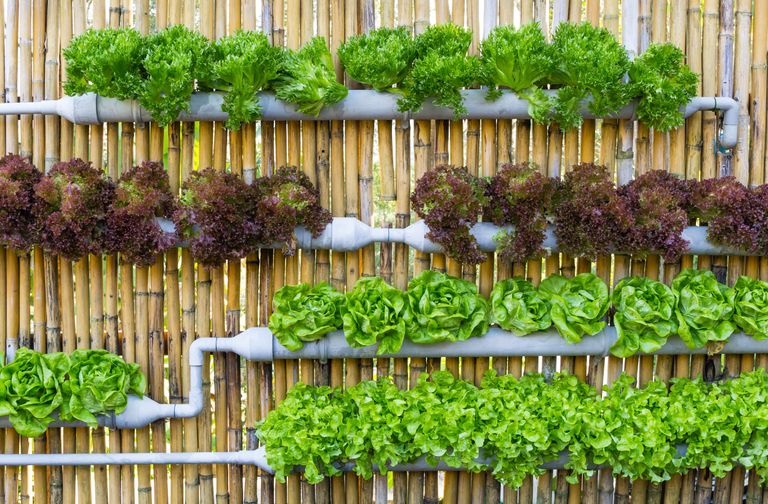
Hydroponic systems grow plants without soil. They use nutrient-rich water to nourish plants. These systems are perfect for tech-savvy gardeners. They often include built-in lights and timers. This ensures your plants get what they need to thrive. Hydroponic systems suit a variety of plants, like lettuce or herbs. They are efficient and produce faster growth rates. Enjoy fresh produce all year round with minimal effort.
Credit: www.youtube.com
Installation Tips
Creating a vertical garden indoors can transform your living space into a lush oasis, bringing nature closer to you. But how do you ensure that your green wall thrives? It all begins with proper installation. From choosing the right spot to making sure your plants get the water they need, these installation tips will guide you in setting up your indoor vertical garden for success.
Selecting The Ideal Location
Your plants need the right environment to flourish. Look for a spot where they can receive ample light, but avoid direct sunlight, which might scorch them. Consider areas near windows or well-lit rooms.
Do you have a spot that’s perfect but lacks natural light? Install grow lights to mimic sunlight and keep your plants happy. Be mindful of the temperature and humidity levels, as extremes can affect growth.
Ensuring Structural Support
A vertical garden can get heavy, especially when the plants mature. Make sure the wall or structure you plan to use can support the weight. Use sturdy brackets or a freestanding frame for added security.
Think about the materials you’re using. Are they durable enough to withstand moisture? Consider waterproofing options to protect your walls from water damage.
Proper Watering Techniques
Watering is crucial, but it’s easy to overdo it in a vertical garden. Equip your setup with a drip irrigation system to provide consistent moisture without drowning your plants. This can also save time and effort.
Have you ever noticed water pooling at the base? Make sure there is adequate drainage to prevent root rot. Regularly check the soil moisture levels to ensure your plants are getting just the right amount of water.
Maintenance And Care
Regularly check the soil moisture to keep plants healthy. Trim dead leaves to promote growth. Ensure adequate light by rotating plants for even exposure.
Maintaining and caring for your indoor vertical garden is crucial for its long-term success. While the initial setup might be exciting, consistent care ensures your garden thrives. By focusing on regular pruning, fertilization, and pest control, you can keep your plants healthy and vibrant.Regular Pruning Practices
Regular pruning is essential to manage the growth of your plants. Trimming overgrown branches not only keeps your garden looking tidy but also promotes healthy growth. Use sharp scissors or pruning shears and cut at an angle to prevent damage. What happens if you skip a week of pruning? You might find your garden becoming unruly, with plants competing for light and space. Set a weekly reminder to check your plants and prune as needed.Fertilization Needs
Nutrient-rich soil is the backbone of a flourishing vertical garden. Indoor plants often require additional fertilization because they might not get enough nutrients from the soil. Consider using a liquid fertilizer every few weeks to support plant health. Have you ever noticed your plants looking a bit dull or their growth stunted? This could be a sign they need a nutrient boost. Always follow the instructions on the fertilizer package to avoid over-fertilizing, which can harm your plants.Pest Control Methods
Indoor gardens aren’t immune to pests. Common culprits include aphids and spider mites, which can wreak havoc if left unchecked. Regularly inspect your plants for any signs of infestation. If you spot pests, act quickly. You might use a natural insecticidal soap or neem oil to manage the problem. Maintaining a clean environment around your garden can also help prevent pests from settling in. Is your garden looking less lively? It might be time to check for unwanted visitors.
Credit: www.angi.com
Creative Design Ideas
Creative design ideas can turn your indoor vertical garden into a stunning centerpiece. The way you choose plants, integrate art, and plan seasonal arrangements can transform a simple space into a lush oasis. Let’s dive into some exciting ways to elevate your vertical garden.
Mixing Plant Textures
Combining different plant textures can add depth and intrigue to your garden. Imagine pairing velvety lamb’s ear with spiky succulents. The contrast is a visual treat, making your garden more dynamic. Try placing smooth-leaved ferns beside rough-textured herbs. This mix not only looks appealing but also makes you feel closer to nature.
Incorporating Art Elements
Why not blend art with nature? Adding small sculptures or colorful tiles can enhance your vertical garden. You can hang a vibrant painting or a quirky art piece amongst the greenery. This approach creates a personal touch, reflecting your unique style. Consider how a mosaic can complement the shades of your plants.
Seasonal Plant Arrangements
Switching up your plants with the seasons keeps your garden fresh and exciting. During spring, fill it with blooming flowers like tulips or daffodils. In winter, use evergreens or holly to maintain vibrancy. This seasonal change keeps your space alive and evolving. What’s your favorite season, and how can you reflect its beauty in your garden?
Sustainability Considerations
Indoor vertical gardening offers a sustainable way to bring greenery into homes. Embracing eco-friendly practices enhances the benefits of this gardening method. Incorporating sustainability considerations ensures your garden aligns with environmental values. This section explores key aspects of creating a sustainable indoor vertical garden.
Eco-friendly Materials
Choose materials that are kind to the planet. Use recycled or biodegradable options for planters. Bamboo and reclaimed wood are excellent choices. They reduce waste and promote a healthier ecosystem. Avoid plastic whenever possible. It contributes to pollution and takes years to decompose. Opt for natural fibers in support structures. They provide durability and are environmentally friendly.
Energy-efficient Lighting
Lighting plays a crucial role in indoor gardening. Select energy-efficient LED lights for your plants. They consume less power and have a longer lifespan. LED lights provide the necessary spectrum for plant growth. Position them strategically to maximize light exposure. This ensures plants thrive without excessive energy usage. Consider smart lighting systems. They adjust brightness based on the time of day. This reduces energy consumption and enhances plant growth.
Water Conservation Techniques
Water is a precious resource in gardening. Implementing conservation techniques helps minimize its use. Use drip irrigation systems to deliver water directly to plant roots. This method reduces water wastage and promotes healthy growth. Collect rainwater for your garden. It is a sustainable alternative to tap water. Employ self-watering planters. They store excess water for later use, reducing the need for frequent watering.
Credit: libertyplus.libertymutual.com
Frequently Asked Questions
How To Start Vertical Gardening Indoors?
Begin by choosing a suitable wall or space with adequate light. Select plants that thrive indoors and install vertical planters. Ensure you have a proper irrigation system to maintain soil moisture. Regularly check for pests and provide necessary nutrients for healthy growth.
What Plants Are Ideal For Indoor Vertical Gardens?
Herbs like basil, mint, and thyme are excellent choices. Succulents, ferns, and spider plants also thrive indoors. Choose plants that adapt well to limited light and space. Assess your indoor conditions to select the most suitable plants for your vertical garden.
How To Maintain An Indoor Vertical Garden?
Regularly monitor the moisture level to prevent overwatering. Check for pests and diseases frequently. Prune plants to encourage growth and maintain shape. Provide necessary nutrients through fertilizers. Ensure adequate lighting conditions for optimal plant health and growth.
Do Indoor Vertical Gardens Need Special Lighting?
Many indoor plants benefit from indirect sunlight. If natural light is limited, use grow lights. LED grow lights are energy-efficient and mimic sunlight. Adjust the light intensity based on plant needs. Proper lighting ensures healthy growth and vibrant plants.
Conclusion
Creating a vertical garden indoors is easy and rewarding. It saves space and adds beauty. You can enjoy fresh herbs and plants year-round. Start with choosing the right spot. Ensure enough light and proper watering. Select plants that thrive indoors.
Use shelves or wall hangers for support. Remember, every plant needs care and attention. Try different arrangements and see what works best. Enjoy the process and watch your garden grow. Indoor vertical gardening brings nature into your home. It enhances your living space and lifts your mood.
Happy gardening!







