Have you ever dreamed of having a lush garden that thrives with vibrant plants and vegetables? Imagine stepping into your backyard and feeling the soft soil beneath your feet, knowing that you played a part in nurturing this beautiful ecosystem.
If you’re ready to transform your gardening experience, the broadfork garden tool might just be your new best friend. This tool is designed to make your life easier by efficiently aerating the soil without the back-breaking work of tilling. With just a few simple techniques, you can boost your garden’s health and productivity, ensuring your plants have the perfect environment to grow strong and healthy.
Ready to discover how you can revolutionize your gardening with a broadfork? Let’s dig in!
Choosing The Right Broadfork
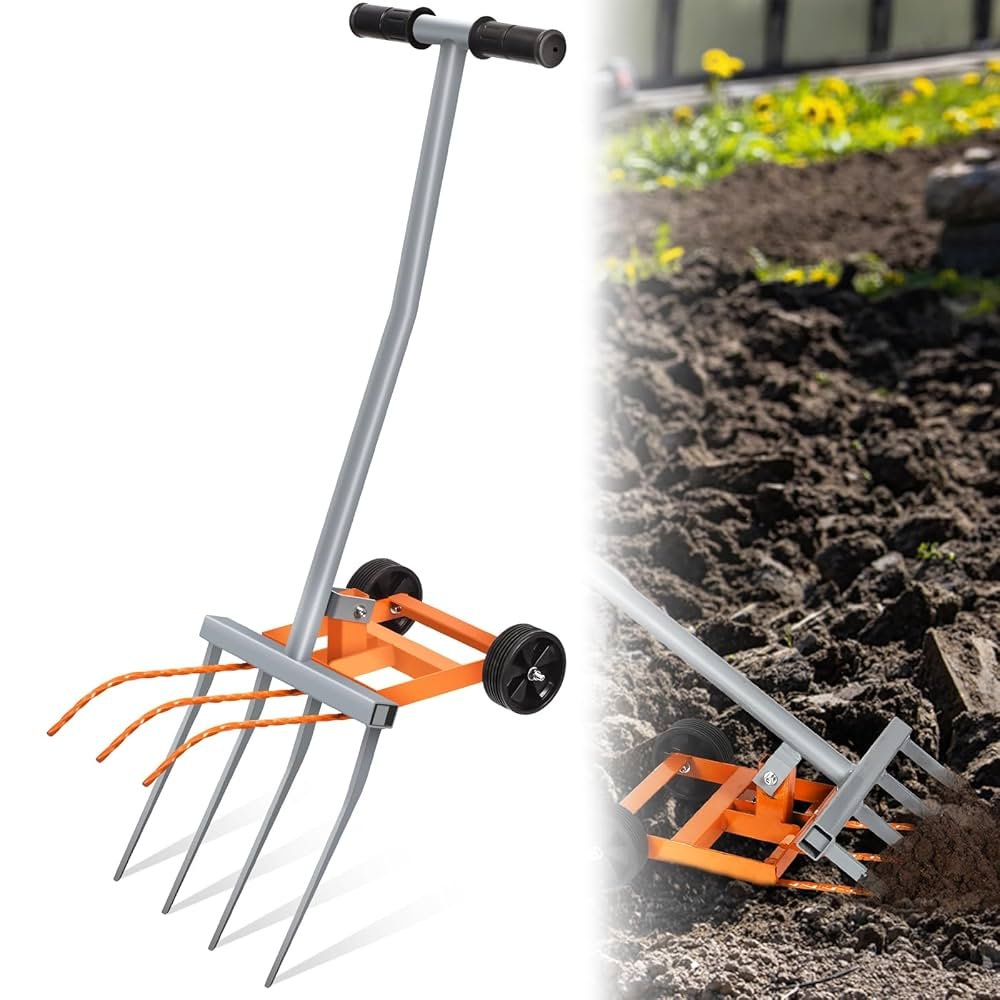
Choosing the right broadfork involves considering soil type and garden size. A sturdy, ergonomic design ensures ease of use. Opt for a model with durable tines for effective soil aeration.
Choosing the Right Broadfork Selecting the perfect broadfork is crucial for a successful gardening experience. The right tool can make soil preparation more efficient and enjoyable. Let’s dive into the key considerations when choosing the ideal broadfork for your garden.Understanding Different Types
Broadforks come in various designs, each serving specific purposes. Some are designed with flat tines for clay or compacted soils, while others have rounded tines for sandy or loamy soils. Consider what type of soil you have and what your gardening goals are. Do you need a broadfork for deep aeration, or are you focused on surface cultivation? Understanding the different types of broadforks helps you match the tool to your specific needs. You might even find that having more than one type is beneficial for different tasks throughout the gardening season.Selecting The Correct Size
Broadforks vary in size to accommodate different users and garden sizes. A wider fork covers more ground but may require more strength to use. On the other hand, a smaller, more compact broadfork might be perfect for tighter spaces or raised beds. Consider your own physical strength and the size of your garden when selecting a broadfork. You want a tool that’s comfortable to use without causing strain. A too-heavy fork can turn a pleasant gardening session into an exhausting chore. Reflect on your gardening habits and preferences. Do you prefer quick, efficient work, or do you enjoy taking your time? Choosing the right size broadfork can significantly impact your gardening experience, ensuring it’s both effective and enjoyable.
Credit: www.vevor.com
Preparing Your Garden
Enhance your gardening experience with a broadfork. This tool loosens soil without disturbing its structure. Perfect for aerating and preparing beds efficiently.
Preparing your garden for the use of a broadfork is a crucial step in ensuring a healthy and productive planting season. The broadfork, a simple yet powerful tool, can transform your soil without the back-breaking effort of traditional tilling. But before you start using it, setting the stage is key. This involves understanding your soil, defining your workspace, and making sure everything is in place for a seamless process. Let’s dive into the essential steps to get your garden ready.Assessing Soil Conditions
Understanding your soil is the first step in using a broadfork effectively. Different soils react differently to aeration. Is your soil sandy, clayey, or loamy? Sandy soils drain quickly, while clay retains water. Loamy soil, the gardener’s favorite, is a balanced mix. Assessing the soil type helps you determine how much effort you’ll need to put in. Another aspect to consider is moisture. Soil that’s too wet or too dry can be challenging to work with. Aim for a damp, but not soggy, consistency. A quick test is to grab a handful of soil and squeeze it. If it crumbles easily, you’re good to go.Marking The Area
Defining the area you want to work on can save you time and energy. Decide on the size of your garden bed and mark it clearly. Use stakes and string to outline the boundaries. This prevents overworking and helps maintain neat rows, essential for crop management. By marking your area, you also ensure you’re not missing spots. This simple step can make your broadforking session more organized and efficient. Have you ever started a project only to realize halfway through that you’re off course? Defining your area helps avoid this frustration. With your soil assessed and your area marked, you’re ready to wield the broadfork with confidence. Remember, preparing your garden is like setting the foundation for a successful harvest. It’s the small steps that often lead to the biggest rewards.Using The Broadfork Properly
Using the broadfork properly ensures effective soil aeration and promotes healthy plant growth. This tool requires correct technique to maximize its benefits. Learn how to use it with precision to enhance your garden’s productivity.
Correct Stance And Grip
Stand with your feet shoulder-width apart. This stance offers stability and balance. Keep your knees slightly bent for flexibility. Grasp the handles firmly but comfortably. Your grip should allow smooth movement without strain. Ensure your hands are evenly spaced on the handles. This helps distribute the force evenly.
Inserting And Rocking The Tool
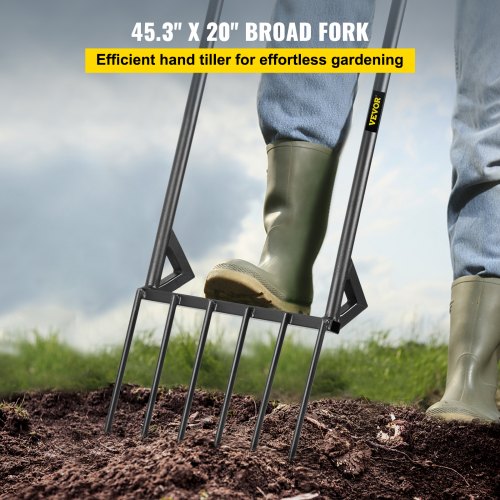
Position the broadfork’s tines on the soil surface. Apply downward pressure with your foot on the tool’s crossbar. Push the tines into the ground until fully inserted. Rock the tool back and forth gently. This loosens the soil without turning it over. Lift the tool and move it backward. Repeat the process across the garden bed. Ensure consistent spacing for even aeration.
Credit: www.vevor.com
Techniques For Effective Tilling
A broadfork garden tool is ideal for loosening soil without disturbing its structure. Start by inserting the tines vertically into the ground. Use your body weight to gently rock back and forth, lifting soil to improve aeration and drainage.
Tilling your garden effectively can significantly enhance soil health and plant growth. The broadfork garden tool is a fantastic ally in achieving this without disturbing the natural soil structure. With the right techniques, you can transform compacted, lifeless soil into a thriving environment for your plants. Let’s explore how you can use this tool efficiently to improve your garden’s soil.Loosening Soil Without Turning
Using a broadfork allows you to loosen the soil without turning it over, preserving essential soil layers. Insert the tines of the broadfork into the soil by stepping down on the crossbar. Use your body weight to help push it in deeply. Once the tines are fully embedded, gently pull back on the handles. This motion lifts and aerates the soil without disturbing its structure. It maintains the beneficial microorganisms and nutrients right where they need to be. The best part? You don’t have to be a muscle-bound gardener to do this. The leverage provided by the broadfork makes it accessible for anyone. Have you tried it yet in your garden?Breaking Up Compacted Areas
Compacted soil can be a gardener’s nightmare, hindering root growth and water absorption. A broadfork is ideal for breaking up these tough spots. Begin by placing the tool at the edge of the compacted area. Work your way across the section, inserting the tines and using a rocking motion. This action helps break up the soil without disrupting the deeper layers. You’ll notice the soil becomes more friable and easier to work with. Consistency is key. Regularly using the broadfork in compacted areas can improve soil structure over time. Are you ready to tackle those stubborn patches in your garden?Maintaining Your Broadfork
Regular cleaning keeps your broadfork in good shape. After each use, remove dirt and debris from the tines. Store in a dry place to prevent rust.
Maintaining your broadfork is essential for its longevity and effectiveness. This tool requires care to function well and stay in top condition. Regular maintenance ensures it remains a valuable part of your gardening arsenal. Let’s dive into the steps for keeping your broadfork in optimal shape.Cleaning After Use
After using your broadfork, remove any soil and debris. Use a stiff brush to scrub off dirt from the tines. Avoid leaving moisture on the tool, as this can lead to rust. Rinse it with water and dry it thoroughly with a cloth. Cleaning it after each use helps prevent damage and keeps it ready for the next task.Storing Properly
Store your broadfork in a dry, cool place. Hang it up or lay it flat to prevent bending. Keep it away from direct sunlight or damp areas to avoid rust. Protect the tines from damage by avoiding heavy objects on top. Proper storage ensures your tool stays in good condition for years.Benefits Of Using A Broadfork
Dig into soil efficiently with a broadfork, promoting better aeration and drainage. This tool helps maintain soil structure without disturbing beneficial organisms. Ideal for preparing garden beds, it reduces soil compaction and supports healthier plant growth.
Using a broadfork can transform your gardening experience, offering numerous advantages that enhance the overall health and productivity of your garden. This simple tool can make a noticeable difference in how your plants grow and thrive. By incorporating a broadfork into your gardening routine, you can improve soil health and support robust root systems.Improving Soil Health
A broadfork is a game-changer for soil health. Unlike traditional tilling methods, a broadfork gently loosens the soil without turning it over. This preserves the valuable ecosystem of microorganisms living in your garden bed. Healthy soil is full of life. When you use a broadfork, you maintain the natural layers of soil, ensuring earthworms and beneficial bacteria can continue their work. You might notice your plants looking greener and more vibrant as the soil becomes richer and more nutrient-dense.Enhancing Root Growth
Roots need room to grow, and a broadfork provides just that. By aerating the soil, you create space for roots to expand and access water and nutrients more efficiently. Imagine the difference in your plants’ growth when their roots can stretch freely. With improved root growth, plants become stronger and more resilient. They are better equipped to withstand drought, pests, and diseases. If you’ve ever felt frustrated by stunted plant growth, consider how a broadfork could be the simple solution you need. Have you tried using a broadfork in your garden? What changes did you notice? Share your experiences and insights below!Common Mistakes To Avoid
Using a broadfork garden tool can revolutionize the way you prepare your garden soil, making it loose and aerated without disrupting the natural structure. However, there are common mistakes that can hinder its effectiveness. By being aware of these pitfalls, you can ensure your gardening efforts are not only productive but also sustainable.
Overworking The Soil
One of the most prevalent mistakes is overworking the soil. You might think that more is better, but that’s not always the case. If you use the broadfork too frequently or press it too deep, you might disrupt the soil’s natural layers and compact it rather than loosen it.
Consider the season and soil type. Some soils, especially clay-heavy ones, need less frequent aeration to maintain their structure. Ask yourself: is your soil showing signs of fatigue, like reduced drainage or nutrient uptake? Observing these cues can help you decide the right frequency for using your broadfork.
Incorrect Tool Handling
Another common mistake is incorrect handling of the tool itself. It’s tempting to use the broadfork like a regular shovel, but doing so can limit its effectiveness. Ensure you insert the tines straight into the soil and gently rock back and forth to lift and aerate.
Think of it as a gentle massage for the earth. If you find yourself exerting too much force, you might be damaging the soil’s ecosystem. A gentle approach respects the soil’s existing structure and encourages natural growth. Are you using your body weight efficiently to minimize strain and maximize results?
- Read the manufacturer’s instructions to understand the correct posture and technique.
- Watch online tutorials for visual guidance.
- Practice on a small patch before tackling larger areas.
By avoiding these common mistakes, you not only enhance your gardening results but also contribute to a healthier garden ecosystem. What changes will you make in your approach to using the broadfork?

Credit: www.instagram.com
Frequently Asked Questions
What Is A Broadfork Garden Tool?
A broadfork is a manual gardening tool used to aerate soil. It consists of long tines and handles for easy use. This tool helps improve soil structure without disrupting its natural composition. Ideal for preparing garden beds and promoting healthy root growth.
How Do You Use A Broadfork Effectively?
To use a broadfork, insert tines into the soil and step on the crossbar. Pull back to lift and aerate the soil. Move along the bed, repeating the process. This method enhances soil health and encourages beneficial microorganisms.
Why Choose A Broadfork Over A Tiller?
Broadforks preserve soil structure and maintain beneficial organisms. Unlike tillers, they don’t compact the soil, allowing better water drainage. They are eco-friendly and require no fuel or electricity. Perfect for sustainable gardening practices.
Can Beginners Use A Broadfork Easily?
Yes, beginners can use a broadfork with ease. Its simple design requires minimal effort and no prior experience. Follow basic steps to aerate soil effectively. It’s a user-friendly tool for enhancing garden health and productivity.
Conclusion
A broadfork can be a helpful tool in your garden. It loosens soil without turning it over. Plants can grow better when the soil is loose. Using a broadfork is simple. Push it into the ground and pull back. Repeat this process across your garden.
This tool helps improve soil health. It also makes gardening less tiring. Try using a broadfork in your garden. Enjoy healthier plants and a happier garden. Happy gardening!