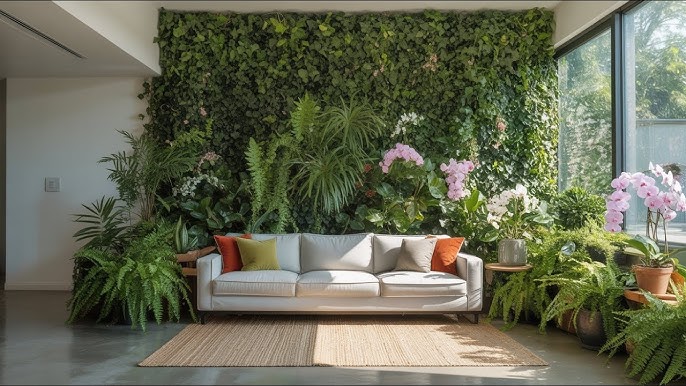
Imagine stepping into a room filled with lush greenery, vibrant colors, and the soothing scent of fresh plants. Transforming a space into an indoor garden isn’t just about adding beauty; it’s about creating a sanctuary where nature thrives and stress melts away.
You might think it’s complicated, but with the right approach, you can turn any room into your personal oasis. Picture yourself waking up each morning surrounded by the gentle rustle of leaves and the sweet aroma of blooming flowers. This could be your reality.
But why stop at imagining? You have the power to make it happen. Creating an indoor garden can significantly boost your mood, improve air quality, and even increase your productivity. You don’t need to be a gardening expert or have a green thumb to achieve this. With simple tips and tricks, you can effortlessly bring the outdoors inside. Discover how you can transform your space and change the atmosphere of your home. Dive into the possibilities and learn how to make your dream indoor garden a reality.

Credit: www.designcafe.com
Choosing The Right Space
Selecting the ideal room for an indoor garden involves considering light, temperature, and space. Rooms with large windows are perfect for natural light. Ensure the area has enough space for plants to grow and thrive.
Choosing the right space for your indoor garden is crucial. This decision impacts plant growth and overall garden success. The space should meet specific conditions. Light, temperature, and humidity are key factors. Each element plays a vital role. Let’s explore how to find the perfect spot.Assessing Light Availability
Light is essential for plant health. Begin by observing natural light in each room. South-facing windows receive the most sunlight. North-facing windows have the least light. East and west windows provide moderate light levels. Choose a room with adequate sunlight. Use sheer curtains to diffuse harsh rays if needed. Consider artificial lighting if natural light is insufficient. LED grow lights are energy-efficient and effective. Position lights close to plants for best results. Adjust light duration based on plant needs. Most plants require 12-16 hours of light daily.Evaluating Temperature And Humidity
Temperature affects plant growth significantly. Most indoor plants thrive between 65-75°F. Avoid spots near drafts or heat sources. Maintain consistent temperatures day and night. Sudden changes can harm plants. Humidity is equally important. Many indoor plants prefer 40-60% humidity. Use a hygrometer to measure levels in your chosen space. Increase humidity with a humidifier or water-filled trays. Grouping plants also helps raise humidity naturally. Choosing the right space ensures your indoor garden flourishes. Each factor contributes to a thriving green oasis.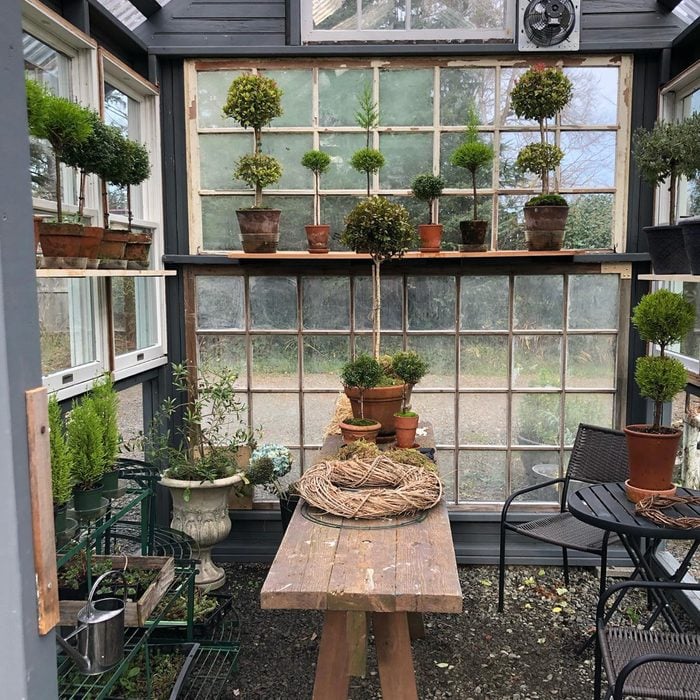
Credit: www.familyhandyman.com
Selecting Suitable Plants
Choose plants that thrive indoors, like ferns or peace lilies, to create a lush indoor garden. Consider light, space, and care requirements to ensure healthy growth and an inviting atmosphere.
Selecting the right plants is crucial for creating an indoor garden. The success of your indoor greenery depends on choosing varieties that thrive indoors. Consider your room’s light, temperature, and humidity levels. Also, think about the care each plant requires. Some plants need more attention than others.Best Indoor Plant Varieties
Certain plants are perfect for indoor gardens. They adapt well to indoor conditions and require minimal care. Here are a few great choices:- Snake Plant:Tolerates low light and irregular watering.
- Spider Plant:Grows well in indirect light and is easy to maintain.
- Pothos:Thrives in various lighting conditions and is very hardy.
- Peace Lily:Prefers low light and helps purify the air.
Considerations For Pet-friendly Plants
If you have pets, plant selection needs special attention. Some plants can be harmful to animals. Choose pet-safe options to keep your furry friends safe. Here are a few pet-friendly plants:- Bamboo Palm:Non-toxic and adds a tropical touch.
- Areca Palm:Safe for pets and great for air purification.
- Boston Fern:Non-toxic and thrives in indirect light.
- Calathea:Pet-friendly and boasts beautiful leaf patterns.
Arranging Plants For Aesthetics
Transform a room into an indoor garden by creatively arranging plants. Use various heights and textures for visual appeal. Group plants with similar needs together for easy care.
Arranging plants for aesthetics transforms a simple room into a vibrant indoor garden. A well-thought-out arrangement adds beauty and harmony. It’s about more than just placing plants randomly. It’s about creating a delightful balance that pleases the eye.Creating Visual Balance
Visual balance is key. Start by selecting plants of different shapes and sizes. Choose contrasting colors to add depth. Place larger plants in corners or at the back. Smaller plants go in front or at eye level. This creates a layered effect. Use pots with varying heights. This adds interest and dimension. Group similar plants together. This creates unity and harmony. Ensure each plant has enough space. Avoid overcrowding. This keeps the arrangement clean and inviting.Incorporating Vertical Space
Utilize vertical space for a dynamic look. Hang plants from the ceiling. Use wall-mounted planters. Shelving units work wonders too. They elevate plants, drawing the eye upwards. Select trailing plants for a cascading effect. This adds movement and flow. Consider tall plants that reach upwards. They add height and grandeur. Use plant stands to lift smaller plants. This maximizes space efficiently. Vertical arrangements create a lively atmosphere. They make the room feel full of life.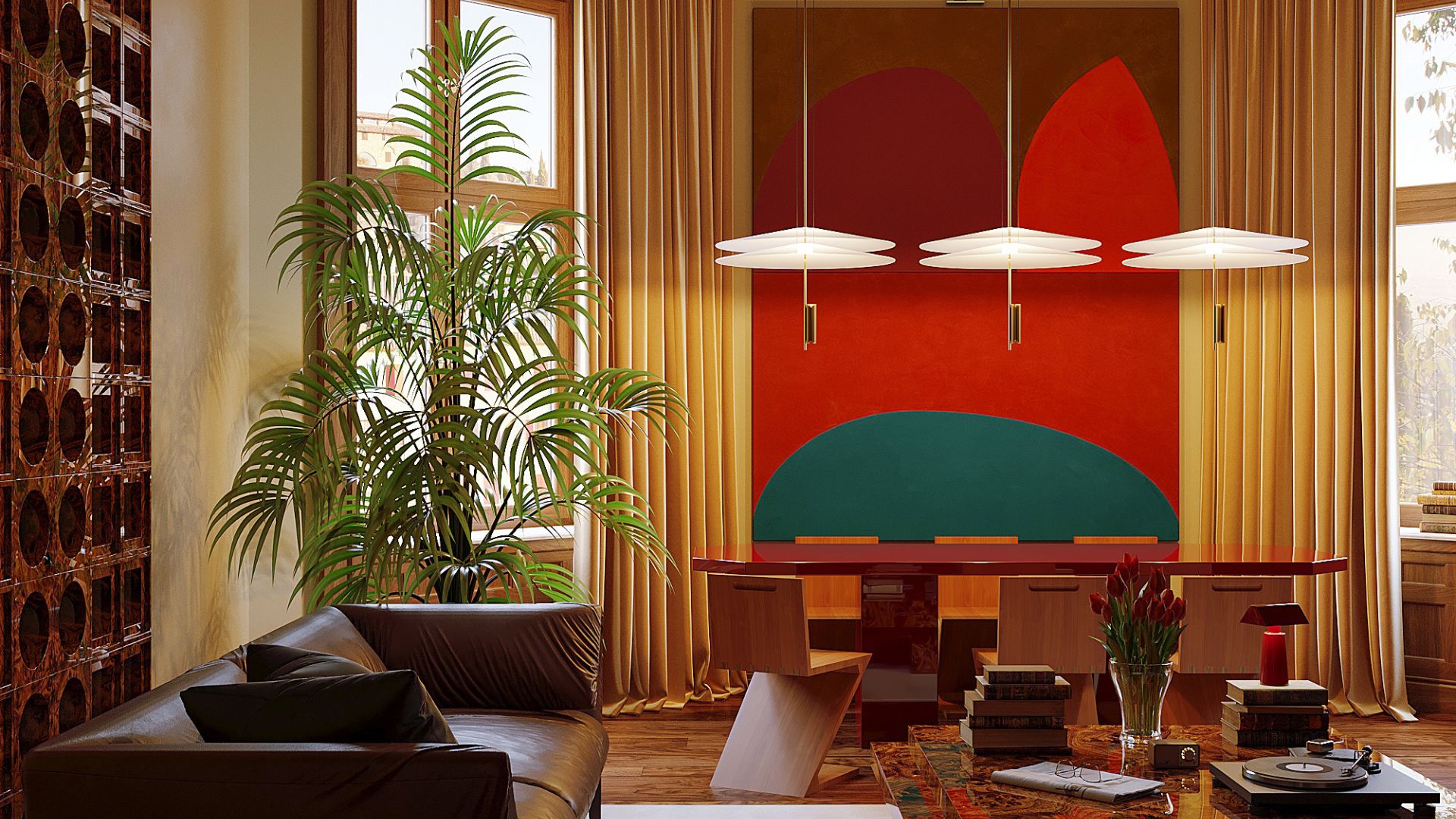
Credit: www.livingetc.com
Essential Gardening Tools
Transform a room into an indoor garden with essential tools like watering cans, pruning shears, and pots. These items help maintain plant health and keep your space green. Enjoy a vibrant, lush environment indoors.
Turning a room into an indoor garden offers a peaceful retreat. To succeed, you need the right tools. Essential gardening tools make your indoor garden thrive. From basic to advanced, each tool plays a role. Let’s explore the must-have tools for your indoor garden.Basic Tools For Indoor Gardening
Start with the basics. Essential tools help maintain your garden. These are easy to find and use:- Watering Can:Choose one with a long spout. It helps reach plant bases.
- Pruning Shears:Keep plants tidy. Trim dead leaves and branches.
- Garden Gloves:Protect your hands. They keep them clean and safe.
- Spray Bottle:Mist your plants. It boosts humidity.
- Pots with Drainage:Prevents overwatering. Choose the right size for your plant.
Advanced Tools For Enthusiasts
For the more devoted gardener, advanced tools enhance the experience. They offer precision and control:- Grow Lights:Provide the right light spectrum. Essential for photosynthesis.
- Moisture Meter:Checks soil moisture. Prevents over or under watering.
- pH Meter:Monitors soil acidity. Helps maintain the ideal pH level.
- Plant Stand:Saves space. Displays plants at eye level.
- Seedling Starter Kit:For growing from seeds. Includes all you need.
Soil And Potting Essentials
Transform your room into a lush indoor garden with the right soil and potting essentials. Choose quality soil for healthy plant growth. Use appropriate pots to ensure proper drainage and root development.
Soil and potting essentials form the backbone of a successful indoor garden. The right soil and pots ensure plants thrive in your indoor space. Proper drainage and suitable soil mix are key components. They help maintain plant health and enhance growth.Choosing The Right Soil Mix
A good soil mix supports plant growth. Look for soil that drains well yet retains moisture. Indoor gardens benefit from a mix of peat moss, vermiculite, and perlite. These components provide a balance of aeration and moisture retention. Some plants need specific soil types. For example, succulents need sandy soil for optimal growth.Pot Selection And Drainage Tips
Choosing the right pot is crucial. Pots should have drainage holes to prevent waterlogging. Waterlogged roots lead to plant diseases. Clay pots are breathable and offer good drainage. Plastic pots retain moisture longer. Consider the plant’s growth when selecting pot size. A pot that’s too small restricts root growth. Too large a pot can lead to excess moisture. Use saucers under pots to catch excess water. This keeps the indoor area clean and tidy.Watering And Maintenance
Regular watering is key to thriving indoor plants. Check soil moisture consistently and adjust based on plant needs. Proper maintenance, including pruning and cleaning, ensures a lush, healthy indoor garden environment.
Watering and maintaining an indoor garden can transform any room into a lush oasis. Consistent care ensures your plants thrive and flourish. Understanding the needs of each plant type is crucial. Some plants require more frequent watering, while others need less. Maintenance also involves pruning and checking for pests, keeping your indoor garden healthy and vibrant.Establishing A Watering Schedule
Determine how often each plant requires water. Observe the soil’s moisture level. Stick your finger an inch into the soil. If it feels dry, it’s time to water. Use room-temperature water for best results. Overwatering can harm plant roots. Always check your plants’ specific needs. Group plants with similar water needs together. This simplifies your watering routine.Pruning And Pest Control
Regular pruning helps plants grow better. Trim dead leaves and stems. This encourages new growth. Use clean, sharp scissors or shears. Pruning also prevents plant diseases. Keep a close eye on your plants for pests. Common indoor pests include aphids and spider mites. Use natural remedies like neem oil. Check leaves’ undersides and soil regularly. Early detection keeps your plants healthy.Incorporating Decorative Elements
Transform your room into a serene indoor garden with decorative elements. Use hanging planters, terrariums, and vibrant pots. These bring nature indoors, adding freshness and color to any space.
Turning a room into an indoor garden involves more than just adding plants. Decorative elements play a crucial role in creating an inviting and harmonious space. They enhance the aesthetic appeal and help your garden room stand out. Let’s explore how you can use art, ornaments, and lighting to elevate your indoor garden.Using Art And Ornaments
Artwork and ornaments can bring your indoor garden to life. Consider adding pieces that reflect nature, like botanical prints or sculptures. These can resonate with the theme of your garden and complement the greenery. Place ornaments strategically among the plants. A small statue nestled between ferns can add charm. Or, hang a vibrant painting above a cluster of succulents to draw the eye. Think about balance. You don’t want art to overshadow your plants, but rather to enhance their beauty. How can a piece of art reflect your style and bring harmony to your garden room?Enhancing With Lighting
Lighting can dramatically transform your indoor garden. It not only highlights your plants but also adds warmth and depth to the room. Use soft lighting to create a cozy atmosphere that invites relaxation. Consider using LED grow lights. They provide the necessary light spectrum for plant growth while adding a modern touch to your space. You can position them to emphasize certain plants and ornaments. Experiment with light fixtures. A hanging lamp above a tall plant can create an elegant look. Or, string lights can add a whimsical feel. How can you use lighting to create a mood that suits your garden room? By thoughtfully choosing art, ornaments, and lighting, you can turn any room into a stunning indoor garden that feels both personal and inspiring.Maximizing Small Spaces
Transform a room into an indoor garden by utilizing vertical space with hanging plants and wall-mounted planters. Opt for multi-level shelving to accommodate various plant sizes and create a lush, green sanctuary. Maximize natural light by placing plants near windows to ensure healthy growth.
Maximizing small spaces for an indoor garden can be fun and rewarding. Small rooms often seem like a challenge, but creativity can transform them. You can use clever tricks to make the most of limited space.Utilizing Multi-functional Furniture
Choose furniture that serves more than one purpose. A bench with storage can hold garden tools. A table with shelves can display plants and store pots. Multi-functional furniture saves space and keeps things organized. You create room for more plants without clutter.Creating Illusions Of Space
Use mirrors to reflect light and make the room seem larger. Hang them opposite windows to maximize sunlight. Vertical gardens draw the eyes up, making ceilings seem higher. Light colors on walls and furniture enhance the sense of space. Choose white or pastel shades for an airy feel.Frequently Asked Questions
How Can I Start An Indoor Garden?
Begin by assessing your space for light and temperature. Choose suitable plants like herbs and succulents. Use quality potting soil and containers with drainage. Regularly water and monitor plant growth. Consider adding grow lights if natural light is limited.
What Plants Are Best For Indoor Gardens?
Opt for low-maintenance plants like spider plants, pothos, and ferns. Herbs like basil, mint, and rosemary thrive indoors. Succulents and peace lilies are also great choices. Select plants based on available light and space.
How Do I Maintain Indoor Garden Plants?
Water your plants according to their needs, usually when the soil feels dry. Ensure proper drainage to prevent root rot. Fertilize monthly with balanced plant food. Prune dead leaves and monitor for pests. Adjust lighting as needed for optimal growth.
Can I Grow Vegetables Indoors?
Yes, many vegetables like lettuce, spinach, and cherry tomatoes can be grown indoors. Use deep containers for root space. Provide adequate light and maintain consistent watering. Regularly harvest for best results and continuous growth.
Conclusion
Creating an indoor garden transforms your space into a green oasis. Plants improve air quality and bring nature indoors. Choose easy-care plants to start. Arrange them in beautiful pots or hanging baskets. Use natural light or LED grow lights for best results.
Water and care for your plants regularly. Watch them thrive. Enjoy the calming effect of greenery around you. Indoor gardening is rewarding and fun. Anyone can create a peaceful, green room. Start small and see your space change. Embrace the joy of growing plants at home.
Your indoor garden awaits.







