Imagine stepping into your garden shed and finding every tool perfectly organized and easy to reach. No more rummaging through piles of equipment or struggling to find that elusive spade.
Sounds great, right? Achieving this level of order is simpler than you think. With a few smart strategies, you can transform your shed into a functional space that makes gardening a breeze. This article will reveal the secrets to storing your garden tools efficiently, ensuring they remain in top condition and ready for action.
Keep reading, because a well-organized shed is not just a dream—it’s within your reach, and you deserve the tranquility it brings to your gardening routine.
Choosing The Right Shed
Selecting the right shed ensures proper storage for garden tools. Consider size, weatherproofing, and shelving options. A well-organized shed keeps tools accessible and protected.
Choosing the right shed is crucial for storing garden tools effectively. A well-chosen shed not only protects your tools but also enhances your garden’s aesthetics. Consider the size, material, and location of the shed before making a purchase. These factors ensure the shed meets your storage needs while fitting seamlessly into your outdoor space.Size Matters
The size of your shed should accommodate all your garden tools comfortably. Measure the area where the shed will be placed. Ensure there’s enough space for future tool additions. A shed that’s too small may lead to clutter, while a large shed may consume unnecessary space.Material Selection
Sheds come in various materials like wood, metal, and plastic. Wooden sheds blend well with natural surroundings. Metal sheds offer durability and are weather-resistant. Plastic sheds are easy to maintain and move. Choose a material that suits your budget and maintenance preferences.Location And Accessibility
Place your shed in a convenient location in your garden. Ensure easy access to tools whenever needed. Avoid areas prone to flooding or excessive sunlight. Consider the ground surface; it should be level and firm for stability.Ventilation And Lighting
Proper ventilation prevents mold and mildew in your shed. Install windows or vents for airflow. Adequate lighting helps find tools easily. Consider adding solar lights or simple LED fixtures inside the shed.Security Features
Secure your shed to protect valuable tools. Choose sheds with lockable doors and sturdy construction. Install a padlock or a security system for added protection. This ensures your tools remain safe from theft or damage.
Credit: hangthisup.com
Organizing Tools By Type
Store garden tools in a shed by categorizing them based on their type. Hang smaller tools on wall hooks. Use shelves for larger items like shovels and rakes. This keeps everything organized and easy to find.
Organizing your garden tools by type is a smart way to keep your shed tidy and ensure you can find what you need quickly. Categorizing tools not only helps in maintaining order but also prolongs their lifespan. Imagine the time saved when your tools are neatly arranged, making your gardening tasks more efficient and enjoyable. Let’s explore how you can organize them effectively.Hand Tools
Hand tools like spades, trowels, and pruners are essential for everyday gardening tasks. Consider hanging them on a pegboard or wall hooks for easy access. Group similar tools together—trowels with trowels, pruners with pruners—so you know exactly where to reach when you’re in the middle of planting or pruning. You might also use a toolbox with compartments to keep smaller hand tools organized and prevent them from getting lost.Power Tools
Power tools require a bit more care due to their size and potential hazards. Store them on sturdy shelves or in cabinets to protect them from dust and moisture. Always ensure cords are neatly wrapped and batteries are stored separately if detachable. Regularly check the tools for maintenance needs; a well-organized space will remind you to keep them in top condition. Have you ever had a power tool malfunction due to improper storage? Keeping them organized can save you from such headaches.Lawn Care Equipment
Lawn care equipment like mowers and trimmers can take up significant space. Designate a specific area in your shed for these bulky items. Use floor space wisely, perhaps by placing larger equipment along the walls and utilizing vertical space for smaller attachments. A rack can be particularly useful for storing items like rakes and hoses. Have you ever found yourself tripping over misplaced equipment? Thoughtful organization prevents clutter and potential accidents. By organizing your tools by type, you create a functional space that serves your gardening needs efficiently. What other methods have you tried to keep your shed organized?Maximizing Vertical Space
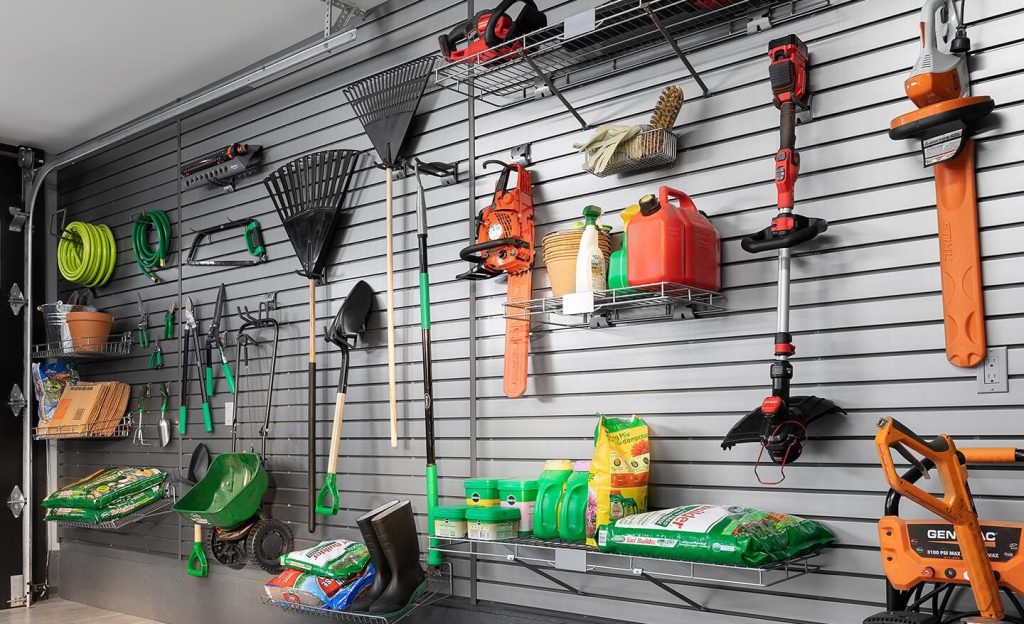
Maximize vertical space in sheds by installing shelves or hooks for garden tools. Hang rakes, shovels, and hoses on walls to free up floor space. Use pegboards for easy access and organization, ensuring tools are readily available and neatly stored.
Maximizing vertical space in your garden shed is a game-changer for keeping everything organized and easily accessible. Imagine walking into your shed and finding your tools neatly hung, ready for action, without having to dig through piles or clutter. Vertical storage not only saves space but also makes it easier to see and grab what you need. Let’s dive into some practical ways to utilize your shed’s vertical space effectively.Using Wall Hooks
Wall hooks are simple yet incredibly effective for storing garden tools. They allow you to hang tools like spades, rakes, and hoes, keeping them off the floor and reducing clutter. Consider using sturdy, weather-resistant hooks that can bear the weight of heavier tools. You might want to arrange the tools according to their size or frequency of use, making it easier to grab what you need quickly.Installing Pegboards
Pegboards are a versatile solution for organizing tools of various sizes and shapes. They offer the flexibility to rearrange hooks and holders as your collection of tools grows or changes. Picture a pegboard filled with neatly arranged tools, each with its designated spot. You’ll not only save space but also give your shed a professional, tidy look. Plus, it’s a fun weekend project to tackle.Shelving Units
Shelving units provide excellent support for storing larger items like pots, fertilizers, or even smaller tools in bins. They utilize vertical space to keep the floor area clear for movement. Think about adjustable shelves that can be customized according to your storage needs. This way, you can shift the shelves to accommodate larger items or change the layout as needed. By maximizing vertical space, you transform your shed into an efficient, organized haven. Which method will you try first to declutter your shed?
Credit: hangthisup.com
Utilizing Overhead Storage
Utilizing overhead storage in your shed can be a game-changer when organizing garden tools. It not only frees up floor space but also makes your tools easily accessible. Imagine walking into your shed and finding everything in its place, ready for your next gardening adventure. Overhead storage solutions can help you achieve just that, and they’re surprisingly easy to implement.
Hanging Baskets
Hanging baskets aren’t just for plants; they can be a perfect solution for small garden tools. Picture a row of baskets suspended from the ceiling, each filled with gloves, hand trowels, and pruning shears. This setup can keep your tools within arm’s reach while adding a bit of charm to your shed. Plus, using baskets is an affordable option; you might already have some lying around unused. Think creatively—what else can you repurpose?
Ceiling Racks
Ceiling racks are perfect for storing larger tools like rakes, hoes, and shovels. These racks can be installed with simple hardware and can bear a significant amount of weight. Picture this: your long-handled tools hanging securely overhead, leaving you plenty of room for other gear below. When considering ceiling racks, measure your space carefully to ensure you maximize storage without compromising accessibility. Have you ever thought about how much unused space is right above your head?
Incorporating overhead storage in your shed will not only help declutter your space but also streamline your gardening process. So, why not try these simple yet effective solutions?
Creating Dedicated Zones
Creating Dedicated Zones Organize your shed by setting specific areas for each type of garden tool. Use hooks, shelves, and bins to keep everything accessible and tidy. This method maximizes space and ensures you can find tools quickly when needed.
Creating dedicated zones in your shed can transform your garden tool storage. It helps keep everything organized and easily accessible. By assigning specific areas for different tasks, you maximize space and efficiency. This ensures that each tool and supply has its own place, reducing clutter and frustration.Tool Maintenance Area
Set up a tool maintenance area in your shed. This zone is essential for keeping tools in good condition. Use a sturdy workbench for sharpening and repairs. Install a pegboard above the bench for hanging tools. This makes them easy to grab and put back. Keep a small container of essential oils and rags for cleaning. A dedicated shelf can hold lubricants and spare parts. Ensure good lighting to see what you’re doing.Potting Station
A potting station is crucial for gardeners. Allocate a corner of your shed for this task. Use a waist-high table for comfort while working. Store pots and trays underneath for easy access. Hang small tools like trowels and pruners on hooks above. A shallow drawer can hold seeds and labels. Keep a bucket of soil nearby for convenience. Label everything clearly to know where items belong.Protecting Tools From Damage
Storing garden tools in a shed helps prevent rust and damage. Hang tools on walls to save space. Keep them dry and clean for longevity.
Protecting your garden tools from damage is crucial to ensure their longevity and functionality. A shed is an ideal place to store them, but how you store them matters just as much. Neglecting proper storage can lead to rust, dullness, and even complete breakdown of your tools. Let’s dive into some effective strategies to protect your garden tools from damage.Rust Prevention
Rust is the silent destroyer of garden tools. To prevent it, ensure your tools are clean and dry before storing them. Moisture is rust’s best friend, so wipe down your tools after use, especially after a rainy day in the garden. Consider using a silica gel pack or a dehumidifier to keep the shed’s interior dry. A simple tip is to coat metal parts with a light layer of oil. Vegetable oil works well and is an eco-friendly option. This layer acts as a barrier between the metal and moisture, significantly reducing the risk of rust.Safe Storage Practices
Proper storage practices can save you from the hassle of replacing tools frequently. Hang tools on walls using hooks or pegboards. This not only keeps them organized but also prevents accidental damage from falling or being stepped on. Use shelves and bins for smaller items. Label them for easy access and to avoid rummaging through piles, which can damage delicate tools. Store sharp tools with the edges covered or in a secure position to prevent injuries. Finally, ensure your shed is locked and secure. This protects your tools from theft and keeps them safe from curious kids or pets. When was the last time you checked your shed’s lock? A small action like this can make a big difference in protecting your investment.Seasonal Storage Tips
Properly storing garden tools in a shed keeps them in good condition. Seasonal storage tips help you maintain and protect your tools. This ensures your tools are ready for use in any season. Below, find useful tips for winterizing and preparing for spring.
Winterizing Tools
Before winter, clean each tool thoroughly. Remove any dirt and debris. This prevents rust and damage. Apply a thin coat of oil on metal parts. This acts as a protective barrier against moisture. Check wooden handles for splinters. Sand them down and apply linseed oil for protection. Store tools in a dry area of the shed. Ensure they are off the ground to avoid moisture.
Spring Preparation
Inspect tools for any damage before spring. Repair or replace broken parts as needed. Sharpen blades and edges to ensure efficient cutting. Clean tools again to remove any dust or cobwebs. Organize your shed to keep frequently used tools accessible. Consider installing hooks or shelves. This helps in maintaining order and ease of access.
Safety And Security
Organize garden tools efficiently and ensure safety by securely hanging tools on walls. Use labeled containers for smaller items. Keep sharp tools out of reach of children to maintain a safe environment.
Storing garden tools in a shed involves more than just organizing. Ensuring safety and security is crucial. This prevents accidents and protects your valuable equipment. A well-secured shed also deters theft. Let’s delve into some effective strategies to keep your tools safe.Locks And Alarms
A sturdy lock on your shed door is essential. Choose a weather-resistant padlock for durability. Consider a lock with a key or combination, based on your preference. Installing an alarm system adds an extra layer of protection. Look for alarms with motion sensors. These alert you if someone tries to access your shed without permission. Regularly check both locks and alarms to ensure they function properly.Child Safety Measures
Tools can be dangerous for children. Store sharp or heavy tools out of their reach. Install shelves or pegboards high on the walls. Use toolboxes with locks for smaller items. Educate children about the dangers of garden tools. Encourage them to ask an adult for help. Consider installing a childproof lock on the shed door. This ensures children cannot enter unsupervised. Safety should always be a priority in any garden shed.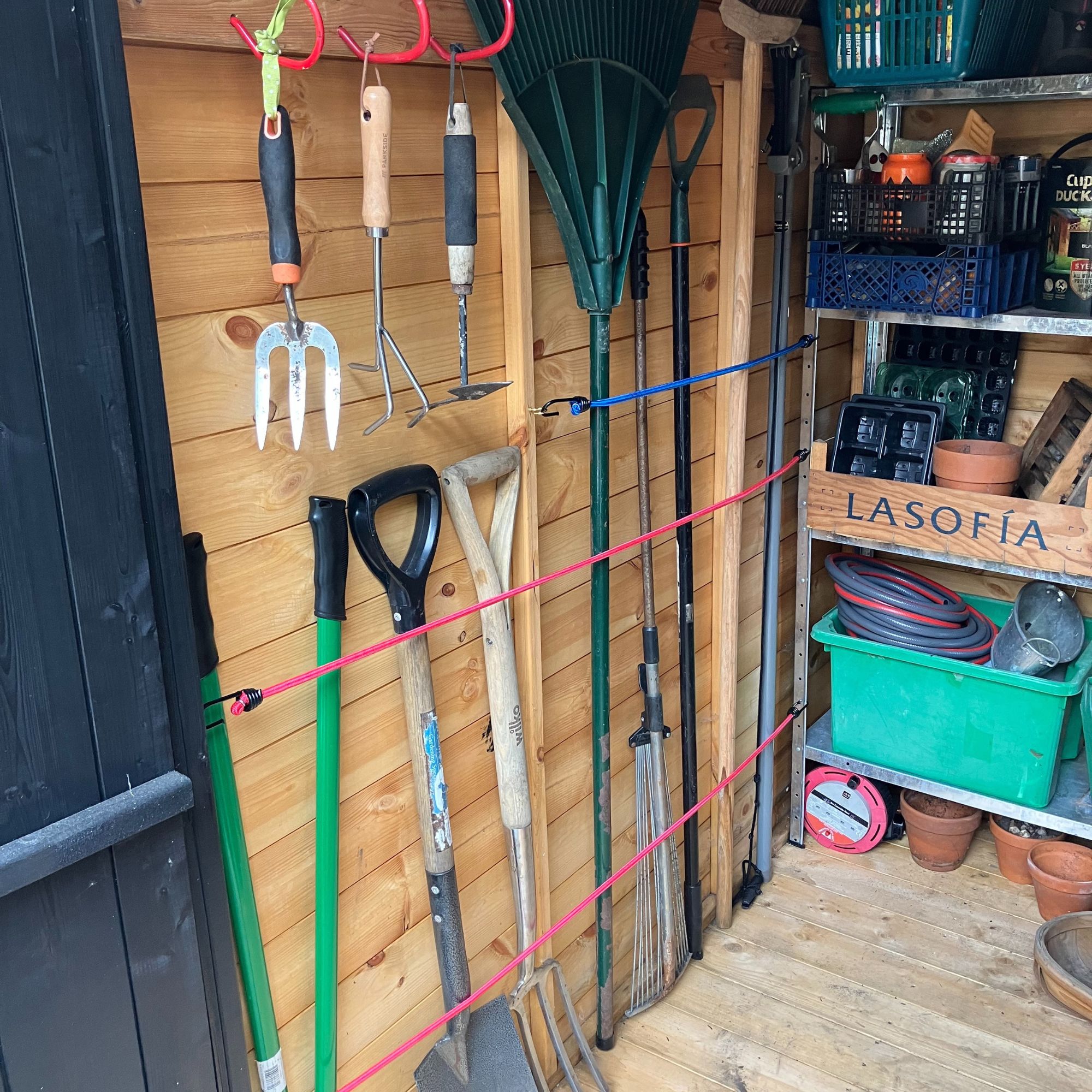
Credit: www.idealhome.co.uk
Frequently Asked Questions
How Do I Organize Tools In A Shed?
Start by categorizing tools by type and frequency of use. Use hooks, shelves, and pegboards for easy access. Label containers for smaller items and utilize vertical space efficiently. Consider using clear bins for visibility. Regularly declutter and maintain order to ensure long-term organization in your shed.
What Materials Are Best For Tool Storage?
Opt for durable materials like metal or heavy-duty plastic for long-lasting storage. Wooden shelves can also work if properly treated. Ensure materials are resistant to rust and moisture. Avoid flimsy options that may break under weight. Proper materials will protect tools and extend their lifespan.
Can Humidity Affect Garden Tools In A Shed?
Yes, humidity can lead to rust and corrosion on metal tools. Use a dehumidifier or ventilation to control moisture levels. Store tools off the ground and in airtight containers when possible. Regularly check for signs of rust and take preventive measures to protect your garden tools.
Are There Space-saving Tips For Tool Storage?
Use vertical space by installing pegboards and shelves. Hang tools on hooks and racks to maximize floor space. Use stackable bins for smaller items. Opt for multi-functional furniture like a workbench with drawers. Regularly assess and reorganize storage to maintain efficiency and space.
Conclusion
Organizing garden tools in a shed keeps your space tidy and efficient. Proper storage prevents rust and damage. Use wall hooks and shelves for easy access. Label bins for small items like seeds and gloves. Group similar tools together. This saves time when gardening.
Maintain a clean environment by sweeping regularly. Consider weatherproof containers for sensitive items. Secure sharp tools out of children’s reach. A well-organized shed makes gardening a joyful experience. Enjoy a clutter-free space that inspires creativity and productivity. Happy gardening!