Do you often find your garden hand tools scattered, misplaced, or even rusted beyond repair? You’re not alone.
Many gardening enthusiasts face the challenge of keeping their tools organized and in top condition. Imagine the frustration of needing that perfect trowel or pruner, only to waste time searching for it. By learning how to store your garden hand tools properly, you can save time, extend the life of your tools, and make your gardening experience much more enjoyable.
In this guide, we’ll share simple, effective strategies to help you maintain an organized and efficient garden space. Curious to find out how? Let’s dive in and transform the way you store your garden tools, ensuring they’re always ready when inspiration strikes.
Choosing The Right Storage Location
Choosing the right storage location for garden hand tools ensures their longevity. It keeps them in good condition and ready for use. Understanding your options helps make informed decisions.
Indoor Vs Outdoor Options
Indoor storage provides protection from weather elements. It keeps tools safe from moisture and rust. Garages and basements are popular choices. They offer security and accessibility.
Outdoor storage can be convenient. It allows quick access to tools during gardening. Sheds and toolboxes are common outdoor solutions. Ensure they are weatherproof to protect tools.
Assessing Climate Conditions
Climate impacts the choice of storage location. Wet climates require indoor storage to prevent rust. Dry climates may allow outdoor storage with proper protection.
Consider temperature fluctuations. Extreme cold can damage tools. Heated indoor spaces are ideal in colder regions. Proper ventilation helps in humid conditions, preventing mold.
Credit: www.homedepot.com
Cleaning And Maintenance
Proper storage of garden hand tools ensures their longevity and efficiency. Clean tools thoroughly to remove dirt. Hang them in a dry place to prevent rust.
Cleaning and maintaining garden hand tools is essential for their longevity. Proper care ensures that they perform efficiently. Neglect can lead to wear and rust, reducing their effectiveness. A simple routine can keep your tools in excellent condition. Let’s explore how to clean and maintain these essential garden helpers.Removing Dirt And Rust
Start by removing dirt from the tools. Use a stiff brush to scrub off soil and debris. For stubborn dirt, soak tools in soapy water for a few minutes. Rinse thoroughly and dry them completely. Rust can weaken tools, so it’s crucial to address it. Use sandpaper or a wire brush to scrub off rust. For heavy rust, consider a rust remover. Always wear gloves to protect your hands during this process.Regular Maintenance Routines
Regular maintenance keeps your tools sharp and functional. Sharpen blades with a file or sharpening stone. Check for loose screws and tighten them as needed. Lubricate moving parts with oil to prevent rust. Store tools in a dry place to avoid moisture buildup. Hang them on a wall or place them in a tool rack. This prevents damage and keeps your workspace organized. Regular checks help catch issues early, extending tool life.Proper Organization Techniques
Proper organization techniques for garden hand tools can save you time, space, and frustration. Imagine reaching for a trowel and finding it effortlessly, or grabbing the right shears without rummaging through a cluttered pile. A well-organized tool area not only keeps your tools in top condition but also makes gardening a more enjoyable experience.
Using Tool Racks And Pegboards
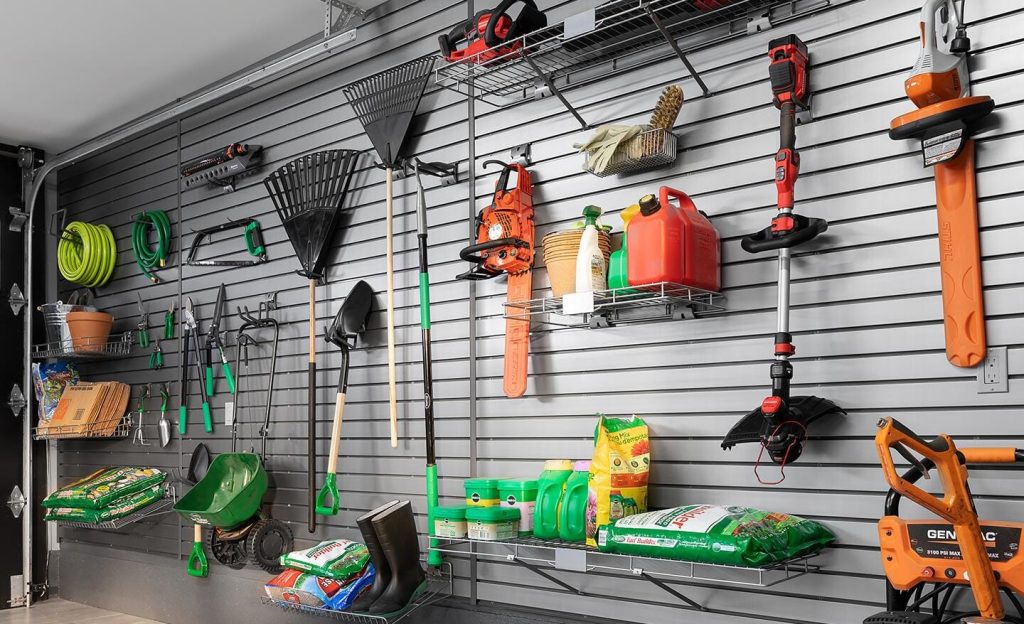
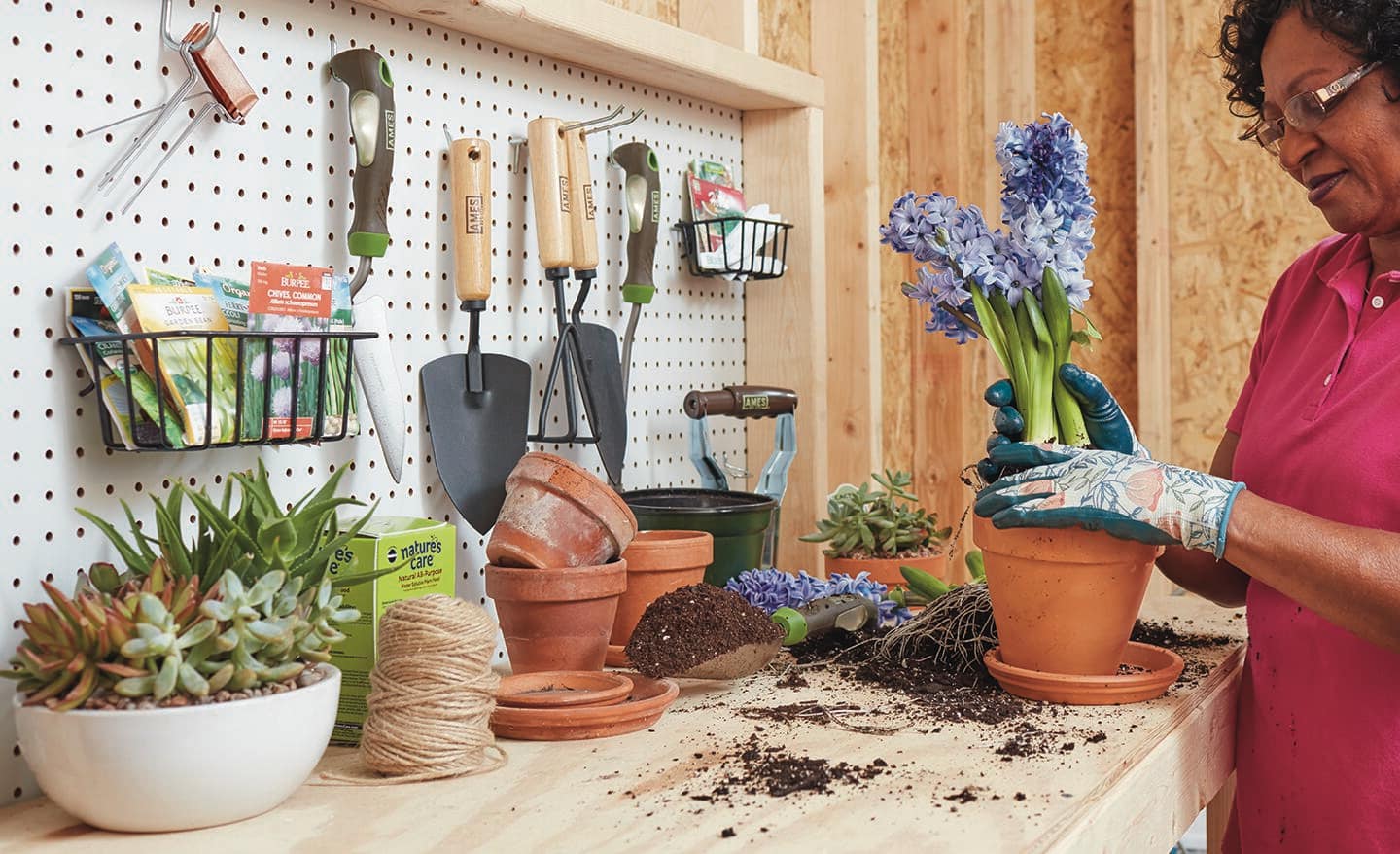
Tool racks and pegboards are fantastic solutions for storing garden hand tools. They provide a visual display that makes it easy to spot what you need quickly. Install a pegboard in your shed or garage and customize the layout according to your tool collection.
- Hang heavy tools like spades and hoes on sturdy hooks.
- Use smaller hooks for lighter items like hand trowels and pruning shears.
- Consider adjustable racks for flexibility as your collection grows.
What if your storage space is limited? A compact tool rack can fit snugly against a wall, maximizing vertical space. Remember to leave some room for future additions to your tool arsenal.
Labeling For Easy Access
Labeling tools and their storage spots can be a game changer. It’s a simple yet effective technique that ensures you’re never searching blindly for what you need. Use clear labels or even color-coded tags for different tool categories.
- Assign specific spots for each tool to prevent clutter.
- Consider labeling shelves or drawers where smaller items are stored.
Have you ever spent more time looking for a tool than actually using it? Labeling helps eliminate that waste of time. Plus, it assists in identifying missing tools quickly, prompting you to retrieve them before they are lost forever.
Do you have a favorite organization technique that has transformed your gardening routine? Share your insights and help fellow garden enthusiasts streamline their space.
Utilizing Protective Covers
Protective covers help keep garden hand tools safe from moisture and dirt. Use covers to prevent rust and damage. Store tools in a dry place, ensuring they last longer.
Storing your garden hand tools properly can extend their life and maintain their performance. One way to ensure their longevity is by utilizing protective covers. These covers serve as a barrier against moisture, dust, and other elements that could lead to rust or damage. Let’s dive into why using tool covers is beneficial and explore the different types available.Benefits Of Using Tool Covers
Protective covers offer several advantages that can help maintain your tools in top-notch condition. First, they prevent rust by shielding tools from moisture. This is especially important if you store your tools in a shed or garage where humidity levels fluctuate. Second, covers help keep dust and dirt off your tools. This means less cleaning for you and more time for gardening. Clean tools not only function better but also reduce wear and tear. Finally, tool covers can prevent accidental injuries. Imagine reaching for a tool and not having to worry about sharp edges or points. This added layer of safety can be a game-changer, especially if you have children around.Types Of Covers Available
There are various covers available to suit different needs and preferences. Fabric covers are popular for their flexibility and ease of use. They are lightweight and can be easily slipped on and off your tools, making them ideal for frequent use. Plastic covers offer a more rigid form of protection. They are excellent for long-term storage as they provide a sturdy barrier against external elements. While they might be bulkier, their durability is unmatched. Custom-fit covers are designed to snugly fit specific tools, offering maximum protection. They might be a bit pricier, but the precision fit ensures that your tools are fully covered. When choosing a cover, consider the environment where you’ll store your tools. Will they be exposed to a lot of moisture or dust? Do you need quick access to them? By answering these questions, you can select the best type of cover to meet your needs. Have you ever thought about how a simple cover could transform your tool storage habits? It’s a small investment that can pay off greatly in the long run.Humidity Control Measures
Humidity can damage your garden hand tools. Metal can rust, and wooden handles can warp. Effective humidity control is vital to maintain tool longevity. Below are some strategies to manage moisture levels.
Using Dehumidifiers
Dehumidifiers can keep moisture at bay. They are efficient in closed spaces. Place a small dehumidifier in your tool shed or garage. It will help maintain a stable, low-humidity environment. Regularly check and empty the water tank to ensure optimal performance. A hygrometer can monitor humidity levels accurately. Aim for a humidity level below 50% to prevent rust and decay.
Natural Solutions For Moisture
Natural solutions can also reduce humidity. Charcoal briquettes are an excellent option. Place them in a container near your tools. They absorb moisture effectively. Replace them every few months for best results.
Silica gel packs work well too. They are small and easy to place around your tools. You often find them in product packaging. Reuse them by drying them out in the sun.
Another simple method is using rice. Fill a sock or cloth bag with rice. Place it in your tool storage area. Rice naturally absorbs moisture. It is an affordable and accessible option for many gardeners.
Safety Considerations
Proper storage prevents accidents and keeps garden hand tools in top condition. Secure tools on hooks or shelves to avoid tripping hazards. Ensure sharp edges are covered to protect fingers and hands.
Storing garden hand tools involves more than just keeping them organized; it’s also about ensuring safety. Proper storage prevents accidents and protects everyone in your household. Let’s dive into some key safety considerations to keep in mind.Child And Pet Safety
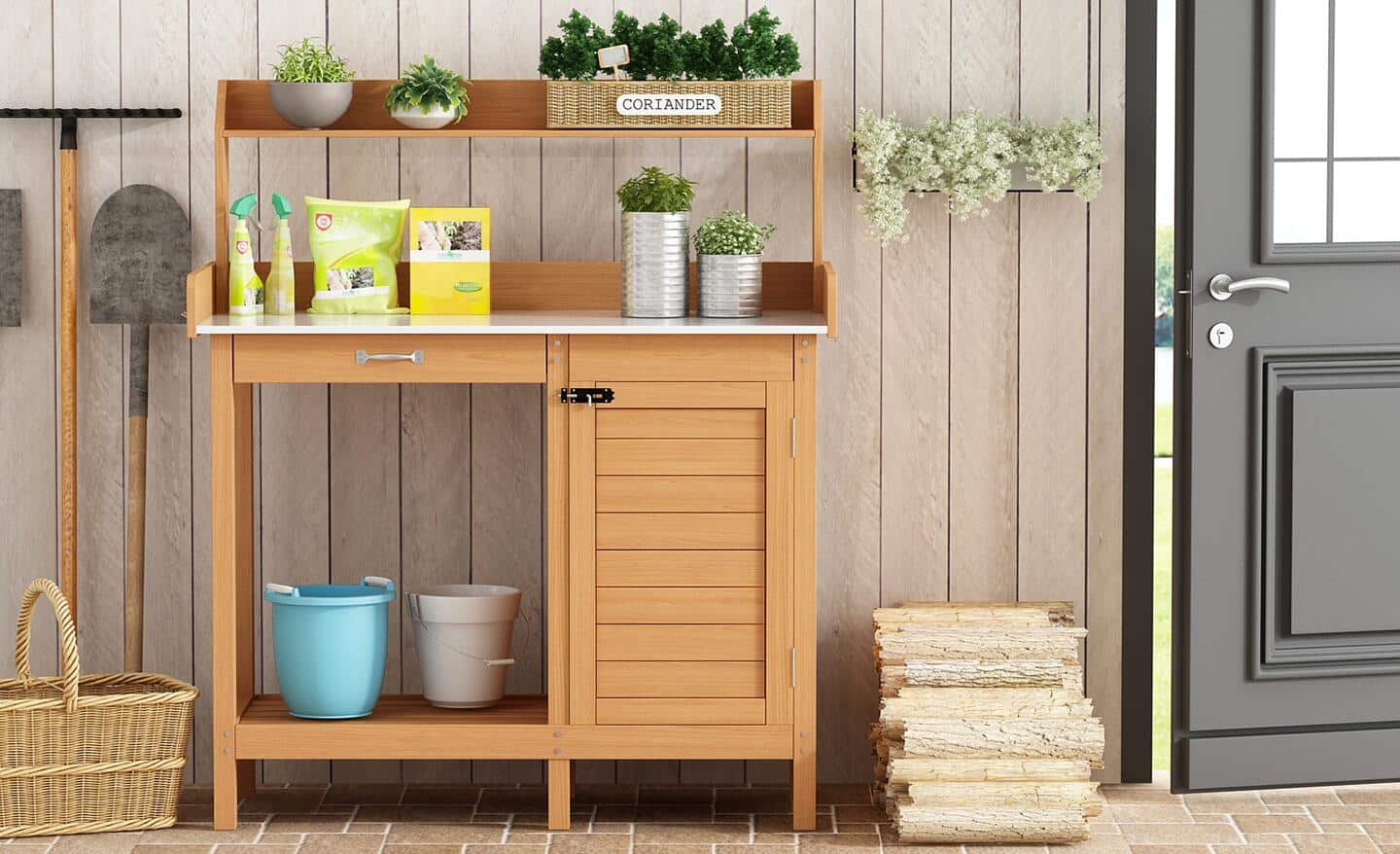
Children and pets are naturally curious and may be drawn to your garden tools. To keep them safe, always store tools out of their reach. Consider using lockable cabinets or high shelves. If you have a dedicated garden shed, make sure it’s secure and inaccessible to little hands or paws. Label sharp tools with warning signs, especially if they’re stored in a communal area. Think about the last time your pet chewed on something they shouldn’t have. Would you want that to be a sharp pruner or spade? Prioritize safety to avoid potential hazards.Preventing Accidents
Accidents often happen when we least expect them. Keeping tools properly stored can significantly reduce the risk of injury. Use wall hooks or pegboards to keep sharp tools off the ground. Ensure handles are visible and not sticking out where someone can trip over them. Regularly check your storage area for any loose or unstable items. When was the last time you reorganized your tools? A few minutes spent organizing can prevent months of regret from an accident. Keep your space tidy to ensure a safe environment for everyone.Regular Inspection And Repairs
Regular inspection and repairs help keep garden hand tools in top shape. Check for rust, loose parts, and sharpness. Fix any issues promptly to extend tool life.
Regular inspections are key to extending the life of garden hand tools. By checking tools often, you catch small problems before they grow. This habit ensures tools work well and stay safe to use. Consistent care means fewer costly repairs later.Identifying Wear And Tear
Inspect tools for rust and dents. Look for cracks in handles or loose parts. Sharp edges should be smooth and free from chips. Check moving parts for easy operation. Any stiffness might need lubrication. Notice any unusual noises during use. These signs indicate wear needing attention.Quick Fixes And Professional Repairs
Simple fixes save money and time. Tighten loose screws with a screwdriver. Use oil to lubricate stiff joints. Sand rusty spots and apply rust-resistant paint. Replace broken handles with new ones. For complex issues, seek professional help. Experts can handle major repairs safely. Professional services ensure tools return in top condition.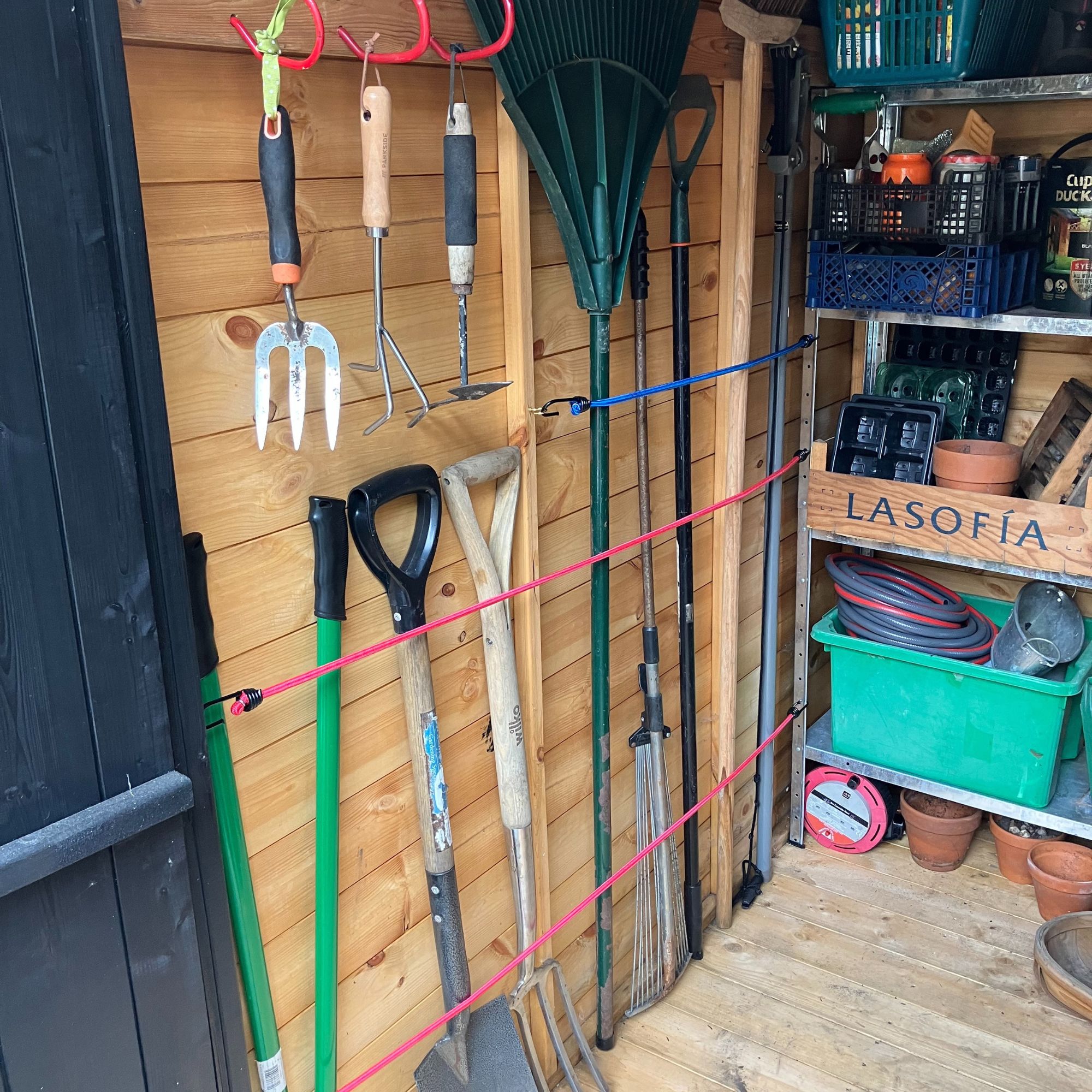
Credit: www.idealhome.co.uk
Credit: www.homedepot.com
Frequently Asked Questions
How Do I Clean Garden Hand Tools?
Cleaning garden hand tools involves removing dirt and rust. Use a wire brush or sandpaper to scrub off debris. Wash with soap and water, then dry thoroughly. Regular cleaning helps maintain their efficiency and longevity, preventing damage and rust accumulation over time.
What’s The Best Way To Store Tools?
Store tools in a cool, dry place to avoid rust. Use hooks, racks, or pegboards for easy access. Consider toolboxes or cabinets for organized storage. Proper storage ensures tools remain in good condition and are readily available when needed.
How Often Should Tools Be Maintained?
Maintain garden hand tools after every use. Clean them thoroughly and dry them to prevent rust. Sharpen blades regularly and oil moving parts to ensure smooth operation. Routine maintenance extends the lifespan of your tools and keeps them efficient.
Are Tool Protectors Necessary?
Tool protectors are beneficial for preventing damage and rust. Covers and sheaths protect blades and edges. They also offer safety when storing and handling tools. Investing in protectors can enhance the durability and safety of your garden hand tools.
Conclusion
Proper storage keeps garden tools in good shape. Clean them after each use. Hang tools to save space and prevent rust. Use a shed or garage for storage. Protect tools from extreme weather. Organize tools by type or size. Regularly check tool condition.
Fix or replace broken ones. Label shelves for easy finding. Good storage saves time and money. Your tools last longer, making gardening more enjoyable. Keep your garden tidy and tools ready. Enjoy a neat, efficient gardening space.







