Imagine stepping into your kitchen, reaching for fresh basil or mint, and realizing you can pluck them straight from your own indoor herb garden. With just a little effort, you can transform your living space into a vibrant, aromatic haven.
Starting an indoor herb garden isn’t just a hobby; it’s a lifestyle choice that enhances your cooking, improves your mood, and brings nature closer to you. Whether you’re a seasoned chef or a curious beginner, growing your own herbs can be a fulfilling and rewarding experience.
You’ll find that nurturing your green thumb is easier than you think, and the benefits are within reach. Let’s delve into how you can turn your home into a fresh herb paradise, all year round. Discover simple steps and expert tips that will help your garden thrive, ensuring you never have to settle for dried herbs again.
Credit: thegardeningcook.com
Choosing The Right Herbs
Choosing the right herbs for your indoor garden is crucial to ensure a thriving and productive green space. Different herbs have varying needs, and selecting those that suit your environment and skill level can make all the difference. Whether you’re a beginner or an experienced gardener, finding herbs that fit your lifestyle and climate can enhance your growing experience.
Beginner-friendly Options
Starting with herbs that are easy to grow can boost your confidence and success rate. Consider planting basil, mint, or chives. These herbs are forgiving and adapt well to indoor conditions.
- Basil:Known for its aromatic leaves, basil thrives in sunny spots. It’s perfect for adding flavor to your homemade dishes.
- Mint:Mint grows rapidly and can be harvested frequently. Its refreshing taste is great for teas and cocktails.
- Chives:With a mild onion flavor, chives are versatile in cooking. They require minimal care, making them ideal for beginners.
Have you considered how much time you can dedicate to your herb garden? Choosing herbs that match your schedule can lead to a more rewarding experience.
Herbs For Different Climates
Your local climate plays a significant role in herb selection. Even indoors, factors like temperature and humidity affect growth. Tailoring your choices to your climate can prevent common growing issues.
| Climate | Recommended Herbs |
|---|---|
| Cool and Dry | Thyme, Oregano, Sage |
| Warm and Humid | Basil, Cilantro, Lemongrass |
If you live in a cooler region, herbs like thymeand sageare resilient and thrive in drier conditions. In warmer, humid areas, cilantroand lemongrasscan flourish.
Before planting, consider the natural environment of each herb. Does your home mimic these conditions? Adjustments like a humidifier or a sunny window can make your garden more successful.

Credit: www.monstera-app.com
Essential Supplies
Start your indoor herb garden with essential supplies like pots, soil, seeds, and a sunny spot. Good drainage and regular watering help herbs thrive. Enjoy fresh flavors right from your windowsill.
Starting your indoor herb garden can be an exciting and rewarding venture. One of the key aspects to ensure success is having the right supplies. Each item plays a crucial role in the growth and health of your herbs, and having them ready will make the process smooth and enjoyable.Containers And Pots
Choosing the right containers can make a big difference in your herb garden. You need pots with good drainage to avoid waterlogged roots. Terracotta pots are a popular choice due to their breathability, which helps prevent root rot. Consider the size of your herbs. Smaller herbs like thyme or basil can thrive in smaller pots, while larger ones like mint might need more space. You can even get creative and use recycled containers, just make sure they have drainage holes.Soil And Fertilizers
The right soil is essential for healthy herbs. Choose a high-quality potting mix that provides good drainage and aeration. Some people opt for a mix specifically designed for herbs, which can be found at most garden centers. Fertilizers can give your herbs a nutrient boost. Look for organic options to keep your herbs chemical-free. Remember, over-fertilizing can harm your plants, so follow the package instructions carefully.Tools For Maintenance
Having the right tools makes maintenance easier and more effective. A small trowel is perfect for planting and repotting. Pruning shears help keep your herbs healthy by removing dead leaves and stems. Don’t forget a watering can with a narrow spout. This allows you to water at the base of the plant without wetting the leaves, which can prevent disease. You might wonder, are these supplies really necessary? The short answer is yes. Each item plays a vital role in ensuring your indoor herb garden thrives. With the right supplies, you’re set for a successful and enjoyable gardening experience.Setting Up Your Space
Setting Up Your Space Choose a sunny spot for your indoor herb garden. Use pots with drainage holes to prevent waterlogging. Ensure easy access to water and proper ventilation for healthy growth.
Setting up your indoor herb garden is an exciting venture that begins with choosing the right space. This decision sets the foundation for your plants’ health and productivity. Whether you’re working with a sunny windowsill or a cozy kitchen corner, the space you select will play a crucial role in your gardening success.Optimal Lighting Conditions
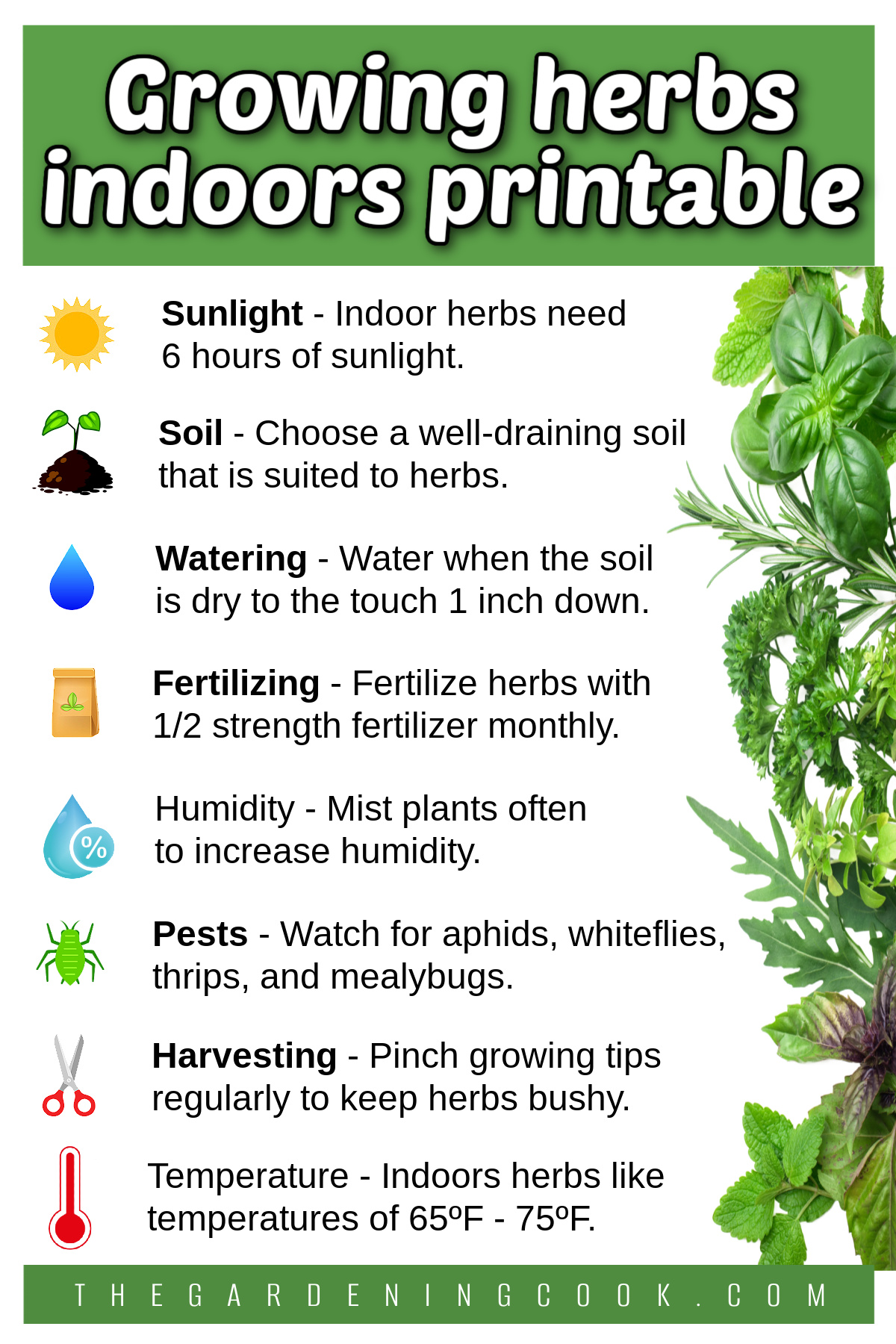
Lighting is a vital factor in the growth of your herbs. Herbs like basil, parsley, and thyme thrive in bright, indirect sunlight. If your home lacks natural light, consider using LED grow lights, which mimic sunlight and can be adjusted to fit your needs. Position your garden where it receives at least six hours of sunlight daily. A south-facing window is ideal, but east or west-facing windows can also work. It’s fascinating how much difference the right light makes in your herbs’ flavor and aroma.Space Considerations
Think about where you can best accommodate your herb garden without disrupting your daily activities. A compact kitchen shelf or a dedicated space on your counter could be perfect spots. Make a list of available spaces in your home and measure them. This helps in selecting appropriate containers and planning for future growth. Consider using vertical space if horizontal space is limited. Hanging planters or wall-mounted shelves are great solutions. Your creativity in maximizing space can lead to a flourishing and organized herb garden. Are there any underutilized areas in your home that could transform into a green sanctuary?
Credit: goebbertspumpkinfarm.com
Planting Techniques
Begin your indoor herb garden by choosing small pots with good drainage. Use potting soil suitable for herbs. Position them on a sunny windowsill and water regularly. Enjoy fresh flavors right at home.
Starting your indoor herb garden is an exciting venture, and using the right planting techniques can make all the difference in your success. Understanding the nuances of planting can help ensure your herbs thrive. Whether you’re sowing seeds or planting seedlings, each choice has its own set of techniques to consider.Seeds Vs. Seedlings
Choosing between seeds and seedlings can feel like a big decision, but it depends on your patience and preference. Seeds offer the joy of watching your herbs grow from scratch, although they require a bit more time and care. Seedlings, on the other hand, are perfect if you’re looking for quicker results and a bit of a head start. Consider factors like light availability and the season when making your choice. If you’re starting in the middle of winter with limited sunlight, seedlings might be the better option. However, if you enjoy nurturing plants from their earliest stages, seeds could be the rewarding path for you.Proper Planting Depth
The depth at which you plant your seeds or seedlings is crucial for their growth. Planting too deep can prevent seeds from getting the light they need to germinate, while planting too shallow can leave seedlings unstable. A general rule of thumb is to plant seeds at a depth that is twice their size. For seedlings, ensure that the roots are fully covered with soil, while keeping the leaves above ground. This provides the roots with the opportunity to establish themselves firmly. Adjusting the depth based on the plant’s requirements can significantly affect your herb garden’s success. Think about the last time you planted something. Did you pay attention to the depth? It’s a small detail, but it can make a world of difference in the health and growth of your herbs.Watering And Care
Proper watering is key for a thriving indoor herb garden. Ensure soil remains moist but not waterlogged. Regularly check for signs of dryness and adjust watering accordingly.
Watering and caring for your indoor herb garden is vital to ensure your herbs thrive. The good news is, with a little attention and the right approach, your indoor herbs can flourish beautifully. Let’s dive into the essentials of watering and maintaining your indoor herb garden for lush and vibrant growth.Watering Schedule
Developing a consistent watering schedule is key. Most indoor herbs prefer their soil to be slightly dry between waterings. You can check this by sticking your finger about an inch into the soil. If it feels dry, it’s time to water. Avoid overwatering, as this can lead to root rot. Use a pot with drainage holes to prevent water from accumulating at the bottom. Consider using a spray bottle for delicate herbs like basil and cilantro to mist their leaves lightly.Preventing Common Pests
Indoor herbs are not immune to pests, but you can keep them at bay with some simple practices. Regularly inspect your herbs for signs of pests such as aphids or spider mites. If you notice any, remove them by hand or use a gentle, soapy water spray. Keep your herbs healthy by ensuring good air circulation around them. This can be achieved by spacing them out adequately and occasionally rotating their pots. You might wonder, can a simple fan help? Yes, it can! A small fan can help reduce humidity levels and deter pests from settling on your herbs. Does your indoor herb garden have any other specific needs or challenges? Remember, each plant may have its own quirks, so pay attention to their individual requirements for the best results.Harvesting Your Herbs
Begin your indoor herb garden by selecting easy-to-grow varieties like basil and mint. Ensure proper light and temperature conditions for healthy growth. Regularly trim your herbs to encourage bushy growth and vibrant flavors.
Harvesting your herbs is a rewarding experience. It marks the fruition of your nurturing efforts. Proper harvesting ensures your herbs remain lush and productive. Knowing the right time and technique is key. This ensures the best flavor and growth.Best Harvest Times
Timing is crucial for flavorful herbs. Harvest in the morning after dew dries. This is when oils are most concentrated. Avoid harvesting in the heat of midday. Leaves can wilt and lose flavor. For many herbs, just before flowering is ideal. This is when their taste peaks.Techniques For Harvesting
Use sharp scissors or garden shears. This prevents damage to the plant. Snip above a leaf node to encourage growth. Pick leaves from the outside first. This allows the center to keep growing. For annual herbs, harvest often. This promotes bushier growth. Perennials need gentle handling. Trim lightly to avoid stress.Maximizing Yield
Creating an indoor herb garden is simple and rewarding. Choose containers that fit your space and ensure proper drainage. Position your herbs near sunlight and water them regularly for maximum growth.
Maximizing yield in your indoor herb garden requires smart strategies. You can enjoy a bountiful harvest with the right techniques. Simple adjustments can lead to more herbs on your plate.Pruning For Growth
Pruning is essential for healthy herb growth. Trim your herbs regularly to encourage new shoots. Use clean scissors to avoid infections. Cut just above a leaf node for best results. This practice helps plants grow fuller and bushier. Pruned herbs focus energy on producing new leaves. Remove dead or yellowing leaves promptly. This keeps the plant healthy and vibrant.Companion Planting Tips
Companion planting boosts herb yields. Certain herbs grow better next to others. Basil thrives with tomatoes, enhancing flavor and growth. Pair mint with cabbage to deter pests. Keep rosemary near beans to improve their taste. Avoid planting dill near carrots, as it hinders their growth. Mixing compatible herbs can improve soil health. This technique also saves space in your indoor garden.Creative Uses For Herbs
Starting an indoor herb garden is simple and rewarding. It brings fresh flavors to your kitchen year-round. Cultivate herbs like basil, mint, and rosemary on a sunny windowsill.
Starting an indoor herb garden opens a world of creative uses. Fresh herbs add flavor and fragrance to daily life. They are versatile and easy to grow at home. Discover the many ways herbs can enrich your world.Culinary Applications
Herbs elevate simple dishes to gourmet levels. Basil adds a fresh touch to pasta. Rosemary enhances roasted vegetables with earthy notes. Thyme pairs well with chicken and fish, giving them a savory twist. Mint refreshes salads and desserts alike. Experiment with different combinations for unique flavors. Homegrown herbs are fresher and more aromatic than store-bought ones. This makes them perfect for enhancing meals.Herbal Remedies
Herbs offer natural alternatives for minor health issues. Chamomile soothes stress and aids sleep. Peppermint tea can relieve headaches and digestive problems. Lavender calms the mind and reduces anxiety. Eucalyptus helps clear congestion during colds. Growing these herbs at home ensures a fresh supply. Always consult a healthcare professional before trying herbal remedies. They can complement traditional treatments, not replace them. Explore the benefits of herbs in daily wellness routines.Frequently Asked Questions
What Herbs Can I Grow Indoors?
You can grow herbs like basil, mint, rosemary, thyme, and parsley indoors. These herbs thrive in small pots and require minimal sunlight. With proper care, including regular watering and occasional fertilizing, these herbs can flourish year-round indoors.
How Much Sunlight Do Indoor Herbs Need?
Indoor herbs generally need around 6 hours of sunlight daily. Place them near a south-facing window for optimal light. If natural sunlight is limited, consider using LED grow lights to ensure healthy growth.
What Soil Is Best For Indoor Herbs?
Use well-draining potting soil for indoor herbs. A mix of peat, perlite, and vermiculite works well. This soil blend retains moisture while preventing root rot, promoting healthy growth and vibrant leaves.
How Often Should I Water My Indoor Herbs?
Water your indoor herbs when the top inch of soil feels dry. Avoid overwatering to prevent root rot. Ensure pots have drainage holes to allow excess water to escape, keeping the roots healthy.
Conclusion
Starting an indoor herb garden is simple and rewarding. Fresh herbs at home add flavor to meals. They also bring natural beauty indoors. With basic supplies and a little care, anyone can succeed. Choose herbs that suit your taste and space.
Remember to water them and provide enough light. Enjoy watching your herbs grow and thrive. It’s a fun project for all ages. Plus, growing your own herbs saves money. Try it today and experience the joy of gardening indoors. Happy planting!