
Winter might be beautiful, but it can be tough for those of us who love gardening. You miss the smell of fresh soil and the satisfaction of nurturing your own plants.
But guess what? You don’t have to wait for spring. You can start a garden indoors right now! Imagine having vibrant greens and colorful blooms brightening up your home, even when it’s cold outside. Starting an indoor garden is simpler than you think, and you can enjoy the benefits of gardening year-round.
Keep reading to discover easy tips and tricks to create your own indoor oasis, where every day feels like a breath of fresh, green air.

Credit: www.themillstores.com
Choosing The Right Space
Find a bright spot to grow your indoor garden. Ensure adequate sunlight for healthy plant growth. Consider the size and space available for your indoor setup.
Choosing the right space is crucial for indoor gardening during winter. The space you select will influence the growth and health of your plants. Consider factors like lighting, temperature, and space availability to create an optimal environment.Lighting Considerations
Plants need adequate light to thrive. Natural sunlight is best, but winter days are short. Place your garden near south-facing windows. If natural light is insufficient, use grow lights. LED grow lights are energy-efficient and mimic sunlight. Ensure your plants receive 12-16 hours of light daily.Temperature Control
Temperature plays a vital role in plant health. Most plants prefer temperatures between 60-75°F. Avoid placing plants near drafts or heat sources. Use a thermometer to monitor room temperature. If needed, use space heaters to maintain warmth. Ensure air circulation to prevent mold and mildew.Space Availability
Assess the space you have available. Small apartments may require creative solutions. Use shelves or vertical gardens to maximize space. Choose compact containers and planters. Consider the plant’s growth potential when selecting containers. Ensure there is room for each plant to grow and spread.Selecting Indoor Plants
Creating a cozy indoor garden during winter starts with selecting the right plants. Choose low-light and easy-care varieties like pothos or snake plants. These thrive indoors with minimal sunlight, making them perfect for chilly months.
Starting a garden indoors during winter is a delightful way to bring nature inside. Selecting the right indoor plants is crucial for a thriving garden. Indoor gardening offers diverse options, from edible plants to decorative ones. Choosing wisely ensures your plants flourish in a cozy environment. Let’s explore the best choices for indoor gardening.Best Vegetables For Indoors
Certain vegetables adapt well to indoor conditions. Leafy greens are top contenders. Spinach and lettuce thrive in pots. They require minimal space and light. Cherry tomatoes are another option. They grow well on sunny windowsills. Peppers are also suitable. Their vibrant colors add beauty to your space.Top Herbs To Grow Inside
Herbs are perfect for indoor gardens. Basil is popular for its aroma. It needs sunlight and regular watering. Mint is easy to maintain. It grows quickly and is versatile. Parsley is a robust choice. It flourishes in small pots. Rosemary adds flavor and fragrance. It prefers bright spots.Choosing Decorative Plants
Decorative plants enhance your indoor garden’s beauty. Succulents are a top choice. They require little water and care. Peace lilies add elegance with their white blooms. Spider plants are hardy and adaptable. They purify air and grow in low light. Orchids provide stunning flowers. They need indirect sunlight and humidity.Essential Gardening Tools
Starting a garden indoors during winter requires essential tools like grow lights, pots, and soil. Choose adjustable LED grow lights to mimic sunlight for healthy plant growth. Use quality soil and well-draining pots to ensure plants thrive in a cozy indoor environment.
Starting a garden indoors during winter offers a cozy escape. With the right tools, nurturing plants in your home becomes simple. This section explores the essentials needed to kick-start your indoor garden journey.Basic Equipment
Investing in basic equipment is key to starting your indoor garden. Pots are essential for holding soil and plants. Choose sizes based on the plant’s growth needs. Ensure drainage holes are present to prevent waterlogging. Soil is another fundamental component. Opt for high-quality potting mix designed for indoor plants. This mix offers nutrients and aids in water retention. Watering cans with narrow spouts allow precise watering, preventing over-saturation. Lighting is crucial for indoor gardening. Consider LED grow lights. They mimic sunlight, promoting healthy plant growth. Select adjustable options to cater to different plant heights.Advanced Tools For Indoor Gardening
For more seasoned gardeners, advanced tools enhance the indoor gardening experience. Humidity monitors help maintain optimal moisture levels. These are vital for plants that thrive in specific humidity ranges. Timers automate lighting schedules. They ensure plants receive consistent light exposure. This tool is especially useful for busy individuals. Hydroponic systems offer a soilless growing option. They are perfect for those looking to maximize space. These systems provide nutrients directly to plant roots, fostering rapid growth.Maintenance Supplies
Maintenance supplies keep your indoor garden thriving. Fertilizers provide essential nutrients to support plant health. Choose types suitable for indoor plants and follow application guidelines. Pest control solutions are vital in preventing infestations. Opt for natural sprays to keep pests at bay. Regular checks help maintain plant health and prevent damage. Pruning shears are necessary for shaping plants. They remove dead leaves and encourage new growth. Keep them sharp for clean cuts. Regular maintenance ensures your indoor garden flourishes during winter months.
Credit: www.instagram.com
Soil And Fertilization
Starting a garden indoors during winter can be a delightful and rewarding experience, but the key to success lies in understanding soil and fertilization. Your choice of soil and fertilizer can dramatically impact the health of your plants. Let’s dive into how you can make informed decisions to nurture your indoor garden.
Choosing The Right Soil
The soil you choose sets the foundation for your indoor garden. Look for potting soil that offers good drainage and aeration. You might be surprised to know that regular garden soil is often too dense for indoor plants.
Consider using a lightweight mix specifically designed for indoor gardening. These mixes often contain peat moss and perlite, which help retain moisture while ensuring proper drainage.
Have you ever checked the pH level of your soil? A balanced pH is crucial for nutrient absorption. Most indoor plants thrive in slightly acidic to neutral soil, so choose accordingly.
Organic Vs. Synthetic Fertilizers
Deciding between organic and synthetic fertilizers can be challenging. Organic fertilizers, such as compost or fish emulsion, enrich the soil with nutrients gradually. They can improve soil structure and promote healthy microbial activity.
Synthetic fertilizers, on the other hand, provide nutrients quickly. They’re often more concentrated, but they can lead to nutrient build-up and potential plant damage if not used carefully.
Which route will you choose? Consider your priorities: organic fertilizers are sustainable and improve soil health over time, while synthetic fertilizers offer immediate results.
Soil Maintenance Tips
Maintaining your indoor soil is crucial for plant health. Regularly check for signs of compaction or salt build-up, which can hinder plant growth.
Are you watering your plants correctly? Overwatering can lead to root rot, while underwatering can dry out the soil. Ensure you have a consistent watering schedule.
Finally, consider rotating your pots occasionally. This ensures even light exposure and prevents soil from becoming unevenly compacted.
Watering Techniques
Starting a garden indoors during winter presents unique challenges, especially when it comes to watering. Finding the right balance can make or break your indoor garden. The secret lies in understanding the specific needs of each plant and developing a consistent yet flexible watering routine. Let’s dive into some practical techniques to keep your indoor garden thriving.
Understanding Plant Needs
Every plant has its own unique hydration requirements. Observe your plants closely; some might prefer dry soil, while others thrive in a more moist environment. Check the texture of the soil regularly. If it feels dry and crumbly, it might be time to water. On the other hand, if it’s damp and heavy, your plants may need a break from hydration.
Experiment with different amounts of water for each plant. Sometimes, less is more, especially in a controlled indoor environment. Consider the plant’s native habitat; does it usually grow in a dry or wet climate? This can give you clues on how to adjust your watering habits.
Watering Schedule
Creating a watering schedule can help maintain consistency. Start by watering every few days, but adjust based on observation and feedback from your plants. Use reminders or a calendar to keep track of watering days. This prevents forgetfulness and helps build a routine.
Remember, factors like room temperature and humidity can affect your schedule. Warmer rooms might require more frequent watering, while cooler areas may need less. Pay attention to seasonal changes inside your home. This can subtly impact your watering needs.
Avoiding Overwatering
Overwatering is a common pitfall in indoor gardening. It can lead to root rot and other issues that can damage your plants. Always check the soil’s moisture before adding more water. If you’re unsure, wait another day and check again.
Consider using pots with drainage holes. This simple feature allows excess water to escape, minimizing the risk of overwatering. Trust your instincts and observe your plants’ health. If they look wilted or yellow, you might be overwatering. Adjust accordingly and give them time to recover.
How do you ensure you’re not drowning your indoor garden? Share your watering tips in the comments below!
Managing Pests And Diseases
Starting a garden indoors during winter requires careful pest and disease management. Use sterile soil to minimize risks and inspect plants regularly for early detection. Maintain proper humidity and airflow to prevent mold and mildew.
Managing pests and diseases indoors can be a challenge. Winter months often bring unwanted guests to your indoor garden. These pests can damage plants and hinder growth. Diseases can spread quickly in a confined space. Early detection and control are vital. Understanding common pests and remedies can help maintain a healthy garden.Identifying Common Indoor Pests
Indoor gardens attract various pests. Aphids are small and often cluster on leaves. Spider mites are tiny and leave webbing on plants. Fungus gnats are little flies that hover around soil. Mealybugs appear as white cottony spots on stems. Each pest leaves distinct signs. Regular inspection is crucial. Look for unusual spots or patterns on leaves.Natural Remedies
Natural solutions can control pests effectively. Neem oil is a popular choice. It disrupts pest life cycles. Soap sprays can suffocate soft-bodied insects. Garlic and chili sprays repel many pests. Introduce beneficial insects like ladybugs. They consume aphids and mites. Keep plants clean and free of debris. Dust and grime attract pests.When To Use Chemical Solutions
Chemical solutions may be necessary for severe infestations. Use them as a last resort. Read labels carefully for safe application. Choose products specific to the pest problem. Avoid using broad-spectrum pesticides indoors. They can harm beneficial insects and human health. Ensure proper ventilation during application. Follow up with natural methods for maintenance.Enhancing Growth With Technology
Growing a garden indoors during winter can seem challenging, but technology has made it easier than ever. By integrating the right gadgets and systems, you can create a thriving indoor garden, even in the coldest months. Let’s dive into some tech tools that can transform your indoor gardening experience.
Using Grow Lights
Grow lights are essential for indoor gardening, especially during winter when daylight is limited. They mimic the natural sunlight that plants need to photosynthesize and grow.
LED grow lights are popular due to their energy efficiency and ability to provide a full spectrum of light. You can adjust them according to the specific needs of your plants. Have you tried setting a timer on your grow lights to ensure your plants get the right amount of light each day?
Automated Watering Systems
Consistency is key when it comes to watering your indoor plants. Automated watering systems can save you time and ensure your plants receive the right amount of water.
These systems range from simple drip setups to more sophisticated ones that can be controlled via smartphone apps. Consider how much easier it would be to maintain your garden without the worry of over or under-watering.
Smart Gardening Devices
Smart gardening devices are game-changers for indoor gardens. These tools can monitor soil moisture, temperature, and even nutrient levels.
Devices like smart sensors can send alerts to your phone, providing real-time updates on your plants’ health. Imagine receiving a notification that your plant needs more light or water. How would that change your gardening routine?
Integrating technology into your indoor garden not only enhances plant growth but also makes the process more enjoyable and less stressful. Why not experiment with a few tech tools and see the difference they can make in your indoor gardening journey?
Maximizing Space Efficiency
Start a cozy indoor garden during winter to maximize space efficiency. Use small pots or vertical planters to grow herbs and small vegetables. Position near windows for natural light and ensure proper watering to maintain healthy plants.
Starting a garden indoors during winter can be a rewarding endeavor, but it presents unique challenges—especially when it comes to space. Maximizing space efficiency becomes crucial when your gardening area is limited. With a bit of creativity and planning, you can transform even the smallest space into a thriving indoor garden.Vertical Gardening
Vertical gardening is your best friend when floor space is scarce. By utilizing walls, shelves, or even hanging systems, you can grow a variety of plants without taking up much room. Consider installing wall planters or using a trellis to support climbing plants like peas or beans. Have you ever thought about using a shoe organizer for herbs? Those pockets are perfect for small plants and can be hung on doors or walls.Container Selection
Choosing the right containers can make a huge difference. Opt for containers that fit the size of your plants and the available space. Stackable pots or tiered plant stands are excellent for maximizing vertical space. Self-watering containers can be a game-changer, especially if you travel frequently or have a busy schedule. They ensure your plants get consistent moisture without taking up extra space for watering cans or trays.Space-saving Layouts
Creating an efficient layout is essential. Group plants with similar light and water needs together to simplify care. Arrange larger plants at the back and smaller ones in front to ensure each gets adequate light. Think about multipurpose furniture, like a bench with built-in planters or a table with a shelf underneath for additional pots. Can your windowsill double as a mini greenhouse? Experiment with different layouts to find what works best for you. Your indoor garden is not just about growing plants, but also about how you adapt your living space to nurture them.Maintaining Plant Health
Starting a garden indoors during winter keeps plants healthy and thriving. Choose suitable containers and soil for indoor growth. Ensure adequate light and maintain the right temperature for each plant type.
Maintaining your indoor garden’s health during winter is crucial. The cold season can be harsh, but with the right care, your plants will thrive. Focus on pruning, nutrient monitoring, and seasonal adjustments to keep your plants healthy.Pruning And Trimming
Regular pruning helps indoor plants grow well. Remove dead or yellowing leaves promptly. This prevents disease and encourages new growth. Use clean, sharp scissors for precise cuts. Trim back overgrown branches to maintain shape. This allows light to reach all parts of the plant. Proper pruning keeps your garden tidy and healthy.Signs Of Nutrient Deficiency
Watch for changes in leaf color or growth patterns. Yellow leaves can indicate a lack of nitrogen. Pale leaves may suggest a need for magnesium. Stunted growth often points to phosphorus deficiency. Use a balanced fertilizer to address these issues. Ensure the soil is suitable for your plant type. Nutrient-rich soil supports robust plant health.Seasonal Adjustments
Winter brings lower light levels. Move plants closer to windows for more sun. Consider using artificial grow lights if natural light is scarce. Water less frequently in winter; the soil retains moisture longer. Check the humidity levels; indoor heating can dry the air. A humidifier can help maintain optimal humidity for plants. Make these seasonal adjustments to support plant vitality.Harvesting And Enjoying Your Garden
Indoor gardening during winter offers a cozy escape from chilly weather. Choose a sunny spot near windows to nurture plants. Use pots and soil suitable for indoor growth, ensuring your plants thrive all season long.
Harvesting and enjoying your indoor garden during winter is a gratifying experience. As your plants reach maturity, the anticipation of fresh produce fills your home with excitement. Harvesting is not just about picking vegetables; it’s about appreciating the fruits of your labor and savoring the flavors that you’ve nurtured in your own space.Optimal Harvest Times
Knowing when to harvest your indoor plants is key to maximizing flavor and nutritional value. Each plant has its own optimal harvest time, so it’s important to pay attention to the signs. For instance, herbs like basil and mint should be harvested just before they flower for the best taste. Leafy greens, such as spinach and lettuce, are ready when they reach a size that suits your preference. Root vegetables like carrots and radishes often reveal their readiness when their tops begin to push through the soil. Checking the seed packet or doing a quick search can give you specific details for your plants. Have you noticed how a perfectly timed harvest enhances the taste of your meals?Storing Your Produce
Once harvested, proper storage keeps your produce fresh and flavorful. Leafy greens are best stored in the refrigerator, wrapped in a damp paper towel to maintain moisture. Root vegetables can be kept in a cool, dark place, ensuring they last longer. Herbs can be stored by drying or freezing. Drying them in bunches hung upside down preserves their essence, while freezing them in ice cube trays with a bit of water can lock in freshness for soups and stews. Consider labeling your stored produce with dates to track freshness. What methods have you tried to keep your harvest at its best?Enjoying Fresh Ingredients
The true joy of gardening comes from using fresh ingredients in your meals. Imagine the aroma of homegrown basil in your pasta sauce or the crunch of crisp lettuce in your salad. Incorporating your produce into daily meals can be simple. Try adding herbs to your morning omelette or blending greens into a smoothie. Experiment with new recipes that highlight the flavors of your harvest. What favorite dish have you transformed with your garden’s bounty?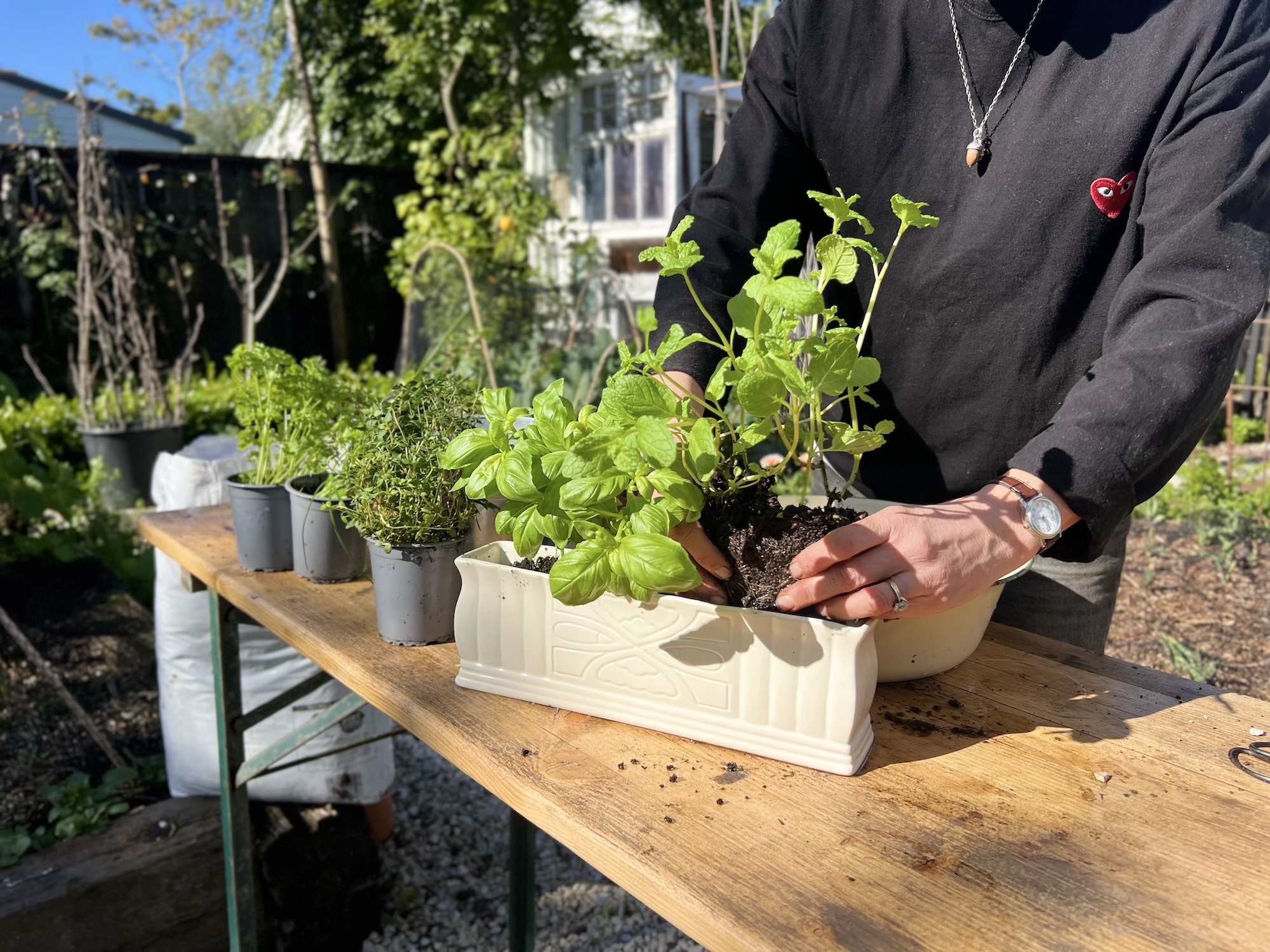
Credit: www.thesagejournal.com
Frequently Asked Questions
What Plants Grow Well Indoors In Winter?
During winter, plants like herbs (basil, mint), leafy greens (spinach, lettuce), and succulents thrive indoors. These plants require minimal sunlight and can be grown in small spaces, making them perfect for indoor gardening during colder months.
How Much Light Do Indoor Plants Need?
Most indoor plants need around 6-8 hours of light daily. Use grow lights if natural sunlight is limited. Position plants near windows for optimal exposure. Ensure light is sufficient for photosynthesis, promoting healthy growth and vibrant foliage.
How Do I Water Indoor Winter Plants?
Water indoor plants when the soil is dry to touch. Avoid overwatering, which can lead to root rot. Use room temperature water for best results. Consider humidity levels and adjust watering frequency accordingly to maintain healthy plant growth.
Can Indoor Gardens Improve Air Quality?
Yes, indoor gardens improve air quality by absorbing pollutants and releasing oxygen. Plants like spider plants and peace lilies are known for their air-purifying properties. They help reduce indoor toxins, creating a healthier living environment during winter.
Conclusion
Starting a garden indoors during winter can be rewarding. It provides fresh produce and brightens your home. Use simple tools and natural light. Choose easy-to-grow plants like herbs and greens. Remember, patience is key. Check the soil regularly. Water the plants carefully.
Enjoy watching them grow. Share the joy with family and friends. Indoor gardening is a great way to learn. It brings nature into your home. You can enjoy fresh flavors all year. Start small and grow your skills. Happy gardening!







