Imagine effortlessly slicing through stubborn branches or digging seamlessly into the soil with perfectly sharpened garden tools. You know the frustration of working with dull tools, where every task becomes a chore and precision seems impossible.
But what if there was a simple way to restore their sharpness and efficiency right from your own backyard? Using a sharpening stone is a straightforward and satisfying method to breathe new life into your tools. In this guide, you’ll discover the secrets to sharpening garden tools with a stone, ensuring they perform at their best.
Picture yourself confidently tackling any gardening challenge, knowing your tools are as sharp as your skills. Let’s dive in and unlock the potential of your garden tools, transforming your gardening experience into one of ease and success.
Choosing The Right Sharpening Stone
Select a sharpening stone suited for the metal of your garden tools. Wet the stone with water or oil. Rub the blade against the stone in circular motions, maintaining a consistent angle for effective sharpening.
Choosing the right sharpening stone is crucial for maintaining garden tools. The right stone makes sharpening easier and more effective. It helps restore your tools’ edges, making gardening tasks smoother. Understanding the different types of stones and their grits is essential. This knowledge allows you to select the best stone for your tools. Let’s explore the types of stones and their grit levels.Types Of Stones
Sharpening stones come in various materials. Each type offers unique benefits:- Natural Stones:Derived from natural sources like quarries. Known for their durability.
- Oil Stones:Typically made from silicon carbide or aluminum oxide. Require oil as a lubricant.
- Water Stones:Soaked in water before use. They cut more quickly than oil stones.
- Diamond Stones:Coated with diamond particles. Very hard and long-lasting.
Stone Grits Explained
Stone grit affects the sharpness of your tool’s edge. Grit refers to the abrasive particles’ size on the stone’s surface:- Coarse Grit:Ranges from 200 to 400. Suitable for reshaping damaged edges.
- Medium Grit:Ranges from 800 to 1000. Ideal for regular sharpening.
- Fine Grit:Above 1000. Perfect for honing and refining edges.

Credit: www.youtube.com
Preparing Your Tools For Sharpening
Gather necessary tools like sharpening stones and cleaning cloths for effective sharpening. Ensure tools are clean and rust-free before starting.
Preparing your tools for sharpening is a crucial step that many gardeners overlook. Taking the time to ready your tools not only makes the sharpening process more effective but also prolongs the life of your gardening equipment. Before you grab that sharpening stone, ensure your tools are in prime condition for the task ahead.Cleaning The Tools
Start with a thorough cleaning. Dirt and sap can clog up your sharpening stone and reduce its effectiveness. Use a stiff brush or a wire brush to remove any soil or debris clinging to your tools. For stubborn grime, a mixture of warm water and mild dish soap works wonders. Dry them thoroughly to prevent rust, which can be a tool’s worst enemy. A clean tool is easier to sharpen and can help you achieve a smoother, sharper edge.Inspecting For Damage
Once your tools are clean, inspect them for any signs of damage. Look for nicks or chips on the blades that might need special attention. A quick check for rust spots is also necessary, as these can weaken the metal over time. Assess handles for cracks or splinters that might hinder your grip or cause injury. Repairing minor damages before sharpening ensures your tools perform optimally and safely. Have you noticed how a small chip on a blade can affect your pruning precision? Addressing these issues now can save you a lot of frustration later.Sharpening Techniques
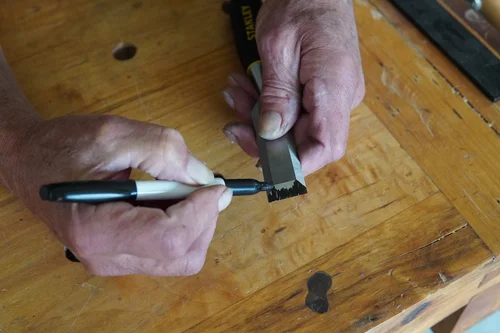
Sharpen garden tools efficiently using a stone for precise edges. Begin by cleaning the tool to remove dirt. Hold the stone firmly and move it along the blade’s edge in smooth strokes. Ensure consistent pressure for even sharpening.
Sharpening your garden tools with a stone can be a rewarding task. It’s more than just honing the edge; it’s about restoring the tool’s functionality and extending its lifespan. The right technique ensures a sharp, efficient tool that makes gardening a joy rather than a chore. Let’s dive into the specifics of how to sharpen your garden tools effectively.Holding The Tool Correctly
Grasping your garden tool properly is crucial for achieving a precise sharpen. Hold it firmly, but not too tightly, to maintain control. Imagine holding a knife—your grip should be secure but flexible, allowing for smooth movement across the stone. If you feel tension in your hand, adjust your grip until it’s comfortable. What kind of grip feels most natural to you? Practice holding different tools to find what works best for each one, ensuring safety and efficiency.Using The Stone Effectively
The effectiveness of the stone relies heavily on how you use it. Start by selecting the right stone for the job; a coarse stone for rough edges and a finer one for polishing. Work the stone in a consistent direction, maintaining a steady angle. The angle is key; too steep and you risk dulling the edge, too shallow and you may not achieve the desired sharpness. How do you know when your tool is sharp enough? Test the edge by cutting into a piece of paper. If it slices cleanly, you’re ready to tackle your garden tasks! Remember, sharpening is a skill honed with practice. Each session brings you closer to mastering the art of tool maintenance.Safety Tips While Sharpening
Sharpen garden tools with a stone carefully to prevent accidents. Wear gloves and secure tools to avoid slipping. Use steady, controlled movements while sharpening to maintain safety and achieve a sharp edge.
Sharpening garden tools with a stone is an essential skill that can extend the life of your tools and make gardening more efficient. However, ensuring safety while sharpening is crucial. Without proper precautions, you risk injury or damaging your tools. Let’s delve into the necessary safety tips to keep you protected and your tools in top shape.Protective Gear
Wearing the right protective gear can make a significant difference in preventing accidents. Gloves are a must; they provide grip and protect your hands from sharp edges. Choose a pair that fits snugly but allows flexibility. Safety goggles are another essential. Stone particles can fly off during sharpening. Protect your eyes from these unexpected hazards. Reflect on this: have you ever finished a task only to realize you should have worn protective gear? It’s better to be safe than sorry. Consider wearing an apron or old clothing to prevent stone dust from dirtying your attire. This simple step can save you from a messy cleanup later.Safe Handling Practices
Handling your tools and stone correctly can prevent accidents. Always secure your tool firmly before sharpening. A slipping tool can cause harm, so use a vise or a clamp to keep it steady. Keep your hands clear of the blade edge. It’s easy to get engrossed and forget where your fingers are. Be mindful and maintain a safe distance from the sharp parts. Sharpening stones can be slippery when wet. Ensure a firm grip on the stone, especially if you’re using water or oil for lubrication. A loose grip might lead to dropped stones, causing damage or injury. Lastly, focus on your surroundings. Are your kids playing nearby? Are pets wandering around? Make sure your area is clear of distractions to maintain a safe sharpening zone.Maintaining Your Sharpening Stone
Sharpen garden tools effectively by maintaining your sharpening stone. Keep it clean and flat for optimal results. Regularly soak in water or oil, and ensure even pressure while sharpening. This ensures your tools stay sharp and efficient for gardening tasks.
Maintaining a sharpening stone ensures its longevity and effectiveness. A well-cared-for stone makes sharpening garden tools easier. Regular maintenance keeps the stone in top condition.Cleaning The Stone
Dirt and metal particles accumulate on the stone. Clean it after each use. Use a damp cloth to wipe the surface. For deeper cleaning, soak the stone in water for a few minutes. Scrub gently with a soft brush. Avoid using soap, as it can damage the stone. Rinse thoroughly and let it air dry.Storing Properly
Proper storage prevents damage to your sharpening stone. Keep it in a dry place to avoid moisture. Moisture can cause the stone to crack or warp. Use a protective case or wrap it in a soft cloth. Store it away from direct sunlight and heat. This preserves its texture and effectiveness. Regular checks for cracks or chips are crucial. Replace the stone if damage occurs to ensure safety.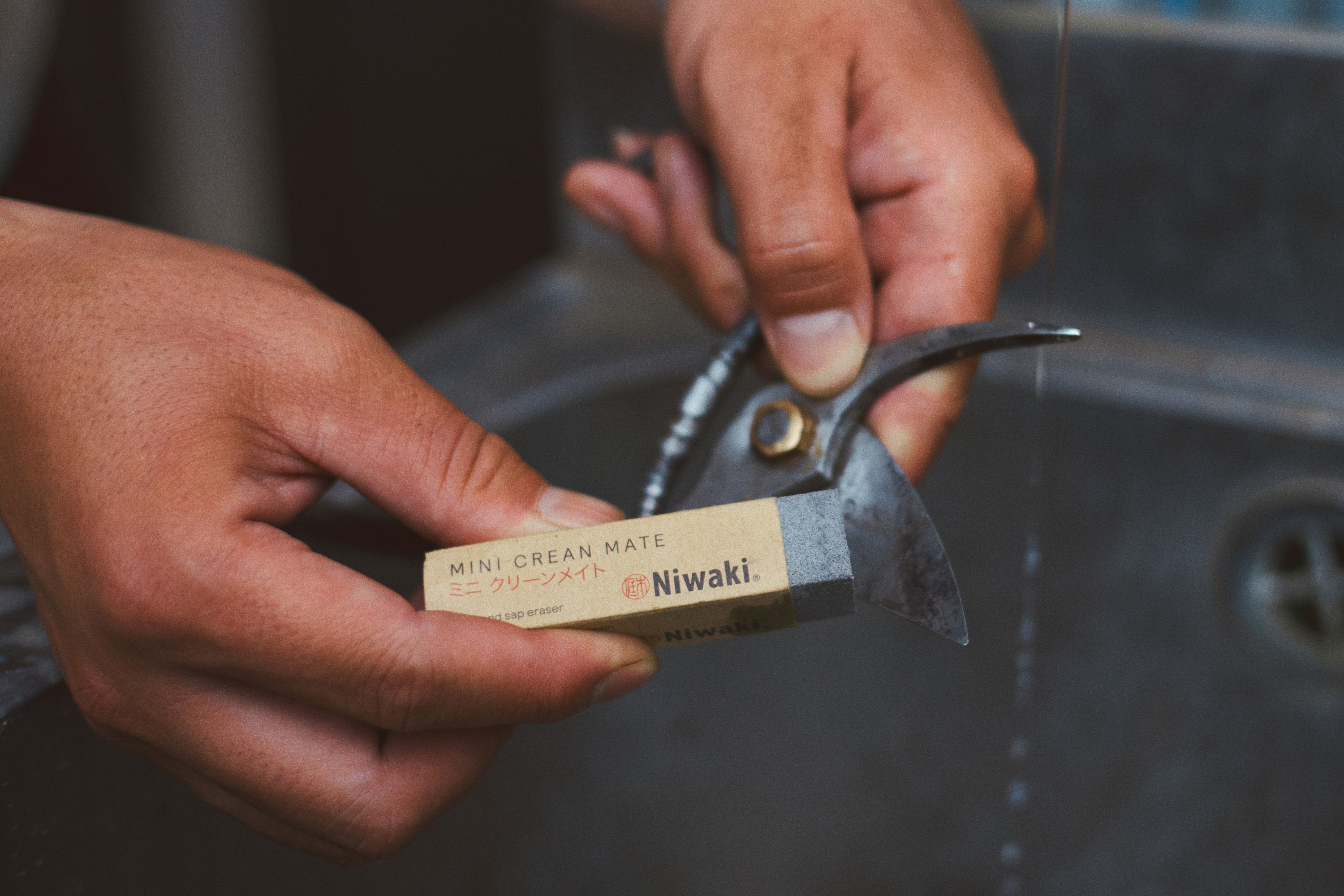
Credit: www.niwaki.com
Benefits Of Regular Tool Sharpening
Sharpening garden tools with a stone ensures cleaner cuts and extends their lifespan. It improves efficiency, making gardening easier and more enjoyable. Regular maintenance also prevents rust and damage.
Sharpening garden tools regularly offers several benefits. Keeping tools sharp improves their performance. It also extends their lifespan. A simple sharpening routine can save time and reduce frustration. This practice enhances gardening experiences. Let’s explore these benefits further.Improved Efficiency
Sharp tools cut through soil and plants easily. They require less effort to use. This reduces physical strain during gardening tasks. With sharper tools, tasks take less time. This allows you to focus on other important garden activities. Efficiency in gardening leads to better results. This makes your gardening experience more enjoyable.Extended Tool Lifespan
Regular sharpening prevents excessive wear. It reduces the need for replacement tools. Sharp tools are less prone to rust and damage. This ensures they last longer. Proper maintenance saves money in the long run. Investing time in sharpening is cost-effective. Your tools will remain in good condition for years.
Credit: www.angi.com
Frequently Asked Questions
How To Choose The Right Sharpening Stone?
Selecting a sharpening stone depends on your tool type and personal preference. Generally, a coarse stone is used for dull edges, while a fine stone is perfect for refining the sharpness. Water stones and oil stones are popular choices. Ensure the stone is larger than the tool for effective sharpening.
How Often Should Garden Tools Be Sharpened?
Garden tools should be sharpened regularly, ideally after every few uses. Frequent sharpening ensures efficient cutting and prevents tool damage. The frequency depends on the tool’s usage and material. Regular maintenance prolongs the tool’s lifespan and enhances performance, reducing strain on your hands during gardening.
Can I Use Any Stone For Sharpening?
Not all stones are suitable for sharpening garden tools. Specific sharpening stones like water stones, oil stones, and diamond stones are recommended. Each has unique properties suited for different tools and sharpening needs. Choosing the right stone ensures optimal edge sharpness and tool longevity.
What Safety Measures To Follow When Sharpening?
Ensure safety by wearing protective gloves and glasses. Secure the tool firmly to prevent accidents. Sharpen slowly and evenly, applying consistent pressure. Keep your workspace clean and organized. Following these precautions minimizes injury risk and enhances sharpening efficiency for your garden tools.
Conclusion
Sharpening garden tools with a stone is simple and effective. It keeps your tools working well. Regular sharpening ensures clean cuts and healthy plants. Start with a clean stone. Use gentle, even strokes for best results. Your tools will last longer and work better.
A sharp tool makes gardening enjoyable. It’s worth the effort. Practice makes perfect, so don’t worry if it’s not perfect at first. Soon, you’ll sharpen like a pro. Happy gardening and enjoy your well-maintained tools!







