Are your garden tools looking a bit dull lately? You might not realize it, but sharp tools can make all the difference in your gardening experience.
Imagine gliding through your tasks with ease, cutting through branches and stems like butter. It sounds great, right? Well, if you’re in the UK and wondering how to bring that sharpness back to your tools, you’re in the right place.
This guide will walk you through simple, effective techniques to sharpen your garden tools, ensuring that your gardening efforts are as efficient and enjoyable as possible. You’ll discover tips that not only save you time but also extend the life of your tools, making your garden maintenance a breeze. Ready to transform your garden routine? Let’s dive in.
Importance Of Sharp Tools
Sharp garden tools make gardening easier and more efficient. Sharpening tools in the UK involves using files or sharpening stones. Regular maintenance keeps tools in good condition, ensuring clean cuts and healthier plants.
The importance of sharp garden tools cannot be overstated. Sharp tools make gardening easier and more efficient. They cut cleanly and precisely, reducing strain on your hands and arms. A dull tool can damage plants, leaving jagged edges that are prone to disease. Sharp tools also save time, as you can work faster and with less effort.Safety
Sharp tools enhance safety in the garden. A sharp blade requires less force to cut. This reduces the risk of slipping and causing injury. Dull tools can lead to accidents, as they may not perform as expected. Ensuring your tools are sharp helps keep you safe.Efficiency
Efficiency is key in gardening. Sharp tools allow for quicker and more accurate work. You can prune plants with precision, promoting healthy growth. A sharp spade cuts through soil easily, reducing fatigue. Efficient tools make gardening a more enjoyable experience.Plant Health
Sharp tools contribute to plant health. Clean cuts minimize damage to plants. Jagged cuts from dull tools can lead to infection and disease. Keeping your tools sharp ensures your plants remain healthy and strong.Durability
Sharp tools last longer. Proper maintenance prevents wear and tear. Dull tools require more force, which can break handles or blades. Regular sharpening keeps tools in top condition, extending their lifespan.Ease Of Use
Sharp tools are easier to use. They glide through tasks with minimal effort. A sharp hedge trimmer makes shaping bushes simple. Sharp tools reduce physical strain, making gardening less tiring.Professional Results
Achieve professional results with sharp tools. Clean cuts create neat and tidy gardens. Sharp tools help you maintain the aesthetics of your landscape. They provide the precision needed for detailed work.Time-saving
Save time with sharp tools. Tasks take less time when tools are in good condition. You can complete jobs quickly, freeing up time for other activities. Sharp tools streamline the gardening process.Cost-effectiveness
Sharp tools are cost-effective. They reduce the need for frequent replacements. Maintaining sharp tools prevents damage, saving you money. Investing time in sharpening your tools pays off financially.Choosing The Right Tools
Selecting the right sharpening tools is crucial for maintaining garden tools in the UK. Opt for sharpening stones or files designed for specific tool types. Regular maintenance keeps tools efficient and prolongs their lifespan.
Choosing the right tools for sharpening garden equipment is crucial. Properly sharpened tools make gardening easier and more efficient. Selecting the right sharpening tools can prolong the life of your equipment and enhance their performance.Types Of Sharpening Tools
Various tools are available for sharpening garden implements. Manual sharpening stones are a popular choice. These stones offer precision and control. Diamond sharpening stones provide quick results and durability. Sharpening files are another option for garden tools. They work well for larger blades and can maintain a consistent edge. Electric sharpeners offer convenience. They can quickly sharpen blades with minimal effort.Material Considerations
Materials of sharpening tools affect their efficiency. Diamond stones are durable and effective. They can sharpen even the toughest blades. Ceramic stones offer a smooth finish. They are suitable for fine-tuning edges. Steel files are robust and versatile. They handle heavy-duty sharpening tasks efficiently. Choose the right material based on your garden tool needs. It ensures optimal sharpening results.Safety Precautions
Ensure your garden tools are clean and dry before sharpening. Wear gloves and eye protection to avoid injuries. Secure tools firmly and use proper equipment to maintain control during the sharpening process.
Sharpening garden tools can improve their efficiency and lifespan. But safety is crucial. Mishandling tools can lead to injuries. Always follow safety precautions to protect yourself.Protective Gear
Wear gloves to safeguard your hands. They provide a better grip too. Use safety goggles to protect your eyes from metal shards. A dust mask can prevent inhaling dust particles. Ensure your footwear is sturdy and closed-toe for foot protection.Safe Handling Techniques
Keep your workspace clean and organized. A clutter-free area reduces accidents. Always hold tools by their handles, not blades. Secure the tool in a vise to prevent slipping. Move blades away from your body when sharpening. Ensure tools are stable before starting. Check for damaged or loose parts before use.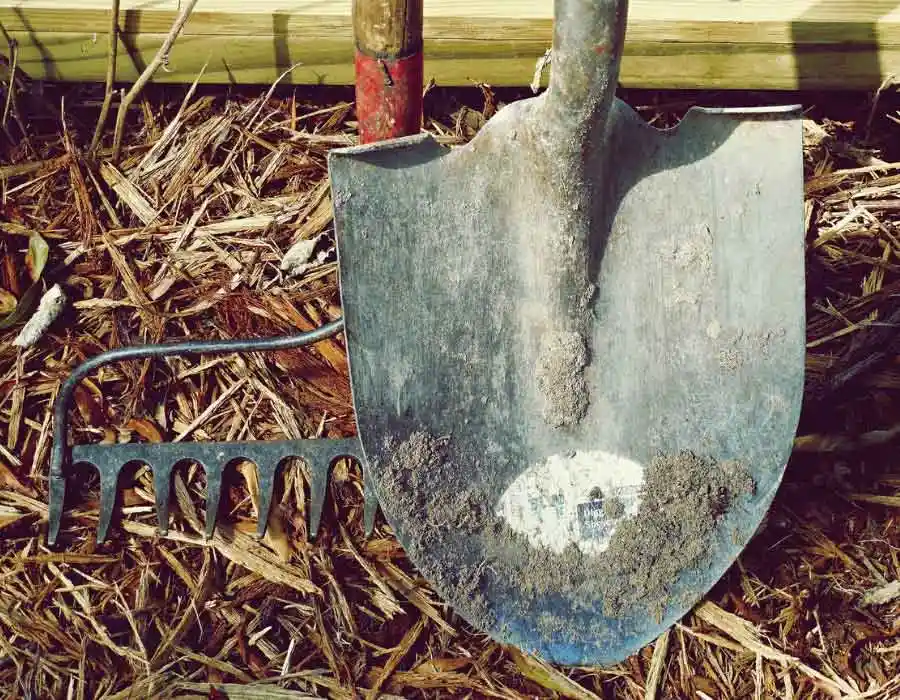
Credit: www.best4hedging.co.uk
Step-by-step Sharpening Guide
Sharpening garden tools ensures they work efficiently and last longer. Begin by cleaning the tools to remove dirt. Use a sharpening file or stone for precise edges. Regular maintenance of tools keeps your garden in top shape.
Gardening is a beloved pastime for many in the UK. But have you ever struggled with dull garden tools that make your work harder? A sharp tool isn’t just efficient; it’s safer and more enjoyable to use. Let’s walk through a step-by-step guide to sharpening your garden tools, ensuring they’re always ready for action.Cleaning The Tools
Before you start sharpening, ensure your tools are clean. Dirt and rust can interfere with the sharpening process. Use a wire brush or steel wool to remove any rust. A damp cloth can help wipe away soil and debris. Keep in mind, a clean tool not only sharpens better but also lasts longer.Sharpening Techniques
Sharpening requires the right technique to maintain the tool’s edge. For shears and pruners, a diamond file or sharpening stone can be used. Hold the tool firmly and draw the file across the blade at a 20-degree angle. Repeat this motion until you achieve a sharp edge. If you have a bench grinder, it can be a powerful ally for larger tools like shovels and hoes.Finishing Touches
Once sharpened, it’s crucial to add finishing touches. Wipe the blade with an oiled cloth to prevent rust. This step not only protects your tool but also ensures smooth cutting. Store your tools in a dry place, ideally hanging up, to maintain their condition. Taking these final steps shows pride in your work and care for your tools. Sharpening your garden tools can be a satisfying task. It’s a chance to connect with your equipment, making every gardening session more effective. Why struggle with dull blades when a few simple steps can keep them in top shape?Maintaining Your Tools
Sharp garden tools make gardening easier and more efficient. Begin by cleaning the tools with a wire brush. Use a sharpening stone or file, moving in one direction to sharpen the blades evenly. Regular maintenance ensures longevity and optimal performance.
Maintaining your garden tools is essential for their longevity and performance. Well-maintained tools not only make gardening tasks easier but also ensure safety. By dedicating a little time to care for them, you can save money and enhance your gardening experience.Regular Maintenance Tips
Regular maintenance is the backbone of keeping your tools sharp and functional. Start by cleaning your tools after each use. Dirt and moisture can cause rust, so a quick wipe-down can make a big difference. Sharpen blades regularly using a file or sharpening stone. A sharp blade cuts more efficiently and reduces the strain on your hands and wrists. Remember to oil moving parts to prevent them from becoming stiff or rusty. Inspect your tools for any wear or damage. Replace or repair broken handles or parts to ensure safety and effectiveness.Storage Solutions
Proper storage is as crucial as maintenance. Keep your tools in a dry, sheltered area to protect them from the elements. A shed or garage works well, but make sure it’s organized to prevent accidents. Consider hanging your tools on a wall to save space and keep them accessible. You can use hooks or a pegboard for an efficient arrangement. If you’re using a toolbox, ensure it’s sturdy and has enough space to prevent tools from being crammed together, which can cause damage. Use silica gel packs to absorb moisture and prevent rusting. Is your current storage method protecting your investment? A little organization can go a long way in maintaining your tools’ condition.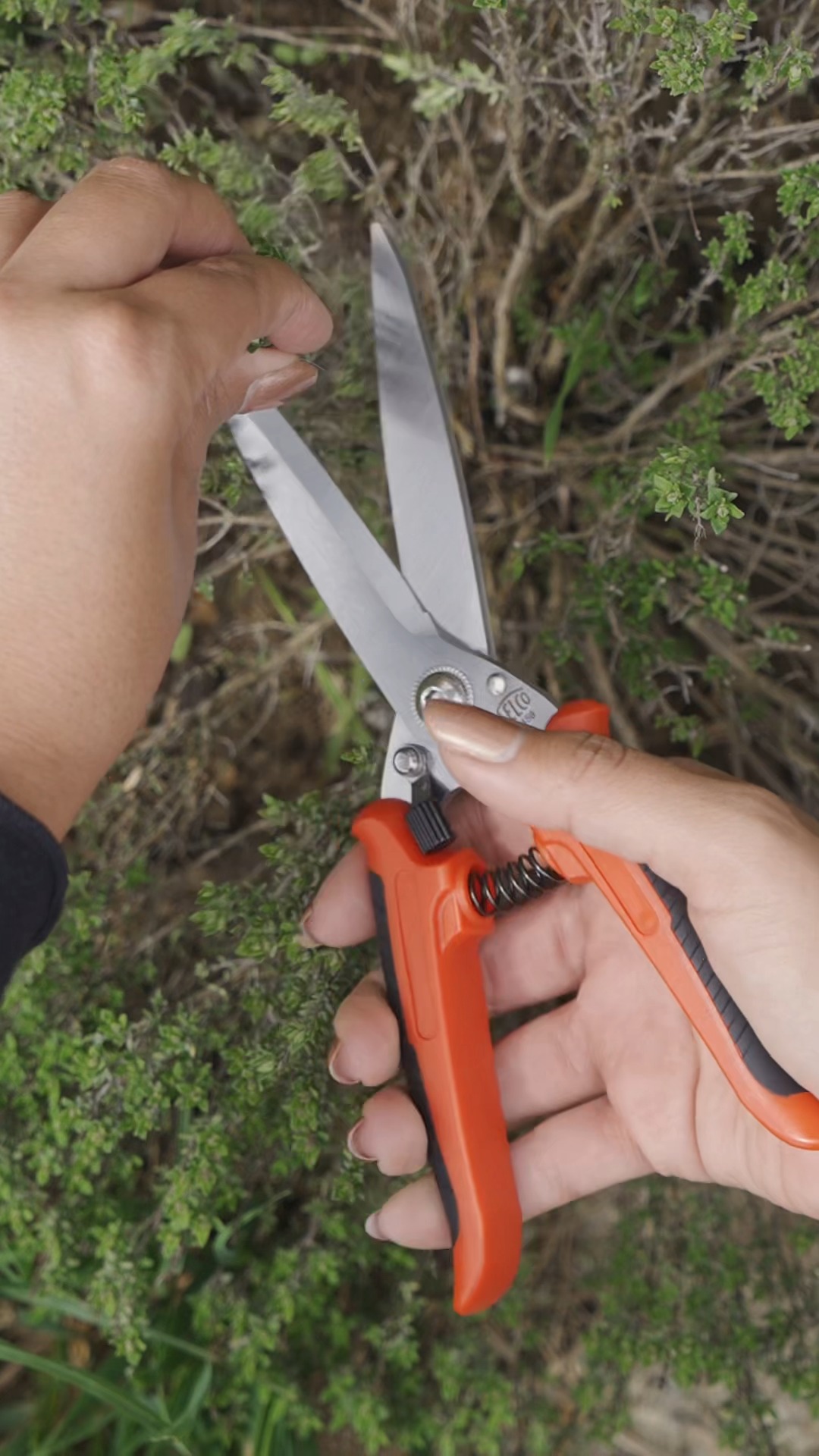
Credit: www.facebook.com
Common Mistakes
Neglecting safety gear can lead to injuries. Using the wrong sharpening tools may damage blades. Skipping regular maintenance results in rust.
Sharpening garden tools in the UK requires precision and care. However, many gardeners make common mistakes that can lead to damaged tools and inefficient gardening. Understanding these pitfalls can save you time and extend the life of your tools.Avoiding Over-sharpening
One frequent error is over-sharpening. While it might seem logical to have the sharpest blade possible, doing so can wear down the metal excessively. This reduces the tool’s lifespan and can make it more prone to breakage. Think about how often you actually need to sharpen your tools. Sometimes, a light touch-up is all that’s required. Use a sharpening stone or file gently and check the edge frequently to avoid overdoing it.Handling Rust And Corrosion
Rust and corrosion can creep up on you, especially in the damp UK climate. Ignoring these signs can lead to tools that are beyond repair. Regularly inspect your tools for any signs of rust. To handle rust, start by cleaning the tool thoroughly. Use a wire brush to remove loose rust and consider applying a rust remover if needed. After cleaning, dry the tool completely and apply a light coat of oil to protect against future corrosion. Have you ever left a tool out in the rain, only to find it rusted the next day? It’s a common mistake but easily avoidable. Store your tools in a dry place and consider investing in rust-preventive products. Taking these steps can save you from the hassle of dealing with rust and keep your tools in top condition.Expert Tips And Tricks
Sharpen garden tools in the UK with easy expert tips. Use a file or sharpening stone for better results. Regular maintenance keeps tools efficient and extends their lifespan.
Sharpening your garden tools not only makes your gardening tasks more efficient but also extends the life of your tools. With the right techniques, you can maintain your tools at home without investing in professional services. Below, we’ll share some expert tips and tricks to keep your tools in top shape.Using Natural Lubricants
Many gardeners swear by natural lubricants to ease the sharpening process. Olive oil is a popular choice, offering a smooth glide for sharpening stones while being eco-friendly. Simply apply a small amount to your sharpening stone or directly to the tool’s blade. Coconut oil is another excellent option, known for its moisture-resistant properties. This can help protect your tools from rust, especially in the damp UK climate. Have you considered using these natural solutions instead of chemical-laden alternatives?Diy Sharpening Hacks
You don’t always need fancy equipment to sharpen your garden tools. An old coffee mug with an unglazed bottom can be a makeshift sharpening stone. Just run your blade along the unglazed rim a few times for a quick touch-up. A nail file can also be a handy tool for sharpening smaller blades, such as those on pruning shears. Use the coarse side of the file to remove nicks and the finer side to smoothen the edge. Who knew everyday household items could serve such a dual purpose? Incorporating these simple techniques into your routine can save you time and money. More importantly, it empowers you to maintain your tools with confidence. What other everyday items could you repurpose for gardening tasks?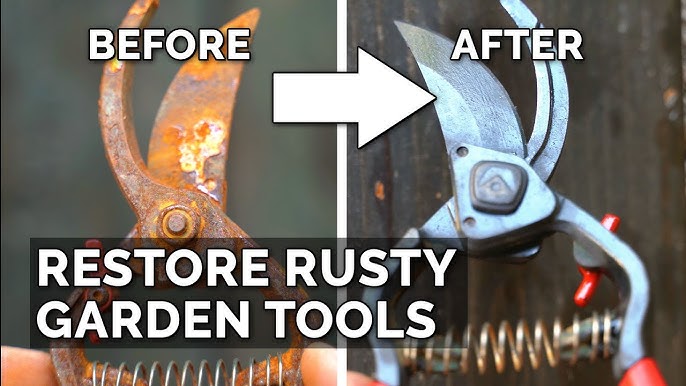
Credit: www.youtube.com
Environmental Considerations
Proper disposal of sharpening materials helps reduce environmental impact. Use eco-friendly oils and avoid chemical cleaners. Recycling metal shavings can minimize waste, supporting sustainability efforts.
Sharpening garden tools not only enhances their performance but can also be done in an environmentally conscious manner. Every choice you make in this process can reflect a commitment to sustainability. From the products you use to the methods you adopt, there’s a lot to consider for the eco-minded gardener.Eco-friendly Products
Choosing eco-friendly products is a vital step toward sustainable gardening. Opt for sharpening stones made from natural materials rather than synthetic options. Look for products that have minimal packaging or are packaged using recycled materials. Consider natural oils for lubrication, like linseed or coconut oil, instead of petroleum-based options. These alternatives not only work effectively but also reduce your carbon footprint.Sustainable Practices
Integrating sustainable practices into your tool maintenance routine is simpler than you might think. Collect rainwater to rinse your tools after sharpening, minimizing water waste. Use a cloth or brush made from natural fibers to clean off metal filings. When it’s time to replace tools, consider donating or recycling old ones instead of discarding them. This keeps them out of landfills and gives them a second life. How do your current practices measure up? By making small changes, you can make a significant impact on the environment while keeping your garden tools in top shape.Frequently Asked Questions
How Often Should I Sharpen Garden Tools?
Regular sharpening depends on usage. For frequent use, sharpen tools every few weeks. For occasional gardening, consider sharpening every couple of months. Sharp tools ensure clean cuts and reduce strain. Always inspect tools for dullness after heavy work. Regular maintenance prolongs tool life and efficiency.
What Tools Do I Need To Sharpen Garden Tools?
To sharpen garden tools, you need a file, whetstone, or sharpening stone. A wire brush is useful for cleaning. A vise can hold tools steady during sharpening. Safety gloves protect your hands. Having these tools ensures effective sharpening and safe handling.
Can I Use A Power Tool For Sharpening?
Yes, a power tool like a bench grinder can be used. It’s faster but requires careful handling. Ensure you’re familiar with its operation to avoid damage. Always use safety gear like goggles and gloves. Power tools are efficient for very dull or heavily rusted tools.
How Can I Tell If My Tools Are Sharp?
To check sharpness, try cutting a piece of paper or a plant stem. If the tool cuts cleanly without tearing, it’s sharp. Dull tools require more force and result in jagged cuts. Regular testing ensures your tools remain in optimal condition for gardening tasks.
Conclusion
Sharpening garden tools boosts their performance and lifespan. Regular maintenance keeps them efficient. Use simple techniques to sharpen your tools safely. Clean them first, then sharpen edges carefully. Dull tools make gardening harder. Sharp ones cut better and save time.
Take care of your tools regularly. It ensures smooth gardening experience. Remember, sharp tools are safer and more effective. Practice sharpening to keep them in top shape. Enjoy gardening with well-maintained tools. Happy gardening!