Do your garden tools feel more like blunt objects than precision instruments? If you’re struggling with dull pruners, shovels, or hoes, you’re not alone.
Many gardeners face this problem, but few know how easy it is to fix. Imagine the satisfaction of slicing effortlessly through soil and branches, making your gardening tasks quicker and more enjoyable. Sharpening your tools can transform your gardening experience, saving you time and effort.
Ready to turn your tired tools into sharp allies? Discover simple tips and tricks to bring your garden tools back to life and reclaim your gardening joy. Dive in and learn how you can sharpen dull garden tools with ease!
Credit: worksharptools.com
Importance Of Sharp Garden Tools
Sharp garden tools are essential for efficient gardening. Dull tools make tasks hard and can damage plants. Regular sharpening ensures clean cuts and saves time.
Keeping your garden tools sharp is crucial for maintaining a healthy and flourishing garden. Dull tools can damage plants, making them more susceptible to disease and pests. They can also be a hassle to use, requiring more effort and time to get the job done. Imagine trying to prune a bush with a blunt pair of shears; the result is likely to be ragged cuts, which can harm the plant and hinder its growth.The Role Of Sharp Tools In Plant Health
Sharp tools ensure clean cuts, which are vital for the quick healing of plants. Clean cuts minimize the risk of infection, reducing the chances of pests invading your plants. Your garden stays healthier, and you spend less time dealing with plant diseases.Efficiency And Ease Of Use
Using sharp tools makes your gardening tasks quicker and more efficient. You save energy and time, which is especially important if you have a large garden. A sharp tool glides through stems and branches effortlessly, letting you enjoy the process rather than struggling with it.Safety Considerations
Surprisingly, sharp tools are safer than dull ones. Dull blades require more force, increasing the chance of slipping and causing injury. Ensuring your tools are sharp can significantly reduce the risk of accidents in the garden.Longevity Of Your Tools
Maintaining sharp edges on your tools can extend their lifespan. Dull tools often need to be replaced more frequently, costing you more in the long run. Regular sharpening can keep your tools in good condition, saving you money and hassle.Environmental Impact
By keeping your tools sharp and using them effectively, you reduce waste. Fewer replacements mean less metal in landfills, contributing positively to the environment. You can do your part for the planet while enjoying a thriving garden. Have you ever noticed how much easier gardening becomes with well-maintained tools? The difference is not just in the effort but in the results you achieve. Keeping your garden tools sharp is a simple yet effective way to enhance your gardening experience.
Credit: www.nytimes.com
Common Causes Of Dullness
Garden tools often become dull due to rust, frequent use, and improper storage. Regular sharpening ensures efficient cutting and maintains their performance. Keeping tools clean and dry can prevent dullness and extend their lifespan.
Understanding why your garden tools become dull is the first step toward keeping them in top condition. It’s not just about the wear and tear from regular use; several factors contribute to the dullness of your tools. Let’s explore the most common culprits that rob your garden tools of their sharpness.Improper Storage
Storing garden tools in damp or exposed areas can lead to rust, making them dull over time. Have you ever left your pruners out in the rain, only to find them rusted and ineffective the next day? Moisture is the enemy of metal tools, so always ensure they are dry and stored in a cool, sheltered place.Frequent Use Without Maintenance
Regular use without periodic maintenance is a sure way to dull your tools quickly. Think about how often you use your favorite trowel or shears. If you’re using them almost daily, remember they need regular sharpening and cleaning to perform at their best.Cutting Hard Materials
Using your tools on materials they’re not designed for can accelerate dullness. Cutting through hard branches or dense roots with a tool meant for softer tasks will wear it down fast. Always match the tool to the task to extend its lifespan and maintain sharpness.Exposure To Soil And Dirt
Soil and dirt can be surprisingly abrasive, wearing down the sharp edges of your tools. Have you noticed your shovel losing its edge after digging through rocky soil? Clean your tools after each use to prevent dirt from caking on and causing dullness.Lack Of Lubrication
Without proper lubrication, moving parts of tools can grind against each other, causing unnecessary wear. When was the last time you oiled your hedge trimmer? Regular oiling not only prevents rust but also keeps your tools operating smoothly. Understanding these causes not only helps in maintaining your tools but also saves you time and money on replacements. Keep these insights in mind next time you’re in the garden, and you’ll notice the difference in your tool’s performance. Are there any habits you might need to change to keep your tools sharper for longer?Essential Sharpening Tools
Essential Sharpening Tools Sharp garden tools make work easier. Use a mill file for lawnmower blades. A sharpening stone works well for pruners and shears. Protect your tools by cleaning them after each use. Regular maintenance ensures they last longer and perform better.
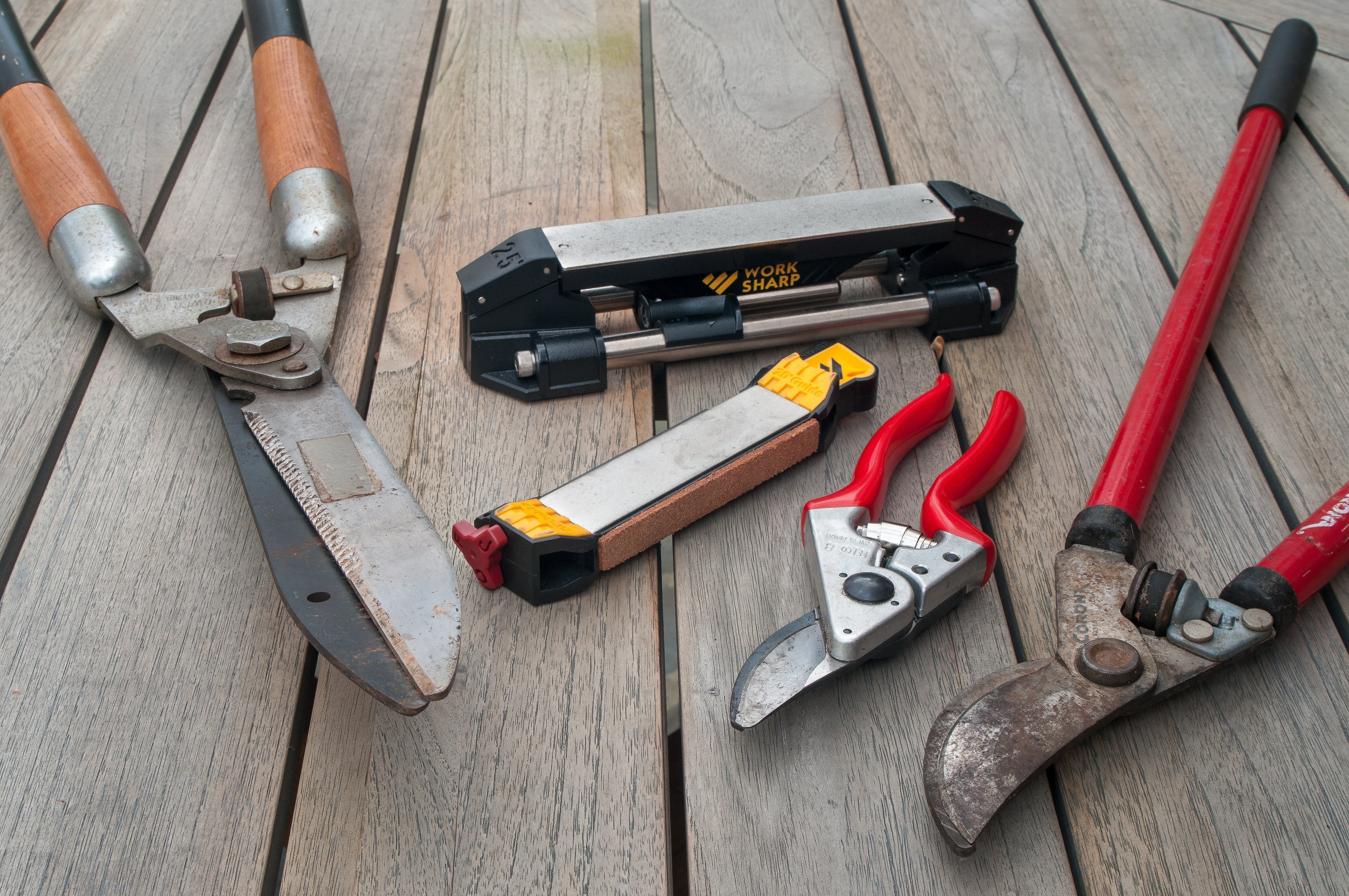
Essential Sharpening Tools Gardening can be a joy, but dull tools make it a chore. Sharpening them is easy with the right tools. Whether you are dealing with pruners, shears, or spades, having the proper sharpening equipment is crucial. Here’s a look at essential tools for sharpening your garden implements.Files And Whetstones
Files and whetstones are simple and effective. Files are best for rough edges. They remove rust and smooth surfaces. Choose a file with a comfortable handle. Whetstones offer precision. They are perfect for fine sharpening. Use water or oil for lubrication. This ensures smooth sharpening. Whetstones come in different grits. Start with coarse grit, then move to fine grit. This two-step process ensures sharpness.Sharpening Machines
Sharpening machines save time. They offer automatic sharpening. Machines are ideal for large tools. They work quickly and efficiently. Some machines have adjustable settings. This allows for different sharpening angles. Consider the tool size before choosing a machine. Smaller tools may not fit. Machines require electricity. Ensure you have a safe power source. They are a good investment for frequent gardeners.Safety Gear
Safety gear is a must when sharpening. Gloves protect your hands. Choose gloves made of sturdy material. Eye protection shields your eyes. Use goggles or safety glasses. Dust and metal particles can cause harm. Wear a dust mask to protect your lungs. Ensure your workspace is well-lit. Good lighting reduces accidents. Be mindful of your surroundings. Keep children and pets away during sharpening. Sharpening garden tools need not be a daunting task. With the right equipment, you can maintain their efficiency with ease.Step-by-step Sharpening Process
Sharpening dull garden tools involves cleaning the blades, securing the tool, and using a sharpening file. Maintain the right angle while sharpening to ensure effective results. Finish by wiping the blades clean and applying oil to prevent rust.
Sharpening dull garden tools can restore their efficiency and make gardening tasks easier. A systematic approach ensures precision and safety. This step-by-step process will guide you in sharpening your tools effectively.Preparing The Tool
Before sharpening, clean the tools to remove dirt and debris. Use a wire brush to scrub off rust and residue. Secure the tool in a vice or on a stable surface. This prevents slipping while sharpening. Gather essential supplies: sharpening stone, file, and safety gloves.Sharpening Techniques
Choose the right sharpening tool for your garden tool. A flat file is good for large blades. A sharpening stone works for smaller edges. Hold the file or stone at a consistent angle. Move it along the blade in smooth strokes. Maintain the angle to ensure an even edge. Repeat until the blade looks sharp.Checking Sharpness
Test the sharpness on a piece of wood or paper. A sharp tool should cut smoothly without much force. Inspect the edge visually for uniformity. Feel it gently with your fingers, being cautious to avoid cuts. If needed, repeat sharpening steps for better results.Maintaining Sharpness
Keeping garden tools sharp ensures they work efficiently. Regular sharpening prevents damage and maintains their effectiveness. Use a file or sharpening stone to restore edges and improve cutting performance.
Maintaining the sharpness of your garden tools is not just about ensuring they perform efficiently; it’s also about extending their lifespan. Imagine slicing through a thick stem effortlessly because your tools are as sharp as the day you bought them. Keeping them in top condition requires a few simple practices. With a little effort, you can make gardening a more enjoyable and less strenuous task. Let’s dive into the essentials of maintaining sharpness for your garden tools.Regular Cleaning
Regular cleaning is the first step in maintaining sharpness. Dirt and sap can quickly dull the blades of your tools. After each use, rinse them with water and wipe them dry with a clean cloth. Occasionally, use soapy water for a more thorough clean. A wire brush can help remove stubborn residue. Doing this ensures your tools remain in prime condition for their next use.Proper Storage
Storing tools properly is often overlooked but crucial. Leaving them exposed to the elements can lead to corrosion and dullness. Store your tools in a dry shed or garage, hanging them on hooks to prevent damage. Consider using a tool rack to keep them organized and easily accessible. A little attention to storage prevents accidental nicks and keeps your tools sharp.Preventing Rust
Rust is the enemy of sharpness. It not only weakens the metal but also blunts the edge of your tools. Applying a thin layer of oil after cleaning can help prevent rust. Use light machine oil or even vegetable oil for an eco-friendly option. Regularly check for any signs of rust and address them immediately to maintain the integrity of your tools. By focusing on these straightforward practices, you ensure your garden tools remain sharp and ready for any task. What other habits can you cultivate to prolong the life of your gardening equipment?Choosing The Right Tools For The Job
Sharpening dull garden tools requires selecting the right sharpening tools. Consider using a file or sharpening stone for effective results. Regular maintenance ensures your garden tools stay sharp and efficient.
Choosing the right tools for sharpening garden tools is essential. The right tools make the task easier and more effective. They ensure your garden tools are sharp and ready for use. A careful selection enhances your gardening experience and extends tool life.Evaluating Tool Usage
Consider how often you use your garden tools. Frequent use may require more robust sharpening tools. Less frequent use might allow for simpler options. Think about the specific tasks your garden tools perform. Pruners and shears need precise sharpening for clean cuts. Hoes and spades might need a different approach.Selecting Quality Brands
Quality brands provide reliable sharpening tools. They ensure durability and efficiency. Investing in known brands can save time and money in the long run. Look for brands with good customer reviews. This helps guarantee satisfaction and performance. Quality tools also come with better warranty options.When To Replace Garden Tools
Knowing when to replace garden tools ensures efficiency in your gardening tasks. Sharpen dull blades regularly to keep them functional longer.
When garden tools lose their edge, it’s time to consider replacements. Constant sharpening may not restore their original performance. Knowing when to retire your tools saves time and effort. Let’s explore the signs and evaluate the cost-effectiveness.Signs Of Wear And Tear
Dull blades make gardening hard. Rust spots weaken tools. Loose handles risk injury. Cracks in metal or wood reduce tool strength. If tools show these signs, consider replacing them.Cost-benefit Analysis
New tools can be a wise investment. Compare repair costs with buying new. Calculate your time and effort. Old tools may cost more in the long run. Investing in quality tools saves time and energy.Expert Tips For Efficient Sharpening
Sharp garden tools make gardening easier and more efficient. Use a file or sharpening stone for best results. Regular maintenance keeps tools in top shape.
Sharpening dull garden tools might seem straightforward, but doing it efficiently requires some expert insights. Proper sharpening not only restores the tool’s functionality but also extends its lifespan. It’s akin to giving your garden tools a new lease on life. You’ll be surprised at how much smoother your gardening tasks become with a sharpened edge. So, what are the expert tips to ensure you’re sharpening correctly and effectively?Avoiding Common Mistakes
Many people unknowingly commit blunders that can actually damage their tools. One frequent mistake is using the wrong sharpening angle. Maintaining the original bevel is key, so always check the manufacturer’s recommendation. Another common error is applying too much pressure while sharpening. This can wear down the blade quickly and unevenly. Instead, use gentle, consistent strokes to achieve a sharp edge. Lastly, don’t rush the process. Sharpening is not about speed but precision. Taking your time ensures each part of the blade receives equal attention.Enhancing Tool Longevity
Proper sharpening can significantly increase the lifespan of your garden tools. Start by keeping your tools clean and dry to prevent rust, as rust makes sharpening more difficult. Use a whetstone or diamond file, which are gentle on the metal yet effective in restoring sharpness. These tools help you maintain the integrity of the blade, ensuring it lasts longer. Regular maintenance checks can help you spot signs of wear early. Addressing nicks or dullness promptly can prevent more extensive damage. Have you ever noticed how effortless cutting becomes with a well-sharpened tool? This simple maintenance task can transform your gardening experience. Remember, the better care you take of your tools, the more they’ll serve you in your gardening endeavors.
Credit: www.nytimes.com
Frequently Asked Questions
How Often Should I Sharpen Garden Tools?
It’s recommended to sharpen garden tools at least twice a year. Regular sharpening maintains efficiency and prolongs tool life. For heavy use, consider sharpening them every few months. Keeping tools sharp reduces strain and provides cleaner cuts, enhancing your gardening experience.
Can I Sharpen Tools Without Special Equipment?
Yes, you can sharpen tools using simple items like a file or sharpening stone. These are readily available and inexpensive. Ensure you follow proper techniques for safety and effectiveness. Regular maintenance with basic tools can keep your gardening equipment in top condition.
What’s The Best Method For Sharpening Shears?
Using a sharpening stone is ideal for shears. Clean the blades first, then gently run the stone along the beveled edge. Maintain consistent pressure and angle for best results. Regularly oil the joints and blades to prevent rust and ensure smooth operation.
Is It Necessary To Clean Tools Before Sharpening?
Yes, cleaning tools before sharpening is essential. Dirt and rust can hinder the sharpening process. Use a wire brush or cloth to remove debris. A clean blade allows more effective sharpening and ensures smoother, cleaner cuts during use.
Conclusion
Sharpening garden tools keeps your tasks easy and efficient. Dull tools make gardening tough and tiresome. Regular maintenance is key. Spend a little time on tool care. Enjoy a smoother gardening experience. Clean your tools before sharpening. Use a file or sharpening stone.
Follow the edge angle for best results. Check tools regularly for wear and tear. Store them properly to avoid rust. Sharpened tools help plants grow better. Your garden will thank you with lush growth. Keep those tools sharp and ready to work.
Happy gardening!







