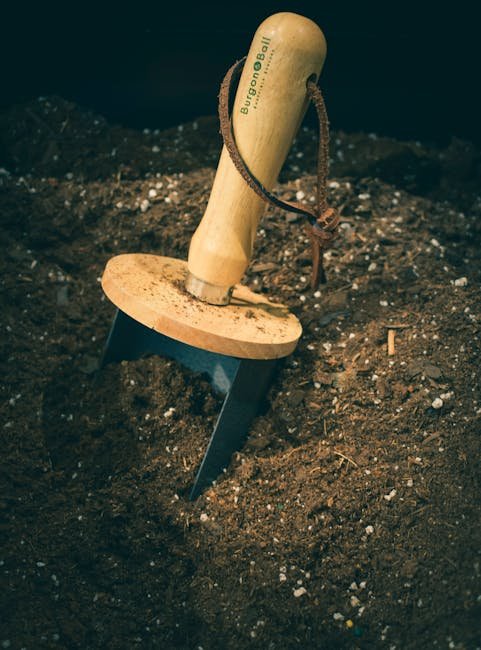
Imagine you’re strolling through a vibrant Spanish market, surrounded by colorful stalls and the rich aroma of fresh produce. You spot a beautiful garden tool that would be perfect for your backyard oasis.
But here’s the catch: how do you ask for it in Spanish? Understanding how to say garden tool in Spanish can open doors to a more enriching shopping experience, and it might just make your next gardening project even more exciting.
We’ll unlock the secret to effortlessly communicating your gardening needs in Spanish. You’ll discover the word for garden tool and learn how to use it in everyday conversations. By the end of your read, you’ll feel confident in your ability to engage with native Spanish speakers and enhance your gardening adventures. So, are you ready to grow your language skills along with your garden? Let’s dive right in!
Common Garden Tools
Discover the Spanish names for common garden tools like “pala” for shovel and “rastrillo” for rake. Familiarizing yourself with these terms can enhance your gardening experience and communication. Understanding these basics helps in connecting with Spanish-speaking gardeners.
When caring for a garden, certain tools become essential. These tools help keep your garden neat and healthy. Knowing their names in Spanish can be useful. Let’s explore some common garden tools.Shovel
A shovel is indispensable for digging and moving soil. In Spanish, it’s called “pala.” Gardeners use a “pala” to plant or remove plants. It’s also helpful for mixing compost or other materials.Rake
A rake is perfect for gathering leaves and debris. The Spanish word for rake is “rastrillo.” It keeps your garden tidy. A “rastrillo” also helps in leveling soil, making it ready for planting.Hoe
The hoe is crucial for breaking up soil. In Spanish, it’s known as “azada.” Gardeners use an “azada” to remove weeds. It also helps in aerating the soil for better plant growth.Pruning Shears
Pruning shears trim and shape plants. In Spanish, they are called “tijeras de podar.” These tools are essential for maintaining healthy plants. “Tijeras de podar” also help remove dead or damaged branches.Garden Tool Translations
Discover how to say garden tools in Spanish. “Herramientas de jardín” translates to garden tools. Explore basic Spanish terms for popular tools like rake, shovel, and hoe.
Understanding the translations of garden tools into Spanish can be both fun and practical, especially if you love gardening and are keen on expanding your language skills. Whether you’re buying tools abroad, chatting with Spanish-speaking gardening enthusiasts, or simply enriching your vocabulary, knowing these translations can be quite handy. Let’s break down some common garden tools and see how they’re translated into Spanish.Shovel In Spanish
The word for shovel in Spanish is “pala.” It’s a simple term that you might quickly memorize. Imagine you’re at a garden store in Spain, confidently asking for a “pala” to dig up your next vegetable patch. Knowing this term ensures you get the right tool for the job.Rake In Spanish
When it comes to rakes, the Spanish translation is “rastrillo.” Visualize yourself clearing fallen leaves in a picturesque Spanish backyard with your trusty “rastrillo.” It’s a word that rolls off the tongue, making garden chores feel almost poetic.Hoe In Spanish
The hoe is known as “azada” in Spanish. Picture yourself tilling the soil under the warm Spanish sun, calling out for your “azada” as you prepare the ground for planting. This term might be particularly useful if you’re working alongside Spanish-speaking gardeners.Pruning Shears In Spanish
Pruning shears take the name “tijeras de podar” in Spanish. Envision yourself delicately trimming roses, ensuring they bloom beautifully, all while using your “tijeras de podar.” It’s a detailed term that captures the precision and care needed for pruning tasks. Learning these translations not only aids communication but also deepens your connection to the gardening world. Which garden tool name will you practice saying first?Pronunciation Tips
Learning to pronounce Spanish words can be exciting and rewarding. Saying “garden tool” in Spanish involves understanding vowel and consonant sounds. Proper pronunciation enhances communication and helps avoid misunderstandings. Let’s explore some pronunciation tips to help you sound more like a native speaker.
Vowels And Consonants
Spanish vowels are consistent and straightforward. The vowels A, E, I, O, U are pronounced as:
- A as in “father”
- E as in “bet”
- I as in “machine”
- O as in “pot”
- U as in “rule”
Consonants may differ slightly from English. For example, the letter “J” sounds like the “h” in “hello.” The letter “R” is often rolled, which might need practice.
Accent Marks
Accent marks can change word meanings. They indicate which syllable to stress. For instance, “tú” with an accent means “you,” while “tu” means “your.” Pay attention to these marks while learning new words.
Common Mistakes
One common mistake is ignoring silent letters. In Spanish, most letters are pronounced. Avoid dropping sounds at the end of words. Practice regularly to improve fluency and confidence.
Credit: thegardenhistory.blog
Using Tools In Context
Garden tools are essential for gardening tasks. In Spanish, “herramienta de jardín” is the phrase used for garden tools. Understanding this term can help communicate effectively while shopping or discussing gardening in Spanish-speaking regions.
Understanding how to say “garden tool” in Spanish is just the beginning. Knowing how to use these words in context can enrich your gardening experience, whether you’re chatting with a neighbor or shopping for new tools. Let’s dive into how to seamlessly incorporate these terms into your everyday gardening life.Gardening Conversations
Engaging in gardening conversations in Spanish can be a delightful way to learn more about plants and tools. Imagine you’re discussing your favorite garden tool. You might say, “Mi herramienta favorita para el jardín es el rastrillo,” which means “My favorite garden tool is the rake.” Try asking your neighbor about their gardening tips: “¿Qué herramienta usas para plantar flores?” This question translates to “What tool do you use to plant flowers?” Notice how using specific tool names can spark more meaningful exchanges.Shopping For Tools
When shopping for garden tools, knowing their names in Spanish can make the process smoother. Picture yourself in a garden store asking for a shovel: “Busco una pala para el jardín.” This translates to “I’m looking for a garden shovel.” Make a list of tools you need and practice their Spanish names. You might need “unas tijeras de podar” (pruning shears) or “una manguera” (a hose). Using the correct terms can ensure you get exactly what you’re looking for.Asking For Help In Spanish
When you need help, being able to ask in Spanish can open doors. Imagine you’re struggling with a stubborn weed, and you need advice. You could ask, “¿Cómo puedo eliminar esta hierba con mis herramientas?” meaning “How can I remove this weed with my tools?” Don’t hesitate to ask for assistance: “¿Puedes mostrarme cómo usar esta herramienta?” translates to “Can you show me how to use this tool?” Simple questions can lead to helpful demonstrations and learning opportunities. By integrating these phrases into your gardening routine, you’ll not only enhance your vocabulary but also cultivate new friendships and experiences. How will you use these tips in your next gardening adventure?Cultural Insights
Discover how to say “garden tool” in Spanish: “herramienta de jardín. ” This phrase helps bridge language gaps in gardening. Understanding simple terms enriches cultural connections and enhances communication.
Understanding how to say “garden tool” in Spanish can offer fascinating cultural insights. The way language evolves around everyday objects like garden tools can reveal much about a culture’s relationship with nature and tradition. As you explore the Spanish language, you’ll find that these terms are more than just translations—they connect deeply with the region’s history and lifestyle.Gardening Traditions
In many Spanish-speaking cultures, gardening is more than a hobby; it’s a way of life. Families often pass down gardening knowledge through generations. It’s common to see elders teaching children how to plant and care for a variety of plants, from vegetables to ornamental flowers. The tools used in these gardens are often referred to by names that may vary depending on regional influences. For example, a “hoe” might be called “azada” in Spain, reflecting its historical use in agriculture. Are you curious about what gardening traditions you might discover in your own heritage?Regional Variations
Spanish-speaking countries boast a rich tapestry of dialects and regional variations. This diversity also influences the names of garden tools. For instance, in Mexico, a trowel might be called “cuchara de albañil,” highlighting its dual use in gardening and construction. In Argentina, the same tool could be referred to as “pala de mano.” These variations show how local climates and agricultural practices shape language. Have you ever noticed how language shifts in different regions of your own country?Spanish-speaking Countries
From Spain to Latin America, each Spanish-speaking country has its unique approach to gardening. In Spain, urban gardening has become popular, with people using “herramientas de jardín” to create green spaces in city apartments. Meanwhile, in rural areas of Colombia, traditional farming still thrives, and tools are often handmade. Knowing the specific terms for garden tools in each country not only enriches your vocabulary but also deepens your understanding of how these cultures interact with their environment. Could learning these terms inspire you to explore gardening practices in your own community?
Credit: www.yahoo.com
Resources For Learning
Discover how to say “garden tool” in Spanish through various online resources. Explore free language apps, educational websites, and interactive videos designed for easy learning. Enhance your vocabulary with these accessible tools tailored for non-native speakers.
Learning a new language can be both exciting and challenging, especially when it comes to specific vocabulary like garden tools. Fortunately, there are numerous resources available to help you master these terms in Spanish. Whether you prefer digital methods, structured courses, or community interactions, there’s something for everyone to make learning enjoyable and effective.Language Apps
Language apps are a convenient way to learn on the go. Apps like Duolingo and Babbel offer interactive lessons that include vocabulary for everyday items, including garden tools. With their game-like format, these apps make learning fun and engaging. You can practice during your commute or while waiting in line, turning spare moments into productive learning sessions.Online Courses
Online courses provide a more structured approach to learning Spanish. Websites like Coursera and Udemy offer courses tailored to different skill levels and topics. These platforms often include video lessons, quizzes, and downloadable materials. Some courses even focus on specific themes, such as gardening, which can help you learn targeted vocabulary more quickly.Community Classes
For those who thrive in a social setting, community classes can be a great option. Check out your local community center or adult education programs for Spanish classes. These classes often provide a supportive environment where you can practice speaking and listening with others. Plus, you’ll get immediate feedback from instructors and peers, which can accelerate your learning process. Have you ever found yourself chatting with a fellow gardener, only to realize you didn’t know the Spanish word for a spade? Engaging with these resources can bridge that gap, making you more confident in your language skills.
Credit: thegardenhistory.blog
Frequently Asked Questions
What Is ‘garden Tool’ In Spanish?
The term for ‘garden tool’ in Spanish is “herramienta de jardín. ” It encompasses various tools used for gardening tasks, such as pruning, digging, and planting. Knowing this translation can be helpful for communicating with Spanish speakers or purchasing gardening items in Spanish-speaking regions.
How Do You Pronounce ‘herramienta De Jardín’?
‘Herramienta de jardín’ is pronounced as “eh-reh-ah-mee-en-ta de har-deen. ” Each syllable is clearly enunciated. The word ‘jardín’ requires a soft ‘h’ sound, similar to ‘h’ in ‘hello. ‘ Practicing this pronunciation can aid in better communication in Spanish-speaking environments.
Are Garden Tools Named Differently In Spain?
Garden tools generally have the same names across Spanish-speaking countries. However, there might be regional dialects or slang variations. In Spain, ‘herramienta de jardín’ remains the standard term. Familiarity with local terminology can enhance understanding and communication when discussing gardening topics.
Where Can I Buy Garden Tools In Spain?
Garden tools can be purchased at hardware stores, gardening centers, and online retailers in Spain. Popular options include Leroy Merlin and Amazon Spain. Exploring local stores can provide access to a variety of tools and expert advice on gardening needs in Spanish-speaking regions.
Conclusion
Exploring garden tool names in Spanish opens up new possibilities. Language connects us to different cultures. Knowing “herramienta de jardín” enhances your vocabulary. It also aids communication while traveling. Embrace learning new words. It makes gardening more fun and inclusive.
You’ll enjoy interacting with Spanish-speaking gardeners. Sharing knowledge helps build friendships. It’s rewarding to see your language skills grow. Every new word is a step forward. Keep practicing and expanding your language skills. This journey is both exciting and fulfilling.
Happy gardening!







