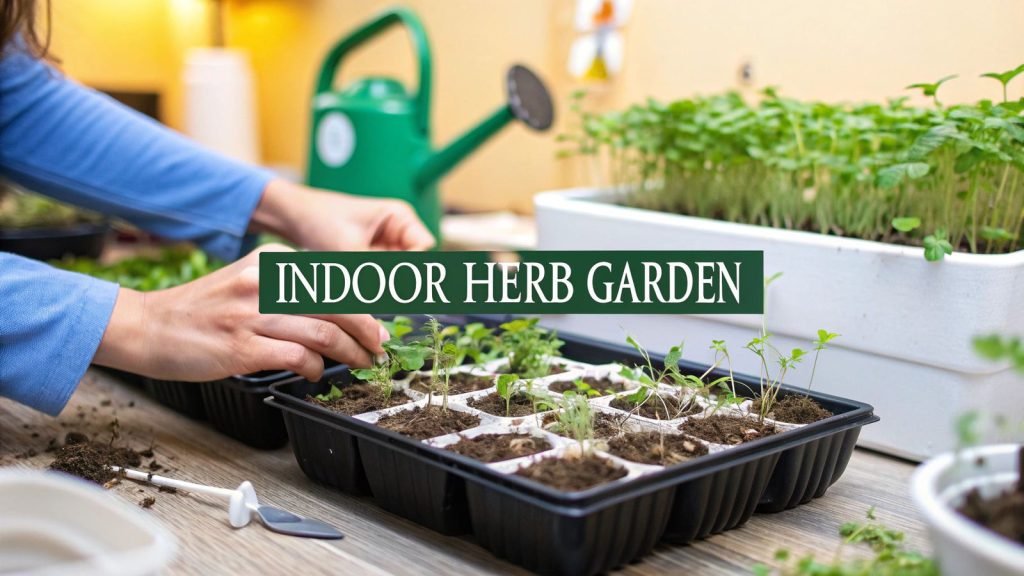
Are pesky bugs turning your indoor herb garden into a battleground? You’re not alone.
Many plant enthusiasts find themselves waging war against unwanted critters that threaten to ruin their carefully nurtured greens. Imagine this: you’ve invested time, energy, and love into growing basil, mint, and rosemary right on your windowsill, only to see them wilt under the attack of tiny invaders.
But don’t worry! There’s a solution to reclaim your aromatic haven. In this guide, we’ll unveil the secrets to banishing bugs from your indoor herb garden once and for all. Prepare to discover simple, effective strategies that will not only save your plants but also restore the peace and satisfaction of a thriving indoor oasis. Let’s dive in and get your garden flourishing bug-free!
:max_bytes(150000):strip_icc()/fresh-and-green-herbs-in-rustic-garden-940936938-8b291f6c5e5d4b908d27502774f20f1d.jpg)
Credit: www.treehugger.com
Common Indoor Herb Garden Pests
Indoor herb gardens are a fantastic way to enjoy fresh herbs year-round, but they can sometimes become a magnet for pesky insects. These tiny invaders can quickly wreak havoc on your plants if not addressed promptly. Understanding the common pests that target indoor herb gardens is the first step in maintaining a thriving garden. Let’s explore some of these nuisances.
Identifying Aphids
Aphids are small, soft-bodied insects that come in various colors like green, black, or white. They tend to cluster on the underside of leaves, making them difficult to spot at first glance. Aphids feed on the sap of your plants, causing leaves to curl and yellow. You might notice a sticky residue called honeydew, which can attract ants and lead to mold growth. A simple way to manage aphids is by regularly spraying your plants with a mixture of water and a few drops of dish soap.
Spotting Spider Mites
Spider mites are another common invader in indoor herb gardens. These tiny pests are often reddish-brown and thrive in warm, dry conditions. You may notice delicate webs spun between leaves, which is a tell-tale sign of their presence. Spider mites suck the juices from plant cells, leading to speckled leaves and a weakened plant. Increasing humidity around your plants can help deter these mites, as they dislike moist environments.
Recognizing Fungus Gnats
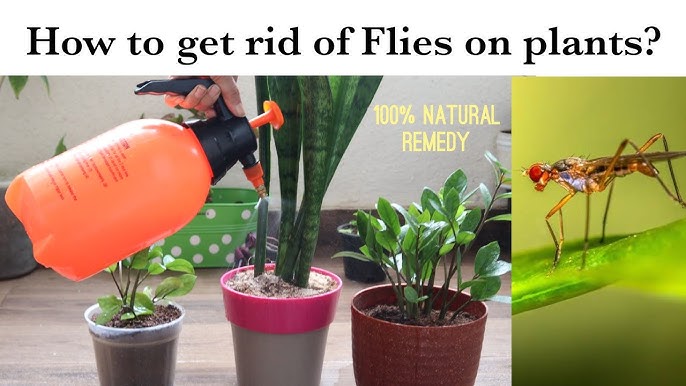
Fungus gnats resemble small flies and are often mistaken for fruit flies. They are attracted to the moist soil in your herb garden and lay their eggs there, leading to larvae that feed on plant roots. You might see adults hovering around the soil surface or notice seedlings failing to thrive. Allowing the top layer of soil to dry out between waterings can prevent gnats from laying eggs, helping to break their lifecycle.
Have you ever battled these tiny foes in your indoor garden? What strategies worked best for you? Keeping your herb garden pest-free is not just about following steps but also adapting to what your plants need. Share your experiences and let’s keep our gardens flourishing together!
Credit: www.youtube.com
Preventative Measures
Keeping your indoor herb garden free of bugs can feel like an uphill battle, especially when they seem to appear out of nowhere. The key to maintaining a pest-free environment is not just treating the problem, but preventing it from happening in the first place. Here, we discuss some effective preventative measures that can help you keep those pesky invaders at bay, ensuring your herbs stay healthy and thriving.
Choosing The Right Soil
Start by selecting high-quality, sterile soil. Bugs often hitch a ride on contaminated soil, so investing in a reputable brand can save you from future headaches. You might find that soil with added perlite or vermiculite not only improves drainage but also deters certain pests.
Ever tried experimenting with mixing your own soil? Combining equal parts of sand, peat moss, and compost can create an ideal environment for herbs while reducing the risk of pest infestations.
Maintaining Proper Humidity
Humidity plays a significant role in your indoor garden’s health. Many bugs thrive in overly humid environments, so it’s crucial to strike the right balance. A simple hygrometer can help you keep tabs on the moisture levels.
Have you noticed how your herbs respond to a small humidifier or a pebble tray? These tools can maintain optimal humidity, preventing both drought stress and bug attraction.
Ensuring Adequate Ventilation
Good airflow is often underestimated in its ability to ward off bugs. Stagnant air creates a breeding ground for pests, so ensure your herbs are getting plenty of fresh air. This can be as simple as opening a window or placing a small fan near your garden.
Consider how strategic placement of your plants can also help. Arranging them with enough space in between ensures that air circulates freely, keeping bugs at bay while allowing your herbs to flourish.
Are you ready to transform your herb garden into a thriving, bug-free oasis? Implement these preventative measures and watch your herbs grow healthier and more robust with each passing day.
Natural Remedies For Pest Control
Natural remedies can effectively tackle bugs in your indoor herb garden. Use neem oil or garlic spray to deter pests. Companion planting with basil or mint also helps keep bugs away naturally.
Natural remedies can be an effective way to tackle pests in your indoor herb garden without resorting to harsh chemicals. These solutions are not only safer for your plants but also for your family and pets. Imagine nurturing your herbs with care, only to find them under attack by pesky bugs. What if you could repel those invaders using simple, natural methods? Let’s dive into some strategies you can try.Using Neem Oil
Neem oil is a powerful natural pesticide derived from the seeds of the neem tree. It’s known for its ability to disrupt the life cycle of pests, making it a popular choice among gardeners. You simply mix a few drops with water and spray it onto the affected plants. This oil not only repels insects but also encourages healthy plant growth. Have you ever wondered how nature can be so kind yet so fierce? Neem oil harnesses this balance beautifully. Regular application can keep bugs at bay and your herbs thriving.Employing Homemade Soap Spray
A homemade soap spray is another effective remedy that can be made with ingredients you likely have in your kitchen. Mix a couple of tablespoons of liquid soap with a quart of water and fill a spray bottle. This mixture can suffocate pests on contact. Just spray it directly on the leaves. It’s crucial to test a small area first to avoid damaging your plants. Isn’t it empowering to know that a simple household item can be your garden’s shield?Incorporating Essential Oils
Essential oils offer a fragrant and effective way to deter pests. Oils like peppermint, lavender, and tea tree are popular choices. These can be mixed with water and sprayed onto your plants or used in a diffuser near your garden. The aromatic compounds are unpleasant to bugs but delightful to you. Have you ever noticed how scents can transform a space? In your herb garden, they can also transform pest control. With regular use, essential oils can help maintain a bug-free environment while adding a pleasant aroma to your home. Consider these natural remedies as your secret weapons in the fight against pests. Each offers a sustainable and gentle approach, proving that sometimes, the simplest solutions are the most effective. Which will you try first?Chemical Solutions
Chemical solutions can effectively eliminate bugs in an indoor herb garden. Use mild insecticidal soap or neem oil to target pests. Ensure thorough coverage on leaves and stems for best results.
Creating an indoor herb garden is a delightful way to enjoy fresh flavors right at home, but pesky bugs can sometimes threaten your verdant oasis. While organic methods are preferred, sometimes chemical solutions are necessary for a quick and effective fix. Understanding the types of chemical solutions available can empower you to make safe choices for your beloved plants.Selecting Safe Pesticides
Choosing the right pesticide is crucial to protect both your plants and your indoor environment. Look for pesticides labeled safe for indoor use and specifically designed for edible plants. Neem oil is a popular choice, known for its ability to deter a variety of pests without harming your herbs. Do you ever wonder if these chemicals affect the flavors of your herbs? Rest assured, most safe pesticides are designed not to alter taste or aroma. Check labels for safety certifications and ensure minimal environmental impact.Applying Insecticidal Soap
Insecticidal soap is a gentle yet effective solution, particularly against soft-bodied insects like aphids and spider mites. Mix the soap concentrate with water as per instructions, and spray directly onto affected areas. The soap works by suffocating the insects, offering a safe option for you and your plants. The application process is straightforward. Spray during early morning or late afternoon to avoid sun scorch, and make sure to cover both sides of the leaves. Regular checks and applications will keep your herbs bug-free.Understanding Use Of Systemic Insecticides
Systemic insecticides are powerful tools, absorbed by plants to target pests from within. They can be effective against persistent infestations, but caution is key. These chemicals enter the plant’s system, making them unsuitable for herbs intended for immediate consumption. Consider systemic insecticides if your bug problem is severe, and you have time before harvesting. Always follow usage instructions carefully and weigh the pros and cons before deciding. How often do you notice bugs affecting your herbs? Regular monitoring and judicious use of systemic insecticides can lead to healthier, more resilient plants. Chemical solutions can be an integral part of maintaining a healthy indoor herb garden. With careful selection and application, you can enjoy lush, bug-free greenery all year round.Integrated Pest Management Strategies
Integrated Pest Management strategies focus on balancing natural methods and minimal chemical use to control garden pests. Identify and remove bugs using manual techniques, beneficial insects, or organic solutions to protect your indoor herb garden. Regular monitoring and maintaining healthy plants reduce the risk of infestations effectively.
Integrated Pest Management (IPM) strategies are crucial for maintaining a healthy indoor herb garden. These strategies focus on sustainable, long-term prevention of pests. By using IPM, you can manage pests effectively without harming your plants. It involves a combination of techniques that work together for the best results.Monitoring And Detection
Regular monitoring is vital for early pest detection. Check your plants frequently. Look for any signs of pests or damage. Use a magnifying glass for a closer inspection. Sticky traps can help catch flying insects. Monitoring helps you understand pest trends and behavior.Combining Control Methods
Use a mix of control methods for effective pest management. Combine cultural, mechanical, and biological controls. Cultural controls include proper watering and spacing. Mechanical methods involve removing pests by hand. Biological controls use natural predators like ladybugs. This integrated approach keeps pest populations low.Evaluating Pest Thresholds
Determine your pest threshold for effective management. Identify how many pests your plants can tolerate. This threshold helps decide when to take action. If pest numbers exceed this level, control measures are needed. Evaluating thresholds prevents unnecessary pesticide use. This ensures a balanced garden ecosystem.Maintaining A Healthy Herb Garden
Keeping your indoor herb garden healthy is essential for vibrant growth. Bugs can be a nuisance, but a little effort goes a long way. Regular checks and care can prevent most issues. Let’s delve into some simple practices that ensure your herbs thrive.
Regular Inspection Routine
Inspect your herbs weekly to catch bug problems early. Look under leaves for tiny pests or eggs. Check the soil surface for any unusual activity. Use a magnifying glass to spot small insects. Early detection makes treatment easier and more effective.
Proper Watering Techniques
Overwatering can invite bugs and diseases. Water your herbs only when the topsoil feels dry. Use pots with drainage holes to prevent waterlogging. Water in the morning to allow leaves to dry during the day. This practice reduces the risk of fungal growth.
Supporting Plant Immunity
Strong plants resist pests better. Use organic fertilizers to nourish your herbs. Ensure they receive adequate sunlight daily. Rotate plants occasionally to provide even light exposure. Prune dead or damaged leaves to promote new growth. Healthy plants naturally fend off many pests.

Credit: m.youtube.com
Frequently Asked Questions
How Do I Identify Bugs In My Herb Garden?
Look for signs like chewed leaves, webbing, or tiny insects on plants. Common bugs include aphids, spider mites, and whiteflies. Inspect both sides of leaves and soil for pests. Early detection is key to preventing infestations and maintaining a healthy indoor herb garden.
What Are Natural Ways To Remove Herb Garden Bugs?
Use neem oil or insecticidal soap to treat infested plants. Introduce beneficial insects like ladybugs to control pests naturally. Regularly clean leaves with water to remove bugs. Ensure proper air circulation and sunlight to discourage pest habitats in your indoor herb garden.
How Can I Prevent Bugs In Indoor Herb Gardens?
Keep your plants healthy by watering properly and maintaining humidity levels. Regularly check for pests and remove debris. Use sterile soil and clean pots to minimize bug presence. Rotate plants and use companion planting techniques to deter bugs naturally.
Are There Specific Herbs That Repel Bugs?
Certain herbs like basil, mint, and lavender naturally repel insects. Plant them alongside other herbs to reduce pest issues. Their strong scents deter bugs, making them ideal for indoor gardens. Utilizing these herbs can help maintain a bug-free environment.
Conclusion
Keeping bugs away from your indoor herb garden is simple. Regular checks help spot pests early. Use natural remedies to control them. Always clean your plants and pots. Healthy plants resist bugs better. Air circulation is important for plant health.
Remember to water them carefully. Overwatering attracts pests. Enjoy growing herbs indoors without worry. A bug-free garden is possible with care and attention. Stick to these easy steps for a thriving herb garden. Your plants will thank you with fresh, tasty leaves.
Happy gardening!







