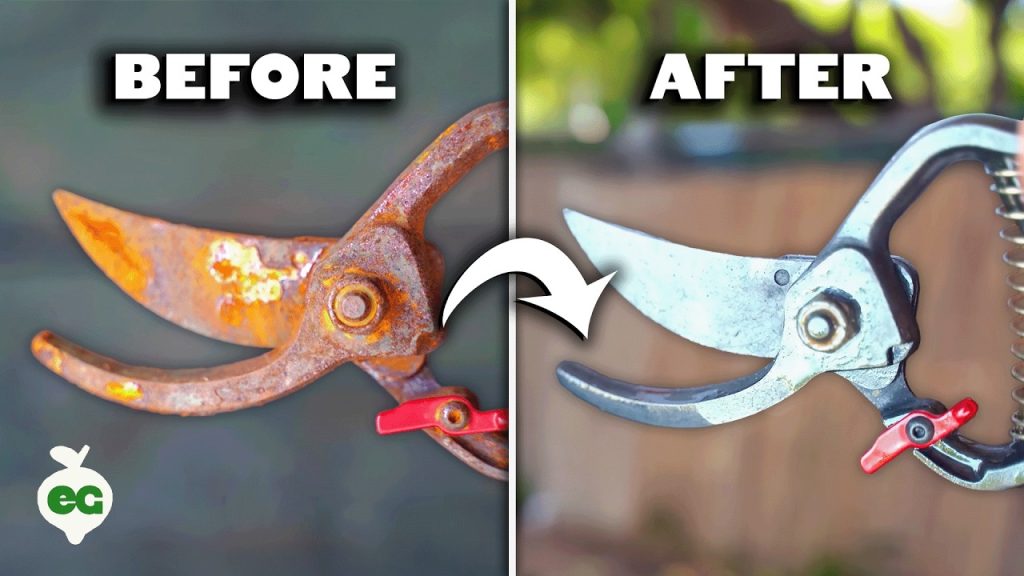
Do you love gardening but find that rust has taken over your beloved tools? Rust can turn your trusty garden shears and spades into frustrating, unusable relics.
But don’t worry; you’re not alone, and there is a solution. Imagine the satisfaction of seeing your tools gleam like new again, ready to help you cultivate your garden into a lush paradise. In this guide, you’ll discover simple, effective methods to remove rust from your garden tools, extending their life and saving you money.
With just a little effort, you’ll learn how to restore your tools to their former glory, making your gardening tasks smoother and more enjoyable. Curious to find out how? Keep reading, and unlock the secrets to a rust-free toolbox today!
Credit: www.ruralsprout.com
Common Causes Of Rust On Garden Tools
Moisture exposure and neglect lead to rust on garden tools. Rust weakens tools, making them less effective. Regular cleaning and proper storage can prevent rust formation.
Garden tools are essential for maintaining a beautiful and healthy garden. Over time, these tools often become victims of rust. Rust is not only unsightly but can also impair the functionality of your tools. Understanding the common causes of rust on garden tools can help prevent this issue. Knowing why rust forms is the first step in keeping your tools in top shape.Humidity And Moisture
Humidity plays a major role in rust formation. Metal garden tools exposed to moisture are highly susceptible to rust. Even a little water left on a tool can initiate rusting.Improper Storage
Storing tools in damp places accelerates rusting. Leaving tools outside or in a wet shed makes them prone to rust. Proper storage is crucial for rust prevention.Lack Of Maintenance
Neglecting regular cleaning leads to rust. Dirt and moisture left on tools create the perfect environment for rust. Regular maintenance keeps tools in good condition.Exposure To Chemicals
Certain chemicals can cause rust. Fertilizers and pesticides can speed up the rusting process. Cleaning tools after use can prevent chemical-related rust.Environmental Factors
Weather conditions influence rust formation. Areas with frequent rain or high humidity see more rust. Choosing the right material for tools can reduce rust risk.Materials Needed For Rust Removal
Gather some basic supplies to remove rust from garden tools effectively. White vinegar, baking soda, and a wire brush are essential for scrubbing off rust. Protective gloves and a clean cloth will also help ensure a safe and tidy process.
Removing rust from garden tools keeps them efficient and durable. Before diving into the process, gather all necessary materials. Having the right tools ensures a smooth and effective rust removal. Here are the materials you’ll need to get started.White Vinegar
White vinegar is a natural rust remover. Its acidity dissolves rust efficiently.Steel Wool Or Wire Brush
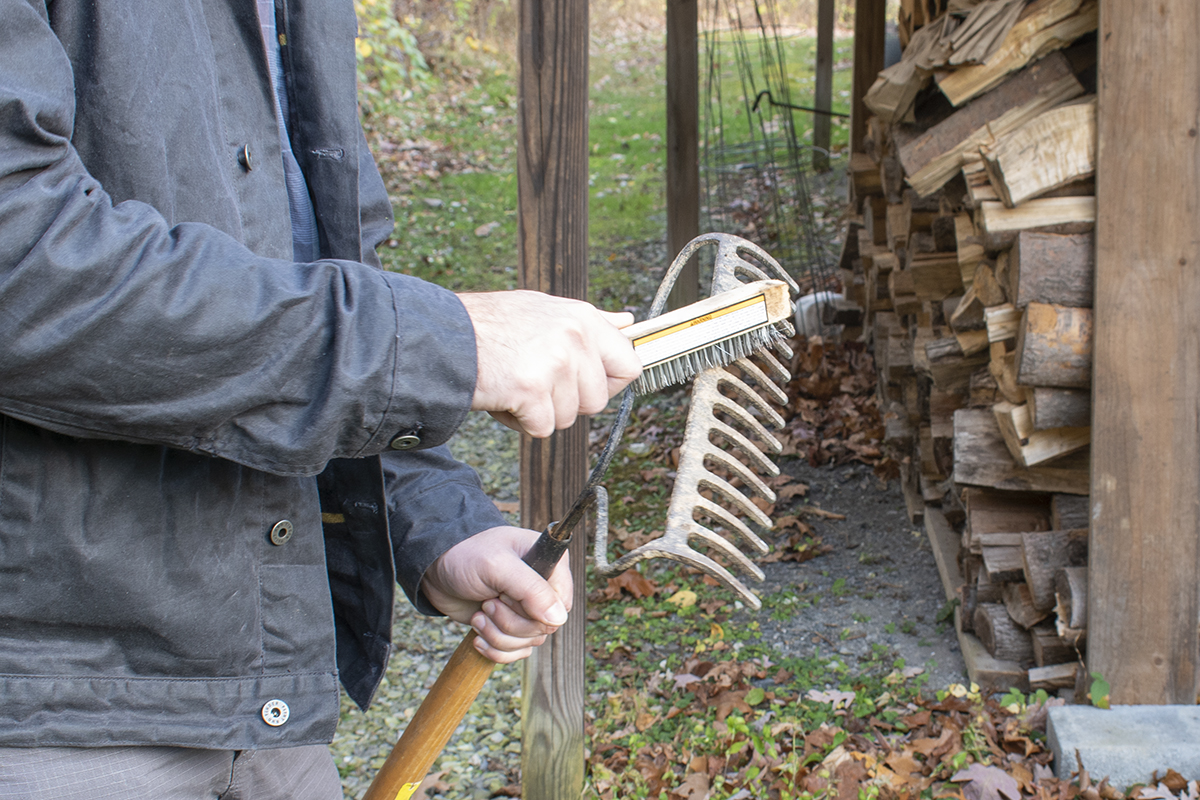
Use steel wool or a wire brush for scrubbing. They help remove stubborn rust patches.Baking Soda
Baking soda mixed with water forms a paste. This paste aids in scrubbing off rust.Lemon Juice
Lemon juice’s acidity helps break down rust. It’s a natural and eco-friendly option.Sandpaper
Sandpaper smooths out rough spots. It helps in refining the tool’s surface.Old Rags Or Cloth
Old rags are for wiping and drying tools. They ensure no moisture remains on the surface.Protective Gloves
Wear protective gloves to protect your hands. Safety is crucial during the cleaning process.Rust Inhibitor
A rust inhibitor prevents future rust. Apply it after cleaning for long-lasting protection.Bucket Or Large Container
A bucket holds vinegar or water solutions. It allows for easy soaking of tools. With these materials, you’re ready to restore your garden tools. Gather them before starting to ensure a hassle-free process.Preparation Steps Before Cleaning
Before diving into the task of removing rust from your garden tools, it’s crucial to prepare adequately. Preparation not only ensures a smooth cleaning process but also protects you and your tools from potential damage. By focusing on a few key steps, you can make the cleaning process more effective and less cumbersome.
Inspecting The Tools
Your first action should be a thorough inspection of each tool. Look for areas with rust and assess the extent of the damage. Is it a light surface rust or has it penetrated deeper? Examine handles for cracks or splinters that might need attention. This inspection helps you understand what cleaning techniques to use and whether any repairs are needed.
While inspecting, pay attention to moving parts. Are they functioning smoothly? Rust can often affect hinges and joints. Identifying these issues early can save you time and effort during cleaning. If a tool is too damaged, it might be worth considering replacement rather than repair.
Setting Up A Workspace
Once you’ve inspected the tools, setting up a dedicated workspace is vital. Choose an area that is well-ventilated and has ample space to move around comfortably. You might be surprised by how much a clutter-free workspace can enhance productivity.
Gather all your cleaning supplies and tools in this area. Lay down old newspapers or a tarp to catch debris and rust particles. Having all materials within reach minimizes interruptions and keeps your focus on cleaning. Wouldn’t it be frustrating to start cleaning only to realize you’re missing a crucial item?
Consider organizing your workspace with a simple table setup. Use a table to hold the tools that need cleaning, and a smaller one for your cleaning supplies. This separation helps maintain order and prevents cross-contamination between clean and dirty tools.

Credit: www.crcindustries.com
Using Baking Soda And Vinegar
Remove rust from garden tools using a simple mix of baking soda and vinegar. Apply vinegar to the rusty areas, then sprinkle baking soda over it. Let it sit, scrub, and rinse for shiny results.
Using Baking Soda and Vinegar Removing rust from your garden tools doesn’t have to be a tedious task. By using everyday kitchen items like baking soda and vinegar, you can restore your tools efficiently and effectively. This combination is not only powerful but also eco-friendly, helping you maintain your garden essentials without harsh chemicals.Making The Solution
Start by mixing equal parts of baking soda and vinegar in a bowl. You’ll notice a fizzing reaction that helps break down rust. For a small batch, a tablespoon of each works well. If you’re dealing with tougher rust, consider increasing the quantities. Stir the mixture until it forms a paste. The consistency should be thick enough to stick to the tools, yet spreadable.Applying The Mixture
Once your paste is ready, use a brush or cloth to apply it generously over the rusty areas. Ensure you cover all affected spots for maximum effectiveness. Let the mixture sit on the tools for about 15 minutes. The active ingredients will start loosening the rust particles. After the wait, scrub the tools with a brush to remove loosened rust. You’ll be surprised at how easily the rust comes off. Rinse thoroughly with water, and dry the tools completely. This prevents moisture from inviting rust back. What other simple household items have you used to tackle stubborn rust?Utilizing Lemon And Salt
Rusty garden tools can be a hassle. They lose their shine and efficiency. Luckily, natural remedies work wonders. Lemon and salt are a dynamic duo for tackling rust. This method is simple and effective. It uses everyday household items. Let’s dive into this easy solution.
Creating The Paste
Start with fresh lemons. Squeeze the juice into a bowl. Add salt gradually. Stir until it forms a thick paste. The mixture should not be too runny. Aim for a creamy consistency. Lemon juice is acidic. Salt acts as an abrasive. Together, they fight rust effectively.
Scrubbing The Rust
Apply the paste generously on rusty spots. Use an old toothbrush or cloth. Scrub the tool gently. Focus on areas with heavy rust. Let the paste sit for 10 minutes. This allows acids to break down rust. Rinse the tool with warm water. Dry it thoroughly with a clean towel. Repeat the process if needed. Regular cleaning prevents future rust.
Employing Chemical Rust Removers
Employing chemical rust removers effectively tackles rust on garden tools. Apply the remover, scrub gently, and rinse thoroughly. Ensure tools are completely dry to prevent future rust.
Removing rust from garden tools can seem like a daunting task, but chemical rust removers can make it much easier. These products are specifically designed to tackle stubborn rust stains, saving you time and effort. Whether you’re dealing with a rusty shovel or a pair of shears, employing a chemical rust remover can restore your tools to their former glory.Selecting A Product
Choosing the right chemical rust remover is crucial. Look for products that are specifically labeled for rust removal and suitable for the type of metal your tools are made from. It’s helpful to read reviews or ask for recommendations from friends or local gardeners who have successfully used these products. Consider the environmental impact as well. Some rust removers are eco-friendly and biodegradable, minimizing harm to your garden and the planet.Safety Precautions
Safety should always be your top priority when using chemical products. Ensure you have a well-ventilated area to work in, as fumes can be harmful. Wear protective gear like gloves and goggles to prevent skin and eye irritation. Always follow the manufacturer’s instructions for application to avoid any mishaps. Have you ever tried a chemical rust remover on your tools? How did it work for you? These questions can lead you to the most effective and safest approach to maintaining your garden tools.Finishing And Polishing Tools
Cleaning rust from garden tools is simple with the right finishing and polishing tools. Use sandpaper to scrub away rust, then apply a rust remover. Finish by polishing the tools with a clean cloth for a shiny, rust-free surface.
Finishing and polishing tools help maintain their longevity and efficiency. After removing rust, tools need a final touch. This step enhances their appearance and prevents future rust. It’s crucial for keeping your garden tools in top shape.Rinsing And Drying
Rinse the tools with clean water to remove rust residues. Use a hose or a bucket of water for thorough rinsing. Make sure all cleaning agents are washed away. After rinsing, dry the tools with a clean cloth. This prevents any moisture from causing further rust. Leave them in a dry place for a short time to air dry completely.Applying Protective Coatings
Once dry, apply a protective coating to prevent rust. Use mineral oil or a rust-prevention spray. Rub the oil onto the metal parts with a cloth. Ensure an even layer to cover all surfaces. This protective layer acts as a barrier against moisture. Store the tools in a dry, well-ventilated area. It ensures they remain rust-free and ready for use.Preventing Future Rust
Clean garden tools with vinegar to dissolve rust. Scrub with a brush for stubborn spots. Dry completely to prevent future rust.
Preventing rust on your garden tools not only saves you time and money but also enhances the longevity and efficiency of your equipment. It’s all about the little actions that make a big difference. By focusing on proper storage and regular maintenance, you can keep rust at bay and ensure your tools remain in top-notch condition.Proper Storage Techniques
Storing your garden tools correctly is the first line of defense against rust. Ensure your tools are kept in a dry, well-ventilated space. Moisture is rust’s best friend, so avoid leaving tools outdoors or in damp areas. Consider investing in a tool shed or a dedicated space in your garage. Hanging tools on walls or using pegboards can improve air circulation around them. You might even use silica gel packs to absorb any excess moisture in storage areas.Regular Maintenance Tips
Regular maintenance is crucial in keeping rust from forming. After each use, clean your tools thoroughly with a brush or cloth to remove dirt and moisture. Dry them completely before storing. Applying a light coat of oil, such as vegetable oil or WD-40, can act as a protective barrier against rust. Make it a routine to inspect your tools monthly for any signs of rust, and address them immediately to prevent further damage. What habits can you form today to extend the life of your garden tools? Small, consistent actions go a long way in maintaining their quality.
Credit: m.youtube.com
Frequently Asked Questions
How Do I Safely Remove Rust From Tools?
To safely remove rust, use a mixture of vinegar and baking soda. Soak tools in vinegar overnight, then scrub with baking soda. Rinse and dry thoroughly to prevent further rusting. This method is effective and gentle, preserving the integrity of your garden tools.
Can I Use Household Items To Clean Rust?
Yes, household items like vinegar, baking soda, and lemon juice can remove rust. Vinegar’s acetic acid dissolves rust, while baking soda provides scrubbing power. Lemon juice can also be used for its acidic properties. These items are affordable and readily available, making them convenient choices.
What Is The Best Rust Remover For Tools?
The best rust remover is often a mixture of vinegar and baking soda. Vinegar’s acidity breaks down rust, and baking soda helps scrub it away. This combination is effective, eco-friendly, and safe for most garden tools. Always rinse tools thoroughly after cleaning to remove residue.
How Can I Prevent Rust On Garden Tools?
Prevent rust by cleaning tools after each use and storing them in a dry place. Apply a light coat of oil to metal parts for protection. Regular maintenance, including sharpening and oiling, keeps tools rust-free and prolongs their lifespan. This ensures optimal performance in your garden.
Conclusion
Removing rust from garden tools is simple with the right methods. Regular cleaning prevents rust buildup and extends tool life. Use vinegar or baking soda for efficient rust removal. These solutions are affordable and easy to find. Scrubbing with a wire brush enhances results.
Dry tools well after cleaning to stop rust from returning. Store them in a dry place. This care keeps your garden tools effective for years. Enjoy gardening with clean, rust-free tools. Keep your garden flourishing and your tools ready for action.
Happy gardening!







