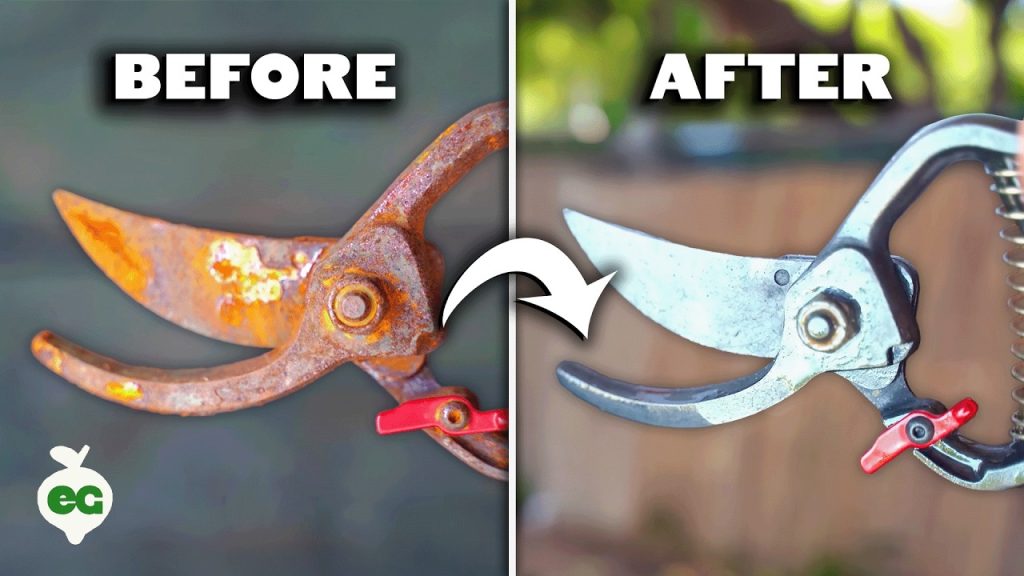
Your garden tools are your trusty companions in the quest for a thriving garden. But when fertilizer corrosion starts to creep in, it can turn those trusty companions into rusty nuisances.
Not only does this make your tools look unsightly, but it can also affect their performance and lifespan. You’ve invested time and money into your gardening gear, so it’s important to keep them in top shape. Imagine the frustration of trying to prune a branch with dull, corroded shears or digging with a rusty spade.
The good news is, you don’t have to put up with this. In this guide, you’ll discover simple, effective methods to remove fertilizer corrosion from your garden tools and restore them to their former glory. Whether you’re a seasoned gardener or just starting out, these tips are designed to save you time, money, and effort. Your tools deserve the best care, and we’re here to show you how to give it to them. Ready to transform your garden tools and make your gardening tasks easier and more enjoyable? Let’s dive in!

Credit: www.amazon.com
Identifying Fertilizer Corrosion
Removing fertilizer corrosion from garden tools ensures their longevity and efficiency. Begin by rinsing tools with water to remove loose debris. Scrub them using a wire brush to eliminate rust.
Identifying fertilizer corrosion on your garden tools is the first step to restoring them to their former glory. Corrosion is not only unsightly but can also impair the functionality of your tools. Understanding what to look for can save you time and effort in maintaining your gardening arsenal.Recognizing Rust Spots
Rust is the most common sign of corrosion you’ll encounter. Look for reddish-brown spots or patches on metal surfaces. These spots can spread quickly if not addressed.Checking For Pitting And Surface Damage
Pitting appears as small, crater-like indentations on the metal surface. This damage can weaken the tool and lead to breakage during use.Evaluating Discoloration And Staining
Discoloration might manifest as dull or uneven color patches on your tools. This is a sign that the metal’s surface is reacting with the fertilizer.Listening For Changes In Tool Performance
Notice if your tools aren’t performing as well as they used to. Corrosion can cause moving parts to stick or not function smoothly.Feeling For Rough Textures
Run your fingers over the tool surfaces. A rough or grainy texture indicates corrosion, as smooth surfaces should be the norm. Understanding these signs helps you intervene early. Have you ever thought about how much longer your tools could last with just a bit of attention? Taking the time to identify corrosion can lead to a longer lifespan for your garden tools and a better gardening experience.Essential Cleaning Supplies
Essential cleaning supplies can effectively remove fertilizer corrosion from garden tools. Use white vinegar and baking soda to scrub the tools clean, restoring their shine.
Cleaning garden tools regularly keeps them in top shape. Especially when removing fertilizer corrosion. Using the right cleaning supplies makes the task easier. Below are the essential items you’ll need.Cleaning Brush
A stiff-bristled brush is crucial. It helps scrub away dried fertilizer and rust. Choose one with durable bristles.White Vinegar
White vinegar dissolves rust effectively. It’s a natural and safe option. Soak the tools for a few hours for best results.Baking Soda
Baking soda acts as a gentle abrasive. It helps scrub off stubborn corrosion. Mix with water to form a paste.Steel Wool
Steel wool is excellent for tough rust spots. It provides extra scrubbing power. Use gently to avoid scratching the metal.Clean Rags
Have clean rags on hand to wipe tools dry. They prevent moisture buildup, which causes rust. Opt for lint-free rags.Rubber Gloves
Protect your hands with rubber gloves. They shield from harsh cleaning agents. Plus, they keep your hands clean.Oil Or Lubricant
Oil or lubricant helps protect tools after cleaning. It creates a protective layer against moisture. Apply a thin coat after drying.Preparing Tools For Cleaning
To remove fertilizer corrosion from garden tools, gather essential cleaning supplies like vinegar and a wire brush. Soak tools in vinegar to loosen rust, then scrub gently with the brush to reveal clean surfaces. Finish by drying thoroughly to prevent future corrosion.
Preparing your garden tools for cleaning is a crucial step in maintaining their longevity and effectiveness. Corrosion caused by fertilizers can damage tools, making them less efficient. With the right preparation, your tools can be restored to their original condition, ready for the next gardening task.Gather Necessary Supplies
Start by collecting all the cleaning materials. You’ll need a wire brush, vinegar, and clean rags. Having everything at hand saves time and ensures a smooth cleaning process.Inspect Tools For Damage
Carefully examine each tool for signs of wear. Look for cracks, rust, or bent parts. Identifying these issues early can prevent further damage and improve tool performance.Disassemble Removable Parts
If your tools have removable parts, take them apart. This allows you to clean each component thoroughly. Pay special attention to joints and hinges where corrosion may be hidden.Soak Tools In Vinegar Solution
Prepare a mixture of vinegar and water. Soak the tools for several hours. This helps loosen corrosion and makes scrubbing easier.Scrub With Wire Brush
Use a wire brush to remove stubborn corrosion. Scrub gently to avoid scratching the tool surface. Repeat as needed for a clean finish.Rinse And Dry Thoroughly
After scrubbing, rinse the tools with clean water. Dry them completely to prevent future rust. A dry cloth or towel works best for this step.Oil Moving Parts
Apply oil to moving parts after cleaning. This prevents rust and ensures smooth operation. Regular maintenance keeps tools in top condition. Preparing your garden tools for cleaning takes some effort, but it’s worth it. Proper care extends their life and makes gardening more enjoyable. Follow these steps for effective tool maintenance.
Credit: leafyisland.com
Effective Cleaning Methods
Garden tools are the backbone of maintaining a lush and thriving garden. However, fertilizer corrosion can damage these essential tools, making them less effective and shortening their lifespan. Knowing how to clean and restore them is crucial. Here, we explore some effective cleaning methods to tackle this problem, ensuring your tools are always in top shape.
Using Vinegar Solutions
Vinegar is a powerful ally in fighting rust and corrosion. Its acidic nature dissolves the rust effectively, making it a go-to solution for gardeners. Pour white vinegar into a container large enough to submerge your tools. Let them soak overnight. You’ll be amazed at how the rust loosens up. The next day, use a scrub brush to remove the remaining rust. Rinse thoroughly and dry your tools to prevent further corrosion.
Have you ever tried vinegar for cleaning? It’s surprising how a pantry staple can restore your tools so effectively. This cost-effective method can save you from replacing tools frequently. So, why not give it a shot?
Baking Soda Paste Application
Baking soda is another versatile item that can work wonders on rust. Mix baking soda with water to create a thick paste. Apply the paste generously onto the corroded areas of your tools. Let it sit for a couple of hours. Then, scrub off the paste with a brush, revealing cleaner surfaces.
Are you worried about stubborn spots? Reapply the paste and repeat the process. Sometimes it takes patience and persistence to achieve the best results. Baking soda not only cleans but also deodorizes, leaving your tools fresh and ready for use.
Commercial Rust Removers
If DIY solutions aren’t your thing, commercial rust removers might be your best bet. These products are specifically designed to tackle corrosion and rust efficiently. Follow the instructions on the label for the best results. Usually, these involve applying the remover and letting it sit for a specified time before wiping or rinsing off.
Have you ever considered the convenience of commercial solutions? They might be pricier than DIY methods, but they are highly effective and often faster. Perfect for those who are short on time or prefer ready-to-use solutions. Which method suits you best?
Preventing Future Corrosion
Removing fertilizer corrosion from garden tools helps extend their life. Clean tools with a mix of water and vinegar, then dry thoroughly. Regular maintenance prevents future rust.
Preventing future corrosion of garden tools is crucial for their longevity. After removing fertilizer corrosion, taking preventive steps ensures your tools stay in good condition. Simple habits can make a significant difference in keeping your tools rust-free.Proper Tool Storage
Store tools in a dry place to prevent moisture buildup. Consider a shed or garage for this purpose. Hanging tools on a wall can help avoid contact with damp floors. Use hooks or racks to organize them efficiently. This prevents moisture and maintains tool integrity.Regular Maintenance Routine
Create a routine for cleaning tools after each use. Wipe them with a dry cloth to remove any moisture. Check for any signs of rust or damage regularly. Address issues immediately to prevent further corrosion. This practice keeps your tools ready for action.Using Protective Coatings
Apply a protective coating to metal parts of your tools. Use oil or a rust-preventive spray for this task. This forms a barrier against moisture and fertilizer. Reapply the coating periodically for ongoing protection. This simple step can extend the life of your garden tools.Common Mistakes To Avoid
Keeping garden tools clean extends their life. Avoid using harsh chemicals that damage the metal. Instead, gently scrub with a mixture of vinegar and baking soda for effective corrosion removal.
Common mistakes can sabotage your efforts to clean garden tools. Avoiding these errors ensures tools last longer and work effectively. This section highlights key mistakes to avoid.Using Harsh Chemicals
Many think strong chemicals work best for cleaning. This can damage tools and cause health risks. Opt for mild cleaning solutions instead.Not Drying Tools Properly
Leaving tools wet leads to more corrosion. Always dry them thoroughly after cleaning. Use a clean, dry cloth for the best results.Ignoring Regular Maintenance
Skipping regular maintenance leads to stubborn corrosion. Clean and oil tools frequently to prevent buildup. This simple step keeps tools in top condition.Using Abrasive Materials
Abrasive materials can scratch and damage tools. Choose soft brushes or cloths for cleaning. They protect the tool’s surface from further harm.Improper Storage
Storing tools in damp areas invites corrosion. Store them in a dry, well-ventilated space. This prolongs their lifespan and maintains quality.Using High-pressure Water
High-pressure water jets may seem effective. They can force water into joints, causing rust. Use a gentle stream instead for safe cleaning.Benefits Of Maintaining Garden Tools
Maintaining garden tools enhances longevity and efficiency. Removing fertilizer corrosion is essential. Rinse tools to clear debris. Use vinegar or baking soda for stubborn rust. Regular cleaning keeps tools sharp and safe.
Maintaining garden tools offers many benefits. It extends their lifespan, ensures efficient performance, and saves money. Proper maintenance enhances the quality of gardening work. Tools work better and safer when in good condition. Regular care also prevents rust and corrosion, common enemies of metal tools. Clean tools make gardening tasks easier, reducing effort and time. They also improve plant health by preventing disease spread.Enhanced Efficiency And Performance
Well-maintained tools work smoothly. They cut and dig with ease. This makes gardening less tiring. Sharp blades and rust-free surfaces ensure precise cuts. Tasks get done faster. Efficiency leads to better results in the garden.Cost Savings
Regular maintenance prevents the need for replacements. It keeps tools in good shape longer. This saves money in the long run. Investing in maintenance is cheaper than buying new tools.Improved Safety
Safe tools mean fewer accidents. Clean, sharp tools reduce the risk of injury. They function predictably. This is crucial for safe gardening practices.Prevention Of Disease Spread
Dirty tools can spread plant diseases. Regular cleaning prevents this. Sterilized tools keep plants healthy. This means a healthier garden overall.Extended Tool Lifespan
Proper care extends the life of garden tools. It slows down wear and tear. This means tools last for years. Consistent care ensures durability.Reduced Environmental Impact
Long-lasting tools reduce waste. Less frequent replacements mean fewer resources used. This benefits the environment. Sustainable gardening starts with caring for your tools.
Credit: www.amazon.com
Frequently Asked Questions
How Does Fertilizer Cause Corrosion On Tools?
Fertilizer contains chemicals that can react with metal surfaces. Over time, these reactions lead to corrosion and damage. Regular exposure without cleaning can speed up the process. Proper maintenance is essential to prevent this corrosion.
Can Vinegar Remove Corrosion From Garden Tools?
Yes, vinegar is effective for removing corrosion. It reacts with rust, breaking it down and making it easier to scrub off. Soak the tools in vinegar for a few hours, then scrub with a brush.
What Tools Are Most Affected By Fertilizer Corrosion?
Metal tools, especially those with iron or steel components, are most affected. These metals react easily with chemicals in fertilizers. Regular cleaning and maintenance can help protect these tools from corrosion.
How Often Should I Clean My Garden Tools?
Clean your garden tools after each use to prevent corrosion. Regular cleaning removes fertilizer residues that cause rust. This simple routine extends the lifespan of your tools significantly.
Conclusion
Removing fertilizer corrosion from garden tools is simple with the right steps. Regular cleaning keeps them in top shape. This prevents rust and prolongs their life. A quick scrub removes stubborn stains. Using vinegar can help dissolve corrosion. Don’t forget to dry tools after cleaning.
Store them in a dry place. This avoids moisture buildup. Remember, well-maintained tools work better. They save you time and effort in the garden. Keep your tools clean and ready. Your garden will thank you. Happy gardening!