You cherish your garden, and the tools you use are your trusted companions. But have you ever noticed your wooden-handled garden tools looking worn out and tired?
Over time, exposure to the elements can take a toll on those sturdy wooden handles, making them less effective and shortening their lifespan. Imagine the frustration of reaching for your favorite spade or rake, only to find its handle splintered or cracked.
Protecting these tools is essential to ensure they remain reliable and comfortable to use, season after season. In this guide, you’ll discover simple yet effective techniques to safeguard your wooden tool handles. By applying these tips, you can extend their life and enhance your gardening experience. Let’s dive into the world of preservation and care, transforming your garden tools into lasting allies in your gardening adventures. Stay with us, and learn how to preserve the strength and beauty of your wooden-handled garden tools.
Credit: www.idealhome.co.uk
Choosing The Right Wood
Choosing the right wood for your garden tools is crucial for their longevity and performance. The quality and type of wood can make a significant difference in how well your tools withstand the test of time. With so many options available, it’s essential to know which wood types offer the best durability and why.
Durability Factors
When selecting wood for tool handles, consider factors like weather resistance, weight, and flexibility. Some woods naturally repel moisture, reducing the risk of rot and decay, which is essential for tools used outdoors. Weight is also crucial; heavier wood can add unnecessary strain, whereas lighter options may break more easily under pressure.
Flexibility is another factor to weigh. A handle that can absorb shock and bend slightly without breaking can save you from splinters and injuries. Can the wood you’re considering balance these needs effectively?
Common Wood Types
- Hickory:Known for its strength and shock-absorption properties, hickory is a popular choice. It’s great for tools like axes and hammers where impact resistance is key.
- Ash:This wood is lightweight yet durable, making it ideal for shovels and hoes. Its flexibility allows for some give, providing a comfortable grip.
- Maple:While not as common, maple is sturdy and offers a smooth finish. It’s a great option if you value aesthetics along with durability.
- Oak:Oak is robust and resistant to wear, suitable for tools that see heavy use. However, it can be heavier, which might not suit everyone.
Have you ever used a tool that felt just right in your hand? Chances are, it had the perfect wood handle that balanced all these factors. Choosing the right wood not only enhances your gardening experience but also extends the life of your tools.
Credit: www.anneofalltrades.com
Basic Maintenance Practices
Wooden handles on garden tools require regular care to extend their life. Basic maintenance practices help keep them strong and functional. Follow simple steps to ensure your garden tools remain in top condition.
Regular Cleaning
Clean wooden handles after each use to prevent dirt buildup. Use a damp cloth to wipe them down. This removes soil and prevents damage. For stubborn dirt, gently scrub with a brush. Ensure handles are dry before storing to prevent moisture damage.
Proper Storage
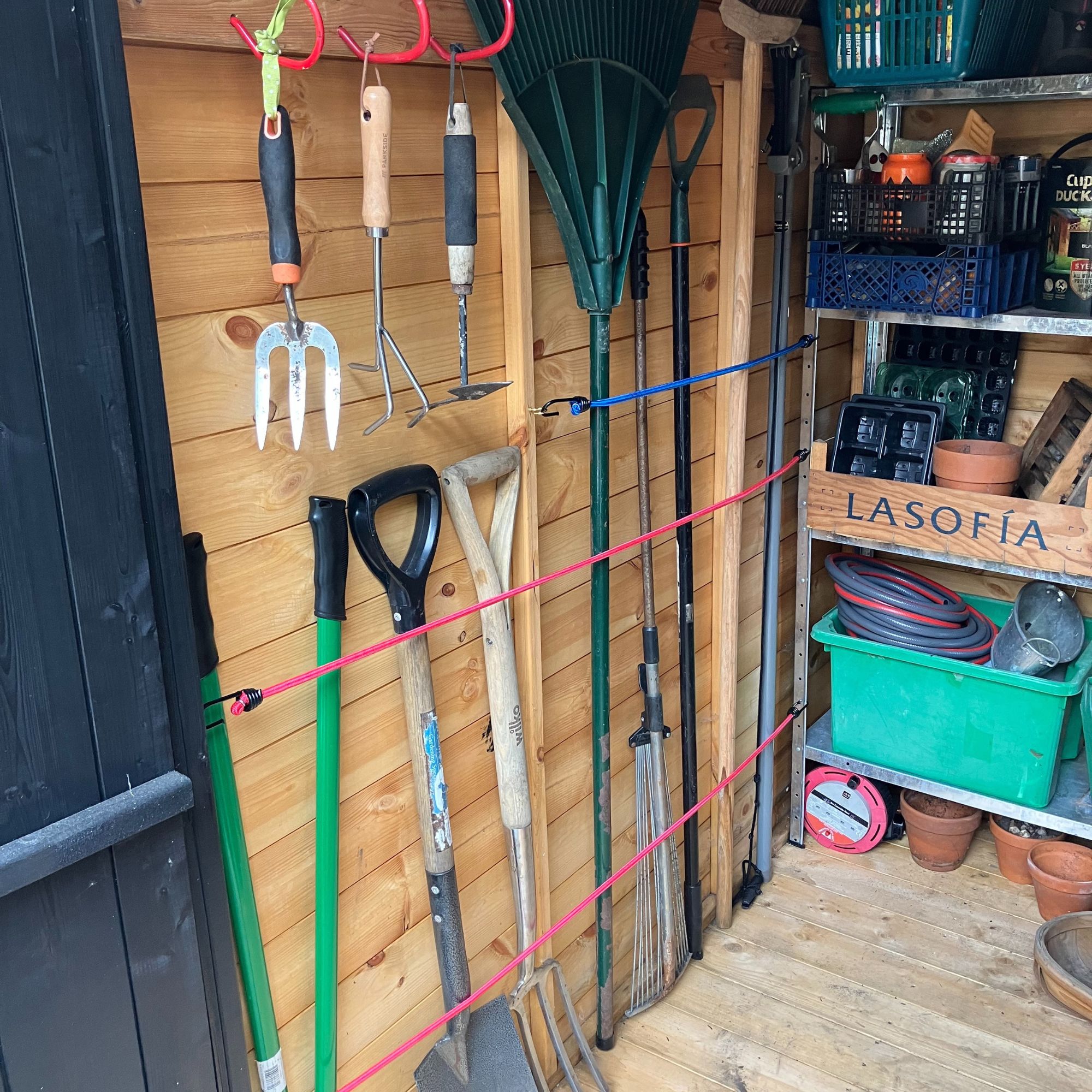
Store tools in a dry place to protect wooden handles. Moisture can cause wood to rot or warp. Hang tools on a wall rack, keeping them off the ground. This prevents contact with damp surfaces. Consider using a storage shed for added protection.
Sealing And Finishing
Sealing and finishing wooden handles on garden tools is a crucial step in ensuring their longevity and performance. Proper sealing not only enhances the aesthetic appeal but also protects the wood from moisture, rot, and wear. With a variety of sealants available, it’s essential to choose the right one and apply it correctly to maximize the benefits. Let’s dive into the types of sealants and application techniques that can help maintain your garden tools.
Types Of Sealants
Choosing the right sealant for your wooden handles can make all the difference. Some popular options include:
- Linseed Oil:A natural option that penetrates deep into the wood, providing excellent protection against moisture.
- Spar Varnish:Offers a glossy finish and is ideal for outdoor use due to its resistance to UV rays and water.
- Tung Oil:Known for its durability, it provides a water-resistant finish that enhances the wood’s grain.
- Polyurethane:A synthetic option that offers a tough, protective coat suitable for heavy-duty tools.
Each sealant has its unique properties and benefits. Think about the conditions your tools will face and choose accordingly.
Application Techniques
Applying sealant correctly is as important as choosing the right type. Here’s how you can ensure effective application:
- Preparation:Start by cleaning the handle thoroughly. Remove dirt and debris using a soft brush or cloth.
- Sanding:Lightly sand the surface to smooth any rough patches and enhance the sealant’s adhesion.
- Application:Use a clean cloth or brush to apply the sealant evenly. Ensure all areas are covered, especially the ends.
- Drying:Allow the handle to dry completely in a well-ventilated area. This might take a few hours or overnight, depending on the sealant.
- Reapplication:Consider applying a second coat for added protection, especially if using your tools frequently.
Have you ever thought about the impact of a well-sealed handle on your gardening experience? A simple touch of varnish can make your tools feel brand new, enhancing your enjoyment and efficiency in the garden.
Repairing Damaged Handles
Protect wooden handles on garden tools by applying a sealant to prevent moisture damage. Store tools in a dry place and regularly inspect for cracks or splinters.
Repairing damaged wooden handles on garden tools is essential for maintaining their longevity. Wooden handles can suffer from various issues over time. Regular care and timely repair can prevent further damage. This section will guide you in identifying common issues and provide simple DIY repair tips.Identifying Common Issues
Wooden handles can crack, splinter, or become loose. Cracking often occurs due to exposure to moisture. Splintering might be due to rough handling. Loose handles can result from wear and tear. Recognizing these problems early ensures effective repair.Diy Repair Tips
Repairing handles doesn’t require professional skills. For cracks, use wood glue to seal them. Sand down any splinters gently. Tighten loose handles with screws or nails. Ensure the tools are dry before storage. These simple steps can extend the life of your garden tools.Seasonal Care Tips
Protect wooden handles on garden tools by applying a coat of linseed oil. Store tools in a dry place to prevent moisture damage. Regularly inspect and sand rough spots to maintain smooth handles.
Caring for the wooden handles on your garden tools is essential if you want them to last through many seasons. Wooden handles can become brittle and crack if neglected, making your tools unsafe and less effective. By adopting a few seasonal care tips, you can protect your investment and keep your tools in top shape year-round.Winter Storage Advice
During the cold months, proper storage of your garden tools is crucial. Moisture and freezing temperatures can wreak havoc on wooden handles. Start by cleaning your tools thoroughly to remove dirt and moisture. Once clean, apply a coat of linseed oil to the handles. This not only adds a protective layer but also enhances the wood’s durability. Store your tools in a dry, sheltered location. A shed or garage works well. Avoid placing them directly on concrete floors, as this can lead to moisture absorption. Consider hanging them on a wall or placing them on a wooden shelf.Summer Maintenance Guide
Summer can be tough on your tools due to increased usage and exposure to the sun. Inspect your wooden handles regularly for signs of wear and tear. Sand any rough spots to prevent splinters and apply a fresh coat of linseed oil as needed. This keeps the wood smooth and helps prevent cracking. Hydration is key for wood. Don’t let your handles bake in the sun for extended periods. Store them in a shaded area when not in use. If you notice any loose handles, tighten them to ensure safe operation. These tips are not just about extending the life of your tools; they’re about making your gardening experience more enjoyable. Imagine reaching for your trusty spade and knowing it’s ready for action. Are your tools ready for the next season?Choosing The Right Tools
Selecting the right preservation tools ensures wooden handles on garden tools last longer. Regular application of linseed oil protects against moisture and cracking. Sanding smooths rough edges, preventing splinters and maintaining comfort during use.
Choosing the right tools for your garden can greatly impact the longevity of their wooden handles. Selecting tools with quality construction ensures they withstand the elements and frequent use. Opting for the right tools not only enhances your gardening experience but also protects your investment.Ergonomic Considerations
Ergonomic garden tools reduce strain on your body. Look for handles that fit comfortably in your hand. Tools should have a balanced weight to prevent fatigue. A well-designed grip minimizes stress on your wrists and joints. Choose tools with padded handles for added comfort. Ergonomic designs can improve efficiency in gardening tasks.Quality Brands
Investing in tools from reputable brands ensures durability. Quality brands often use superior materials for wooden handles. They provide robust construction that withstands frequent use. Brands with good reviews often have reliable warranties. Trusted names in gardening tools offer consistent quality. Selecting a known brand reduces the risk of quick wear and tear.
Credit: www.yahoo.com
Frequently Asked Questions
How Do I Clean Wooden Garden Tool Handles?
To clean wooden handles, use a damp cloth with mild soap. Gently scrub the surface to remove dirt. Avoid soaking them in water to prevent swelling. Dry thoroughly and apply a light coat of oil to maintain the wood’s integrity.
Regular cleaning extends the lifespan of wooden handles.
What Oil Is Best For Wooden Handles?
Linseed oil is excellent for protecting wooden handles. It penetrates deeply, providing a robust barrier against moisture. Apply a thin layer, let it soak in, and wipe off excess. This treatment keeps the wood nourished and resilient. Regular oiling maintains the handle’s strength and appearance.
How Often Should I Oil Wooden Handles?
Oiling wooden handles every three months is ideal. This frequency keeps the wood hydrated and protected. If the tools are frequently used or stored outdoors, consider monthly oiling. Regular maintenance enhances durability and prevents cracking. Adjust the frequency based on the climate and usage level.
Can I Use Varnish On Garden Tool Handles?
Using varnish on garden tool handles is not recommended. Varnish creates a hard, glossy finish that can become slippery when wet. It may also crack over time. Instead, use oils like linseed or tung for a natural, breathable finish that protects and enhances grip without compromising safety.
Conclusion
Caring for wooden handles extends their life. Regular maintenance keeps them strong. Clean them after each use. Dry them thoroughly to prevent rot. Sand rough spots for smoothness. Apply oil to nourish the wood. This protects against moisture and cracking.
Store tools in a dry place. Avoid exposure to harsh weather. Proper care saves money and effort. Well-maintained handles feel better in hand. They make gardening more enjoyable. Spend a little time now. Enjoy your tools for years. Remember, a little care goes a long way.
Happy gardening!







