Imagine this: you’ve spent a beautiful afternoon in your garden, nurturing plants and trimming bushes. But lurking amidst that greenery is an invisible threat—urushiol oil.
It’s the cause behind those itchy, blistering rashes from poison ivy, oak, and sumac. And it can easily stick to your garden tools. If you’ve ever wondered how to properly wash this off, you’re in the right place. This guide is your secret weapon to safeguard your skin and keep your tools clean.
Let’s dive into the simple steps to ensure your gardening gear is free from this pesky oil. You’ll discover techniques that not only protect you from uncomfortable rashes but also extend the lifespan of your tools. Get ready to reclaim your garden adventures with confidence.

Credit: tecnu.com
Understanding Urushiol Oil
Understanding Urushiol Oil Wash garden tools with soap and water immediately after use. Scrub thoroughly to remove all traces. Rinse tools well and dry them completely to prevent rust.
Understanding Urushiol Oil Urushiol oil is a sticky sap found in poison ivy, oak, and sumac. This oil can cause skin irritation and allergic reactions. It sticks to surfaces and can be hard to wash off. Knowing how to remove it from garden tools is essential. Proper cleaning prevents skin contact and ensures safety. Tools contaminated with urushiol can spread the oil to hands and skin. Awareness of its persistence aids in effective cleaning.What Is Urushiol Oil?
Urushiol is an oily toxin from certain plants. It’s potent even in small amounts. The oil remains active on surfaces for a long time. It can survive on garden tools for months if not cleaned. Contact with urushiol leads to itching and rashes. Understanding its nature helps in safe handling and cleaning.Why Is Urushiol Oil Dangerous?
Urushiol causes allergic reactions in many people. It triggers a rash that’s uncomfortable and itchy. This oil spreads easily from surfaces to skin. Even indirect contact can cause a reaction. Its sticky nature makes it difficult to wash off. Proper cleaning techniques are vital for safety.Common Sources Of Urushiol Oil
Urushiol is found in poison ivy, oak, and sumac. It exists in leaves, stems, and roots. These plants are common in gardens and wild areas. Tools used near these plants can pick up the oil. Awareness of these sources helps prevent contamination.How Urushiol Oil Affects Garden Tools
Garden tools often come into contact with urushiol. This oil clings to metal, wood, and plastic surfaces. It can spread from tools to hands and clothing. Without proper cleaning, tools remain contaminated. This increases the risk of skin reactions. Regular cleaning keeps tools safe and usable.Challenges In Removing Urushiol Oil
Urushiol is stubborn and hard to remove. Water alone does not wash it off. It requires specific cleaning agents and techniques. Tools need thorough scrubbing to eliminate the oil. Understanding these challenges aids in choosing effective methods.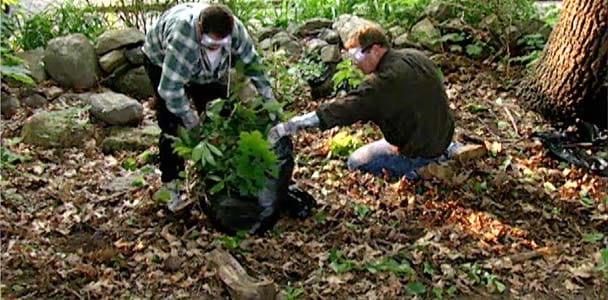
Credit: www.thisoldhouse.com
Identifying Poison Ivy, Oak, And Sumac
Washing garden tools thoroughly removes urushiol oil from poison ivy, oak, and sumac. Use soap and warm water first. Scrub all surfaces, paying attention to crevices. Rinse well and dry completely to prevent rust.
Identifying poison ivy, oak, and sumac is crucial for anyone who enjoys gardening or spending time in the great outdoors. These plants are notorious for causing itchy rashes due to the urushiol oil they produce. Being able to recognize these plants not only helps prevent direct contact with them but also ensures you properly clean your garden tools if they come into contact with these toxic oils.Recognizing Poison Ivy
Poison ivy typically grows as a vine or shrub. Its leaves are arranged in groups of three, with the middle leaf having a longer stalk. The leaves can be glossy or dull and may change color with the seasons, turning red in the fall. Have you ever noticed shiny, reddish leaves while hiking? That could be poison ivy!Spotting Poison Oak
Poison oak tends to grow as a shrub in the southeast and along the west coast. Its leaves also appear in clusters of three but are more lobed, resembling oak leaves. You might find it growing in sunny areas, like open fields or along trails. Imagine coming across a plant that looks like a miniature oak tree – that’s likely poison oak.Identifying Poison Sumac
Poison sumac is less common but can be found in wet, swampy areas. It grows as a tall shrub or small tree and has 7 to 13 leaflets per stem. Unlike its relatives, its leaves are more elongated and smooth-edged. Remember seeing tall shrubs with clusters of green berries? Those might have been poison sumac. Understanding the differences between these plants can keep your gardening adventures itch-free. Keep these identifying tips in mind, and you’ll be better prepared to handle your tools without worry. What steps will you take to ensure you’re safe from these sneaky plants?Immediate Actions After Exposure
Immediately rinse garden tools with cold water to remove urushiol oil. Scrub using soap and a stiff brush, ensuring all surfaces are clean. Dry thoroughly to prevent rusting and contamination.
Exposure to urushiol oil, the toxic resin found in poison ivy, oak, and sumac, can be a gardener’s nightmare. If you’ve accidentally brushed against these plants or touched contaminated tools, it’s crucial to act swiftly. Urushiol can cling to garden tools, gloves, and other equipment, posing a risk of re-exposure each time you handle them. Being proactive and taking immediate action can prevent those dreaded itchy rashes. Here’s how you can effectively wash off urushiol oil from garden tools, focusing on what to do right after exposure.Rinsing With Water
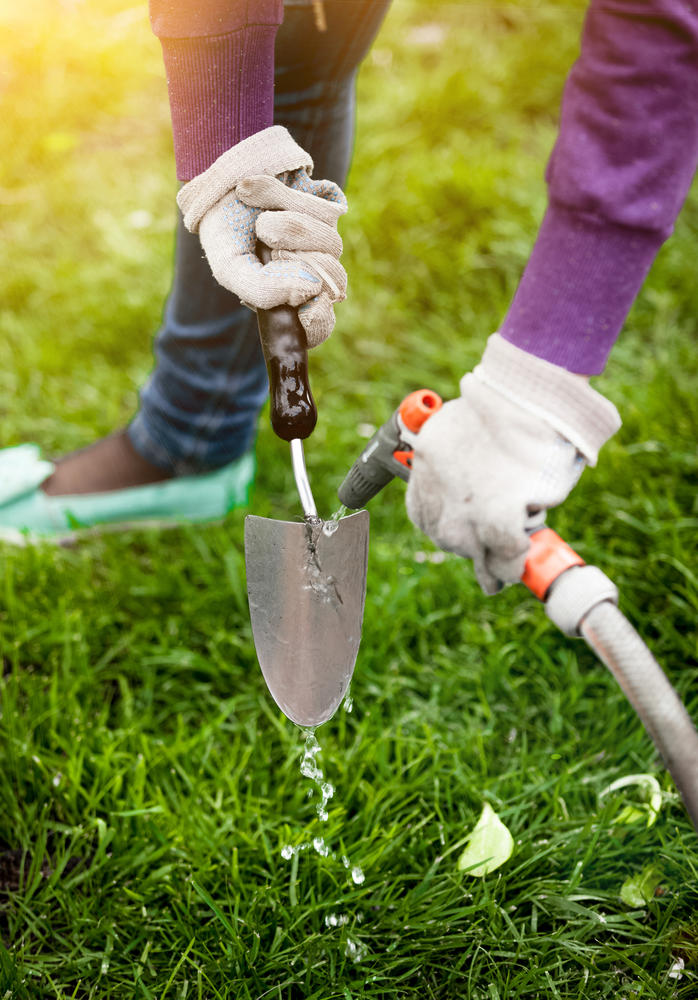
Begin by thoroughly rinsing your tools with cool, running water. This helps to remove any surface-level oil. Warm water can cause the oil to spread, so stick to cooler temperatures. If you’re near a hose, that’s perfect for a steady stream. Make it a habit to rinse tools as soon as you suspect they might be contaminated. This limits the oil’s chance to bond with the tool’s surface. Remember, the quicker you act, the less likely you are to have a skin reaction.Avoiding Further Contact
Once rinsed, place tools on a clean surface to dry, away from areas where you or others might touch them. It’s easy to forget where you’ve set contaminated items, leading to accidental contact. Designate a safe zone in your garden or garage for such items. Consider wearing gloves when handling potentially contaminated tools. This adds a layer of protection against accidental skin contact. Always wash your hands thoroughly with soap and water after handling any tools, even if you’ve worn gloves. Taking these immediate steps can save you from the discomfort and irritation of a urushiol rash. Have you ever had a brush with urushiol oil? How did you handle it? Share your experiences or tips in the comments below!Effective Cleaning Agents
Urushiol oil from poison ivy can cling to garden tools. Removing it ensures safety. Effective cleaning agents play a key role in this process. They help break down and wash away the sticky oil. Let’s explore some common and specialized cleaning agents that work well.
Using Soap And Water
Soap and water are often the first line of defense. Start by filling a bucket with warm water. Add a generous amount of dish soap. Mix until sudsy. Dip a scrub brush into the soapy water. Scrub the tools thoroughly, focusing on crevices. Rinse with clean water. This helps wash away urushiol effectively. Repeat if necessary to ensure all oil is removed.
Specialized Urushiol Removal Products
Some products are designed specifically for urushiol removal. They are available in many stores. These products break down the oil quickly. Follow the instructions on the label. Apply the product to the tools. Use a cloth or brush for scrubbing. Rinse thoroughly after application. These specialized products ensure thorough cleaning. They offer peace of mind in removing urushiol completely.
Proper Washing Techniques
Properly washing off urushiol oil from garden tools prevents allergic reactions. This oil, from poison ivy, oak, and sumac, can cause itchy rashes. Effective cleaning techniques ensure safety and keep your tools in good condition. Simple steps can make a big difference.
Washing Affected Skin
Urushiol oil can transfer from tools to skin easily. Wash your skin immediately with soap and cold water. Cold water prevents oil from spreading. Scrub gently for at least 10 minutes. Use a washcloth for better results. Avoid hot water as it opens pores.
Cleaning Under Nails
Urushiol can hide under fingernails. Clean under your nails thoroughly. Use a nail brush with soap and water. Scrub under each nail for a few minutes. Rinse well to remove all traces of oil. Repeat this step if necessary.
Handling Contaminated Clothing
Handling clothing contaminated with urushiol oil is essential. This oil clings tightly to fabrics. It can cause skin irritation. Proper cleaning methods are crucial. Follow these steps to ensure safety.
Safe Laundry Practices
Begin by separating contaminated clothes from other laundry. Use gloves when handling these garments. Place them directly into the washing machine. Use hot water and a generous amount of detergent. Run the washer on a full cycle. Repeat the wash if needed.
After washing, clean the machine thoroughly. This prevents cross-contamination. Wipe the interior with a disinfectant. Leave the lid open to dry. This ensures all traces of urushiol are removed.
Disposing Of Disposable Items
Some items may not be washable. These include disposable gloves or masks. Safely dispose of these items. Place them in a sealed plastic bag. This prevents urushiol from spreading. Dispose of the bag in a trash bin immediately.
Always wash your hands thoroughly. Do this after handling contaminated items. Use soap and warm water. This reduces the risk of skin contact with urushiol.
Soothing Irritated Skin
Washing garden tools thoroughly removes urushiol oil, preventing skin irritation. Use soap and water to scrub the tools well. Rinse them completely to ensure no residue remains.
Soothing irritated skin is essential after exposure to urushiol oil. This oil, found in poison ivy, oak, and sumac, can cause discomfort. If you’ve accidentally touched it, soothing your skin becomes crucial. Relief can be achieved through various methods, ensuring comfort and healing. Below are effective ways to ease the irritation.Applying Calamine Lotion
Calamine lotion offers relief by soothing the skin. It reduces itching and redness. Apply it gently on the affected area. Let it dry completely before covering with clothing. Reapply as needed throughout the day.Cold Compresses For Relief
Cold compresses ease discomfort effectively. They reduce swelling and numb the irritated area. Use a clean cloth soaked in cold water. Apply it to the skin for 15 minutes. Repeat several times daily for best results. These methods provide comfort and aid in healing. Keeping skin irritation under control ensures quicker recovery. Always seek medical advice for severe reactions.Preventive Measures
Properly washing urushiol oil off garden tools requires soap, water, and thorough scrubbing. Wear gloves to protect skin. Rinse tools carefully to remove residue, ensuring safe handling and use.
Preventive Measures are crucial when dealing with urushiol oil, especially if you want to keep your garden tools and yourself safe. By taking proactive steps, you can minimize exposure and make the cleaning process much easier. Imagine coming back from a gardening session without worrying about itchy, uncomfortable rashes.Wearing Protective Clothing
Ensure you’re dressed appropriately before handling any garden tools that might be contaminated with urushiol oil. Wear long sleeves, pants, and gloves made from materials like vinyl or heavy-duty cotton. These act as a physical barrier between your skin and the oil. Consider how a simple pair of gloves can save you from hours of discomfort. Plus, they’re easy to clean or dispose of afterward. Why risk it when a few precautionary items can keep you safe?Recognizing High-risk Areas
Identify spots in your garden where poison ivy, poison oak, or poison sumac are likely to grow. These are the usual culprits when it comes to urushiol oil. Knowing where these plants thrive allows you to avoid unnecessary contact. Think about the shaded corners or edges of your garden. These are often high-risk zones. By acknowledging these areas, you can plan your gardening tasks more strategically and stay clear of danger. Being aware of these zones not only helps in prevention but also in treatment. If your tools have been used in these areas, they likely need thorough cleaning to ensure urushiol oil is completely removed.When To Seek Medical Help
Urushiol oil, found in poison ivy, can cause allergic reactions. Sometimes, these reactions become severe. Knowing when to seek medical help is crucial. This section will guide you on identifying signs of serious reactions and when to consult a healthcare provider.
Signs Of Severe Reaction
Severe reactions need immediate attention. Watch for these signs:
- Large blisters that ooze.
- Swelling, especially around the face.
- Difficulty breathing.
- Fever or chills.
- Rash spreading quickly.
These symptoms indicate a serious allergic response. Do not wait. Act swiftly.
Consulting A Healthcare Provider
Consult a healthcare provider if you notice severe symptoms. They can evaluate and provide treatment. A doctor may prescribe medication. This might include steroids or creams. Quick action can prevent complications.
If breathing becomes difficult, seek emergency care. Do not hesitate to call for help. Your health is the priority. Take any severe symptoms seriously. Better safe than sorry.
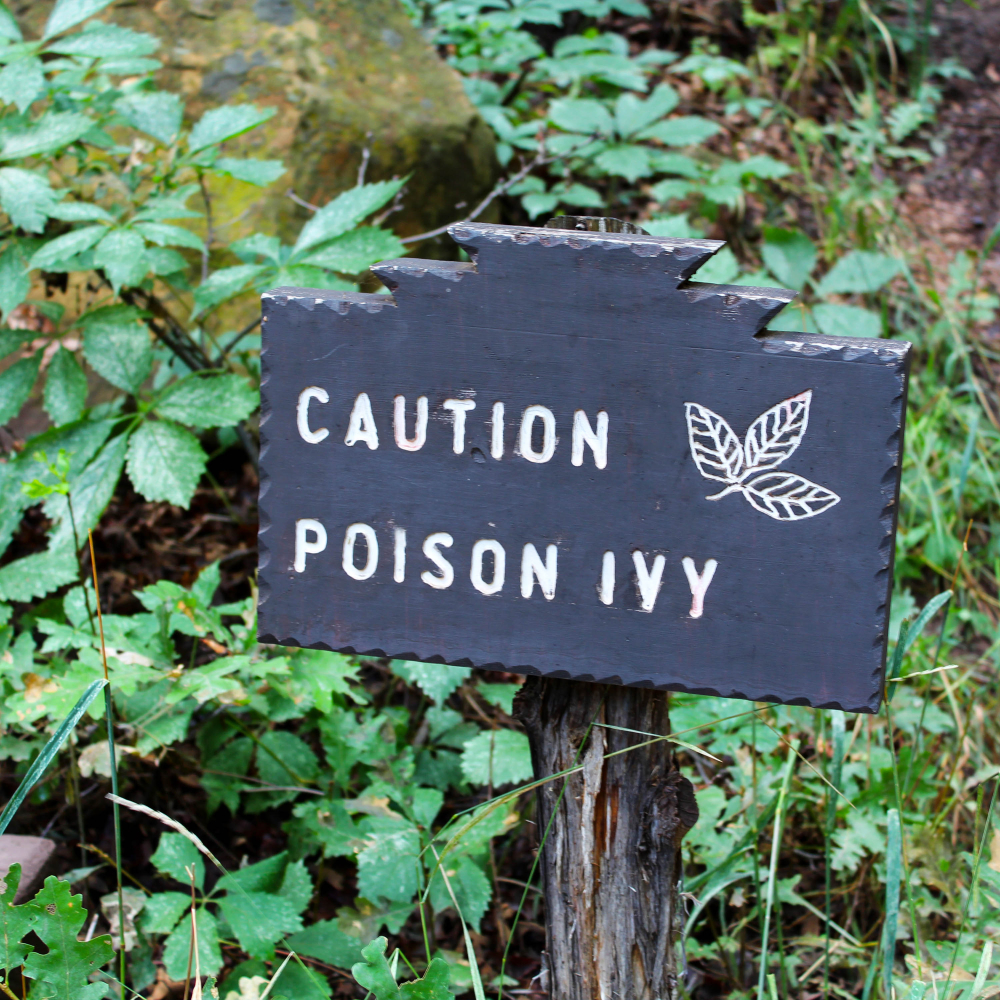
Credit: www.bobvila.com
Frequently Asked Questions
How Do I Identify Urushiol Oil On Tools?
Urushiol oil is invisible but can linger on tools after contact with poison ivy. To identify contamination, consider recent tool use near poison ivy areas. If unsure, it’s safe to assume contamination and proceed with cleaning, as urushiol can cause skin irritation upon contact.
Can Soap Remove Urushiol Oil Effectively?
Yes, soap can effectively remove urushiol oil from garden tools. Use a strong detergent or dish soap and scrub thoroughly under running water. This helps break down the oil and wash it away. Ensure all tool surfaces are cleaned to avoid skin contact later.
Is Vinegar Useful For Cleaning Urushiol Oil?
Vinegar can help neutralize urushiol oil on tools. Mix white vinegar with water and apply it to the contaminated surfaces. Let it sit for a few minutes before scrubbing and rinsing. While not as effective as soap, vinegar offers an additional cleaning step.
Can Urushiol Oil Remain On Tools For Long Periods?
Urushiol oil can persist on surfaces for months if not cleaned properly. It remains potent and can cause allergic reactions upon contact. Regular cleaning of tools after exposure to poison ivy is crucial to prevent long-term contamination and skin irritation.
Conclusion
Cleaning garden tools is essential for safety. Urushiol oil can cause irritation. Use soap and water to wash it off. Scrub thoroughly to remove all traces. Dry tools completely to prevent rust. Clean tools mean fewer risks in the garden.
Regular maintenance helps tools last longer. Always wear gloves when handling contaminated tools. Stay safe and keep your garden enjoyable. With these steps, you can protect yourself effectively. Happy gardening!