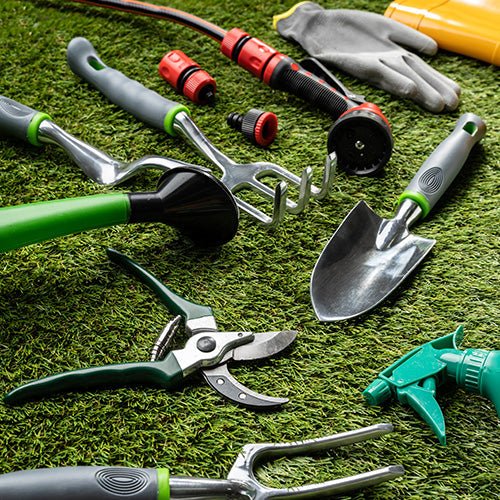
Winter is on its way, and your garden tools need some extra attention to survive the cold months. You might wonder why this matters.
Imagine reaching for your trusty shovel come spring, only to find it rusty and useless. Frustrating, right? Preparing your garden tools for winter is not just a chore; it’s a way to save time and money in the long run.
This simple yet crucial task ensures that your tools remain in top condition, ready for action when the thaw arrives. You’ll discover easy steps to protect your investment and maybe pick up a few tricks you never knew. So, why not take a moment to learn how to keep your garden essentials in peak form? Your future self will thank you.

Credit: www.gardeningknowhow.com
Cleaning Tools
Clean and dry garden tools before storing them for winter. Apply oil to prevent rust and keep them sharp. Store in a dry place to extend their lifespan.
Cleaning garden tools before winter is essential. Proper maintenance ensures they stay effective and last longer. Let’s dive into how to clean them, focusing on removing dirt and disinfecting blades.Removing Dirt And Debris
Start by rinsing tools with water. This removes loose soil and grime. Use a stiff brush to scrub away stubborn dirt. Pay attention to crevices and joints. These areas often collect more debris. For stuck-on dirt, soak tools in warm soapy water. This softens the residue, making it easier to clean. Dry tools thoroughly after washing. Moisture can lead to rust, damaging your tools.Disinfecting Blades
Disinfecting blades prevents disease spread in your garden. Use a solution of one part bleach to nine parts water. Dip a cloth in the solution and wipe each blade. Ensure complete coverage for effective disinfection. Let the blades air dry. This ensures no moisture remains, reducing rust risk. For an eco-friendly option, consider using white vinegar. It’s a natural disinfectant and safe for garden use.Sharpening Blades
Sharpening blades is essential to prepare garden tools for winter storage. Clean blades with soap and water to remove dirt. Use a whetstone or file to sharpen, ensuring smooth cutting edges for spring use.
As winter approaches, garden tools need special attention. Sharpening blades is a key step. Sharp blades ensure precise cuts and prolong tool life. Let’s explore two effective ways to sharpen blades.Using A File
A file is a simple tool for sharpening. It’s ideal for small tools like pruners and shears. Secure the blade in a vice for stability. Use a flat file for straight blades. Hold the file at a consistent angle. Push it across the blade in one direction. Repeat until the blade is sharp. Clean the blade with a cloth after sharpening.Using A Grinder
A grinder is perfect for larger tools. It quickly sharpens shovels, hoes, and mower blades. Wear safety goggles and gloves for protection. Secure the tool firmly on a workbench. Turn on the grinder and gently press the blade against the wheel. Move the blade slowly along the grinder. Maintain the original angle for best results. Examine the blade closely after sharpening. Ensure there are no burrs or rough edges.Oiling And Lubrication
Winter is coming. It’s time to prepare garden tools for storage. Oiling and lubrication are crucial steps. These protect tools from rust and ensure smooth operation. Proper care prolongs their lifespan. Let’s dive into how to do it effectively.
Choosing The Right Oil
Not all oils are suitable for garden tools. Light machine oil is a good choice. It prevents rust and ensures smooth movement. Avoid vegetable oils as they can become sticky. Synthetic oils work well. They offer long-lasting protection.
Applying Oil Properly
Start with clean tools. Remove dirt and debris first. Use a clean cloth to apply oil. Cover all metal parts. Pay attention to hinges and moving parts. A small amount goes a long way. Wipe excess oil to prevent buildup. Store tools in a dry place. This keeps them ready for spring.
Credit: www.gardeningknowhow.com
Rust Prevention
Clean garden tools before storing them for winter. Remove dirt and moisture to prevent rust. Apply a thin layer of oil to protect metal surfaces.
Preparing your garden tools for winter is crucial. Rust prevention is key to prolong their life. With a little care, your tools can stay rust-free and ready for spring. Let’s explore how to keep your garden tools in top shape during the cold months.Storing In Dry Places
Keep your tools in a dry spot. Moisture is rust’s best friend. A shed or garage works well. Ensure the area has good air circulation. This helps reduce moisture build-up. Consider a tool rack to keep tools off the ground. Hanging them prevents contact with damp floors. Use silica gel packs in storage areas. They absorb excess moisture effectively.Using Rust Inhibitors
Rust inhibitors are your tools’ best defense. Apply a thin layer of oil on metal parts. Use motor oil or WD-40 for best results. Ensure every inch of the tool is covered. Pay attention to joints and hinges. These areas rust quickly. Regularly check and reapply during the season. Always wear gloves when applying to protect your skin.Repairing Damaged Tools
Clean and sharpen garden tools to prevent rust during winter. Repair any damaged handles or blades for longevity. Store tools in a dry place to maintain their condition.
Preparing your garden tools for winter is essential to ensure they are in top shape for the next gardening season. One crucial aspect of this preparation is repairing any damaged tools. By addressing issues like loose handles and worn parts now, you can extend the life of your tools and avoid unnecessary frustration when spring arrives. Let’s delve into the practical steps for repairing your garden tools before storing them away for winter.Fixing Loose Handles
Loose handles can make gardening tasks more challenging and even hazardous. To fix them, first, check the handle’s connection point. If it’s secured with a screw or bolt, tighten it using a screwdriver or wrench. If the handle is secured with a ferrule, check for cracks or wear. You might need to replace the ferrule or use a wooden wedge to tighten the handle. A personal trick I use is to wrap the joint with a bit of duct tape for added stability until a more permanent solution can be found.Replacing Worn Parts
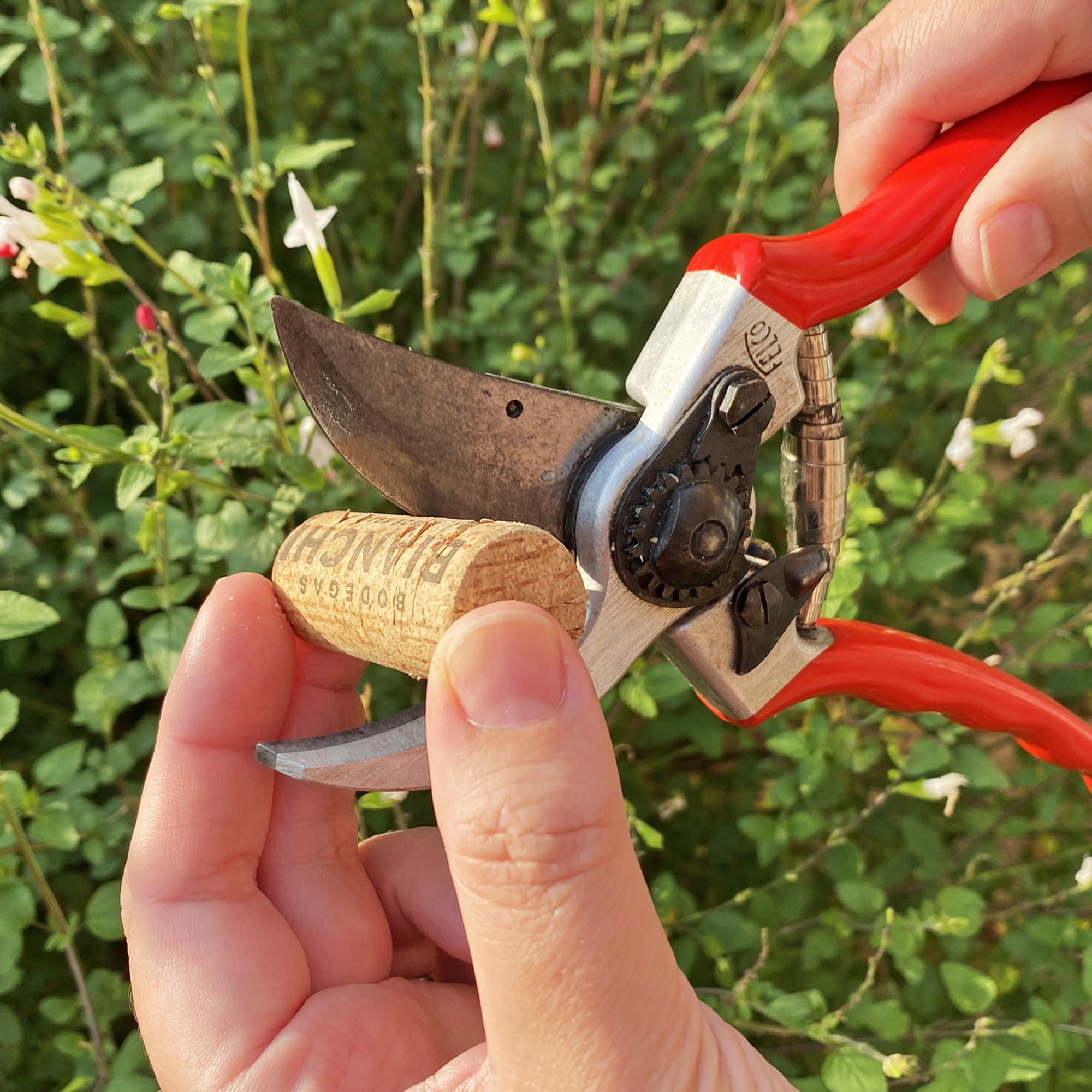
Worn parts on garden tools, such as blades or tines, can significantly affect performance. Begin by inspecting each tool for signs of wear, like rust or dull edges. For tools like pruners or shears, sharpening the blades can often restore their effectiveness. If parts are beyond repair, check with your local hardware store or online for replacement parts. It’s usually cheaper to replace a part than to buy a new tool altogether. Have you considered the environmental impact of throwing away a tool when you could simply replace a part? Taking the time to repair rather than replace is both economical and eco-friendly. By addressing these repairs now, you’re not only investing in the longevity of your tools but also ensuring they are ready to go when the gardening season returns. What will you do differently this year to prepare your tools for winter?Storage Solutions
Properly clean and dry garden tools before storing them for winter. Remove any rust and sharpen blades for best performance. Store tools in a dry place to prevent damage and ensure readiness for spring.
As the chill of winter approaches, it’s essential to consider how you’ll store your garden tools to protect them from rust and damage. Proper storage solutions not only extend the lifespan of your tools but also ensure a tidy, organized space. Whether you have a small shed or a spacious garage, there are various ways to keep your tools safe and ready for spring.Hanging Racks
Hanging racks are a fantastic way to utilize vertical space efficiently. By hanging tools, you reduce clutter on the ground and make it easier to find what you need. Invest in sturdy hooks and racks designed to hold the weight of your garden tools. Hang heavier tools like rakes and shovels securely to prevent accidents. Consider grouping tools by type or function for easy access. For example, store all your digging tools together, so you’re not searching when the soil is ready to be tilled.Toolboxes And Shelves
Toolboxes and shelves offer another layer of organization, especially for smaller tools and accessories. A toolbox can keep hand tools, gloves, and pruners within reach and protected from dust. Choose shelves that are adjustable to accommodate tools of varying sizes. A well-organized shelf can hold plant food, seed packets, and hand trowels efficiently. Why not add labels to the shelves? It saves time and makes it easier for everyone in your household to find what they need. You might just find that your garden shed becomes the envy of the neighborhood! Storage solutions are not only practical but can turn a chaotic space into a sanctuary of order and efficiency. Have you considered how you can maximize your storage space this winter?Preparing Power Tools
Clean garden tools before storing them for winter. Remove dirt and rust using a wire brush or sandpaper. Apply oil to prevent rust and ensure smooth operation come spring.
Preparing power tools for winter is essential to ensure they remain in top condition and ready for use when spring arrives. It might seem like a daunting task, but with a little effort, you can extend the life of your tools and avoid costly repairs. Let’s dive into some practical steps to keep your power tools in great shape during the colder months.Draining Fuel
If you have gas-powered tools, it’s crucial to drain the fuel before storing them for the winter. Old fuel can become stale, leading to clogs and damage in the engine. Start by running the engine to use up any remaining fuel in the tank. Once the tool stops, you’ll know the tank is empty, and the carburetor has been cleared. This simple step helps prevent gumming and corrosion inside the engine.Battery Care
Battery-powered tools require special attention to maintain their longevity. Storing batteries in cold conditions can reduce their lifespan significantly. Remove the batteries from your tools and store them in a cool, dry place. Consider investing in a battery maintenance charger to keep them at an optimal charge level throughout the winter. Remember, taking care of your power tools now saves you time and money down the road. Have you ever skipped these steps and regretted it when spring arrived? Taking a few minutes to winterize your tools can make all the difference when it’s time to get back to gardening.
Credit: www.gardeningknowhow.com
Frequently Asked Questions
How Do I Clean Garden Tools For Winter?
To clean garden tools for winter, first remove any soil or debris. Wash them with soap and water, and dry thoroughly. Use a wire brush for stubborn dirt. Finally, apply a light coat of oil to prevent rust. Proper cleaning ensures tools remain in good condition during the colder months.
Should I Sharpen Garden Tools Before Winter?
Yes, sharpening garden tools before winter is essential. Sharp tools make gardening easier and more efficient. Use a file or sharpening stone for best results. Regular sharpening also prolongs the life of your tools. Store them properly to keep them sharp until spring.
Can I Store Garden Tools Outside In Winter?
Storing garden tools outside in winter is not recommended. Cold, moisture, and snow can cause rust and damage. Instead, store them in a dry, sheltered area like a garage or shed. Proper storage protects your tools and extends their lifespan, ensuring they’re ready for use in spring.
Why Oil Garden Tools Before Winter Storage?
Oiling garden tools before winter storage prevents rust and corrosion. It creates a protective barrier against moisture. Use vegetable oil or a specialized tool oil. Apply a thin layer with a cloth. This simple step keeps tools in top condition, ready for spring gardening.
Conclusion
Winter can be harsh on garden tools. Proper preparation saves time and money. Clean each tool thoroughly. Remove dirt and rust. Sharpen blades for efficient use next season. Oil moving parts to prevent corrosion. Store tools in a dry place.
Preferably indoors. Cover larger equipment with tarps. Protect from moisture and freezing. Label storage boxes for easy access. Organized tools make spring gardening enjoyable. Regular maintenance extends tool life. Ensures readiness when planting time arrives. Enjoy stress-free gardening come spring.
Your garden will thank you.