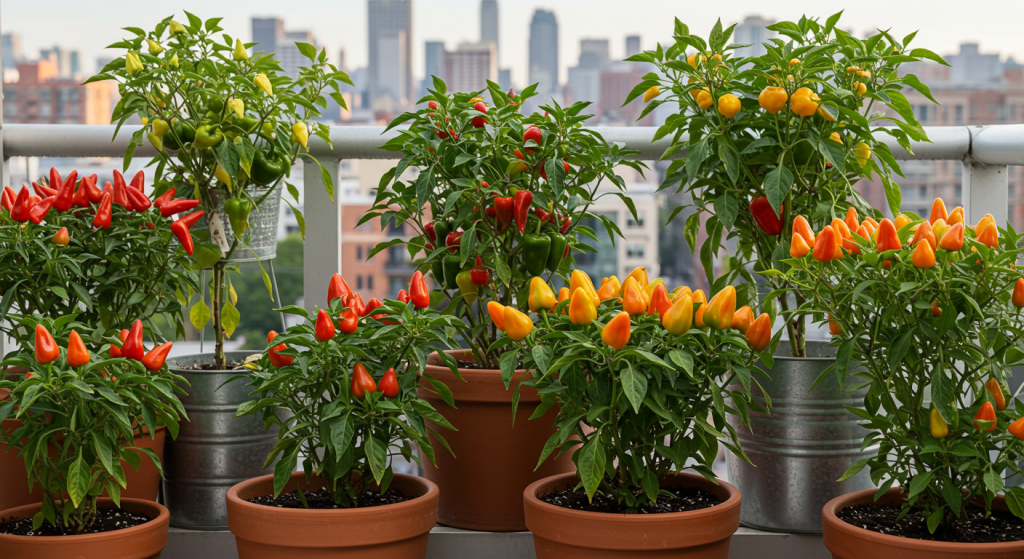
Are you ready to spice up your indoor garden with vibrant Thai chili peppers? Imagine adding a touch of fiery flavor to your dishes, straight from your own home-grown supply.
Growing Thai chili peppers indoors can be a rewarding experience, bringing both beauty and zest to your culinary adventures. You might think it’s a challenge, but with the right guidance, your indoor garden can flourish with these colorful little gems.
This article will walk you through the simple steps to pot Thai chili peppers indoors, making it easy for you to enjoy fresh, homegrown spices all year round. Dive in to discover how you can transform your kitchen garden into a delightful source of heat and color.
Credit: balconybloomers.com
Choosing The Right Pot
Selecting the ideal pot ensures healthy growth for Thai chili peppers indoors. Opt for a pot with drainage holes. A 10-12 inch deep pot is perfect for robust root development.
Choosing the right pot for your Thai chili peppers is crucial for their healthy growth indoors. A well-selected pot can make all the difference between a thriving plant and one that struggles. Let’s dive into the specifics of size, material, and drainage to ensure your peppers flourish.Size And Material Considerations
When selecting a pot, consider the space your chili peppers need to grow. A pot that’s too small can stunt growth, while an overly large pot might lead to waterlogged soil. Aim for a pot that’s about 12 inches in diameter for mature plants. Material is another key factor. While clay pots are breathable and help with moisture control, plastic pots are lightweight and retain moisture better. Evaluate your indoor environment and watering habits to decide which material suits your needs.Drainage Importance
Drainage might seem like a minor detail, but it’s vital for preventing root rot. Ensure your pot has holes at the bottom to allow excess water to escape. Consider placing a saucer under the pot to catch any runoff and protect your surfaces. Remember, chili peppers prefer well-drained soil, so good drainage will keep your plants healthy. Have you ever tried to grow a plant only to find it wilting despite your efforts? Often, poor drainage is the culprit. Ensuring your pot allows water to flow freely can be the difference between success and failure.Soil Selection
Choosing the right soil is crucial for potting Thai chili peppers indoors. Opt for well-draining soil mixed with organic matter. This ensures healthy growth and vibrant peppers.
Selecting the right soil is crucial for potting Thai chili peppers indoors. The soil you use can determine the health and growth of your plants. It needs to support the roots and provide essential nutrients. Choosing the right soil ensures vibrant chili plants and a bountiful harvest.Nutrient-rich Options
Opt for soil that is rich in organic matter. This can be achieved with a mix of potting soil and compost. Compost provides vital nutrients and enhances soil structure. Use a potting mix specifically for vegetables, which often contains the right balance. You might also consider adding perlite or vermiculite. These improve drainage and aeration, crucial for indoor plants.Avoiding Common Soil Mistakes
Avoid using garden soil in pots. It might be too dense and lack proper drainage. Dense soil can suffocate roots and lead to poor growth. Ensure the soil is free from pests and diseases. Always check for any mold or insects before using it. Avoid soil with high clay content. It retains too much water, which can cause root rot.Planting Techniques
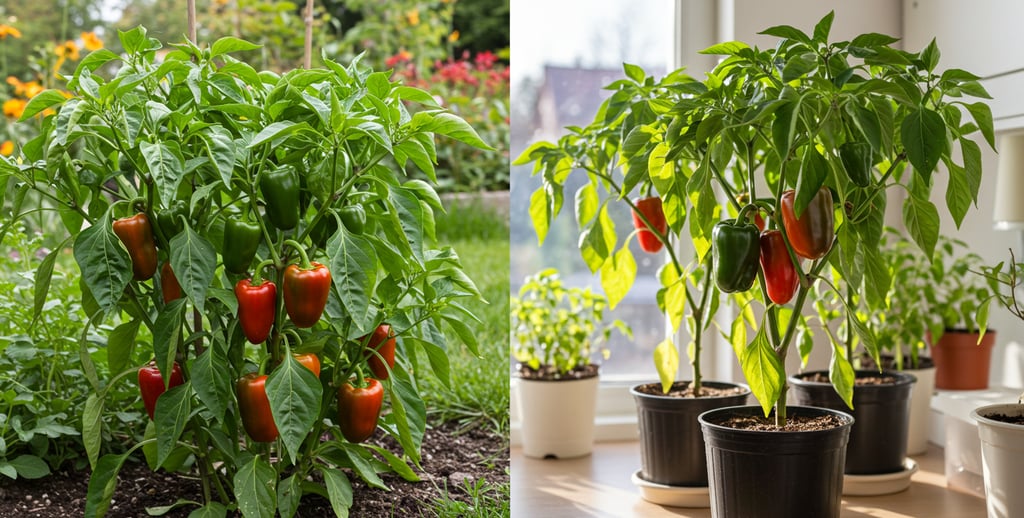
Begin by choosing a well-draining pot for Thai chili peppers. Fill it with nutrient-rich soil to encourage growth. Place the pot in a sunny spot indoors to ensure adequate light. Regular watering helps maintain moisture levels, vital for healthy pepper plants.
Planting Thai chili peppers indoors can be rewarding and fun. With the right techniques, your plants will thrive and produce fiery peppers. Let’s dive into the essential planting techniques to ensure your success.Seedling Transplanting
Start with healthy seedlings for the best results. Gently remove the seedlings from their original pots. Be cautious to avoid damaging the roots. Prepare a larger pot with well-draining soil. Make a hole in the center, deep enough for the seedling’s roots. Place the seedling into the hole and cover the roots with soil. Press the soil gently around the base to secure the plant.Spacing For Growth
Proper spacing ensures healthy growth and pepper production. Space each plant about 12 inches apart in their pots. This allows room for roots to spread and absorb nutrients. Adequate space also helps prevent diseases by improving air circulation. As the plants grow, they need room to branch out and develop strong stems. Ensure each plant has enough light by placing pots in a sunny location.
Credit: www.reddit.com
Light Requirements
Thai chili peppers thrive indoors with bright, indirect light. Position near a sunny window for best results. Consider supplementary grow lights to ensure consistent light exposure.
Potting Thai chili peppers indoors can be a rewarding venture, offering a continuous harvest right at your fingertips. One of the critical factors to ensure your chili peppers thrive is understanding their light requirements. Adequate lighting not only promotes healthy growth but also influences the flavor and spice level of your peppers. Are you providing the right amount of light for your indoor chili plants?Optimal Light Conditions
Thai chili peppers flourish in bright, direct sunlight. Ideally, they need at least 6 to 8 hours of sunlight each day. Position your pots near south or west-facing windows where they can soak up maximum sunlight. If natural sunlight is limited, consider rotating your pots to ensure all sides of the plant receive adequate light exposure. Remember, more light often equates to spicier peppers!Artificial Lighting Solutions
Not everyone has the luxury of abundant natural sunlight indoors. Fortunately, artificial lighting can bridge this gap. LED grow lights are an excellent option, mimicking the sun’s spectrum and providing the intensity your chili plants crave. Position the lights 12 to 18 inches above the plants, adjusting as they grow taller. Ensure the lights are on for about 12 to 16 hours daily to replicate ideal growing conditions. Consider using a timer to maintain consistent light schedules. This helps prevent under or over-exposure, keeping your chilies happy and healthy.Watering Strategies
Watering Thai chili peppers indoors requires careful attention. Proper watering helps them thrive. This section discusses effective strategies to keep your plants healthy. Understanding the right frequency and amount is key. Overwatering can harm your plants, leading to various problems. Let’s explore how to manage watering for optimal growth.
Frequency And Amount
Thai chili peppers need consistent watering. Water them every 3-4 days. Ensure the soil stays moist but not soaked. Use your finger to check soil moisture. If the top inch is dry, it’s time to water. A small pot may need less water than a large one. Adjust your watering based on pot size. Always use room temperature water for best results.
Signs Of Overwatering
Overwatering is a common issue. Look for yellow leaves as a warning sign. Drooping stems can also indicate too much water. Check for mold or fungus on the soil surface. These are signs of excess moisture. If you notice any of these, reduce watering frequency. Ensure your pot has good drainage to prevent waterlogging. Adjust your watering habits to avoid harming your plants.
Temperature Control
Temperature control is crucial when you’re growing Thai chili peppers indoors. These fiery plants thrive in specific temperature ranges, and maintaining the right conditions can make all the difference in your pepper harvest. Ensuring the correct temperature might seem challenging, but with the right tips, you can easily manage it for a bountiful indoor garden.
Ideal Temperature Range
Thai chili peppers prefer a warm environment to grow optimally. Aim to keep your indoor garden at a steady temperature between 70°F and 85°F(21°C to 29°C) during the daytime. At night, a slight drop to 65°F (18°C) can be beneficial, mimicking their natural habitat.
Using a digital thermometer can help you monitor these temperatures accurately. Consider placing the thermometer at plant level for the most precise reading. This ensures that you’re not just gauging room temperature but the actual conditions your plants experience.
Handling Temperature Fluctuations
Sudden temperature changes can stress your chili plants. Have you ever noticed drooping leaves or a drop in pepper production? These could be signs of temperature stress.
To avoid this, try using a small fan to circulate air and maintain even temperatures. If your indoor space experiences drastic changes, consider insulating windows or doors to keep the environment stable.
In colder months, a grow light not only provides essential light but can also help maintain warmth. Conversely, in warmer months, shading can prevent overheating, ensuring your chili peppers are always in their sweet spot.
Fertilizing Tips
Fertilizing Thai chili peppers indoors boosts growth. Use a balanced liquid fertilizer every two weeks. Ensure proper drainage for healthy plants.
Fertilizing your indoor Thai chili peppers is key for healthy growth. Proper nutrition ensures vibrant plants and a bountiful harvest. Let’s explore the best fertilizing tips for your peppers.Choosing The Right Fertilizer
Select a balanced, water-soluble fertilizer for your chili peppers. A 10-10-10 or 20-20-20 mix works well. These numbers represent nitrogen, phosphorus, and potassium content. Nitrogen helps leaves grow strong. Phosphorus aids in flower and fruit production. Potassium strengthens overall plant health. Organic options like fish emulsion or compost tea offer gentle nutrition. These choices promote sustainable gardening.Application Timing
Apply fertilizer every two weeks during the growing season. Begin fertilizing after seedlings have true leaves. Reduce frequency during colder months. Over-fertilizing can harm your plants. Follow package instructions for safe usage. Always water plants before applying fertilizer. This prevents root burn and ensures even nutrient distribution.Common Problems And Solutions
Indoor potting of Thai chili peppers can face issues like poor drainage and insufficient light. Use well-draining soil and place pots near sunny windows for optimal growth. Regular watering prevents soil dryness, ensuring healthy plants indoors.
Potting Thai chili peppers indoors can be rewarding. Yet, it comes with challenges. Understanding common problems and their solutions is crucial. This helps ensure healthy growth and bountiful harvests. Below, we explore typical issues and how to address them effectively.Pest Management
Indoor chili peppers can attract pests. Common ones include aphids, spider mites, and whiteflies. These pests feed on plant sap, weakening the plant. Regularly inspect your chili plants for signs of infestation. Use insecticidal soap or neem oil to treat pests. Apply these solutions directly to affected areas. Ensure good air circulation around the plants. This discourages pest habitation. Introducing natural predators like ladybugs can help. They feed on aphids and other soft-bodied insects. Keep your indoor environment clean. Remove debris and fallen leaves to deter pests.Disease Prevention
Diseases in indoor chili plants are often due to fungi and bacteria. Overwatering and poor ventilation are common causes. Ensure proper drainage in pots to prevent root rot. Water plants only when the topsoil feels dry. This prevents excess moisture buildup. Ensure good air circulation to reduce fungal growth. Fungal infections can be controlled with fungicides. Use them according to instructions to avoid plant damage. Regularly prune plants to remove infected leaves or stems. Ensure your tools are clean before use. This prevents the spread of disease. Rotate plants occasionally to ensure even light exposure. This promotes healthy growth and resistance to diseases.Harvesting Techniques
To pot Thai chili peppers indoors from a garden, gently loosen the plant’s roots. Choose a pot with drainage holes and fill it with quality potting soil. Place the plant in the pot, ensuring the roots are covered. Water thoroughly and place in a sunny spot.
Harvesting your Thai chili peppers indoors can be a rewarding experience, bringing the fresh, fiery flavor straight from your indoor garden to your kitchen. Understanding the right techniques for harvesting is crucial to ensure you get the most out of your pepper plants while keeping them healthy and productive. This section will explore the signs of readiness, safe harvesting practices, and offer practical insights to help you master the art of harvesting.Signs Of Readiness
How do you know when your Thai chili peppers are ready to be picked? Look for vibrant color changes. Thai chili peppers often turn from green to bright red or orange when they’re ripe. Feel the peppers; they should be firm but have a slight give when squeezed gently. Have you noticed the peppers’ growth slowing down? This can be another indicator that they’re ripe for picking. If you’re uncertain, try tasting one—ready peppers will have a distinct spicy flavor.Safe Harvesting Practices
When it’s time to harvest, handle your peppers with care. Use sharp scissors or pruning shears to cut the peppers from the plant, avoiding any tearing which can damage the plant. Do you wear gloves while harvesting? It’s a wise choice as the oils from the chili can irritate your skin. Remember to wash your hands thoroughly after handling. Consider the impact on your plant. Harvesting regularly encourages more fruit production, but be gentle to prevent stressing the plant. Regular monitoring and careful handling can lead to a bountiful yield.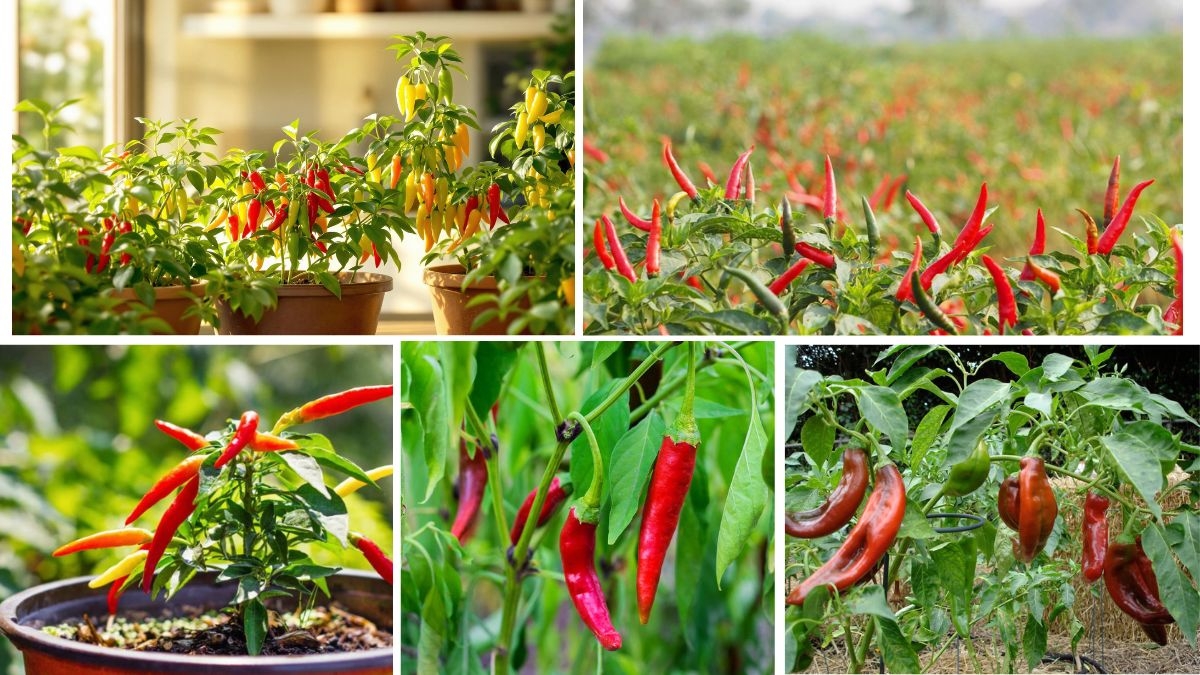
Credit: brindavanagardens.com
Frequently Asked Questions
How Do You Start Thai Chili Indoors?
Start by selecting quality seeds and using well-draining soil. Ensure your pot has drainage holes. Place the pot in a sunny spot with a temperature of 70°F to 85°F. Water moderately, keeping the soil slightly moist.
Can Thai Chili Peppers Grow Without Sunlight?
Thai chili peppers need sunlight to thrive. Place them near a window with direct sunlight for at least 6 hours daily. Without adequate sunlight, they may grow weak and produce fewer fruits.
What Type Of Soil Is Best For Thai Chili?
Use well-draining soil for Thai chili peppers. Mix potting soil with perlite or sand to enhance drainage. A neutral pH level helps their growth. Avoid waterlogged conditions to prevent root rot.
How Often Should You Water Thai Chili?
Water Thai chili peppers when the top inch of soil feels dry. Overwatering can lead to root rot. Ensure proper drainage and avoid letting the soil dry out completely.
Conclusion
Growing Thai chili peppers indoors is rewarding and fun. With care, they thrive in pots and provide fresh peppers year-round. Remember to choose the right pot and soil. Ensure ample sunlight and regular watering. Prune your plants for better growth and harvest.
Watch for pests and keep them healthy. Enjoy fresh, homegrown Thai chili peppers in your cooking. It’s a simple way to spice up dishes. Happy gardening and enjoy your chili harvest!







