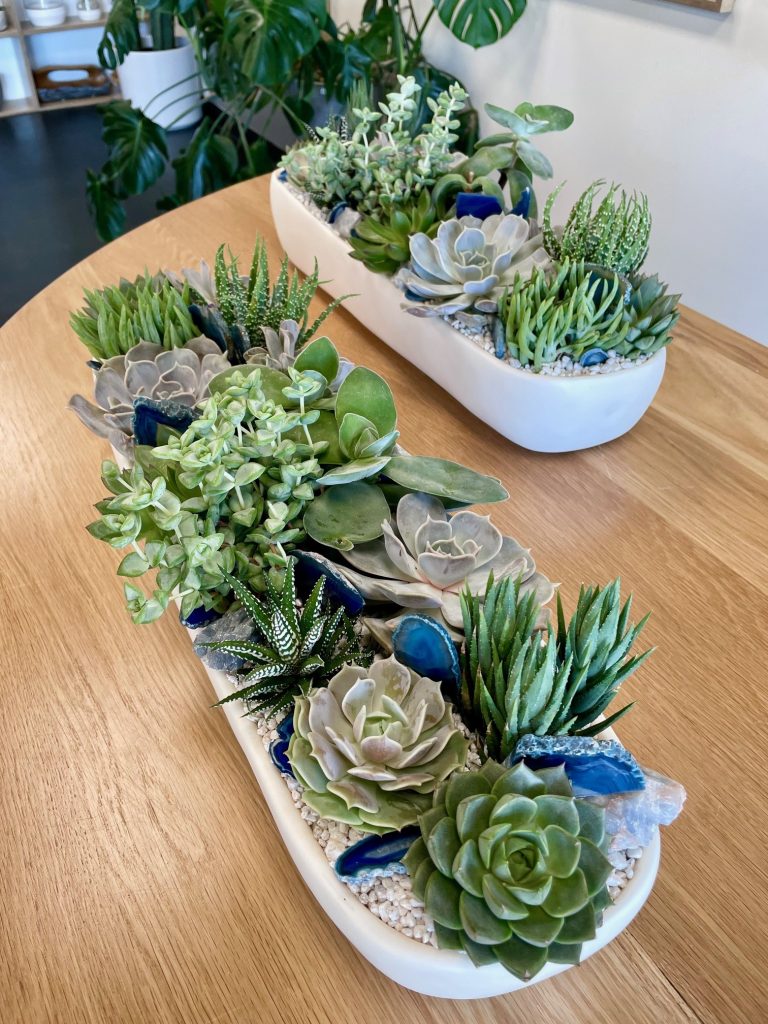
Imagine transforming your home into a serene oasis with just a few simple steps. Succulents, those charming little plants, can bring life and beauty to any indoor space.
You might have seen them in trendy cafes or stylish living rooms and wondered how you could achieve the same look. Well, you’re in luck! Creating your own indoor succulent garden is not only easy but incredibly rewarding. Picture a shelf adorned with vibrant greens, calming blues, and unique textures that catch the light just right.
These hardy plants are perfect for those who might not have the greenest thumb because they require minimal care. With the right guidance, you can turn any corner of your home into a lush, inviting environment. You’ll discover simple techniques to plant and care for your very own indoor succulent garden. Whether you want to add a touch of nature to your living space or create a focal point that sparks conversation, the steps are straightforward and achievable. Let’s dive in and unleash your creativity with these delightful plants!
Choosing The Right Succulents
Creating an indoor succulent garden is both a rewarding and stylish way to add greenery to your home. To ensure your garden thrives, choosing the right succulents is crucial. The right selection not only enhances your space aesthetically but also ensures that your plants live long, healthy lives.
Popular Varieties For Indoor Gardens
- Jade Plant (Crassula ovata):Known for its thick, woody stems and plump, oval leaves, this plant is a favorite for beginners.
- Aloe Vera:Not only is it low-maintenance, but it also provides soothing gel for burns.
- String of Pearls (Senecio rowleyanus):Its unique bead-like leaves make it a perfect hanging plant.
- Haworthia:Resembling aloe, these small succulents are perfect for tight spaces.
- Burro’s Tail (Sedum morganianum):Ideal for hanging baskets, its trailing stems and fleshy leaves are a visual treat.
Factors To Consider
When selecting succulents, consider the light conditions of your space. Some succulents thrive in bright, direct sunlight, while others prefer indirect light.
Think about the available space in your home. Smaller succulents fit well on windowsills, while larger varieties may need more room.
Consider how much time you can dedicate to care. While succulents are generally low-maintenance, some require more attention than others.
Have you thought about mixing different textures and colors? Combining various types can create a visually appealing display.
Remember, the right choice can make a significant difference in your indoor garden’s success. So, take the time to select wisely and enjoy the beauty and tranquility succulents bring to your home.
Credit: yadavindragardens.com
Preparing Containers And Soil
Select shallow containers with drainage holes to prevent water build-up. Use well-draining soil to keep succulents healthy.
Preparing Containers and Soil is a crucial step in creating a thriving indoor succulent garden. The right combination of containers and soil ensures your succulents get the proper drainage and nutrients they need. Let’s dive into the essentials of choosing the perfect containers and crafting the ideal soil mix for your indoor oasis.Selecting Suitable Containers
When choosing containers for your succulents, drainage is key. Succulents despise sitting in water, so opt for pots with drainage holes. If you fall in love with a container that lacks holes, consider drilling some or use it as a decorative outer pot. Size matters, too. Choose a pot that accommodates your succulent’s current size but allows room for growth. Too large a pot can retain excess water, while too small may stunt development. Material can affect plant health. Terracotta is a popular choice because it absorbs excess moisture, but ceramic and plastic can work well with careful watering.Creating The Ideal Soil Mix
Succulents thrive in well-draining soil. A mix of regular potting soil, coarse sand, and perlite works wonders. Aim for a balance where water can drain quickly, leaving roots aerated. Consider adding crushed granite or pumice to improve drainage further. These components help mimic the natural arid environment succulents love. Don’t overlook pre-packaged cactus soil. It’s a convenient option, especially if you’re short on time. However, always check its drainage efficiency before use. Choosing the right containers and soil can make all the difference. Have you ever experimented with different soil mixes and noticed changes in your plants? Your indoor succulent garden’s success might just hinge on these foundational choices.Planting Techniques
Create a vibrant indoor succulent garden by choosing a variety of easy-care plants. Use well-draining soil to ensure healthy roots. Arrange succulents in decorative containers, keeping them in bright light for optimal growth.
Planting Techniques Creating an indoor succulent garden is both rewarding and fun. Succulents are known for their minimal care and beauty. Understanding the right techniques ensures your garden thrives. These techniques help in arranging and planting succulents effectively.Proper Plant Arrangement
A good arrangement enhances the beauty of your succulent garden. Choose a container with drainage holes to prevent waterlogging. Different shapes and sizes of succulents create a stunning display. Group taller plants at the back and shorter ones at the front. Mix colors and textures for a vibrant look. Leave enough space between plants to allow growth.Steps For Planting Succulents
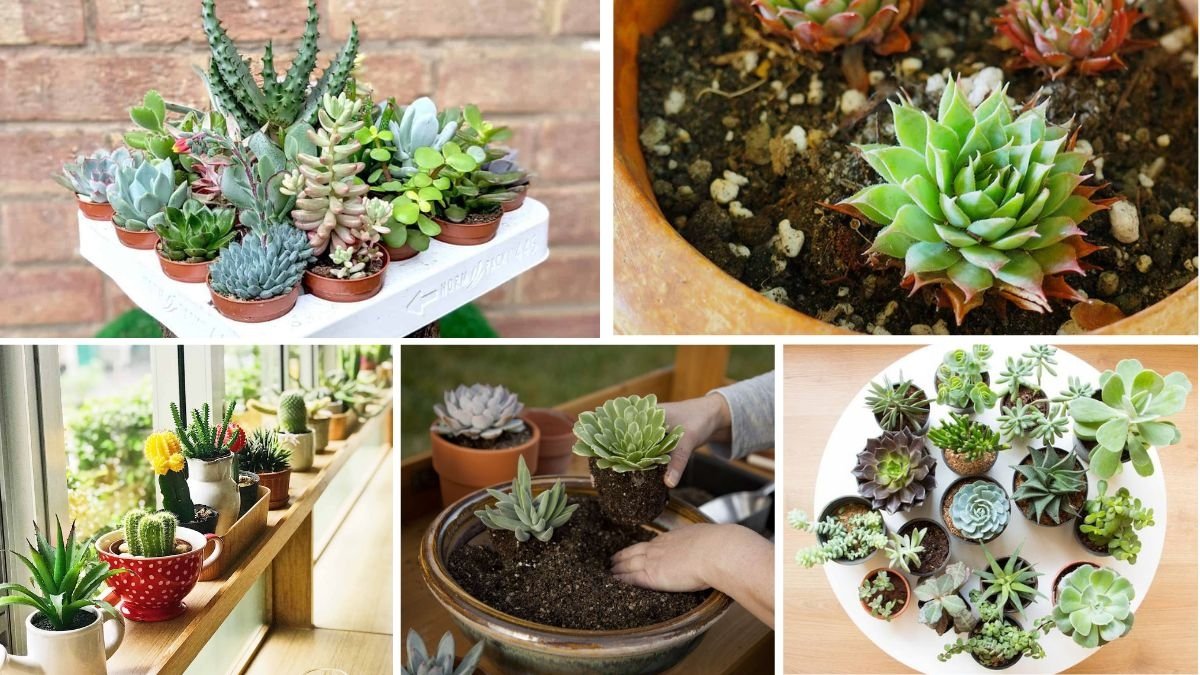
Start by filling your container with cactus soil. This soil drains well, which is ideal for succulents. Make a small hole for each plant using your fingers or a tool. Gently remove the succulent from its original pot. Place it in the hole, ensuring the roots are covered. Firmly press the soil around the plant to secure it. Water lightly after planting, then let the soil dry before watering again. Avoid overwatering, which can harm succulents.Light And Temperature Requirements
Successfully growing an indoor succulent garden requires understanding the light and temperature conditions that best suit these hardy plants. While succulents are known for their resilience, giving them the right amount of light and maintaining suitable indoor temperatures can make all the difference. Let’s dive into how you can create an ideal environment for your indoor succulent garden.
Optimal Light Conditions
Succulents love light, but there is a fine balance between enough and too much. Most succulents need about six hours of bright, indirect sunlight each day. Placing them near a south or east-facing window usually provides the right amount of light.
If you notice your succulents stretching towards the light, they might not be getting enough. Consider using a grow light as a supplement, especially in the winter months. It’s a simple solution that can keep your succulents thriving year-round.
Managing Indoor Temperatures
Temperature is another critical factor in the health of your succulents. They prefer warmer temperatures, typically between 60°F and 80°F (15°C to 27°C). During the night, they can tolerate slightly cooler temperatures.
Be mindful of where you place your succulents, avoiding areas near drafts or heating vents. These can cause temperature fluctuations that stress the plants. Have you ever placed a succulent near a window in winter, only to find it looking a bit sad? It might be the cold drafts affecting it.
Ensuring the right light and temperature conditions can transform your indoor space into a succulent haven. What other adjustments can you make to provide your plants with the best environment possible?
Watering And Maintenance
Water succulents sparingly, letting soil dry between watering. Use a well-draining potting mix to prevent root rot. Ensure adequate light for healthy growth and check for pests regularly.
Watering and maintaining your indoor succulent garden is crucial for its health and vibrancy. While succulents are known for their drought tolerance, they still require proper care to thrive indoors. The key is finding a balance in watering, ensuring your succulents receive just the right amount of moisture without overdoing it. Let’s delve into the specifics of watering frequency and methods, and how to prevent overwatering, which can be detrimental to your succulent garden.Watering Frequency And Methods
Understanding how often to water your succulents can be a game-changer. Generally, succulents prefer their soil to dry out completely between waterings. You might find watering every 10-14 days works well, but this can vary based on your indoor climate and the type of succulents. An effective method is the “soak and dry” approach. Thoroughly water the soil until water drains from the bottom of the pot. Then, allow the soil to dry out completely before watering again. This mimics their natural desert environment and encourages strong root growth.Preventing Overwatering
Overwatering is one of the most common mistakes with succulents. It can lead to root rot and other issues that can be fatal to your plants. Always ensure your pots have drainage holes to prevent water from pooling at the bottom. Consider using a moisture meter if you’re unsure about the soil’s dryness. It provides a more accurate reading than guessing by touch. Remember, it’s better to underwater than overwater. Have you ever felt tempted to water your succulents more because they look thirsty? Resist the urge. Instead, monitor the plant’s leaves. Wrinkled or shriveled leaves indicate it’s time for a drink, but plump and firm leaves mean they’re just fine. Keep an eye on these signs, and you’ll become a pro at succulent maintenance.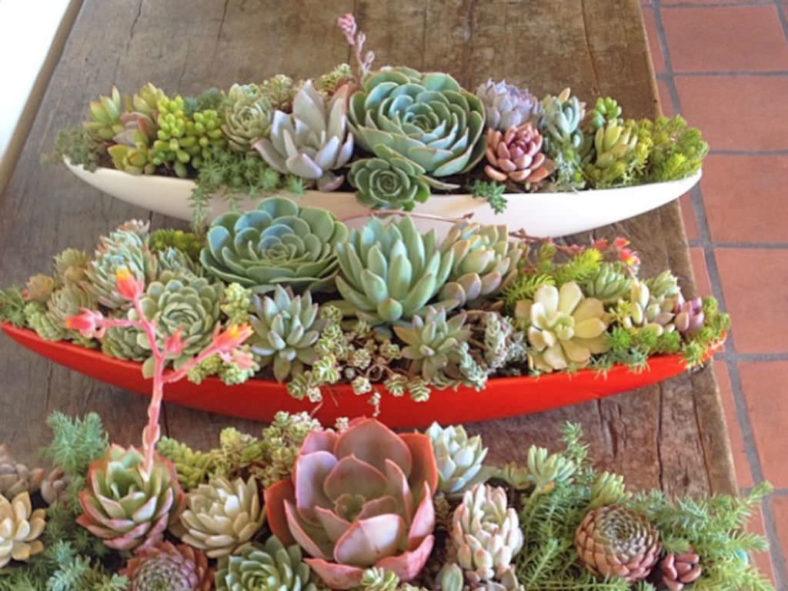
Credit: worldofsucculents.com
Dealing With Common Issues
Succulents are a delight to have indoors, but they come with their own set of challenges. Dealing with common issues is a crucial part of maintaining a thriving indoor succulent garden. Just when you think your succulents are flourishing, you might notice some pesky problems creeping in. It’s essential to tackle these issues head-on to keep your garden healthy and vibrant.
Pest Control Strategies
Succulents can attract various pests like mealybugs and aphids. These tiny invaders can wreak havoc on your plants if left unchecked. Start by inspecting your succulents regularly; look under leaves and along stems for any signs of infestation. If you spot pests, a cotton swab dipped in alcohol is an effective way to wipe them off. You can also use insecticidal soap or neem oil as a gentle yet powerful defense.
Are you worried about chemical sprays harming your plants? Try a homemade solution by mixing water with a few drops of dish soap. Spritz it on your succulents, and watch the pests vanish. Remember, consistent monitoring and early intervention are key to preventing larger infestations.
Addressing Rot And Disease
Rot is the bane of any succulent enthusiast. Overwatering is often the culprit, leading to root rot and mushy leaves. To prevent this, ensure your pots have proper drainage, and water only when the soil is completely dry. If you notice rot, act quickly by removing the affected parts and letting the plant dry out.
Diseases like fungal infections can also strike. Spotting black spots or powdery mildew? Increase air circulation around your succulents and avoid letting water sit on their leaves. It’s amazing how a simple change in watering habits can save your plants from disaster.
Have you ever faced the heartbreak of a dying succulent? It makes you question your care techniques. But remember, every issue is a learning opportunity. What’s your go-to remedy for rot or pests? Share your tips in the comments!
Enhancing Aesthetic Appeal
Creating an indoor succulent garden is not just about picking the right plants and ensuring they thrive; it’s also a fantastic opportunity to enhance the aesthetic appeal of your space. Imagine walking into a room that instantly feels more vibrant and alive because of the thoughtful arrangement of succulents. The beauty of succulents lies in their diverse shapes, colors, and textures, offering endless possibilities to elevate your home’s interior design.
Decorative Elements
Consider adding decorative elements to complement the natural beauty of your succulents. Unique containers such as vintage teacups or geometric pots can add personality and flair. You might even try hanging planters to create a floating garden effect. Adding pebbles or colorful stones to the soil surface can provide a contrasting backdrop that highlights your plant’s vibrant hues.
Think about integrating natural materials like driftwood or shells. These can create a cohesive look, connecting your indoor garden with nature. Using a mix of textures and materials can help your succulent garden stand out and become a conversation starter.
Arranging For Visual Impact
Arranging your succulents for visual impact requires a bit of creativity and experimentation. Start by grouping plants with similar needs, but varying appearances. This way, you ensure care consistency while achieving a dynamic visual effect. Play with height by placing taller succulents at the back and shorter ones at the front.
Consider creating layers or tiers for added depth. You can use shelves or stands of different heights to achieve this. This not only makes your arrangement more appealing but also maximizes your space. Ask yourself: which arrangement feels most inviting and harmonious?
Regularly rotate your arrangements to refresh the look and maintain interest. You might discover new favorite combinations or arrangements that transform the feel of your space. Personal experiences suggest that experimenting with arrangements can lead to unexpectedly satisfying results, even sparking joy each time you walk into the room.

Credit: www.dallasnews.com
Frequently Asked Questions
What Are Ideal Succulents For Indoor Gardens?
Choose succulents that thrive indoors, like jade plant, aloe vera, and echeveria. They require minimal sunlight and are easy to care for. Ensure you select varieties that can adapt well to indoor environments. These succulents are perfect for beginners and provide aesthetic appeal to any indoor garden setup.
How Often Should I Water Indoor Succulents?
Water indoor succulents sparingly, about once every two weeks. Ensure the soil is completely dry before watering. Overwatering can harm succulents, causing root rot. It’s essential to adjust watering frequency based on humidity and light conditions. Succulents thrive in dry conditions, so moderation is key.
What Type Of Soil Is Best For Succulents?
Use well-draining soil, like cactus mix, for succulents. This prevents water retention and root rot. Adding perlite or sand can improve drainage. Succulents prefer slightly acidic to neutral soil. This type of soil ensures healthy growth and vibrant plants. Proper soil choice is crucial for successful indoor gardening.
Can Succulents Survive In Low Light?
Yes, some succulents tolerate low light conditions. Consider varieties like snake plant and pothos for dim areas. Ensure they receive indirect sunlight periodically. Low light affects growth, so monitor plant health closely. Balance light exposure to maintain healthy succulents indoors.
Conclusion
Creating an indoor succulent garden is simple and rewarding. Succulents thrive with minimal care. Ensure they get enough light. Water sparingly. Choose the right containers. Use well-draining soil. Enjoy watching them grow. They add beauty to any space. Feel free to experiment.
Mix different types for variety. Your green thumb will thank you. Succulents are perfect for busy lives. Easy to maintain. Perfect for beginners. Start your garden today. Enjoy the calming effect of nature indoors. Happy planting!







