Imagine stepping into your kitchen and snipping fresh basil or mint leaves straight from your own indoor garden. Sounds delightful, right?
Planting an indoor herb garden from seeds isn’t just a hobby; it’s a way to bring nature’s bounty into your home, offering fresh flavors and a touch of greenery. You don’t need a green thumb to get started. With just a little patience and the right guidance, you can transform your kitchen or windowsill into a vibrant herb haven.
Whether you’re a cooking enthusiast eager for fresh ingredients, or someone looking to add a bit of nature indoors, cultivating your own herb garden can be truly rewarding. Let’s dive into the simple steps to create your personal oasis of herbs, and discover how easy it is to enjoy the benefits of fresh, home-grown flavors all year round.
Choosing The Right Herbs
Starting an indoor herb garden from seeds is a rewarding way to have fresh herbs at your fingertips. The key to success lies in choosing the right herbs. Not every herb thrives indoors, so it’s crucial to pick those that adapt well to indoor conditions. Let’s dive into the specifics of selecting the perfect herbs for your indoor garden.
Popular Indoor Herbs
Some herbs are more suited for indoor growing due to their resilience and size. Here are a few popular choices:
- Basil:With its aromatic leaves, basil is perfect for adding flavor to a variety of dishes.
- Mint:Known for its refreshing scent, mint can thrive on your windowsill with ease.
- Thyme:A versatile herb that complements many recipes and requires minimal maintenance.
- Parsley:Both curly and flat-leaf varieties grow well indoors, adding color and flavor to your meals.
- Chives:Easy to grow and ideal for garnishing salads and soups.
These herbs not only flourish indoors but also provide a fragrant and aesthetic addition to your space.
Factors To Consider
When choosing herbs, consider your space, lighting, and personal preferences. Do you have a sunny windowsill? Herbs like basil and thyme love sunlight. If not, mint might be a better choice as it tolerates lower light.
Think about the herbs you use most in your cooking. Growing them ensures you have fresh ingredients at hand, saving trips to the store. Additionally, consider the growth habits of the herbs. Some, like mint, can spread aggressively, so planting it in a separate pot might be wise.
By considering these factors, you ensure that your indoor herb garden is both practical and productive. What herbs can you not live without in your kitchen? Start with those, and watch your culinary creations come to life with homegrown flavors.

Credit: seedsociety.co.uk
Selecting Quality Seeds
Creating an indoor herb garden from seeds is a rewarding and cost-effective way to enjoy fresh herbs year-round. However, the success of your garden begins with selecting quality seeds. The right seeds can make all the difference in the health and yield of your plants. Let’s explore how to choose the best seeds for your indoor herb garden.
Where To Buy
Finding a reliable source for seeds is crucial. Local garden centers and nurseries often provide seeds that are well-suited for your climate and growing conditions. Additionally, purchasing seeds from online retailers can give you access to a broader variety and specialized options.
Read reviews and check ratings when buying online. Reputable sellers will have positive feedback from other gardeners. Consider joining gardening forums or groups for recommendations on where to purchase seeds.
Seed Characteristics
When choosing seeds, look for labels that indicate high germination rates. This means a greater percentage of the seeds will sprout, giving you more plants to work with. Non-GMO and organic seeds are also desirable if you are concerned about sustainability and health.
Check the seed packet for the date of packaging. Fresh seeds tend to have higher germination rates. Also, consider the specific needs of the herbs you wish to grow; some herbs may require particular conditions to thrive.
Do you have a favorite herb you’re eager to grow? Understanding these characteristics can help ensure you’re selecting the best seeds for a thriving indoor garden.
Preparing Your Planting Space
Select a sunny spot indoors for your herbs. Ensure the area is clean and ready for planting. Arrange pots with drainage holes and fill them with quality soil.
Preparing your planting space is crucial for a thriving indoor herb garden. The right environment ensures your herbs grow healthy and strong. Start by selecting containers and soil that suit your herbs’ needs.Ideal Containers
Choose containers with good drainage holes. This prevents waterlogging, which can harm roots. Use small pots for herbs with shallow roots. Larger pots work for herbs with deeper roots. Consider using biodegradable pots. They are eco-friendly and easy to transplant.Soil Requirements
Use lightweight, well-draining soil. This type of soil allows air to reach roots. Avoid heavy garden soil. It compacts easily and restricts root growth. Look for potting mixes labeled for herbs. They often include nutrients suited for herb growth. Add perlite or vermiculite to improve drainage. This helps maintain the right moisture level.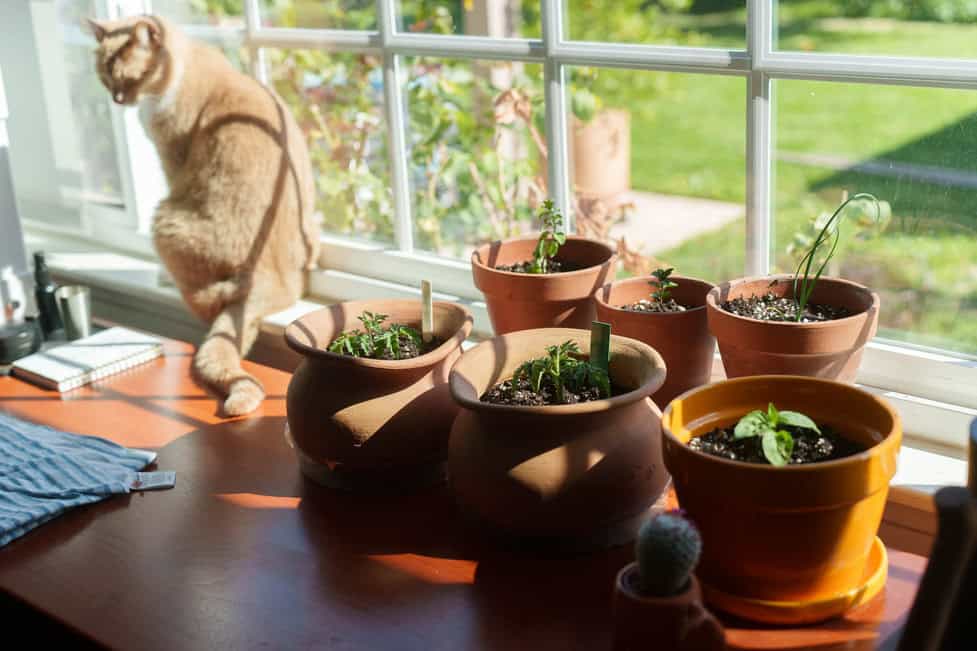
Credit: www.hungryhuy.com
Planting Process
Starting an indoor herb garden from seeds is simple and rewarding. Choose a sunny spot and prepare small pots with potting soil. Plant seeds at the recommended depth, keep the soil moist, and ensure adequate sunlight for healthy growth.
The planting process is the heart of your indoor herb garden journey. Getting this right ensures your herbs will grow healthy and strong. Starting from seeds is rewarding and cost-effective. Let’s dive into the steps involved.Seed Planting Techniques
Choose high-quality seeds for better results. Use small containers or seed trays. Moisten the soil before planting. Place seeds on the surface and gently press them into the soil. Ensure they have light contact with the soil. Don’t bury them too deep. Cover with a thin layer of soil if needed.Spacing And Depth
Spacing is crucial for healthy growth. Check the seed packet for specific instructions. Generally, leave about an inch between seeds. This prevents overcrowding. Depth matters too. Most seeds should be planted at a depth twice their size. This ensures they have room to grow roots. Proper spacing and depth give your herbs a strong start.Watering And Care
Watering and caring for your indoor herb garden is vital to ensure healthy growth and a bountiful harvest. Proper attention to watering schedules and regular monitoring can make a significant difference in the health of your herbs. Let’s dive into the essentials of keeping your indoor herb garden thriving.
Watering Schedule
Establishing a consistent watering schedule is crucial. Most herbs prefer their soil to be slightly moist but not waterlogged. Overwatering can lead to root rot, while underwatering can cause wilting.
- Check the soil moisture by sticking your finger about an inch deep into the soil. If it feels dry, it’s time to water.
- Use a spray bottle for delicate seedlings to avoid washing away the seeds.
- Avoid watering late in the evening to prevent excess moisture, which can encourage mold growth.
Remember, each herb has its own unique needs. Basil may enjoy more frequent watering, while rosemary prefers drier conditions. Adjust your schedule based on the specific herbs you’re growing.
Monitoring Growth
Keeping an eye on your herbs’ growth can prevent potential issues. Regularly inspect your plants for signs of distress such as yellowing leaves or stunted growth.
- Check for pests like aphids or spider mites and address them promptly.
- Ensure your herbs are getting enough sunlight or adjust their location if necessary.
- Trim your herbs regularly to encourage bushier growth and prevent legginess.
Have you noticed how herbs respond to different conditions? Observing these changes can provide insights into their needs. Encourage yourself to learn and adapt your care routine for healthier plants.
What’s your biggest challenge with indoor herb gardening? Share your experiences in the comments!
Managing Light And Temperature
Ensure your indoor herb garden thrives by managing light and temperature. Place seeds near a sunny window and maintain a steady temperature between 65-75°F for optimal growth.
Managing light and temperature is crucial for a thriving indoor herb garden. Herbs need the right environment to grow well. Understanding their needs will lead to healthier plants and better harvests. Let’s dive into how you can manage light and temperature for your indoor herbs.Optimal Lighting
Herbs require plenty of light to grow well. Place them near a south-facing window. This provides the most sunlight. If natural light is limited, consider using grow lights. Choose LED or fluorescent lights. These are energy-efficient and effective. Position the lights 6-12 inches above the plants. Ensure they are on for 12-16 hours daily. Adjust the height as the herbs grow taller. Keep an eye on leaf color. Yellow leaves may signal too much light. Pale leaves suggest too little light. Adjust accordingly.Temperature Control
Herbs thrive in moderate temperatures. Keep the room between 65°F and 75°F (18°C to 24°C). Avoid placing plants near drafts or heat sources. Both can stress the herbs. Monitor the temperature daily. Use a thermometer for accuracy. If the room is too cold, consider a space heater. Keep it at a safe distance from the plants. If it’s too warm, use a fan. Air circulation helps prevent mold and pests. Consistency is key for healthy growth.Fertilizing Tips
Fertilizing is essential for a thriving indoor herb garden. It ensures your plants receive the nutrients they need to grow strong. Without the right fertilizer, herbs may struggle to flourish. Proper fertilization boosts growth and enhances flavor.
Choosing Fertilizers
Select the right fertilizer for your herbs. Organic options are great for a natural approach. Look for balanced formulas. These contain equal parts of nitrogen, phosphorus, and potassium. Liquid fertilizers are easy to use and absorb quickly. Slow-release granules provide nutrients over time. Check labels for herb-specific recommendations.
Application Methods
Apply fertilizers correctly for best results. Dilute liquid fertilizers according to package instructions. Over-fertilizing can harm plants. Use a spray bottle for even distribution. Granules can be sprinkled on soil. Mix them into the top layer. Water plants after applying to help absorption. Fertilize every few weeks to maintain nutrient levels.

Credit: seedsociety.co.uk
Troubleshooting Common Issues
Identifying the right seeds is crucial for a successful indoor herb garden. Ensure proper light and temperature for germination. Water seeds sparingly to avoid root rot, and watch for signs of pests or disease.
Planting an indoor herb garden from seeds can be rewarding. Yet, some issues might arise. Understanding common problems ensures healthy growth. Here, we’ll discuss how to tackle them effectively.Pest Control
Pests can damage your herbs quickly. To manage them, inspect plants regularly. Look for tiny bugs on leaves. Remove them by hand or with a soft cloth. Use a mild soap spray to deter pests. Avoid harsh chemicals. They can harm your herbs. Another method is introducing beneficial insects. Ladybugs or lacewings can eat harmful bugs. Keep your garden area clean. Fallen leaves and debris attract pests. Ensure proper air circulation. It helps keep pests away.Disease Management
Diseases can affect herb growth. Fungal infections are common indoors. To prevent them, water only the soil. Avoid wetting leaves. Overwatering can cause root rot. Ensure pots have drainage holes. If you notice mold, remove affected leaves. Use a natural fungicide if needed. Keep plants spaced apart. It allows air to flow. Avoid overcrowding. It reduces the risk of disease spread. Maintain a clean environment. Wash pots and tools regularly. This prevents disease transfer. Healthy plants resist diseases better. Provide enough light and nutrients. They help your herbs stay strong.Frequently Asked Questions
What Herbs Can Be Grown Indoors?
You can grow basil, mint, parsley, cilantro, and chives indoors. These herbs thrive in controlled environments and require minimal care. Ensure they receive enough light and water. Choose compact varieties for limited space. Indoor herb gardens are perfect for small apartments or homes.
How Much Light Do Indoor Herbs Need?
Indoor herbs need around 6-8 hours of light daily. Use LED grow lights if natural sunlight is insufficient. Place herbs near a bright window to maximize exposure. Adjust light intensity based on herb type. Proper lighting ensures healthy growth and vibrant flavors.
How Often Should I Water Indoor Herbs?
Water indoor herbs when the top inch of soil feels dry. Overwatering can cause root rot, so be cautious. Use pots with drainage holes to prevent water buildup. Check moisture levels regularly. Adjust watering frequency based on humidity and temperature.
What Soil Is Best For Herb Seeds?
Use well-draining potting mix for herb seeds. Avoid garden soil as it may compact and hinder growth. Add perlite or vermiculite for improved drainage. Ensure the soil is nutrient-rich to support healthy plant development. Proper soil choice enhances root expansion.
Conclusion
Creating an indoor herb garden from seeds is a rewarding experience. It offers fresh flavors right at home. Start with quality seeds and good soil. Water regularly and ensure they get enough light. Monitor growth and trim leaves for healthy plants.
Enjoy herbs in your meals and drinks. It’s simple, fun, and connects you with nature. Gardening indoors brings life to your space. Plus, it’s a great hobby for everyone. Try it today and watch your herbs thrive. Experience the joy of growing your own herbs.
Happy planting!







