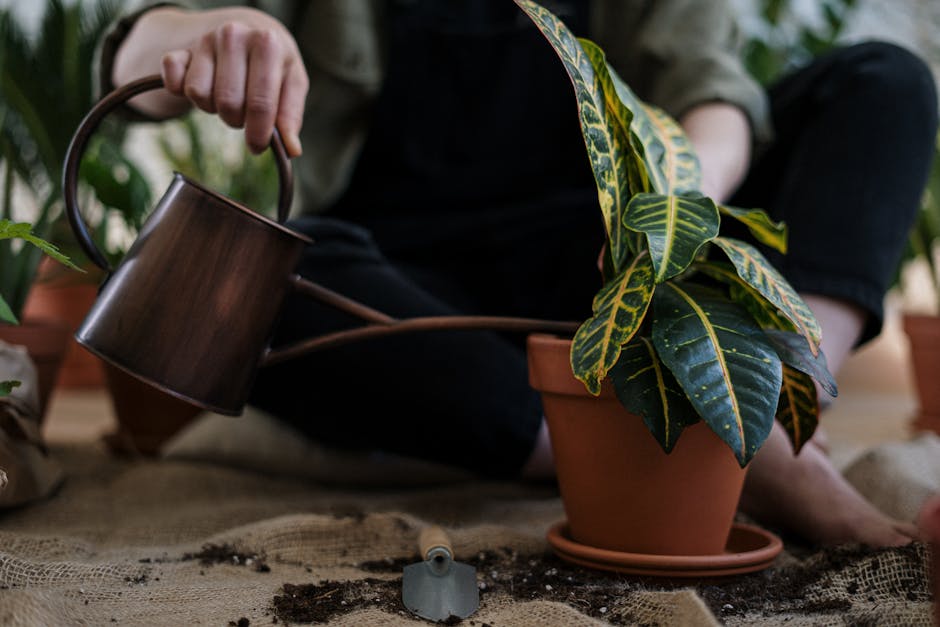
Imagine having fresh herbs at your fingertips, right in the comfort of your home. You can enjoy the vibrant flavors in your cooking, without stepping outside.
Planting an herb garden indoors is easier than you might think, and it’s a rewarding hobby that not only adds life to your living space but also enhances your culinary creations. Whether you’re a seasoned gardener or a complete beginner, you can create your own indoor herb haven with minimal fuss.
Curious about how to start? This guide will show you simple steps to transform your kitchen or living room into a green sanctuary. By the end, you’ll be ready to nurture a thriving herb garden that will delight your senses and boost your wellbeing. Keep reading to discover how easy it is to bring nature indoors and enrich your everyday life.
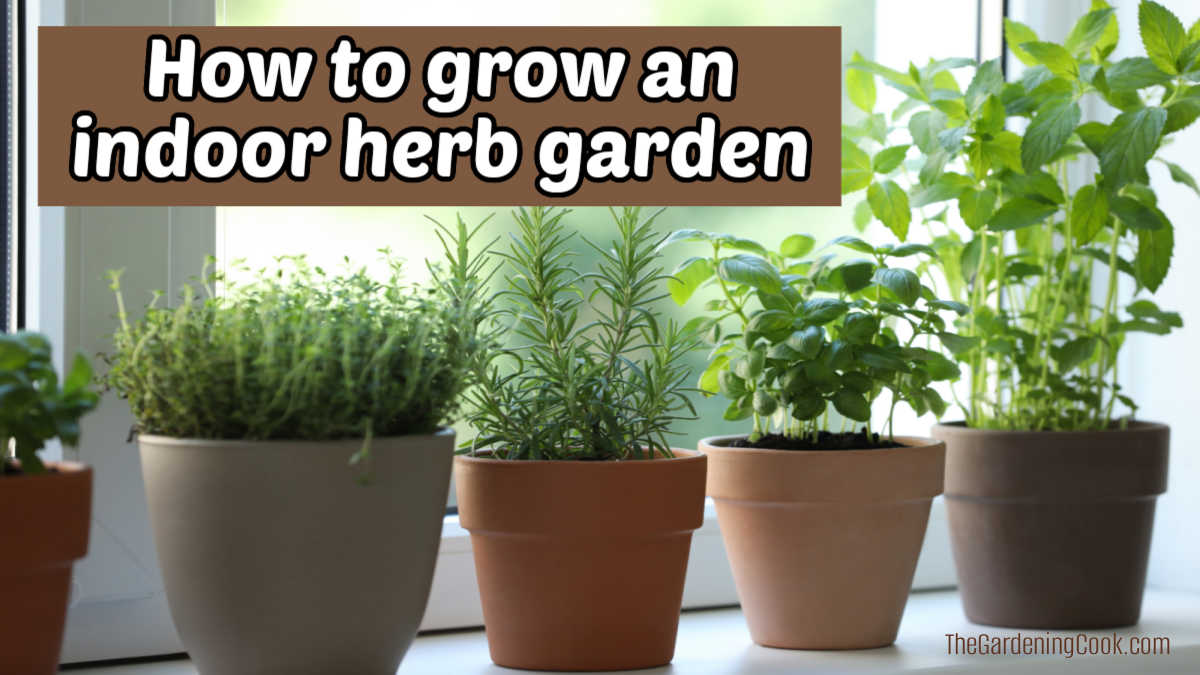
Credit: thegardeningcook.com
Choosing The Right Herbs
Select herbs suited for indoor growth, such as basil, mint, or parsley. These herbs thrive indoors with proper care. Consider light, water, and space needs to ensure healthy plants.
Choosing the right herbs is key to a thriving indoor garden. Your choices impact growth and use. Each herb has unique needs and flavors. Pick herbs that suit your space and taste preferences. Ensure they match your light and care conditions. Some herbs grow well indoors, while others may struggle. Let’s explore popular options and what to consider when selecting them.Popular Indoor Herbs
Many herbs adapt well to indoor environments. Here are some favorites:- Basil:Loves sunlight and adds flavor to dishes.
- Mint:Refreshing scent and easy to grow.
- Thyme:Hardy and pairs well with many recipes.
- Parsley:Versatile and thrives in indirect light.
- Chives:Mild onion flavor, great for garnishing.
- Oregano:Perfect for Italian dishes, needs moderate light.
- Rosemary:Woody herb with a strong aroma, enjoys bright light.
Considerations For Selection
Think about several factors before choosing your herbs:- Light:Some herbs need full sun, others prefer shade.
- Space:Consider the size herbs will reach when mature.
- Water:Different herbs have varying water needs.
- Temperature:Check if your herbs need specific warmth.
- Purpose:Choose based on culinary or medicinal use.

Credit: goebbertspumpkinfarm.com
Preparing Your Space
Creating an indoor herb garden begins with choosing a sunny spot. Ensure your space has good ventilation. Arrange pots or containers to allow easy access for watering and care.
Preparing an indoor herb garden requires thoughtful planning. The right environment helps herbs thrive. Begin by assessing your space. Consider lighting, temperature, and humidity. These factors affect herb growth. Careful preparation leads to a healthy garden.Lighting Requirements
Herbs need adequate light to grow. Natural sunlight is best. Choose a spot with direct sunlight for six hours daily. If natural light is limited, use grow lights. LED grow lights are energy efficient. Position lights close to herbs for optimal growth. Adjust height as plants grow taller.Temperature And Humidity
Maintain a consistent temperature for herbs. Ideal range is 65°F to 75°F. Avoid placing herbs near heat sources. Keep them away from cold drafts. Monitor humidity levels. Herbs prefer moderate humidity. Use a humidifier if air is dry. Regular misting helps maintain moisture.Gathering Essential Supplies
Gather necessary supplies like pots, potting soil, and seeds to begin your indoor herb garden. Choose a sunny spot and ensure you have proper watering tools.
Gathering essential supplies is the first step in planting an indoor herb garden. This step ensures that your herbs grow healthy and strong. Having the right supplies makes the process easier and more enjoyable. You’ll need the right containers, pots, soil, and fertilizer to get started.Containers And Pots
Choose containers with drainage holes. This prevents water from collecting at the bottom. Herb roots need air and should not sit in water. Small pots are ideal for individual herbs. For a variety, use a larger container to group them. Consider using materials like clay or ceramic. These help with moisture control.Soil And Fertilizer
Use high-quality potting soil. It provides good drainage and aeration. Avoid garden soil; it may compact and suffocate roots. Fertilizer is vital for healthy growth. Opt for a balanced liquid fertilizer. Apply it every few weeks for best results. Organic options are gentle on herbs and safe for consumption.Planting Your Herbs
Planting herbs indoors is a delightful way to enjoy fresh flavors year-round. Choose a sunny spot and use well-draining soil. Water regularly and ensure proper light for healthy growth.
Planting your herbs indoors can be a rewarding experience. It brings fresh flavors right to your kitchen. You can enjoy gardening without needing a big outdoor space. Creating an indoor herb garden is simple and fun. Follow these easy steps to get started.Seed Planting Techniques
Start with good quality seeds. Use small pots with drainage holes. Fill them with seed-starting mix. Make shallow holes in the soil. Place one or two seeds in each hole. Cover with a thin layer of soil. Water gently to moisten the soil. Place pots in a warm area with indirect sunlight. Keep the soil moist but not soggy.Transplanting Seedlings
Once seedlings grow a few inches, it’s time to transplant. Choose larger pots with good drainage. Fill them with potting soil. Carefully remove seedlings from their original pots. Avoid damaging the roots. Place seedlings in new pots. Add soil around the roots. Press gently to secure the plant. Water lightly and place in a sunny spot. Watch your herbs grow and thrive indoors!Caring For Your Herb Garden
Start by choosing a sunny spot for your indoor herb garden. Use pots with drainage holes and quality soil. Water them regularly, but don’t overdo it.
Caring for your indoor herb garden is essential for healthy, flavorful plants. With the right attention, herbs thrive and add fresh flavors to your meals. Understanding the basics can make all the difference.Watering Guidelines
Water your herbs when the topsoil feels dry. Use room temperature water to avoid shocking the roots. Drain excess water to prevent root rot. Most herbs need watering once or twice a week. Adjust based on your home’s humidity levels. Use a pot with drainage holes for best results.Pruning And Harvesting
Prune herbs to encourage growth and prevent legginess. Use clean scissors or pruning shears. Remove dead or yellowing leaves regularly. Harvest herbs in the morning for the best flavor. Clip above a leaf node to encourage new growth. Regular pruning keeps your herbs bushy and healthy.Troubleshooting Common Issues
Indoor herb gardens often face issues like poor lighting or improper watering. Ensure herbs receive enough sunlight or use grow lights. Maintain soil moisture without overwatering for healthy growth.
Planting an indoor herb garden can be a delightful endeavor. Yet, some common issues may arise. Understanding and addressing these problems ensures healthy herbs. Let’s explore some troubleshooting techniques.Pest Management
Pests can invade even indoor gardens. Keep a close watch on your herbs. Look for tiny insects like aphids or spider mites. Use a gentle solution of water and dish soap. Spray on affected plants to deter pests. Neem oil also works well against insects. Introduce ladybugs to your garden as a natural solution. They feast on unwanted pests, keeping your herbs safe.Disease Prevention
Diseases can affect your herb garden if not careful. Ensure good airflow around your plants. Overcrowding can lead to mold and mildew. Water herbs only when the topsoil is dry. Overwatering encourages root rot and fungi growth. Clean your tools before using them on different plants. This practice prevents disease spread. Choose disease-resistant herb varieties for easier maintenance. Keep your indoor garden healthy and thriving.Maximizing Growth And Yield
Creating an indoor herb garden boosts growth and yield by utilizing proper lighting and soil. Choose herbs like basil and mint that thrive indoors. Regular watering and trimming ensure healthy, abundant plants, maximizing flavor and freshness for culinary use.
Maximizing Growth and Yield Creating a thriving indoor herb garden is an art that combines science with creativity. Whether you’re a seasoned gardener or a newbie, maximizing the growth and yield of your herbs requires thoughtful planning and action. With a few clever strategies, you can transform your indoor space into a lush, productive paradise.Companion Planting Tips
Companion planting is your secret weapon to boost herb growth indoors. Pairing herbs with complementary plants can improve soil health and deter pests. For example, basil thrives next to tomatoes, while mint can help deter pests when planted near other herbs. Consider the light and water needs of each plant when pairing them. Group herbs with similar requirements to streamline care and enhance growth. Mixing herbs like thyme, rosemary, and oregano works well because they enjoy similar conditions.Seasonal Adjustments
Adjusting your herb garden setup with the changing seasons is crucial. During winter, herbs might need more artificial light due to shorter daylight hours. Invest in grow lights to ensure your herbs get enough light, especially if your windows are not south-facing. Temperature control is vital for indoor gardening. Most herbs prefer temperatures between 60 and 70 degrees Fahrenheit. Keep them away from drafts and heating vents to maintain a stable environment. Regularly adjust watering habits based on seasonal humidity changes. In drier months, herbs may require more frequent watering. Use your finger to check soil moisture before watering to avoid over or under-watering. Thinking about these elements will not only keep your herbs healthy but also increase your yield. Are you ready to see your indoor herb garden flourish like never before?
Credit: goebbertspumpkinfarm.com
Frequently Asked Questions
What Herbs Grow Best Indoors?
Herbs like basil, mint, thyme, and parsley thrive indoors. They require minimal sunlight and can flourish in small pots. Ensure they receive adequate water and nutrients for optimal growth. These herbs are perfect for adding fresh flavors to your dishes right from your kitchen.
How Do I Start An Indoor Herb Garden?
Start by choosing pots with drainage holes. Select quality soil and plant seeds or seedlings. Place pots where they’ll receive adequate sunlight. Regularly water and fertilize your herbs to ensure healthy growth. Monitor their progress and adjust care routines as needed.
Can Herbs Grow Without Sunlight Indoors?
Most herbs need some sunlight, but grow lights can substitute. LED grow lights are efficient for indoor herb gardens. Ensure they mimic natural sunlight for best results. Position lights close but not too near to avoid overheating. Regularly adjust their placement for optimal plant health.
What Is The Best Soil For Indoor Herbs?
Choose light, well-draining soil for indoor herbs. Potting mix enriched with organic matter is ideal. It retains moisture and provides nutrients for healthy growth. Avoid heavy soils that may cause root rot. Regularly check soil moisture levels to prevent overwatering.
Conclusion
Creating an indoor herb garden brings joy and freshness. Simple steps lead to thriving plants. Pick the right herbs for your space. Use pots with good drainage. Ensure they get enough sunlight or use grow lights. Water them regularly but avoid overwatering.
Soon, you’ll have fresh herbs for cooking. Enjoy the flavors and scents in your home. An indoor herb garden is a delightful addition to any space. Easy to maintain. Perfect for beginners and seasoned gardeners alike. Start today and relish the benefits.
Happy gardening!







