Imagine stepping into your backyard and feeling like you’ve entered a personal oasis. The vibrant colors, the soothing sounds of nature, and the fresh scent of blooming flowers create a space where you can relax and recharge.
Planning your garden design is the first step towards making this dream a reality. You might wonder where to start, what plants to choose, or how to arrange them for maximum impact. Don’t worry; you’re not alone. Many people feel overwhelmed at first.
But with a little guidance, you can transform your outdoor space into something truly special. By the end of this article, you’ll have the tools and tips you need to create a garden that reflects your personality and enhances your lifestyle. Let’s dive in and discover how you can turn your garden aspirations into a stunning reality.

Credit: www.veranda.com
Choosing The Right Garden Style
Selecting a garden style involves considering climate, personal taste, and available space. Focus on plants that thrive locally for a vibrant garden. Explore diverse design options like Japanese, cottage, or modern styles to match your vision.
Choosing the right garden style is the first step toward creating a space that reflects your personal taste and lifestyle. Your garden should be a sanctuary, a place where you find peace and joy. Each garden style offers unique characteristics, from the structured elegance of traditional designs to the minimalist beauty of Japanese Zen gardens.Traditional Vs. Modern Designs
Traditional gardens often feature symmetrical layouts, classic plant choices, and formal hedges. Picture a garden with a central pathway flanked by rose bushes or manicured boxwood. These gardens echo history and timelessness, offering a sense of order and calm. In contrast, modern garden designs embrace clean lines and minimalism. Think of a garden with sleek stone paths, ornamental grasses, and a few statement sculptures. Modern gardens focus on simplicity and functionality, ideal for those who prefer a contemporary aesthetic.Cottage Gardens
Cottage gardens are all about charm and abundance. They thrive on a mix of colors, textures, and plant types, creating a vibrant tapestry of blooms. Imagine a garden where wildflowers mingle freely with herbs and vegetables, attracting bees and butterflies. These gardens often have winding paths, rustic arbors, and cozy seating areas. If you love a relaxed, informal style with a hint of nostalgia, a cottage garden might be perfect for you.Japanese Zen Gardens
Japanese Zen gardens bring a sense of tranquility and meditation. They use elements like gravel, rocks, and carefully placed plants to create a serene environment. Picture a space where the sound of a small water feature complements the quiet rustle of bamboo. These gardens emphasize simplicity and balance, inviting you to pause and reflect. If you seek peace and mindfulness in your outdoor space, consider the Zen approach. What garden style resonates with you the most? Reflect on your personal preferences and how you envision using your garden. Your choice will shape not only the look but the very essence of your outdoor sanctuary.Assessing Space And Climate
Assessing space and climate is essential for planning garden designs. Understand sunlight patterns and soil conditions. Choose plants that thrive in your specific climate.
Planning a garden requires understanding your space and climate. This ensures your plants thrive. Assessing these factors forms the foundation of your garden design. A well-planned garden space harmonizes with its surroundings.Measuring Your Garden Area
Start by measuring your garden’s dimensions. Use a tape measure for accuracy. Record the length and width of your space. Note any irregular shapes or obstacles. Sketch a simple layout on paper. This helps visualize your garden’s potential. Consider paths, seating areas, and plant beds.Understanding Local Climate Conditions
Research your area’s climate. Know the average temperature and rainfall. Identify the frost dates and growing season length. This information guides your plant selection. Choose plants suited to your climate for better growth. Consider wind patterns and sunlight exposure. Each factor impacts plant health and garden success.Selecting Plants And Flowers
Creating a stunning garden starts with selecting the right plants and flowers. This choice is crucial because it determines the aesthetics and functionality of your garden space. Whether you’re looking to create a colorful paradise or a tranquil retreat, understanding the types of plants and their characteristics will help you make informed decisions. Let’s delve into some key considerations.
Annuals Vs. Perennials
Annuals are plants that complete their life cycle in one growing season. They’re ideal if you enjoy experimenting with colors and layouts each year. Think of marigolds and petunias, which bloom brightly but require replanting annually. Perennials, on the other hand, return year after year. They offer consistency and can be a cost-effective choice. Imagine a bed of daylilies or hostas that greet you every spring. Which fits your gardening style?
Native Plant Selection
Choosing native plants is a smart move for any gardener. These plants are adapted to the local climate, requiring less maintenance and water. Plus, they support local wildlife like bees and butterflies. For instance, if you’re in the Midwest, consider planting purple coneflower or black-eyed Susan. They’re hardy and naturally thrive in the area, giving your garden a sustainable edge.
Color And Seasonal Blooms
Color can transform the mood of your garden instantly. Planning for blooms throughout the seasons ensures your garden stays vibrant all year. Opt for a mix of early spring flowers like tulips, summer blooms such as roses, and fall favorites like chrysanthemums. How do you envision your garden’s palette? Mixing colors thoughtfully can create harmony or contrast, setting the tone for your outdoor oasis.
Incorporating Hardscape Elements
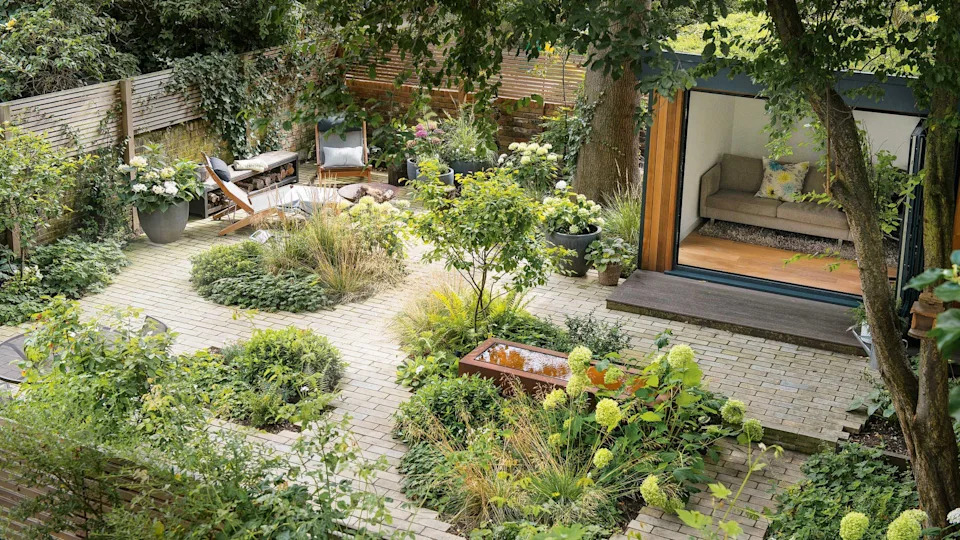
Incorporating hardscape elements enhances garden designs by adding structure and texture. Stone paths and wooden decks create focal points. Carefully plan these features to complement plants and ensure balance.
Incorporating hardscape elements into your garden design can transform your outdoor space from ordinary to extraordinary. These non-living features add structure and functionality, creating a harmonious balance with the natural elements in your garden. Imagine walking through a beautifully designed garden where each hardscape feature seamlessly blends with the environment, offering both aesthetic appeal and practical benefits.Paths And Walkways
Paths and walkways are the backbone of any garden design. They guide you through the space, inviting exploration and ensuring easy access to different areas. Consider materials like gravel, stone, or brick to create texture and contrast with the greenery. Think about how you want visitors to experience your garden. A winding path can add mystery and intrigue, while a straight walkway offers a more formal look. Remember, a well-designed path not only enhances beauty but also improves functionality.Water Features
Water features add a serene and calming element to your garden. Whether it’s a small fountain or a pond, the sound of water can create a tranquil atmosphere. The visual appeal of water features can also attract wildlife, adding life and movement to your garden. Consider the size and style of your garden when choosing a water feature. A large pond may overwhelm a small space, while a simple birdbath can be a perfect focal point. Think about maintenance and accessibility to ensure it remains a pleasant feature over time.Garden Furniture
Garden furniture provides comfort and functionality, turning your garden into an outdoor living space. Choose pieces that reflect your style and meet your needs, whether it’s a cozy bench under a tree or a dining set for family gatherings. Consider materials that withstand weather conditions while maintaining visual appeal. Wood, metal, and wicker are popular choices, each offering different aesthetics and levels of durability. Think about how you use your garden and select furniture that enhances both usability and enjoyment. As you plan your garden design, think about how each hardscape element enhances the overall experience. What paths will lead you to tranquility? How will water features refresh your senses? What furniture will invite you to linger longer? Each choice shapes your garden’s story, making it a personal reflection of your vision.Maximizing Functionality
Maximizing garden functionality involves smart planning and creative design. Consider plant height, sunlight needs, and seasonal colors. Arrange pathways for easy access and ensure efficient use of space.
Maximizing functionality in garden design is about creating a space that serves multiple purposes, ensuring every inch of your garden is utilized effectively. By thoughtfully planning your garden, you can create areas that not only add beauty but also enhance your outdoor experience. Whether you’re looking to relax, find solitude, or cultivate plants, a well-planned garden can offer it all.Creating Seating Areas
Imagine having a cozy nook in your garden where you can unwind after a long day. Adding seating areas is essential for comfort and relaxation. Consider placing benches or chairs under a shaded tree or near a water feature to create a tranquil retreat. Use durable materials that withstand weather changes, like teak or wrought iron. Think about the view and ambiance—do you want to face the sunrise or watch the sunset? Your seating area should reflect your personal relaxation style.Designing For Privacy
Privacy can transform your garden into a personal sanctuary. Use hedges, tall plants, or trellises with climbing vines to shield your space from prying eyes. Bamboo screens or lattice panels can also offer discrete privacy without blocking light. Consider the height and density of your plants for optimal coverage. Would you prefer complete seclusion or just a hint of privacy? Tailor your choices to achieve the level of solitude you desire.Space For Gardening Activities
A functional garden must accommodate your gardening activities. Create dedicated zones for planting, composting, and tool storage. Raised beds can make planting easier and more accessible. Plan pathways that allow easy movement and access to all areas of your garden. You might want a potting table for convenience or a small greenhouse for year-round planting. Is your garden equipped to nurture your green thumb? Ensure you have the space and resources to support your gardening passions.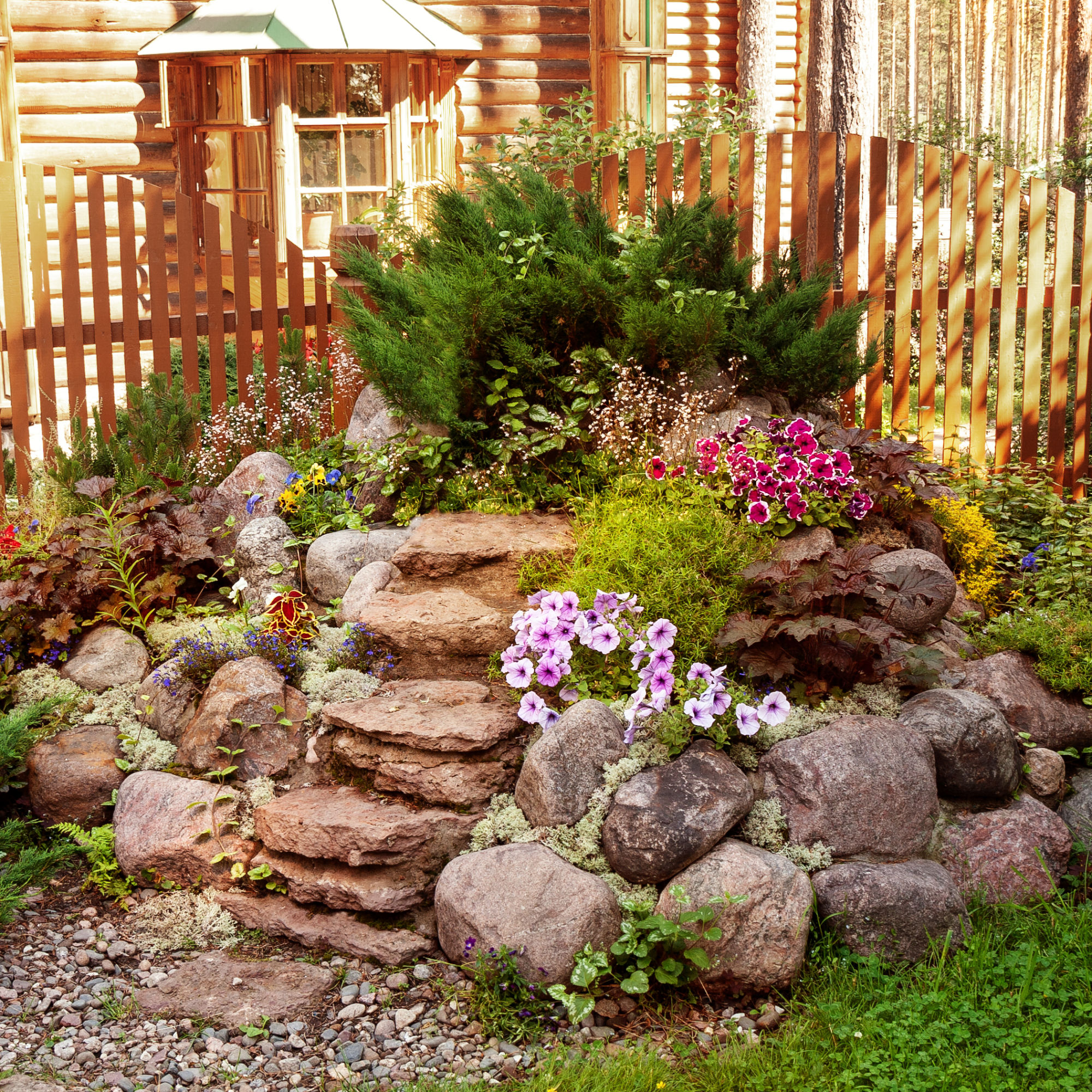
Credit: www.gardeningknowhow.com
Sustainable Gardening Practices
Designing a sustainable garden involves choosing native plants that thrive naturally. Grouping plants with similar water needs conserves resources. Incorporating composting areas supports soil health and reduces waste.
Sustainable gardening practices are essential for creating a garden that thrives while respecting the environment. By adopting eco-friendly methods, you not only contribute to the planet’s health but also create a personal sanctuary that is resilient and harmonious. Let your garden be a reflection of your commitment to sustainability, and discover how these practices can enhance its beauty and productivity.Water Conservation Techniques
Water is a precious resource, and conserving it in your garden is crucial. Consider using drip irrigation systems that deliver water directly to the plant roots, minimizing evaporation and waste. Collecting rainwater can also be a simple yet effective way to water your garden naturally. Mulching is another fantastic technique; it helps retain soil moisture and reduces the need for frequent watering. Imagine the satisfaction of knowing that your garden flourishes with minimal water usage. Have you thought about how much water you could save with a few strategic changes?Organic Gardening Methods
Embrace organic gardening to reduce your reliance on synthetic chemicals, benefiting both your plants and the environment. Start by using compost to enrich your soil naturally; it’s a great way to recycle kitchen and garden waste. This not only improves soil health but also encourages robust plant growth. Natural pest control, such as introducing beneficial insects, can keep your garden healthy without harmful pesticides. Isn’t it amazing how nature provides solutions if we only pay attention? Using organic seeds and plants ensures that your garden remains free from genetically modified organisms. Are you ready to switch to organic gardening and witness the difference in your garden’s vibrancy?Wildlife-friendly Gardens
Creating a garden that welcomes wildlife can transform your outdoor space into a lively ecosystem. Plant native flowers and shrubs that provide food and shelter for local species. Birdhouses and feeders can attract birds, adding life and song to your garden. Consider planting a variety of flowering plants that bloom at different times to offer continuous nectar for pollinators like bees and butterflies. A small pond or water feature can become a habitat for frogs and dragonflies, enriching your garden’s biodiversity. Think about the joy of watching wildlife interact with your garden. How could a few simple changes invite more nature into your space?Maintenance And Care Plans
Maintenance and Care Plans Garden designs require thoughtful planning for ongoing maintenance. Choose plants suited to your climate for easier care. Regularly check for pests, weeds, and soil health to ensure vibrant growth.
Planning a garden involves more than just design. Proper maintenance and care are crucial for a thriving garden. A well-thought-out maintenance plan ensures your garden remains healthy and vibrant. Here, we explore some essential aspects to consider.Seasonal Maintenance Tasks
Gardens require attention through different seasons. Each season brings unique challenges and tasks. In spring, focus on soil preparation and planting. Summer demands regular watering and pest control. Fall is for pruning and clearing debris. Winter calls for protecting plants from frost. A seasonal checklist keeps your garden in top shape.Tools And Equipment Essentials
Having the right tools makes garden care easier. Basic tools include a spade, rake, and pruning shears. A watering can or hose is vital for hydration. Consider investing in a wheelbarrow for transporting materials. Keep tools clean and sharp for best results. Proper storage extends their lifespan.Hiring Professional Help
Sometimes, professional help is needed. Gardeners offer expertise in design and maintenance. Hiring a professional saves time and effort. They provide specialized care for complex garden features. Ensure they have good reviews and are licensed. Discuss your vision and budget with them clearly.Budgeting For Your Garden Design
Planning garden designs requires careful budgeting to balance creativity and cost. Consider plant choices, materials, and labor expenses. Create a detailed plan to track expenses and ensure your garden vision aligns with your budget.
Budgeting for your garden design is a crucial step. It ensures your garden dreams align with your financial reality. By setting a clear budget, you can avoid overspending and ensure each dollar counts. This process involves estimating costs, exploring cost-effective solutions, and choosing between DIY and professional services.Estimating Costs
Begin by listing all necessary garden elements. Include plants, soil, tools, and decorative items. Research prices online or visit local stores. Create a spreadsheet to track these expenses. Don’t forget ongoing costs like water and maintenance. This overview helps in creating a realistic budget.Cost-effective Solutions
Look for ways to save money without compromising quality. Choose native plants as they require less maintenance. Recycle materials like old bricks or stones for pathways. Purchase seeds instead of mature plants. Consider swapping plants with friends or neighbors. These strategies reduce costs while maintaining design integrity.Diy Vs. Professional Services
Decide whether to tackle the project yourself or hire professionals. DIY can save money and offer personal satisfaction. But it requires time and skills. Professional services provide expertise and efficiency. They may be more costly but ensure high-quality results. Weigh the pros and cons based on your budget and timeline.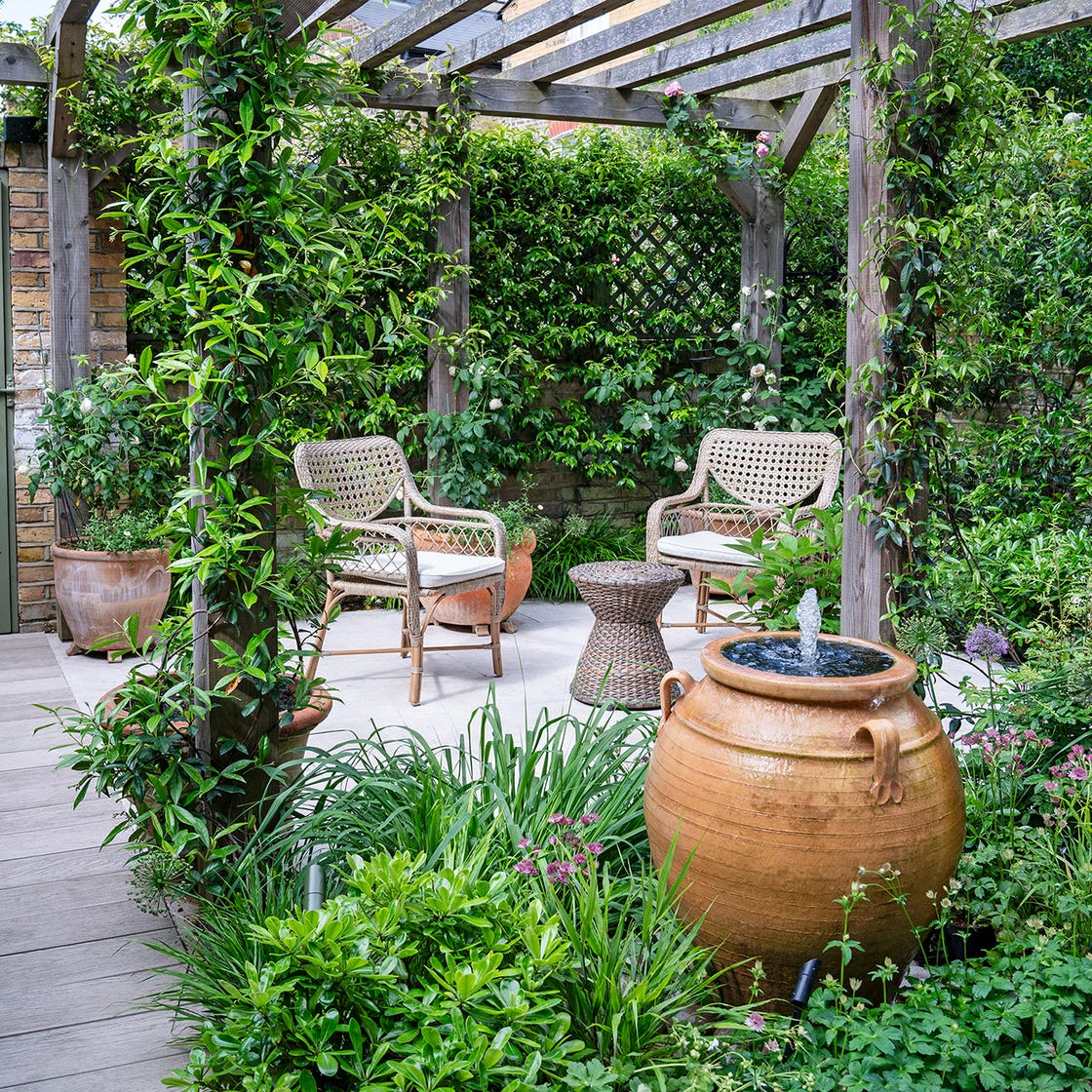
Credit: www.elledecor.com
Frequently Asked Questions
What Are The Basic Garden Design Principles?
Garden design principles include balance, contrast, and harmony. Balance ensures visual stability, while contrast adds interest. Harmony creates a unified look. Use these principles to plan plant placement, pathways, and focal points effectively.
How Do I Choose The Right Plants?
Choose plants based on your climate, soil type, and sunlight. Consider their growth patterns and maintenance needs. Select varieties that complement each other visually and functionally, ensuring a balanced and sustainable garden.
How Can I Make My Garden Low Maintenance?
Opt for native plants and perennials, which require less care. Implement efficient irrigation systems and mulching to conserve water. Design paths and borders to reduce lawn size, minimizing mowing and upkeep.
What Is The Importance Of Garden Layout?
A well-thought-out layout maximizes space, enhances beauty, and improves functionality. Consider accessibility, plant growth, and sunlight exposure. Proper layout ensures efficient use of space and easy maintenance.
Conclusion
Creating your garden design can be a joyful experience. Start small and build gradually. Observe your space closely. Choose plants that fit your climate. Arrange them for color and texture. Plan for seasons and growth. Use paths to guide visitors.
Include relaxing spots for rest. Balance beauty with functionality. Remember, gardens reflect personal style. Adjust and experiment as needed. Enjoy watching your vision grow. Gardening connects you with nature. Celebrate your unique space. Let your garden inspire and calm. With thoughtful planning, your garden will thrive.
Enjoy the journey and each bloom.