Are you dreaming of lush greenery while the world outside is blanketed in snow? Don’t let winter’s chill stop you from cultivating your green paradise indoors.
Planning a garden inside your home during the colder months is not only possible, but it can be incredibly rewarding. Imagine the joy of nurturing vibrant plants that brighten your space and spirit as the days grow shorter. You can turn your home into a serene escape filled with thriving life, even when it’s freezing outside.
You’ll discover easy-to-follow steps to start your indoor garden journey. Are you ready to transform your home into a winter wonderland of growth? Keep reading to find out how you can create your own indoor oasis, no matter the season.
Choosing The Right Space
Choosing the right space for your indoor garden during winter is crucial for its success. The area you select will determine how well your plants grow and thrive in the colder months. By focusing on light conditions and maximizing the space you have, you can create a flourishing indoor oasis.
Assessing Light Conditions
Light is a key factor in plant growth, especially indoors during winter when daylight is limited. Identify areas in your home that receive the most sunlight. South-facing windows are typically the best choice as they offer the most natural light throughout the day.
If your chosen space lacks natural light, consider using grow lights. These can mimic sunlight and provide your plants with the necessary light spectrum for photosynthesis. You might be surprised at how well plants can thrive under artificial light.
Space Constraints And Solutions
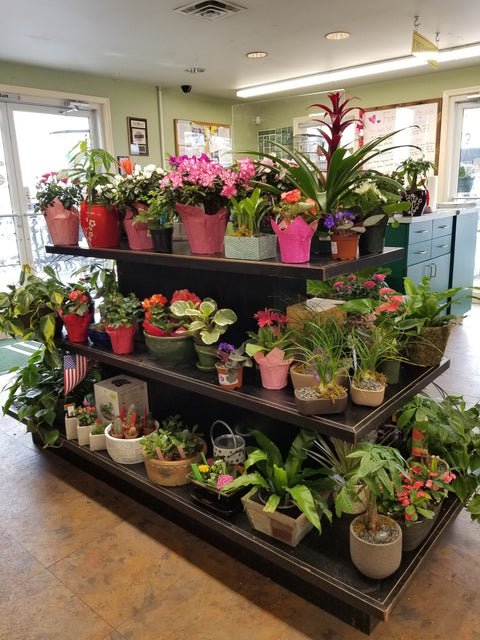
Limited space doesn’t mean you can’t have a beautiful indoor garden. Think vertically to maximize space. Shelving units or hanging planters can be great solutions for small spaces.
Container gardening is another flexible option. Choose pots that fit your available space and arrange them in clusters to create a vibrant display. Even a small windowsill can become a lush garden with the right arrangement.
Consider multi-purpose furniture. A bench with built-in planters or a table that doubles as a plant stand can blend seamlessly into your living area while providing room for your greenery.
Have you considered how much space you’re willing to dedicate to your indoor garden? Balancing aesthetics and practicality can lead to creative solutions you might not have initially imagined.
Selecting Suitable Plants
Planning a garden indoors during winter can be a delightful project. However, selecting suitable plants is crucial to your garden’s success. Not all plants thrive indoors, especially during the colder months. Choosing the right ones can make your indoor garden a vibrant oasis even when it’s freezing outside.
Best Indoor Plants For Winter
Some plants are better suited for indoor environments during winter. Consider low-light tolerant varieties like pothosand snake plantsthat can thrive without direct sunlight. Succulentssuch as jade plants also make great choices due to their low water needs.
- Peace Lily: Known for its air-purifying qualities, it’s perfect for indoor gardening.
- Spider Plant: Requires minimal care and adds a touch of green to your space.
- Philodendron: Its heart-shaped leaves bring a tropical feel to your home.
These plants not only survive but often flourish indoors, making them ideal for winter gardening.
Understanding Plant Needs
Each plant has unique requirements that you need to consider. Light, water, and temperature are key factors. For instance, while succulents prefer bright, indirect light and minimal watering, ferns thrive in more humid conditions.
Have you considered how much light your indoor space offers? Place light-loving plants near windows, while low-light plants can thrive in dimmer areas. Watering needs vary, so ensure you understand each plant’s preference—overwatering is a common mistake.
Temperature plays a significant role in plant health. Many indoor plants prefer temperatures between 65-75°F. Keep them away from drafty windows or heating vents to maintain a stable environment.
By understanding these needs, you can ensure that your indoor garden not only survives but thrives throughout the winter months. What adjustments can you make to create an ideal habitat for your plants? Consider experimenting with different plant types to see what works best for your indoor environment.
Essential Gardening Tools
Planning an indoor garden during winter requires essential tools like grow lights, pots, and nutrient-rich soil. These tools ensure plants receive adequate light and nutrients, fostering healthy growth indoors.
Planning an indoor garden during winter brings joy and life to your home. Creating a vibrant space requires the right tools. These tools make planting, nurturing, and maintaining indoor plants easier. With the right equipment, your indoor garden can thrive even in cold months. Explore basic tools for beginners and advanced options for enthusiasts.Basic Tools For Indoor Gardening
Having the right basic tools simplifies indoor gardening. Essentials include:- Watering can: A small, manageable can helps control water flow.
- Hand trowel: A trowel is perfect for digging and planting.
- Pruning shears: These shears keep your plants neat and healthy.
- Gardening gloves: Protect your hands from dirt and thorns.
- Plant labels: Use labels to identify different plants easily.
Advanced Tools For Enthusiasts
For those passionate about indoor gardening, advanced tools offer more precision. Consider investing in:- Grow lights: These lights provide essential light for plant growth.
- Moisture meter: Measure soil moisture levels accurately.
- Hydroponic systems: Advanced systems allow soilless gardening.
- Automatic watering systems: These systems reduce manual watering tasks.
- Plant humidifier: Maintain humidity levels for tropical plants.
Creating Optimal Growing Conditions
Planning an indoor winter garden involves selecting the right plants and ensuring they receive ample light. Proper temperature and humidity levels are crucial for plant health. Regular watering and nutrient-rich soil also help create a thriving indoor garden.
Creating an indoor garden during winter can be a rewarding endeavor, but it requires careful planning to ensure your plants thrive. By focusing on creating optimal growing conditions, you can turn your indoor space into a lush haven. Whether it’s controlling the temperature or maximizing light exposure, each aspect plays a crucial role.Temperature And Humidity Control
Maintaining a consistent temperature is vital for your plants’ growth. Most indoor plants prefer temperatures between 65-75°F. Use a reliable thermostat to monitor and adjust the heat as needed. Humidity is equally important. Winter air is often dry, which can stress plants. Consider using a humidifier to keep moisture levels between 40-60%. You can also group plants together to create a microclimate, which naturally boosts humidity.Maximizing Light Exposure
Winter months mean less sunlight, which can affect your garden. Position your plants near windows that receive the most light. South-facing windows are ideal. If natural light is scarce, invest in grow lights. These mimic the sun’s rays and can be adjusted to suit your plants’ needs. LED grow lights are energy-efficient and effective for various plant types. Think about arranging your plants on shelves or tables to ensure each gets adequate light. Sometimes, a simple rearrangement can make a big difference. Have you ever noticed how a plant seems to perk up after a move? Finding the right spot can transform your indoor garden.Plant Care Techniques
During winter, indoor gardening becomes a delightful escape from the cold and barren landscapes outside. However, maintaining the health of your indoor plants requires a bit of knowledge and attention. Understanding the essential plant care techniques ensures that your green oasis thrives even when the weather outside is less than friendly.
Watering And Feeding
Watering your indoor garden during winter is all about balance. Overwatering can lead to root rot, while underwatering can leave plants dry and wilted. Check the soil moisture by sticking your finger about an inch into the soil; if it feels dry, it’s time to water.
Consider using room-temperature water to avoid shocking your plants. Feeding indoor plants during winter might seem unnecessary, but they still need nutrients to stay healthy. Opt for a balanced liquid fertilizer once a month to keep them nourished.
Pruning And Maintenance
Pruning helps your indoor plants maintain shape and encourages new growth. Trim away any dead or yellowing leaves to prevent disease and improve airflow around the plant. Regular maintenance includes dusting leaves with a damp cloth to ensure they can photosynthesize efficiently.
Have you ever noticed your plants leaning towards a window? This is a sign they need more light. Rotate them regularly to ensure even growth on all sides.
Is there a particular plant care technique you find challenging during the colder months? Share your experiences and tips in the comments below to help fellow indoor gardeners.

Credit: www.linkedin.com
Preventing Common Problems
Plan an indoor garden during winter by choosing the right space with ample light. Select suitable plants for indoor growth and use quality soil. Regularly monitor temperature and humidity to prevent common gardening issues.
Preventing Common Problems Planning an indoor garden during winter can be a rewarding experience, but it comes with its own set of challenges. One of the most common issues gardeners face is keeping their plants healthy amidst the limited sunlight and fluctuating indoor temperatures. Addressing potential problems early on can save you time and effort in the long run. Understanding how to prevent common problems, such as pests and diseases, will help you maintain a thriving indoor garden throughout the colder months. Let’s delve into specific strategies to keep your plants healthy and robust.Pest Control Strategies
Pests can become a significant nuisance in an indoor garden. To keep them at bay, start by regularly inspecting your plants for any signs of infestation. Look for discolored leaves, sticky residue, or tiny bugs on the undersides of leaves. If you do spot pests, consider using natural remedies. Neem oil is an effective and safe option for controlling a variety of pests. Simply dilute it with water and spray on affected areas. Keeping your indoor garden clean also helps. Dust can attract pests, so make it a habit to wipe down leaves with a damp cloth. This not only deters insects but also allows your plants to breathe better.Identifying And Treating Plant Diseases
Diseases can spread quickly in the confined space of an indoor garden. Early detection is key to managing plant health. Regularly check for signs like wilting, yellowing leaves, or unusual spots. Once you identify a problem, act swiftly to treat it. For fungal diseases, consider using a fungicide specifically designed for indoor use. Follow the instructions carefully to avoid harming your plants. Another effective approach is to ensure proper air circulation. Overcrowding plants can lead to increased humidity, which is a breeding ground for diseases. Space your plants adequately and, if needed, use a small fan to keep air moving. Maintaining a healthy indoor garden during winter might seem daunting, but with these strategies, you’re well-equipped to tackle any issues head-on. What other challenges have you faced in your gardening journey? Share your experiences and solutions in the comments below!Incorporating Design Elements
Incorporating design elements brings warmth and beauty to indoor gardens during winter. Use colorful pots and creative layouts to enhance your space.
Planning an indoor garden during winter is an exciting venture that requires a blend of creativity and functionality. Incorporating design elements into your indoor garden not only enhances the visual appeal but also ensures your plants thrive in a harmonious environment. Thoughtful design choices can transform a simple setup into a lush, inviting oasis, offering a perfect escape from the chilly outdoors.Aesthetic Arrangements
Arranging plants aesthetically can dramatically change the mood of your indoor space. Consider the colors and textures of your plants. Mixing leafy greens with vibrant blooms can create a lively contrast. Height variation is another key element. Place taller plants at the back and shorter ones at the front to create depth. This simple technique can make your indoor garden more dynamic and engaging. Don’t forget to consider how light interacts with your arrangement. Position plants to take advantage of natural light, enhancing their growth and showcasing their beauty.Using Decorative Containers
Decorative containers can elevate the look of your indoor garden significantly. Choose pots that match or complement your home decor. This cohesion can make your space feel more unified and intentional. Materials matter too. Clay pots have a rustic charm, while metal or glass containers offer a modern, sleek look. Consider how these materials interact with your overall design. Think about using containers of different shapes and sizes. This variety can add an element of surprise and keep your garden visually interesting. What happens if you blend aesthetics with function in your garden design? You create a space that is not only beautiful but also a reflection of your personal style and creativity.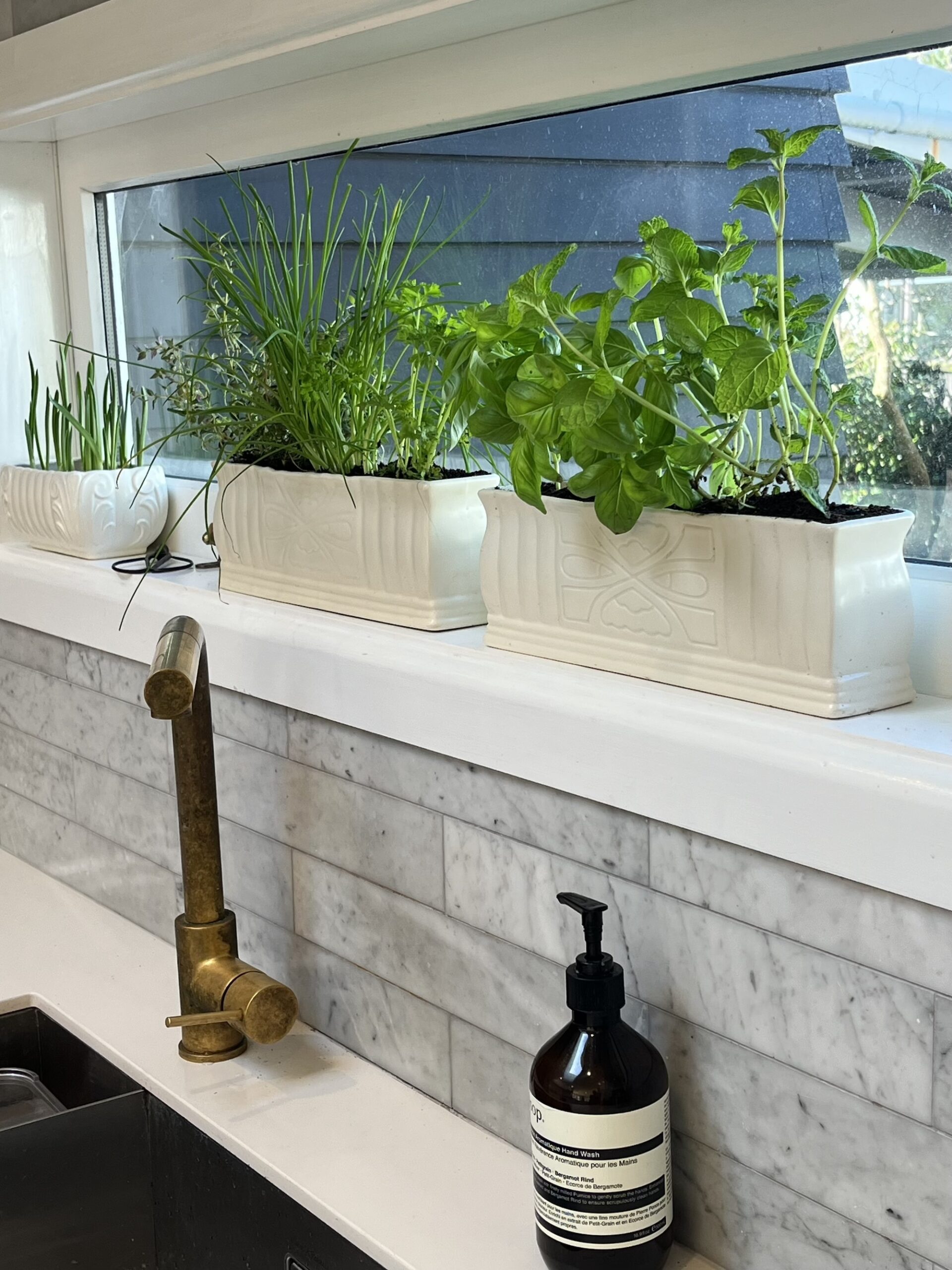
Credit: www.thesagejournal.com
Sustainability Practices
Creating an indoor garden during winter can be a rewarding experience. It’s an opportunity to embrace sustainability practices. These practices help reduce waste and conserve resources. They also enhance the health of your indoor plants. By adopting eco-friendly methods, your garden can thrive and support the environment.
Eco-friendly Materials
Use recycled containers for your plants. Old jars, cans, and bottles make great pots. Choose organic soil and fertilizers. They are free from harmful chemicals. Opt for LED grow lights. They consume less energy and last longer. Bamboo and cork are sustainable materials for plant stands and tools. These choices reduce your carbon footprint and support green living.
Composting Indoors
Composting indoors is a simple process. Start with a small compost bin. Keep it in a corner of your kitchen. Use kitchen scraps like fruit peels and coffee grounds. Avoid meat and dairy products. They can attract pests and cause odor. Turn the compost weekly for aeration. In a few weeks, you’ll have rich compost. Use it to nourish your indoor plants naturally.

Credit: www.facebook.com
Frequently Asked Questions
How Can I Start An Indoor Garden In Winter?
Starting an indoor garden in winter is easy. Choose the right plants for indoor growth, like herbs or succulents. Use containers with good drainage. Ensure they receive adequate light, possibly with grow lights. Maintain a consistent temperature and water them as needed.
Regularly check for pests.
What Are The Best Plants For Indoor Winter Gardens?
The best plants for indoor winter gardens include herbs, succulents, and leafy greens. Herbs like basil, mint, and parsley thrive indoors. Succulents need little care and are perfect for winter. Leafy greens such as lettuce and spinach grow well with proper light and temperature control.
How Do I Ensure Enough Light For My Indoor Garden?
Ensure enough light for your indoor garden by placing plants near south-facing windows. If natural light is insufficient, use grow lights to supplement. LED grow lights are energy-efficient and effective. Adjust the light duration based on the plant type, usually between 12-16 hours daily.
What Type Of Soil Is Best For Indoor Gardening?
Use a well-draining potting mix for indoor gardening. Avoid garden soil, which can compact and hinder root growth. Opt for a mix containing peat moss, perlite, and vermiculite. These components ensure good aeration and drainage. Amend the soil with organic matter for added nutrients.
Conclusion
Creating an indoor garden during winter is simple and rewarding. Choose plants that thrive indoors. Arrange them where they get enough light. Water them regularly but avoid overwatering. Indoor plants need care and attention. Watch them grow and enjoy their beauty.
Gardening brings joy and peace. You can escape the cold and connect with nature. Experiment with different plants and setups. Each plant adds life to your home. Indoor gardening in winter is a delightful hobby. Start today and enjoy nature indoors.
Your winter garden awaits!