Are you tired of your garden looking messy and chaotic? Organizing your garden plants can transform your outdoor space into a beautiful, relaxing haven.
When your plants are arranged thoughtfully, they not only look better but also grow healthier. Imagine stepping into your garden and instantly feeling calm and inspired. You’ll discover simple, effective ways to organize your garden plants so you can enjoy a vibrant and tidy garden all year round.
Keep reading to unlock easy tips that will make your gardening experience more enjoyable and rewarding.
Choosing The Right Plants
Choosing plants for your garden starts with understanding what grows best in your area. You should think about the climate, soil, and sunlight.
Picking the right plants helps them thrive and keeps your garden healthy and beautiful.
Assessing Climate And Soil
Climate and soil type are key to plant success. Some plants like warm weather, others grow well in cooler places. Soil can be sandy, clay, or loamy. Each type holds water and nutrients differently.
- Check your area’s average temperature and rainfall
- Test soil texture and pH level
- Choose plants that match your soil and climate
Selecting Plants By Sunlight Needs
Plants need different amounts of sunlight. Some grow well in full sun, while others prefer shade. Knowing how much sun your garden gets is important.
| Sunlight Type | Plant Examples | Garden Location |
| Full Sun (6+ hours) | Tomatoes, Lavender, Roses | Open areas with no shade |
| Partial Sun/Shade (3-6 hours) | Hostas, Ferns, Impatiens | Near trees or buildings |
| Full Shade (Less than 3 hours) | Ferns, Moss, Bleeding Heart | Under dense tree cover |
Considering Plant Sizes And Growth
Plants grow to different sizes. Some stay small, others become tall or wide. Plan your garden space so plants have room to grow.
Tips for managing plant sizes:
- Know the mature height and spread of each plant
- Place tall plants at the back or center
- Allow enough space between plants to avoid crowding
- Use pruning to control growth if needed
Planning Your Garden Layout
Organizing your garden plants well helps them grow strong and healthy. A good plan saves time and water.
Start by thinking about where to place each plant. This makes your garden look neat and easy to care for.
Mapping Your Garden Space
Draw a simple map of your garden area on paper. Mark the size and shape of the space.
Note where the sun shines the most and where there is shade. Also, mark paths and existing plants.
- Measure garden length and width
- Mark sunny and shady spots
- Include paths and fences
- Note water sources
Grouping Plants By Water Requirements
Put plants that need the same amount of water together. This helps you water efficiently and avoid waste.
Group drought-tolerant plants in dry spots. Place thirsty plants near water sources or in shaded areas.
- Low water plants like succulents and herbs
- Medium water plants like vegetables and flowers
- High water plants like ferns and some vegetables
Designing For Seasonal Blooms
Choose plants that bloom in different seasons. This keeps your garden colorful all year round.
Plan so one plant’s bloom ends when another starts. This gives your garden fresh flowers in every season.
| Season | Example Plants |
|---|---|
| Spring | Tulips, Daffodils, Pansies |
| Summer | Sunflowers, Marigolds, Zinnias |
| Fall | Asters, Chrysanthemums, Sedum |
| Winter | Hellebores, Camellias, Winter Jasmine |
Creating Functional Zones
Organizing your garden is important for healthy plant growth. Creating functional zones helps plants thrive.
Dividing your garden into sections makes maintenance easier. It also enhances the garden’s visual appeal.
Defining Flower Beds And Vegetable Patches
Flower beds need sunlight to bloom well. Choose a sunny spot for them.
Vegetable patches need good soil. Rotate crops each year for better soil health.
- Pick sunny spots for flowers
- Use rich soil for vegetables
- Rotate crops annually
Incorporating Pathways And Access
Pathways help you reach plants easily. They also prevent soil compaction.
Use stepping stones or gravel for paths. This keeps your garden neat and tidy.
- Plan paths for easy access
- Use stepping stones or gravel
- Keep paths clear and clean
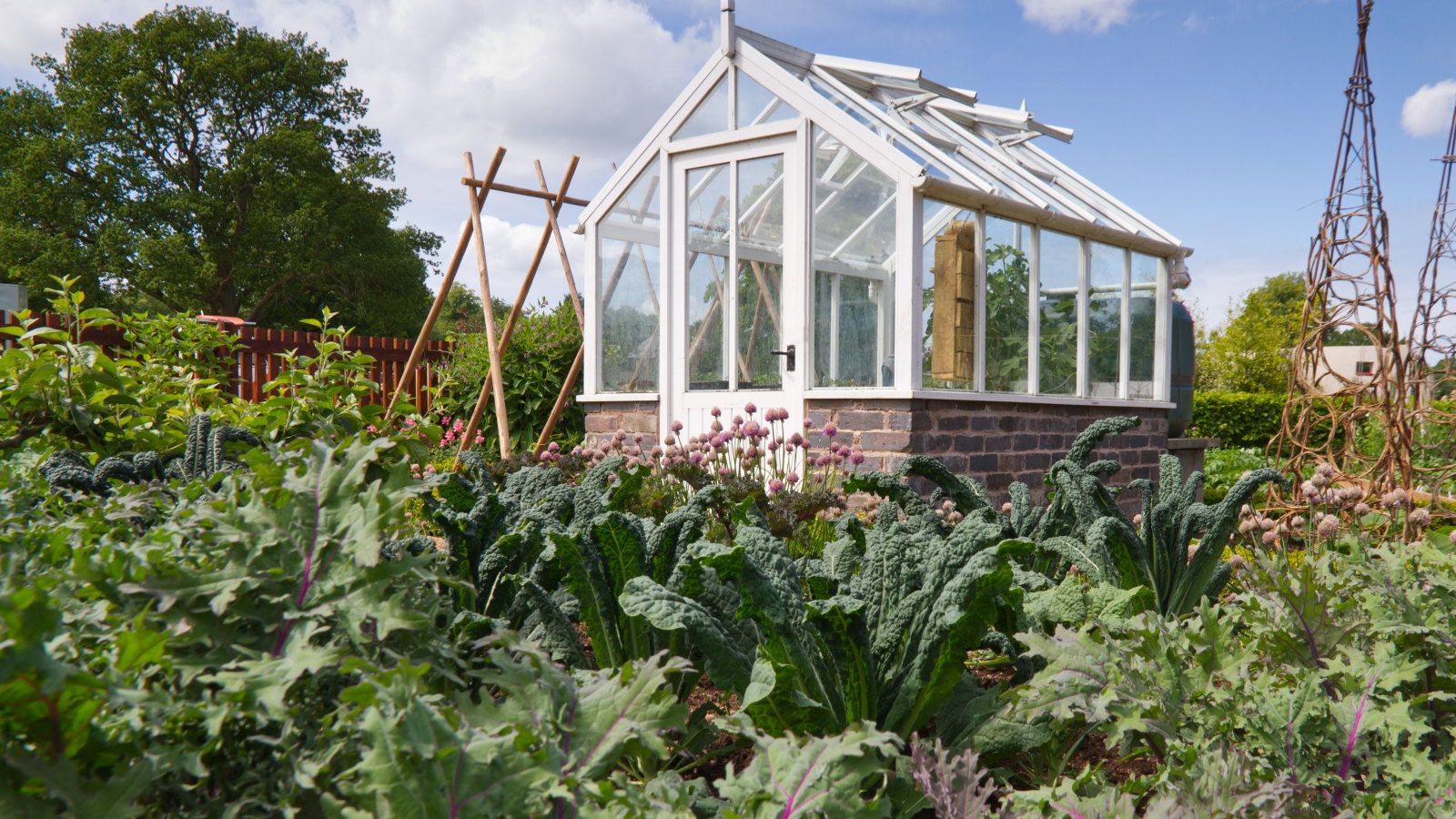
Setting Up Shade And Windbreak Areas
Some plants need shade to grow. Use tall plants to create shade areas.
Windbreaks protect plants from strong winds. Plant shrubs or build fences for wind protection.
- Create shade with tall plants
- Use shrubs for windbreaks
- Protect delicate plants from wind
Credit: www.homesandgardens.com
Using Containers And Raised Beds
Organizing your garden plants helps keep your space neat and healthy. Containers and raised beds are great tools for this task.
These methods make it easy to control soil, water, and plant placement. They work well for small or large gardens.
Benefits Of Container Gardening
Container gardening lets you grow plants in small spaces. It is perfect for patios, balconies, or limited yards.
Containers also improve soil drainage and reduce weeds. You can move plants to catch sunlight or avoid bad weather.
- Fits small or limited spaces
- Controls soil quality and moisture
- Reduces weeds and pests
- Allows easy plant movement
- Good for beginners and experts
Choosing Materials And Sizes
Pick container materials that match your garden style and plant needs. Common options include plastic, clay, wood, and metal.
Size matters. Use larger containers for big plants and smaller ones for herbs or flowers. Make sure containers have drainage holes.
- Plastic: lightweight and affordable
- Clay: porous and good for dry climates
- Wood: natural look but may rot
- Metal: durable but can heat soil
- Large sizes for vegetables and shrubs
- Small sizes for herbs and annuals
Arranging Containers For Visual Appeal
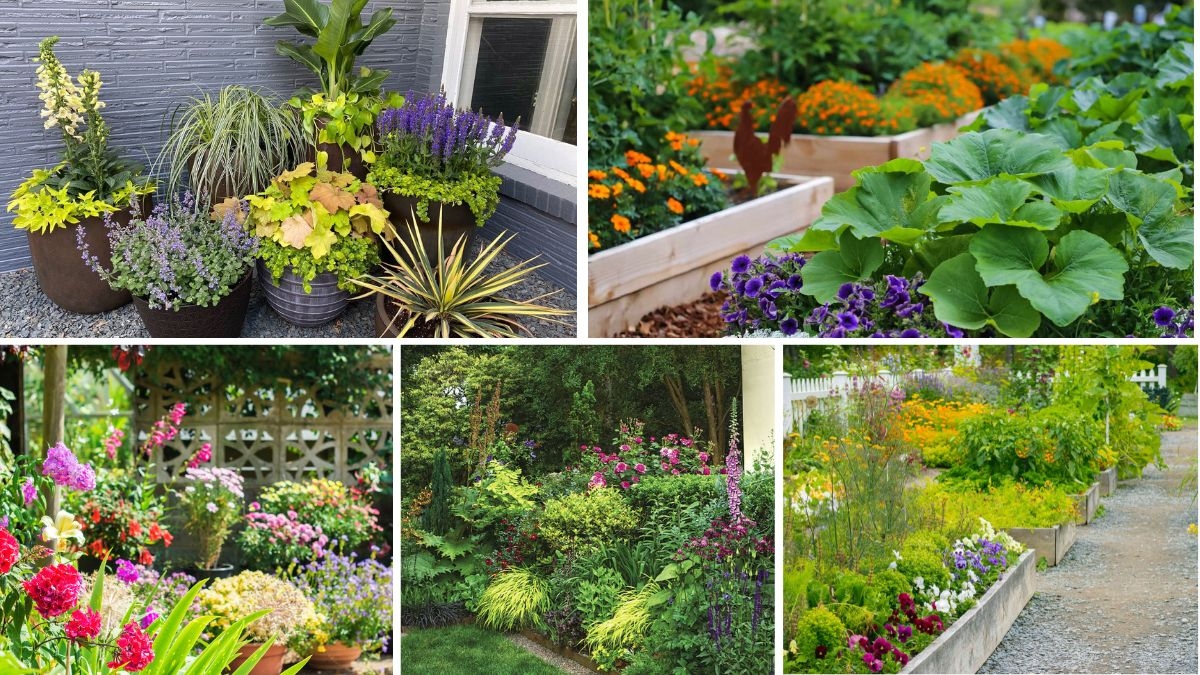
Place containers to create balance and interest. Use different heights and sizes to add depth and layers.
Group plants with similar water needs. Add trailing plants on edges for a soft look. Leave space to walk and care for plants.
- Mix tall, medium, and short plants
- Cluster containers by plant type
- Use color contrasts for impact
- Keep pathways clear
- Add decorative pots for charm
Maintaining Plant Health
Keeping your garden plants healthy helps them grow strong and look great. Healthy plants resist diseases and give better blooms or fruits.
Good care includes watering, feeding, pruning, and checking for pests. These steps keep plants happy and thriving.
Watering Strategies For Different Plants
Different plants need different amounts of water. Some like moist soil while others prefer dry conditions.
Water plants early in the morning or late in the evening. This reduces water loss and helps plants absorb moisture.
- Succulents and cacti need little water
- Vegetables and flowers often need daily watering
- Use drip irrigation for deep watering
- Check soil moisture before watering
Fertilizing And Soil Care
Plants get nutrients from the soil. Adding fertilizer helps replace nutrients that plants use up.
Use compost or organic fertilizers to improve soil health. Good soil holds water and nutrients well.
- Test soil pH for best plant growth
- Apply fertilizer during growing seasons
- Mix compost into soil before planting
- Avoid over-fertilizing to prevent damage
Pruning And Pest Control Tips
Pruning removes dead or crowded branches. This helps plants get more light and air.
Check plants often for insects or disease signs. Early action stops problems from spreading.
- Use clean, sharp tools for pruning
- Remove damaged leaves and stems
- Introduce beneficial insects like ladybugs
- Use natural pest sprays if needed
Credit: brindavanagardens.com
Enhancing Aesthetic Appeal
Organizing your garden plants can create a beautiful and inviting space. A well-arranged garden looks lively and feels peaceful. You can use colors, shapes, and heights to make your garden stand out.
Adding design elements and using smart gardening techniques help improve the look of your plants. This guide focuses on simple ways to enhance your garden’s appeal.
Combining Colors And Textures
Mixing different colors and textures adds depth and interest to your garden. Bright flowers can bring energy, while soft leaves create calmness. Combining rough and smooth textures also attracts attention.
- Use contrasting colors like red and green for visual impact.
- Pair plants with large leaves and fine foliage for texture balance.
- Include flowering plants with different bloom times for ongoing color.
- Group plants with similar colors for a harmonious look.
Adding Decorative Elements
Decorative items give your garden personality and charm. Choose pieces that match your garden’s style. These elements can make the space more inviting and playful.
| Decorative Element | Purpose | Placement Tips |
| Garden Statues | Add character and focus | Near flower beds or pathways |
| Colorful Pots | Brighten dull corners | Group in clusters for effect |
| Bird Feeders | Attract wildlife | Hang from trees or poles |
| Garden Lights | Create ambiance | Line walkways or highlight plants |
Using Vertical Gardening Techniques
Vertical gardening saves space and adds height to your garden. It lets you grow more plants in smaller areas. You can use walls, fences, and trellises for support.
- Install hanging planters to display trailing flowers.
- Use trellises for climbing plants like beans or roses.
- Build a vertical garden wall with pockets for herbs and succulents.
- Place shelves outdoors to hold pots at different levels.
Credit: www.extraspace.com
Frequently Asked Questions
How Do I Start Organizing My Garden Plants?
Begin by categorizing plants based on sunlight, water needs, and growth size. This helps create a balanced layout and ensures healthy growth.
What Tools Help In Garden Plant Organization?
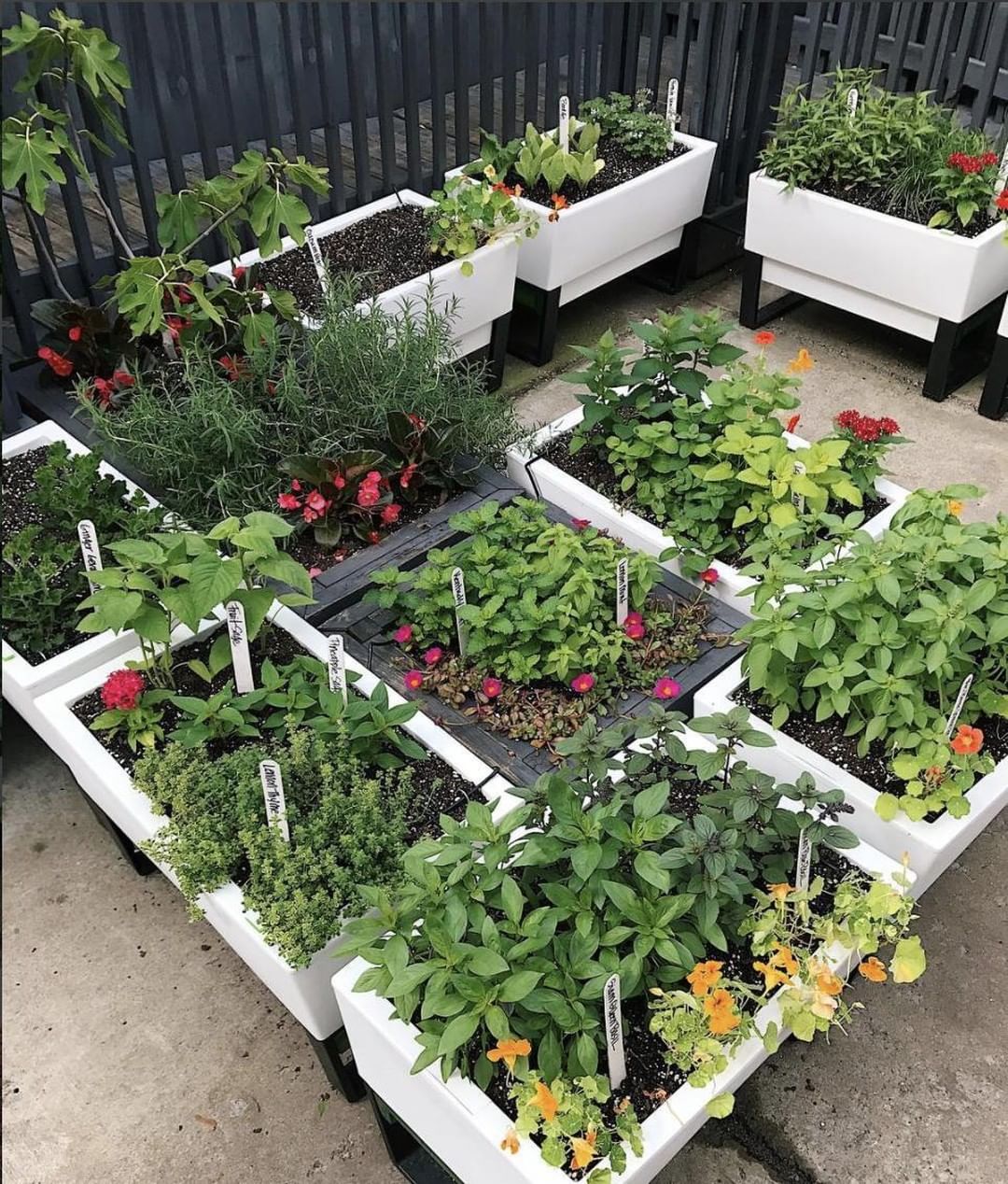
Use plant markers, garden planners, and raised beds to organize plants. These tools simplify maintenance and improve garden aesthetics.
How Often Should I Rearrange Garden Plants?
Rearrange plants seasonally or yearly based on growth and sunlight changes. Regular updates keep your garden thriving and visually appealing.
Can Grouping Plants Improve Garden Health?
Yes, grouping compatible plants enhances pest control and soil nutrients. Companion planting boosts overall garden health and yields.
Conclusion
Organizing your garden plants makes care easier and helps them grow strong. Group plants by sunlight and water needs for best results. Clear paths and tidy beds create a peaceful space. Small steps, like labeling plants, save time later. Enjoy watching your garden bloom with order and care.
A well-planned garden brings joy every day. Start simple and build your garden’s beauty over time.