Imagine stepping into your garden and experiencing a burst of color, texture, and life, all without the hassle of maintaining a traditional grass lawn. You might be wondering how to minimize grass in your garden designs while enhancing beauty and sustainability.
The good news is, you’re about to discover simple and effective strategies to transform your outdoor space into a stunning, low-maintenance paradise. You’ll learn how to make your garden more eco-friendly, save time on upkeep, and create a unique design that stands out.
Whether you’re tired of mowing every weekend or looking to reduce water usage, the solutions here will help you achieve a vibrant garden that aligns with your lifestyle and values. Get ready to explore creative alternatives that will not only improve your garden’s aesthetics but also provide a haven for local wildlife and pollinators. Your dream garden is just a few steps away—keep reading to unlock its full potential!
Credit: www.extraspace.com
Native Plant Alternatives
Explore native plant alternatives to reduce grass in garden designs. Native plants offer diverse textures and colors, enhancing garden aesthetics. They also require less water and maintenance, creating sustainable landscapes.
Incorporating native plant alternatives into your garden design is a smart way to reduce grass coverage while enhancing biodiversity. Native plants are those that have evolved naturally in your region. They are well-adapted to the local climate and soil, requiring less water and maintenance. This makes them an excellent choice for a garden that is both beautiful and eco-friendly.Why Choose Native Plants?
Native plants offer numerous benefits beyond just reducing grass. They attract local wildlife, providing food and habitat for birds, butterflies, and bees. Imagine walking through your garden while colorful butterflies flit around. These plants also tend to be more resilient to pests and diseases compared to non-native species.How To Select The Right Native Plants
Start by researching which plants are native to your area. Visit local nurseries or consult with gardening experts. You’ll find a variety of options, from flowering perennials to shrubs and trees. The key is to choose plants that suit your garden’s sunlight and soil conditions.Design Ideas With Native Plants
Consider creating a layered look by mixing different heights and textures. Use taller grasses or shrubs as a backdrop and place smaller flowering plants in the foreground. This not only adds visual interest but also mimics natural ecosystems.Maintenance Tips For Native Plant Gardens
Once established, native plants require minimal care. However, regular weeding and mulching can help them thrive. Watering is necessary during dry spells, but overall, these plants are more forgiving than traditional lawns.Personal Experience With Native Plants
Years ago, I transformed my lawn-dominated garden into a haven of native plants. The transformation was incredible—not only did it reduce my water bill, but it also turned my yard into a vibrant habitat. Watching birds and butterflies enjoy the space was the ultimate reward. Are you ready to see your garden come alive with native beauty?Ground Cover Options
Ground cover plants offer a practical solution for minimizing grass in gardens. These plants spread quickly, covering soil and reducing maintenance needs. They provide a lush, green appearance without the hassle of frequent mowing. Let’s explore some options that suit different garden styles and preferences.
Low-maintenance Varieties
Low-maintenance ground covers are perfect for busy gardeners. These plants require little care but deliver great results. Consider these options:
- Creeping Thyme:This plant is drought-tolerant and emits a pleasant scent.
- Sedum:Known for its ability to thrive in poor soil conditions.
- Vinca Minor:Offers evergreen leaves and vibrant purple flowers.
These varieties save time and effort, making garden upkeep a breeze.
Colorful Choices
Colorful ground covers add visual interest to any garden. They offer more than just green foliage. Consider these vibrant options:
- Ajuga:Displays rich purple leaves and striking blue flowers.
- Heuchera:Known for its wide range of leaf colors, from red to lime.
- Lamium:Features silver-variegated leaves and pink or purple blooms.
These plants create eye-catching garden displays, enhancing curb appeal.
Hardscaping Ideas
Transforming your garden design by minimizing grass can enhance its beauty. Hardscaping offers a practical and visually appealing solution. It involves using non-living elements, providing structure and definition. This approach reduces lawn maintenance while adding unique features.
Patios And Pathways
Patios serve as an excellent alternative to grassy areas. They create a comfortable space for relaxation and gatherings. Use materials like stone, brick, or concrete to build a durable surface. Consider patterns and colors that blend with your garden’s theme. Pathways can guide visitors through the garden, reducing foot traffic on grass. Gravel, stepping stones, or wood planks make attractive pathway materials. Curved pathways can add a sense of mystery and exploration.
Decorative Stone Features
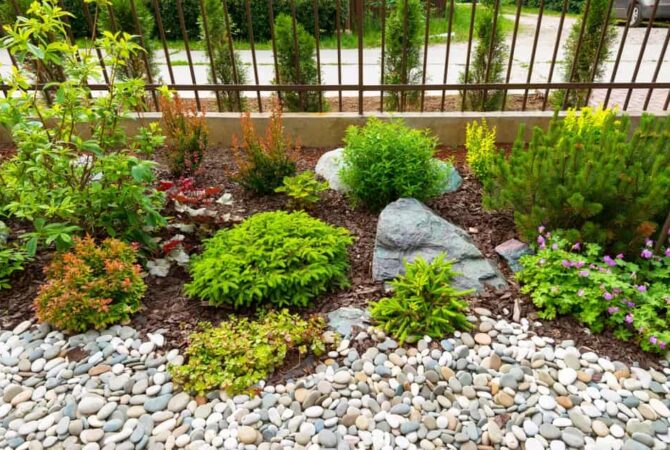
Decorative stones add texture and interest to garden designs. They offer a low-maintenance alternative to traditional grass. Use stones to create borders or focal points in your garden. Rock gardens, for example, showcase an array of stones and plants. They require minimal watering and upkeep. Pebble mosaics can add artistic flair to your outdoor space. Arrange them in patterns for a visually striking effect.

Credit: www.hgtv.com
Vertical Gardening Techniques
Vertical gardening offers a smart way to reduce grass in garden designs. Utilize walls and fences to grow plants vertically, saving ground space. Employ hanging pots and tiered shelves to create lush, green landscapes without extensive grass areas.
Vertical gardening techniques can transform your garden into a lush, green paradise. They save space and reduce grass use, offering a unique aesthetic. Perfect for small gardens or urban areas, vertical gardens provide beauty and practicality. Let’s explore two popular techniques: wall planters and hanging gardens.Wall Planters
Wall planters turn ordinary walls into vibrant green displays. They use vertical space, minimizing grass in your garden. Choose plants that thrive in vertical environments. Ferns, succulents, and herbs work well. Install wall planters by securing them to sturdy surfaces. Use lightweight materials to prevent damage. Regular watering is essential for plant health. Automated irrigation systems can simplify this task. Wall planters offer a stunning, eco-friendly solution for any garden space.Hanging Gardens
Hanging gardens add charm and depth to garden designs. They suspend plants in the air, maximizing ground space. Use baskets, containers, or recycled materials for hanging gardens. Choose plants with trailing habits for a cascading effect. Petunias, ivy, and fuchsias make excellent choices. Ensure proper drainage to prevent waterlogging. Regular maintenance keeps hanging gardens thriving. They create a dynamic and visually appealing garden atmosphere.Water Features
Incorporate water features like fountains or small ponds to reduce grass in garden designs. They add beauty and require less maintenance. Plus, they create a calming atmosphere.
Water features are a captivating way to minimize grass in your garden designs. Incorporating elements like fountains, ponds, and streams can transform an ordinary space into a serene oasis. Not only do they add aesthetic appeal, but they also attract birds and other wildlife, creating a vibrant ecosystem.Fountains And Ponds
Fountains and ponds are excellent choices for adding dynamic interest to your garden. The gentle sound of trickling water from a fountain can create a peaceful atmosphere, perfect for relaxation. Ponds, on the other hand, can serve as a habitat for fish and aquatic plants, bringing a slice of nature to your doorstep. Consider the size and style of your garden when choosing a fountain or pond. A small, elegant fountain might suit a cozy courtyard, while a larger pond could be the centerpiece of a sprawling backyard. Do you prefer the classic look of a stone fountain, or does a modern, minimalist design speak to your style?Stream Installations
Stream installations offer a unique way to integrate water into your garden. They can mimic the appearance of a natural brook, meandering through your landscape and connecting various garden elements. Streams are particularly effective in sloped gardens, where water can flow naturally downhill. Imagine a gentle stream cascading over rocks, creating a soothing soundscape. It’s an ideal solution for reducing grass areas while enhancing the visual and sensory appeal of your garden. Adding a stream can also improve water drainage in your garden, helping to prevent soggy patches and promoting healthier plant growth. Have you considered how a stream might change the dynamics of your garden?:max_bytes(150000):strip_icc()/GettyImages-1414015760-94f1ce1c5f8248b8a6cf5c2401c3a4b5.jpg)
Credit: www.thespruce.com
Edible Garden Spaces
Transform garden spaces by reducing grass areas. Use edible plants like herbs and vegetables for a vibrant, functional garden. These choices provide fresh produce and add beauty, making the garden both practical and visually appealing.
Creating an edible garden space is a delightful way to minimize grass while adding a burst of flavor to your garden. Imagine stepping outside and picking fresh ingredients for your meals. This approach not only reduces lawn maintenance but also promotes a sustainable lifestyle. Growing your own food can be immensely satisfying, and it turns your garden into a vibrant and productive area.Herb Gardens
Herb gardens are a fantastic starting point for any edible garden. They require minimal space and offer maximum flavor. You can choose from a variety of herbs like basil, mint, rosemary, and thyme. These herbs can be grown in pots, raised beds, or even vertical gardens. Consider placing your herb garden near your kitchen. This ensures easy access while cooking. The aroma of fresh herbs can transform any dish and elevate your culinary skills effortlessly. Moreover, herbs are generally low-maintenance, making them perfect for beginner gardeners. They thrive in well-drained soil and sunny spots. Regular trimming will keep them healthy and encourage bushy growth.Vegetable Beds
Vegetable beds are another excellent option for minimizing grass in your garden design. You can start with simple vegetables like tomatoes, lettuce, and peppers. Raised beds are particularly effective, as they provide better drainage and keep pests at bay. Planning is key when setting up vegetable beds. Ensure you choose a spot with adequate sunlight. Most vegetables need at least six hours of sun daily. Why not experiment with companion planting? Pairing certain vegetables together can improve growth and deter pests naturally. For instance, planting marigolds near tomatoes can keep harmful insects away. Lastly, consider the growing season of each vegetable. This helps maximize yield and ensures a continuous harvest throughout the year. With a little effort, your garden can become a source of fresh and nutritious produce.Artificial Turf Benefits
Artificial turf reduces garden grass maintenance, offering a neat appearance. It conserves water and eliminates mowing. Perfect for busy homeowners seeking a low-effort garden design.
Artificial turf offers numerous benefits for garden designs. It’s a practical solution for those wanting to reduce grass. Artificial turf requires less maintenance and stays green year-round. It’s an ideal choice for those seeking a lush lawn without constant care. Many homeowners find it a cost-effective option over time.Low Maintenance
Artificial turf requires minimal upkeep. No need for mowing or watering. This saves time and reduces water bills. It’s perfect for busy homeowners.Durability
Artificial turf withstands heavy foot traffic. It’s designed to last for years. It doesn’t wear out easily like natural grass. This makes it suitable for families with kids and pets.Environmental Benefits
Artificial turf conserves water. It reduces the need for fertilizers and pesticides. This makes it an eco-friendly choice. It’s a step towards a sustainable lifestyle.All-weather Usage
Artificial turf remains usable in all weather. Rain or shine, it looks great. This ensures your garden is always inviting. It doesn’t turn muddy during rain.Cost Efficiency
Initial costs might seem high. But it saves money over time. No more spending on lawn equipment. It’s an investment that pays off in the long run.Versatility In Design
Artificial turf offers design flexibility. It can be used in various garden styles. Create unique patterns or shapes easily. It’s versatile for any garden aesthetic.Mulching Strategies
Mulching reduces grass growth in garden designs. It keeps soil moist and blocks sunlight to unwanted grass. Organic mulches like wood chips decompose and enrich the soil.
Minimizing grass in your garden design can transform your outdoor space into a low-maintenance paradise. Mulching is a fantastic strategy to achieve this goal. Not only does it reduce the need for grass, but it also enhances soil health and adds aesthetic value. Let’s explore a couple of mulching strategies you can use to create a stunning and sustainable garden.Organic Mulch
Organic mulch is a natural choice for many gardeners. It includes materials such as wood chips, straw, leaves, and grass clippings. These materials break down over time, enriching the soil with nutrients. Using organic mulch can significantly reduce the amount of grass in your garden. It creates a protective layer over the soil, suppressing weed growth and conserving moisture. Plus, it provides a habitat for beneficial insects. In my own garden, I use shredded leaves as mulch around my flower beds. This not only keeps the grass at bay but also gives my plants a nutrient boost. Have you tried using organic mulch in your garden yet?Decorative Gravel
Decorative gravel offers a modern and stylish alternative to organic mulch. It comes in various colors and sizes, allowing you to create unique garden designs. Gravel is particularly effective in areas where you want to eliminate grass completely. Gravel can be used to create pathways, cover large areas, or highlight specific plants. It prevents weed growth and requires little maintenance. Imagine how much time you could save by replacing some of your lawn with decorative gravel! Incorporating gravel into my garden design was a game-changer. It not only minimized grass but also added a striking visual element. What creative ways can you think of to use gravel in your garden? By considering these mulching strategies, you can minimize grass and create a beautiful, low-maintenance garden. Which strategy will you try first?Frequently Asked Questions
How Can I Reduce Grass In My Garden?
Reducing grass involves using alternative ground covers like gravel, mulch, or decorative stones. Planting low-maintenance perennials and shrubs can also minimize grassy areas. Implementing hardscaping elements such as patios or walkways further decreases grass, creating a more diverse and appealing garden design.
What Are Alternatives To Grass In Gardens?
Alternatives to grass include ground covers like clover, moss, or creeping thyme. These plants require less water and maintenance. Additionally, decorative stones or mulch can provide texture and variety. Incorporating native plants and shrubs enhances biodiversity, while reducing the need for traditional grass.
Why Choose Ground Covers Over Grass?
Ground covers offer low-maintenance solutions, reducing water and mowing needs. They provide diverse textures and colors, enhancing garden aesthetics. These plants can thrive in various conditions, promoting soil health and preventing erosion. Opting for ground covers supports eco-friendly gardening practices, making them ideal for sustainable landscapes.
What Are Eco-friendly Garden Design Tips?
Eco-friendly designs focus on native plants, reducing lawn size, and conserving resources. Incorporate rain gardens, permeable pavers, and efficient irrigation systems. Select drought-tolerant species and use organic mulch. Creating habitats for pollinators and wildlife boosts biodiversity, ensuring a sustainable and vibrant garden.
Conclusion
Creating a garden with less grass is practical and beautiful. It saves water and reduces maintenance time. Diverse plants add color and texture to your space. Paths and stones can make your garden unique. Consider native plants for easy care and to support local wildlife.
Small changes can have big effects on your garden’s health. Enjoy the benefits of a green space that’s simple to maintain. Experiment with different designs and find what works best for you. Your garden can be a relaxing haven, tailored to your preferences.
Embrace creativity and enjoy your sustainable garden.