Imagine stepping into your home and being greeted by the lush, vibrant greenery of your indoor garden. It’s a sanctuary where you can unwind and breathe easy.
But if you’re feeling cramped by limited space, you’re not alone. Many indoor gardeners face the challenge of maximizing their green havens without sacrificing style or functionality. The good news? You can transform even the smallest nook into a flourishing garden oasis.
This guide will reveal clever strategies to optimize your indoor garden space, ensuring each plant thrives while enhancing your home’s aesthetic. Get ready to uncover tips that will make your indoor garden not just a hobby, but a masterpiece of living art. Stick around, because the secrets to a thriving indoor garden are just a few scrolls away!
Choosing The Right Plants
Maximizing indoor garden space begins with choosing the right plants. Selecting varieties that thrive indoors is essential. They should adapt to limited space and light. Consider their growth habits. This ensures your garden flourishes without overcrowding.
Space-saving Varieties
Opt for compact plants that fit well in small areas. Herbs like basil and mint are perfect. They require minimal space and provide fresh flavors. Succulents also make great choices. They are small and easy to care for. Choose dwarf varieties of larger plants, such as dwarf citrus trees. These offer beauty and functionality without taking up much room.
Vertical Growth Options
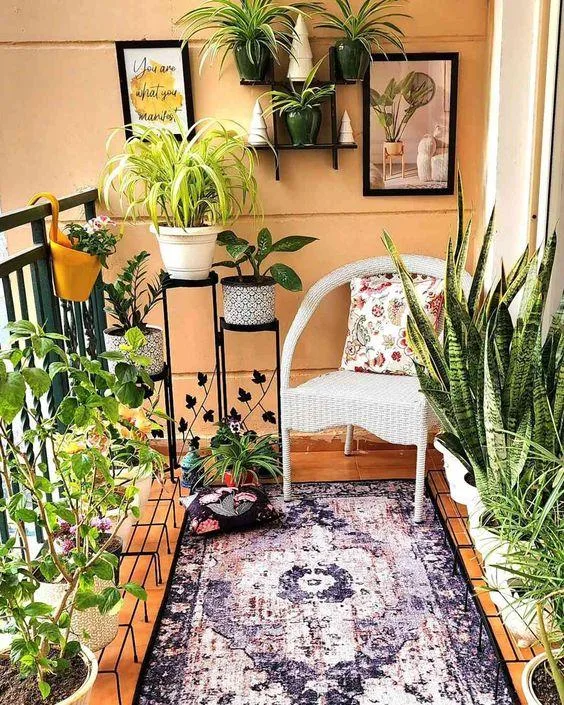
Utilize vertical space with climbing plants. Vines like pothos and ivy grow upward, saving floor space. These can be placed on shelves or hung from ceilings. Another option is using tiered plant stands. These allow multiple plants to grow at different heights. You can also train certain plants to grow vertically. Tomatoes can be guided upward with stakes or trellises. This maximizes space and yields.

Credit: www.designcafe.com
Utilizing Vertical Space
Maximize indoor garden space by using vertical shelves or wall-mounted planters. These help in organizing plants without crowding the floor. Hanging pots and tiered plant stands also utilize height, creating a lush, layered garden effect indoors.
Maximizing indoor garden space is a challenge many plant enthusiasts face. With limited square footage, creativity becomes your best ally. Utilizing vertical space is a game-changer, allowing you to expand your garden without cluttering your floors. Imagine a lush, green wall or a cascade of hanging vines transforming your living space. Let’s explore how you can use every inch of your vertical real estate.Wall Planters
Wall planters are a stylish way to add greenery to your home. They can turn a blank wall into a vibrant, living piece of art. Choose planters that complement your home decor, whether sleek and modern or rustic and vintage. A personal favorite of mine is the modular wall planter. It allows you to rearrange and add plants as your collection grows. You can easily water and care for each plant without needing to disassemble the entire setup. Consider mixing different types of plants to create an interesting visual effect. Succulents, ferns, and small flowering plants can all coexist beautifully on a single wall.Hanging Baskets
Hanging baskets offer another vertical gardening solution. They can be suspended from ceilings, hooks, or even curtain rods. Hanging baskets are perfect for trailing plants like pothos, ivy, or spider plants. One tip for success is to ensure your baskets have proper drainage. This will prevent root rot and keep your plants healthy. Why not hang them at different heights for a dynamic look? This staggered effect can add depth and dimension to any room. Experiment with different plant combinations to discover what works best for your space. Are you ready to transform your home with these vertical gardening techniques? Your walls and ceilings are waiting to come alive with greenery.Smart Container Solutions
Indoor gardening is a delightful way to bring nature inside. Smart container solutions can make the most of your space. These containers help you grow more plants efficiently. They are designed to fit into small areas. They also save time and effort in maintaining your garden. Here are some ideas to maximize your indoor garden space using smart containers.
Stackable Pots
Stackable pots are perfect for small spaces. They allow you to grow vertically. Each pot sits on top of the other, creating a tower of greenery. You can grow different plants in each pot. This method saves floor space. It also adds a unique visual appeal to your garden. Stackable pots are easy to move and rearrange. You can change your garden layout whenever you wish. These pots are great for herbs, flowers, and small vegetables.
Self-watering Systems
Self-watering systems are convenient for busy gardeners. They reduce the need for daily watering. These containers have a reservoir at the bottom. Water is drawn up to the plant roots as needed. This keeps the soil consistently moist. It also helps prevent overwatering. Self-watering pots are available in various sizes and designs. They are ideal for people who travel often. With these pots, your plants stay healthy even when you are away.

Credit: www.youtube.com
Optimizing Light Conditions
Maximizing indoor garden space requires a keen understanding of how light conditions affect plant growth. Whether you’re nurturing herbs on a windowsill or cultivating a lush green oasis in your living room, optimizing light conditions can make all the difference. You don’t need a greenhouse to achieve excellent results; strategic use of available light can transform your indoor garden into a thriving ecosystem.
Led Grow Lights
LED grow lights are a game-changer for indoor gardeners. They offer a spectrum of light tailored to the needs of your plants, promoting healthy growth even in dim spaces. Unlike traditional bulbs, LEDs are energy-efficient and have a long lifespan, making them a cost-effective option.
- Choose lights that mimic the sun’s natural spectrum.
- Adjust the height and angle to maximize coverage.
- Consider a timer to automate light cycles and give your plants the rest they need.
Have you ever noticed how your plants lean towards a window? It’s their way of seeking light. With LED grow lights, you can control where that light comes from, ensuring every leaf gets its share.
Reflective Surfaces
Using reflective surfaces is a clever trick to boost light exposure without additional bulbs. Reflective materials can redirect available light, ensuring it reaches more areas of your garden. Think about using mirrors, aluminum foil, or specialized grow room Mylar.
- Position mirrors opposite windows to bounce natural light deeper into the room.
- Line walls or shelves with reflective material to enhance light distribution.
- Keep surfaces clean to maintain their effectiveness.
Consider the impact of a sunny day. Reflective surfaces can mimic this effect indoors, creating a brighter environment for your plants. Have you ever tried this simple but effective strategy? It might just surprise you how much it enhances your garden’s growth.
Efficient Watering Techniques
Maximize indoor garden space with efficient watering techniques. Use drip irrigation to ensure each plant gets the right amount of water, preventing overwatering. Group plants with similar needs to simplify watering and maintain a healthy garden.
Efficient watering techniques are essential for maximizing your indoor garden space. Not only do they ensure your plants receive the right amount of water, but they also help conserve this precious resource. By adopting smart watering methods, you can support plant health while minimizing waste.Drip Irrigation
Drip irrigation is a game-changer for indoor gardeners. It delivers water directly to the plant roots, reducing evaporation and runoff. This system is perfect for those with busy schedules, as it automates watering and ensures consistency. Setting up a drip irrigation system might sound complex, but it’s quite straightforward. All you need is a basic kit that includes tubing, emitters, and a timer. Adjust the emitters to control the water flow, ensuring each plant gets what it needs. Imagine waking up each morning knowing your indoor garden is perfectly hydrated. This peace of mind allows you to focus on other gardening tasks, like pruning or fertilizing. Have you considered how much time and water you could save with drip irrigation?Capillary Mats
Capillary mats are another efficient option for watering your indoor plants. These mats draw water up to the plant roots through capillary action, keeping the soil consistently moist. They’re ideal for small pots and seedlings that require frequent watering. Using capillary mats is simple and effective. Place the mat under your pots and ensure it remains moist by adding water to a tray beneath it. This method reduces the risk of overwatering, as plants only absorb what they need. I once used capillary mats during a two-week vacation, and my plants thrived in my absence. This technique is a lifesaver for anyone who travels frequently or tends to forget watering schedules. Could capillary mats be the solution to your indoor gardening woes?Creative Space Management
Maximizing indoor garden space requires a dash of creativity and smart planning. Whether you’re working with a cozy apartment or a spacious home, effective space management can transform your indoor garden into a lush paradise. Let’s explore how you can creatively manage your garden area to make the most of every inch.
Multi-tier Shelving
Multi-tier shelving is a game changer for indoor gardeners. It allows you to grow vertically, making use of wall space that often goes unnoticed. Imagine stacking your plants like a vibrant green skyscraper; this not only saves floor space but also adds a unique aesthetic to your home.
Consider adjustable shelves to accommodate plants of varying sizes. You can mix herbs, succulents, and trailing vines for a dynamic display. This setup also makes it easier to access each plant for watering and care. Have you thought about color coordinating your pots to match your room decor? It adds a personal touch that can make your garden truly yours.
Folding Furniture
Folding furniture offers flexibility that traditional furniture can’t compete with. You can easily rearrange your space as your gardening needs change. Have you ever thought about using a foldable table for your potting station? When not in use, simply tuck it away, freeing up valuable room for more plants.
Folding chairs can also serve as plant stands when extra seating isn’t needed. This dual-purpose furniture can make a small space feel much larger and more functional. How about creating a garden nook with a folding chair and table that can transform into your reading corner when you need a break from gardening?
Maintaining Healthy Soil
Maximize indoor garden space by focusing on healthy soil. Rich soil boosts plant growth and reduces space needs. Prioritize soil quality to enhance plant health and productivity indoors.
Maintaining healthy soil is the backbone of a thriving indoor garden. The soil provides essential nutrients and a stable foundation for your plants. But how do you ensure your soil remains rich and fertile? One key strategy is regular maintenance through organic compost and soil amendments.Organic Compost
Creating organic compost is like giving your soil a nutrient-packed meal. You can use kitchen scraps such as vegetable peels, fruit rinds, and coffee grounds. These materials break down over time, enriching your soil with essential nutrients. Consider setting up a small compost bin in your home. This sustainable approach reduces waste and provides a continuous supply of organic matter for your plants. If space is limited, vermicomposting, which involves worms, can be an efficient alternative.Soil Amendments
Soil amendments are additions that enhance your soil’s physical properties. They can improve drainage, aeration, and nutrient retention. Think of them as boosters that tailor your soil to your plants’ specific needs. Common amendments include perlite for better drainage and vermiculite for moisture retention. If your plants require more acidity, adding peat moss can be beneficial. Always test your soil’s current state before applying amendments to ensure you’re addressing the right needs. Are you regularly checking your soil’s health? Small adjustments can significantly impact plant growth and vitality. By focusing on organic compost and soil amendments, you’re investing in the long-term success of your indoor garden.Pest Control Strategies
Utilize vertical gardening techniques to maximize indoor garden space. Implement pest control strategies like natural repellents and regular inspections. Encourage healthy plant growth by ensuring proper light and ventilation.
Pest control is crucial for a thriving indoor garden. Unwanted pests can damage plants, affecting growth and yield. Effective pest control strategies can help maintain a healthy garden environment.Natural Repellents
Natural repellents offer a safe way to deter pests. They avoid harmful chemicals. Essential oils like peppermint and rosemary work well. Mix them with water for a spray solution. Garlic and chili pepper sprays also repel insects. Strong smells deter pests from settling on plants. Vinegar can be effective against certain bugs too. These solutions keep pests at bay and are safe for plants.Beneficial Insects
Beneficial insects can act as natural pest control. Ladybugs eat aphids, a common plant pest. Introducing them into your garden can reduce aphid populations. Praying mantises are another good option. They consume a variety of harmful insects. Parasitic wasps target caterpillars and beetles. These helpful insects maintain balance without chemicals. They provide an eco-friendly pest management solution.Regular Maintenance Practices
Regular maintenance practices can help maximize indoor garden space efficiently. Pruning plants regularly prevents overcrowding and promotes healthy growth. Cleaning pots and trays ensures plants have enough room to thrive.
Regular maintenance is key to a thriving indoor garden. It ensures plants stay healthy and vibrant. Consistent care maximizes space and supports plant growth. Two important practices are pruning and inspections. These help manage space and keep plants in check.Pruning Techniques
Pruning is essential for space management. Trim dead or overgrown branches regularly. This encourages new growth and keeps plants compact. Use clean, sharp scissors for precise cuts. Focus on removing damaged or diseased areas. This prevents the spread of disease. Pruning also improves air circulation around plants.Routine Inspections
Conduct routine inspections to catch issues early. Check for pests, mold, or nutrient deficiencies. Look at leaves for discoloration or wilting. Ensure the soil is moist but not waterlogged. Adjust watering as needed. Regular checks help identify problems before they worsen. This keeps your garden healthy and productive.
Credit: www.paudhewale.com
Frequently Asked Questions
How Do I Start An Indoor Garden?
To start an indoor garden, choose suitable plants and containers. Ensure adequate light and proper drainage. Use high-quality potting soil and water regularly. Monitor temperature and humidity levels to maintain optimal growing conditions. Regularly check for pests and diseases to keep plants healthy.
What Plants Are Best For Small Spaces?
Succulents, herbs, and compact vegetables thrive in small spaces. Choose plants with vertical growth, like pole beans. Opt for dwarf varieties of larger plants. Consider trailing plants like pothos for aesthetic appeal. Select plants that require minimal maintenance for easier management.
How Can I Improve Light Conditions Indoors?
Use grow lights to supplement natural light for your indoor garden. Position plants near windows to maximize daylight exposure. Rotate plants regularly for even light distribution. Choose LED grow lights for energy efficiency. Adjust light intensity and duration according to plant needs.
What Containers Work Best For Indoor Gardens?
Choose containers with good drainage to prevent root rot. Consider hanging pots for vertical space utilization. Use tiered planters for multiple plants in one area. Opt for self-watering pots for easier maintenance. Select containers that fit your space and aesthetic preferences.
Conclusion
Maximizing indoor garden space is easy with careful planning. Use vertical space wisely. Small pots fit on shelves. Consider hanging planters for more plants. Choose multi-purpose furniture to save space. Grow herbs on windowsills. Use mirrors to create depth. Opt for compact plant varieties.
Rotate plants for even growth. Regular care keeps plants healthy. Enjoy the beauty and benefits of your indoor garden. Keep experimenting and learning. Your indoor oasis awaits. Happy gardening!







