Imagine stepping into your backyard and feeling an immediate sense of calm and tranquility wash over you. This is the magic of a Zen garden, a perfect blend of simplicity, beauty, and peace.
You might be wondering how you can create such a serene space in your own home. You’re not alone. Many people seek out ways to escape the hustle and bustle of daily life, and a Zen garden can be your personal retreat.
The real question is, how can you design one that truly reflects your inner peace and harmony? You’ll discover simple steps and creative ideas to transform any space into a soothing sanctuary. Get ready to unlock the secrets of Zen garden design and find out how you can bring this timeless beauty into your own yard. Dive into the world of Zen gardening and let your imagination run free!
Benefits Of A Zen Garden
Creating a Zen garden offers a peaceful escape right in your backyard. These gardens provide a tranquil space for relaxation. Their simple design encourages mindfulness and reduces stress, promoting a sense of calm and balance.
A Zen garden offers more than just beauty. It creates a peaceful retreat. This space helps calm the mind and refresh the spirit. Enjoy a slice of tranquility right at home.Stress Reduction
A Zen garden promotes relaxation. The simple design soothes the mind. Raking patterns in the sand can lower stress. It provides a break from daily pressure.Improved Focus
Designing your Zen garden can enhance concentration. The act of arranging stones sharpens focus. This practice can boost mental clarity over time.Encourages Mindfulness
Being present is easier in a Zen garden. Each element invites you to slow down. Mindfulness grows with every visit to this serene space.Enhances Creativity
A Zen garden can inspire new ideas. The calm environment sparks creativity. It encourages thinking outside the box.Low Maintenance
Zen gardens require little upkeep. They save time and effort. This simplicity appeals to busy lifestyles.Connects With Nature
A Zen garden links you with the natural world. It includes elements like rocks, sand, and plants. This connection enhances well-being.Personal Reflection
A Zen garden offers a place for reflection. It helps you think deeply and find inner peace. This space invites quiet contemplation.Visual Appeal
Zen gardens add beauty to any home. Their simple lines and natural elements are pleasing. They enhance any space with elegance.
Credit: www.hamptons.co.uk
Essential Elements
Creating a Zen garden involves simplicity and balance. Use rocks, sand, and minimal plants to create harmony. Focus on clean lines and peaceful elements for a serene outdoor space.
Creating a Zen garden is about finding tranquility. Essential elements guide this serene design. Each piece plays a crucial role. Together, they shape a peaceful retreat. Let’s explore these fundamental components.Rocks And Gravel
Rocks symbolize stability. They provide structure in your garden. Choose different sizes. Large stones can be focal points. Smaller pebbles fill gaps. Gravel is also vital. It represents water or space. Arrange it carefully. Rake patterns for a meditative feel. These textures create depth. They offer a visual journey.Water Features
Water adds calm. It invites reflection. Consider a small pond. Water basins are also effective. They encourage mindfulness. Flowing water soothes the soul. Fountains or streams enhance the experience. Their gentle sounds are relaxing. Water features bring life. They balance the garden’s elements.Plants And Greenery
Plants breathe life into a Zen garden. Select minimal greenery. Bamboo is a popular choice. It grows tall and straight. Moss covers surfaces softly. It adds a touch of earthiness. Choose plants wisely. They should not overwhelm. Their presence should be subtle. Each plant harmonizes with the rocks and water. Together, they create a tranquil space.Choosing The Right Location
Selecting the ideal spot for a zen garden involves considering sunlight, space, and tranquility. Ensure the location is peaceful and away from noise. A balanced mix of sun and shade enhances plant growth and creates a serene atmosphere.
Choosing the right location for your Zen garden is crucial. This space will be your sanctuary, a place to find peace and tranquility. Whether you have a sprawling yard or a compact balcony, selecting the perfect spot can enhance the garden’s calming effect.Assessing Sunlight And Shade
Consider the amount of sunlight the location receives. Zen gardens thrive with a balance of light and shade. Too much sun can dry out the plants, while too much shade can limit growth. Observe your outdoor space throughout the day. Notice how the light changes and adjust your plans accordingly.Evaluating The Surroundings
Your Zen garden should be a retreat from the hustle and bustle. Think about the surrounding environment. Is there a noisy street nearby? Are there neighboring buildings that could disrupt the peaceful atmosphere? Aim for a location that’s shielded from noise and distractions.Considering Accessibility
Accessibility is key to enjoying your Zen garden regularly. Choose a spot that’s easy to reach. If it’s too far or difficult to access, you might find excuses not to visit. Whether it’s a corner of your backyard or a section of your patio, ensure it’s convenient to get to.Visualizing The Space
Imagine the space in your mind. Picture how the garden will look once complete. Will it be a harmonious addition to your home? Visualize how the elements of the garden will fit into the space. Consider how it will appear from different angles and whether it complements the existing landscape.Listening To Your Intuition
Sometimes, the best decisions come from instinct. Stand in the area you’re considering and close your eyes. How does it feel? Does it resonate with a sense of calm? Trust your gut feelings. Your intuition can guide you to the perfect spot for your Zen garden.Design Principles
Create a peaceful atmosphere by choosing natural elements like sand, rocks, and water. Arrange these elements thoughtfully to evoke tranquility and balance. Consider the placement of plants and pathways to enhance the garden’s serene vibe.
Designing a Zen garden is not merely about arranging rocks and sand. It’s about embracing principles that evoke tranquility and mindfulness. When you align your design with the core principles of Zen aesthetics, you create a space that nurtures peace and reflection. Let’s dive into these essential design principles to help you craft your serene sanctuary.Simplicity
Simplicity is at the heart of a Zen garden. The goal is to eliminate clutter and focus on the essentials. Ask yourself, what elements can you remove to enhance tranquility? Consider using a limited palette of materials like rocks, gravel, and a few carefully chosen plants. This allows each component to stand out and breathe. By keeping your design minimal, you create a space that invites calm and contemplation.Balance
Balance in a Zen garden doesn’t mean symmetry. Instead, it’s about achieving harmony between different elements. How can you create a space that feels stable and serene? Try mixing different textures and sizes, like pairing a smooth stone with a rough one. Use asymmetrical arrangements to guide the eye naturally through the garden. The balance should feel intuitive, bringing a sense of peace and unity.Symbolism
Every element in a Zen garden can hold symbolic meaning. Do the elements in your garden tell a story or evoke a particular feeling? Rocks might represent mountains, while sand or gravel symbolizes water. You can arrange these elements to suggest landscapes or convey a spiritual message. Thoughtfully chosen symbolism can add depth and meaning to your garden, making it a personal reflection of your journey toward mindfulness. By focusing on simplicity, balance, and symbolism, you can create a Zen garden that resonates with peace and introspection. What will your garden say about your path to serenity?Step-by-step Creation Process
Creating a Zen garden involves selecting a serene location and choosing natural elements like rocks and sand. Arrange these elements thoughtfully to evoke tranquility and harmony. Incorporate simple plants and rake patterns in the sand to enhance the peaceful ambiance.
Creating a Zen garden is a rewarding endeavor that brings tranquility to your outdoor space. The beauty of a Zen garden lies in its simplicity and its ability to soothe the mind. This step-by-step creation process will guide you in crafting your own peaceful retreat.Planning The Layout
Begin by envisioning what you want from your Zen garden. Do you prefer a minimalist design or something more intricate? Sketch your ideas on paper, considering the available space and existing elements like trees or rocks. Think about the view from different angles. Where will you place benches or pathways? Your layout is the foundation for the calming atmosphere you aim to create.Preparing The Ground
Clear the area of any debris or unwanted plants. A clean slate sets the stage for your Zen garden’s tranquil vibe. Rake the ground to ensure a smooth, even surface. Consider the soil type and drainage. You might need to add sand or gravel for proper water flow. Remember, the goal is to create a space that mimics natural landscapes.Adding Key Features
Incorporate elements that inspire serenity, such as rocks, sand, and water. Choose rocks of various sizes and shapes to symbolize mountains or islands. Arrange them thoughtfully to create harmony. Sand or gravel represents water, and you can use a rake to draw patterns. This meditative practice can be a daily ritual to help clear your mind. Would you like to add a small water feature or a stone lantern? These can enhance the peaceful ambiance. Personalize your garden with features that resonate with you. By following these steps, you can create a Zen garden that not only beautifies your space but also nurtures your spirit. What features will you include to make your Zen garden uniquely yours?Maintaining Your Zen Garden
Creating a Zen garden design involves arranging rocks, sand, and minimal plants in a simple, balanced way. Focus on harmony and tranquility by selecting natural materials and thoughtful placement. Regular maintenance keeps the garden peaceful and inviting.
Maintaining your Zen garden is a rewarding practice that keeps your peaceful space looking pristine and meditative. Regular care ensures that the garden remains a place of tranquility and reflection. It’s not just about keeping it tidy; it’s about fostering a connection with the natural world and nurturing a space that reflects calmness and balance.Regular Raking
Raking is a crucial part of maintaining your Zen garden. It allows you to create beautiful patterns in the sand or gravel, representing waves or ripples. Raking can be meditative, offering you a chance to focus and clear your mind. Set aside time each week to rake your garden. This routine helps maintain the garden’s appearance and invites you to slow down and enjoy the moment. Have you ever noticed how a simple task like raking can transform your mood?Pruning And Trimming
Pruning and trimming keep your plants healthy and your garden looking its best. Regularly trim shrubs and bonsai trees to maintain their shape and encourage growth. Check your plants for dead or overgrown branches. Removing these not only enhances the garden’s aesthetics but also promotes the plants’ vitality. Consider how your garden’s energy shifts with each careful snip.Seasonal Adjustments
Adapting your Zen garden to the changing seasons can be a delightful experience. Each season offers unique opportunities to refresh and renew your garden space. In spring, you might add fresh flowers or new stones. In autumn, consider incorporating elements that reflect the season’s colors. How can you use the changing seasons to inspire creativity in your garden? By focusing on these aspects of maintenance, you ensure your Zen garden remains a serene and inviting haven all year round.Incorporating Personal Touches
Adding personal touches to a Zen garden design creates a peaceful retreat. Select stones and plants that reflect your style. Incorporate meaningful objects like statues to enhance tranquility.
Creating a Zen garden is not only about arranging rocks and sand; it’s an opportunity to express your individuality. Incorporating personal touches can transform your Zen garden into a unique reflection of your personality and experiences. Whether you’re crafting elements by hand, drawing from cultural inspirations, or adding artistic flair, these personal touches can make your garden truly your own.Diy Projects
Embrace your creativity with DIY projects. Construct small bridges using reclaimed wood or create stepping stones with mosaic designs. These elements can personalize your garden and offer a sense of accomplishment. Consider crafting a water feature using simple materials; a small pond or fountain can add tranquility and a personal touch. Have you ever thought about creating a sculpture from materials you have at home? It could be an intriguing addition that speaks to your artistic side.Cultural Inspirations
Draw inspiration from cultures that resonate with you. Integrate traditional Japanese lanterns or bamboo structures to pay homage to the origins of Zen gardens. If you’re inspired by Mediterranean aesthetics, incorporate terracotta pots or olive trees. Think about how your cultural background or travels could influence your garden’s design. What story can your garden tell about your unique journey through life?Artistic Additions
Infuse your Zen garden with artistic elements that reflect your style. Paint rocks with intricate designs or etch patterns into the sand. These artistic additions can transform a simple space into a canvas for self-expression. Consider installing a piece of outdoor art that captures your imagination. How can art elevate the peaceful ambiance of your Zen garden? Let your creativity flow and watch your garden become a masterpiece of tranquility. By adding personal touches, you not only create a garden that is visually appealing but also a space that brings peace and joy to your life. What elements will you choose to make your Zen garden uniquely yours?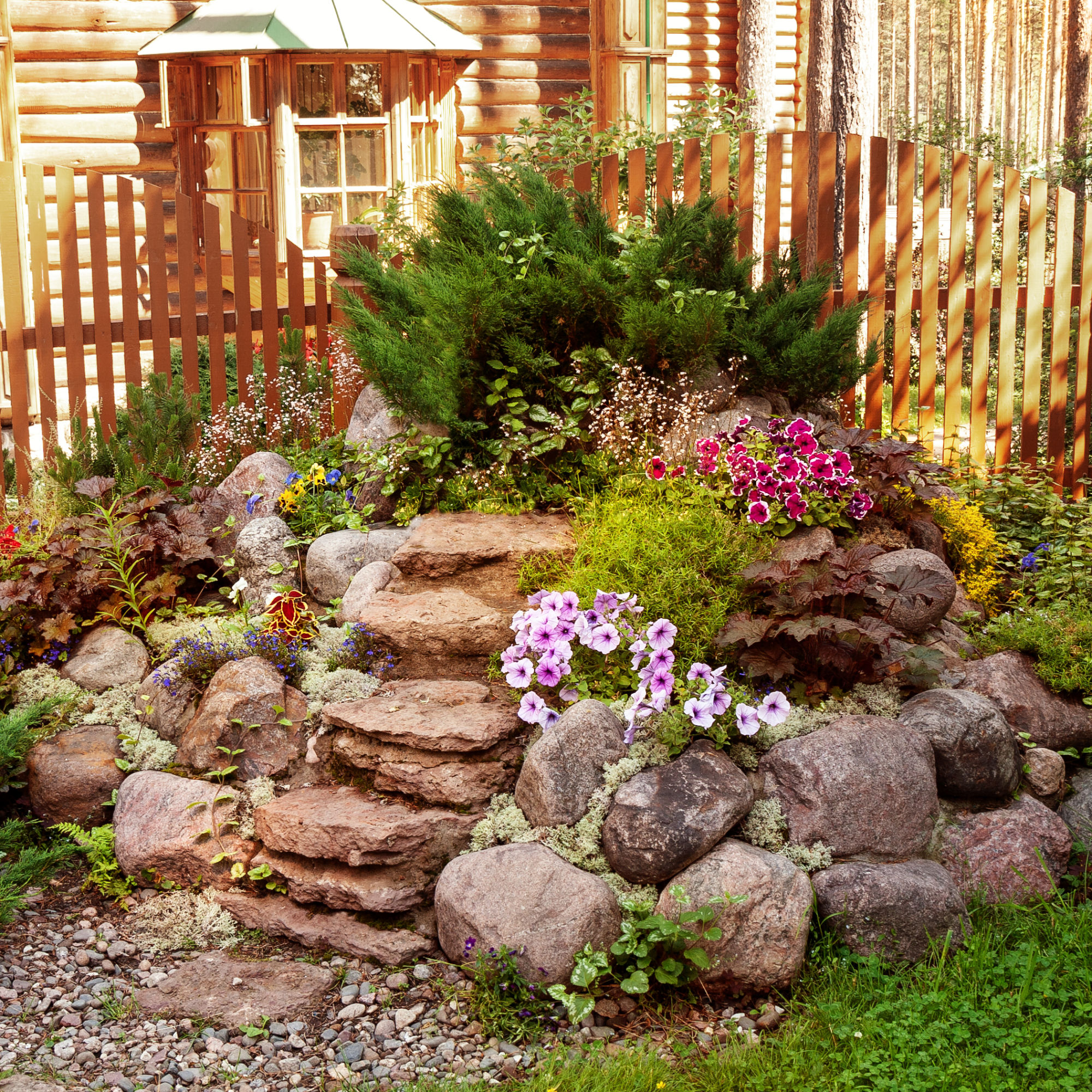
Credit: www.gardeningknowhow.com

Credit: www.youtube.com
Frequently Asked Questions
What Is A Zen Garden Design?
A Zen garden design is a Japanese-inspired landscape that emphasizes simplicity and tranquility. It typically features rocks, gravel, sand, and minimal plant life. This design aims to create a peaceful and meditative space. The arrangement of elements is crucial for balance and harmony, enhancing relaxation and mindfulness.
How Do I Start A Zen Garden?
To start a Zen garden, choose a quiet, flat area. Begin by outlining the space and collecting essential materials like sand, gravel, and rocks. Arrange these elements thoughtfully, focusing on simplicity and balance. Rake the sand or gravel to create patterns, enhancing the garden’s tranquil and meditative atmosphere.
What Materials Are Needed For A Zen Garden?
Essential materials for a Zen garden include sand or gravel, rocks, and boulders. These elements help create a minimalist and serene environment. Additional materials like small plants or moss can be used sparingly. A rake is also important for creating patterns in the sand or gravel, enhancing its meditative quality.
Can I Add Plants To A Zen Garden?
Yes, you can add plants to a Zen garden, but use them sparingly. Choose low-maintenance, minimalistic plants like moss or small shrubs. These plants should complement the garden’s simplicity and tranquility. Avoid overcrowding, as the focus should remain on balance and harmony between all elements.
Conclusion
Creating a Zen garden can be a peaceful journey. Start with simple steps. Choose your favorite elements. Think about rocks, sand, and plants. Arrange them with care. Each piece matters. Feel the calm as you design. Let your garden reflect tranquility.
Enjoy the process. Embrace the art of simplicity. Your Zen garden will offer a serene escape. A place to relax and unwind. Feel the harmony in your space. Take time to enjoy the beauty. Your garden, your peace. A quiet retreat.
Perfect for reflection and meditation. Cherish your Zen creation.