Imagine stepping into your kitchen and plucking fresh basil, mint, or rosemary straight from your very own indoor herb garden. You no longer have to settle for store-bought herbs that lack flavor and freshness.
Creating an indoor herb garden is easier than you think, especially when you have Home Depot as your go-to resource. Why just dream about a lush, aromatic space when you can cultivate one right inside your home? Discover how to transform a corner of your kitchen or living area into a thriving herb sanctuary.
This guide will walk you through every step, ensuring you harness the power of nature and make your cooking truly spectacular. Your journey to a greener, healthier home begins here. Ready to dig in?

Credit: www.yahoo.com
Choosing The Right Herbs
Creating your own indoor herb garden is a delightful way to bring fresh flavors into your cooking while adding a touch of greenery to your home. But before you start planting, it’s crucial to choose the right herbs that will thrive indoors. The selection process is not just about picking your favorite herbs; it’s about understanding what works best in an indoor environment. Let’s dive into the popular herb varieties and considerations for indoor growth.
Popular Herb Varieties
- Basil:This aromatic herb is perfect for Italian dishes, and its vibrant green leaves add a refreshing touch to your indoor garden.
- Mint:Known for its invigorating scent, mint is versatile and can be used in teas, desserts, and even savory dishes.
- Thyme:A hardy herb that’s ideal for seasoning meats and vegetables. Its small leaves are perfect for compact spaces.
- Chives:With a mild onion flavor, chives are a great addition to salads and soups, and they grow well in small pots.
- Parsley:This herb is not only a garnish but also a flavorful addition to many recipes. It’s easy to grow indoors with proper sunlight.
Considerations For Indoor Growth
When selecting herbs for your indoor garden, think about the amount of sunlight your space receives. Most herbs need at least six hours of sunlight a day.
Consider your watering habits. Some herbs, like rosemary, prefer dry soil, while others, like basil, thrive in consistently moist conditions.
Space is another factor. Choose herbs that fit well in your available area. Vertical gardens can be a great solution for limited space.
Ask yourself: What herbs do you use most in cooking? Prioritize those to ensure you’re growing plants that you’ll actually use.
Remember, the key to a successful indoor herb garden is matching your environment with the needs of the herbs. This thoughtful approach will lead to a thriving herb collection that enhances your culinary adventures. What will you plant first?

Credit: gatheredky.com
Essential Supplies
Creating your own indoor herb garden is rewarding and fun. To start, you’ll need some essential supplies. These will ensure your herbs grow healthy and strong. With the right equipment, nurturing your herbs becomes simple.
Containers And Pots
Choose containers that fit your space and style. Look for pots with drainage holes to prevent root rot. You can find a wide variety at Home Depot. Consider the size of the herbs you plan to grow. Some herbs need more space to thrive.
Plastic, clay, and ceramic pots are popular choices. Each has its benefits. Plastic pots are lightweight and affordable. Clay pots offer better airflow to roots. Ceramic pots add a decorative touch to your space.
Soil And Fertilizers
Use quality potting soil for your indoor herbs. Look for soil that retains moisture but drains well. Home Depot offers various potting mixes suitable for herbs. Organic soil options are also available.
Fertilizers help provide extra nutrients. Choose one that suits your specific herbs. Liquid fertilizers are easy to mix with water. Slow-release pellets are another option. They provide nutrients over time.
Lighting And Placement
Herbs need plenty of light to grow. Place your garden near a sunny window. South-facing windows are ideal. If natural light is limited, use grow lights. LED grow lights are energy-efficient and effective.
Ensure your herbs get at least six hours of light daily. Rotate pots regularly for even growth. Adjust lighting as needed to keep herbs healthy and vibrant.
Setting Up Your Herb Garden
Create your indoor herb garden with supplies from Home Depot. Choose pots, soil, and seeds suitable for indoor growth. Place them in a sunny spot and water regularly for fresh herbs year-round.
Setting up your indoor herb garden can be a rewarding experience. Bringing fresh herbs into your home not only enhances your culinary adventures but also adds a touch of greenery to your space. Home Depot offers a variety of options and tools to help you start your indoor herb garden easily. Here’s how to set up your herb garden for thriving plants and fresh flavors.Planting The Seeds Or Seedlings
Choose herbs that you love to use. Basil, mint, and rosemary are popular choices. Decide whether to start with seeds or seedlings. Seeds require more patience and care. Seedlings provide a quicker start. Use small pots with drainage holes. Fill them with potting soil, leaving room at the top. Plant seeds or place seedlings gently. Cover seeds lightly with soil. Water your plants sparingly to avoid soggy roots. Keep soil moist but not soaked.Arranging For Optimal Growth
Light is crucial for herbs. Place your pots near a window that gets sunlight. South-facing windows are ideal. If natural light is limited, consider grow lights. Space plants properly to ensure air circulation. Avoid overcrowding to prevent disease. Rotate pots every few days for even sun exposure. Maintain consistent temperature indoors. Herbs prefer warmth but not direct heat. Avoid placing them near heating vents or stoves. By creating the right environment, your herbs will thrive, providing fresh flavors all year round.Caring For Your Herbs
Create your own indoor herb garden using supplies from Home Depot. Choose pots, soil, and herb seeds. Place them near a sunny window for best growth. Water regularly and enjoy fresh herbs all year round.
Caring for your indoor herbs is crucial for their growth and vitality. Each herb has its own needs, but some basic practices apply to all. Consistent care ensures your herbs remain lush and flavorful.Watering And Feeding
Watering is key to keeping your herbs healthy. Most herbs prefer slightly moist soil. Check the soil with your finger before watering. If the top inch is dry, it’s time to water. Overwatering can lead to root rot, so avoid soggy soil. Feed your herbs every few weeks to promote growth. Use a balanced liquid fertilizer for best results. Dilute it with water to prevent over-fertilization. This keeps your herbs strong and productive.Pruning And Harvesting
Pruning helps maintain your herb garden’s shape and health. Trim any dead or yellowing leaves regularly. This encourages new growth and prevents disease. Use clean scissors or pruning shears for best results. Harvesting your herbs is both rewarding and beneficial. Snip off leaves as needed for cooking. Regular harvesting promotes bushy growth. Be careful not to harvest more than one-third of the plant at a time. This ensures your herbs continue to thrive.Troubleshooting Common Issues
Creating an indoor herb garden with Home Depot tools can be fun but tricky. Common issues include poor lighting, inadequate drainage, and pests. To troubleshoot, ensure proper sunlight, use well-draining soil, and check for bugs regularly.
Creating your own indoor herb garden from Home Depot can be a fulfilling endeavor. However, like any gardening project, it comes with its challenges. Understanding these common issues and knowing how to tackle them will keep your herbs thriving. From pesky pests to overwatering woes, let’s dive into practical solutions that will help you maintain a healthy indoor herb garden.Pest Control Solutions
Even indoor gardens aren’t immune to pests. These tiny invaders can wreak havoc on your herbs if not managed promptly. To combat this, consider natural remedies like neem oil or insecticidal soap. They’re effective yet gentle enough for indoor use. Another strategy is to introduce beneficial insects like ladybugs, which naturally prey on aphids. If you’ve ever noticed tiny holes or discolored leaves, these could be signs of pest problems. Regularly inspecting your herbs can help nip these issues in the bud.Dealing With Overwatering
Overwatering is one of the most common pitfalls in indoor gardening. It can lead to root rot, causing your herbs to wilt and die. The key is to let the soil dry out between waterings. A simple trick is to stick your finger about an inch into the soil. If it feels dry, it’s time to water. Consider using pots with drainage holes and placing a saucer underneath to catch excess water. This setup prevents your herbs from sitting in water, reducing the risk of overwatering. Are you noticing yellowing leaves or a musty smell? These could be signs of overwatering. Adjusting your watering schedule can make a significant difference in the health of your indoor herb garden.Decorating With Herbs
Create your own indoor herb garden with supplies from Home Depot. Choose pots, soil, and seeds to fit your space. Enjoy fresh herbs in your cooking and a touch of greenery indoors.
Decorating with herbs brings a touch of nature indoors. Fresh herbs add beauty and fragrance to any space. They offer a delightful blend of visual appeal and practical use. Whether in the kitchen, living room, or bedroom, herbs enhance your home decor. Let’s explore some creative ways to display and incorporate them.Creative Display Ideas
Bring life to your walls with a vertical herb garden. Use wooden pallets or hanging planters. These save space and look stunning. Arrange herbs in colorful pots on a windowsill. Choose pots that match your room’s theme. Create a small herb terrarium. This adds a unique, artistic touch to your decor. Use small glass containers and layer them with stones and soil.Incorporating Herbs Into Home Decor
Place potted herbs as centerpieces on dining tables. They add freshness and aroma. Hang small herb bunches in the kitchen. This keeps them within reach while cooking. Use herb-filled mason jars as bathroom accents. This adds a fresh scent and a rustic look. Incorporate herbs into your living room by placing them on bookshelves. Use decorative trays to group them for a cohesive look.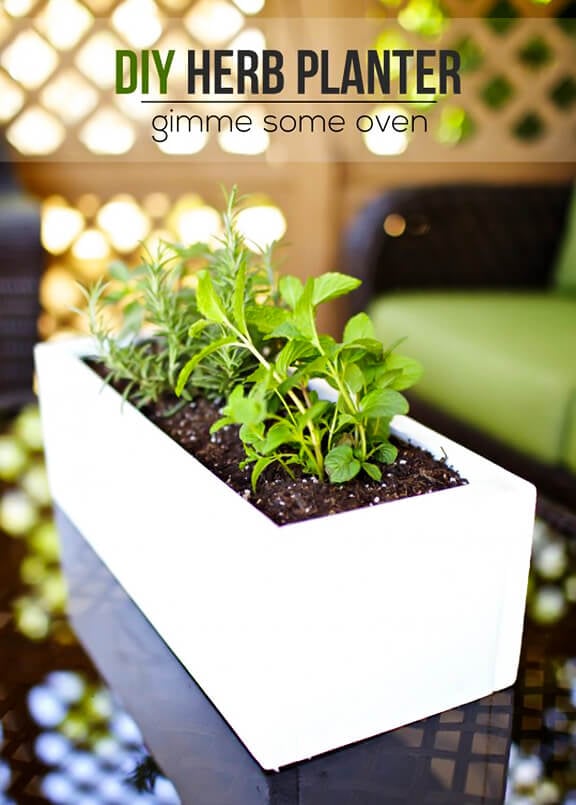
Credit: www.gimmesomeoven.com
Frequently Asked Questions
What Materials Do I Need For An Indoor Herb Garden?
To start an indoor herb garden, you need pots or containers, good quality potting soil, and herb seeds or seedlings. You might also consider a grow light if natural sunlight is limited. Additionally, having a drainage system for the pots is essential for healthy plant growth.
How Much Sunlight Do Indoor Herbs Require?
Most indoor herbs require about 6 hours of sunlight daily. Place them near a sunny window for best results. If natural light is insufficient, consider using a grow light. This helps mimic the sunlight and ensures your herbs grow healthy and strong, even indoors.
Can I Grow Herbs Indoors All Year Round?
Yes, you can grow herbs indoors all year round. With proper care, herbs thrive indoors regardless of the season. Ensure they receive adequate sunlight and water. Indoor conditions are usually stable, making it easier to maintain a consistent growing environment for your herbs.
How Often Should I Water My Indoor Herbs?
Water your indoor herbs when the top inch of soil feels dry. Overwatering can harm herbs, so check soil moisture regularly. It’s better to underwater than to overwater. Consistent watering schedules help ensure that your herbs remain healthy and vibrant, promoting strong growth.
Conclusion
Creating an indoor herb garden from Home Depot is simple and fun. You can enjoy fresh herbs year-round with little effort. Choose herbs you love and start planting today. Your kitchen will smell amazing, and your meals will taste better.
Growing herbs indoors also saves money. Plus, it’s a great way to learn about plants. With these easy steps, anyone can start. Feel the joy of growing your own herbs. Share this rewarding hobby with friends and family. Happy gardening!