Are your garden plants looking a bit thirsty, and you’re wondering how to keep them happily hydrated? Learning how to properly water your plants is crucial for a thriving garden.
When you master this skill, your garden will reward you with lush greenery and vibrant blooms. You might be surprised at how a simple task like watering can make all the difference between a flourishing oasis and a lackluster patch of wilted plants.
This guide will walk you through the essential steps to ensure your plants get the right amount of moisture. Ready to transform your garden into a lush paradise? Let’s dive into the secrets of keeping your plants perfectly wet!

Credit: www.youtube.com
Importance Of Watering
Watering is essential for healthy plant growth in a garden. It ensures plants receive the necessary moisture to thrive. Proper watering techniques help maintain soil moisture, preventing plant stress.
Watering your garden is not just about keeping the plants alive; it’s about nurturing them to flourish. Water acts as a life-giving force that enables plants to absorb essential nutrients. Without adequate hydration, even the most robust plants can struggle to thrive. The way you water your garden can make a significant difference in its overall health and productivity. Are you giving your plants the proper care they need?Understanding Your Garden’s Needs
Every garden is unique, and so are its watering requirements. Factors like soil type, plant species, and climate play a crucial role in determining how much water your garden needs. For example, sandy soil drains quickly and may require more frequent watering. On the other hand, clay soil retains moisture longer, reducing the need for frequent irrigation. Observing your garden’s specific conditions can guide you in developing a suitable watering routine.Timing Is Everything
The timing of when you water can affect plant health significantly. Watering early in the morning is often recommended because it allows plants to absorb moisture before the heat of the day. This minimizes evaporation and ensures the water reaches the roots effectively. Evening watering can lead to excess moisture, which might encourage fungal diseases. Have you noticed the difference when you water at various times of the day?Proper Technique Matters
How you water is just as important as when you water. Directing water at the base of the plants helps ensure it reaches the root zone where it’s most needed. Avoid spraying water over the foliage as this can lead to leaf diseases. Using a soaker hose or drip irrigation system can be an efficient way to deliver water precisely to the roots. Is your current watering method helping or hindering your garden’s growth?Monitor And Adjust
Regularly check the moisture levels of your soil by sticking a finger an inch or two into the ground. If it feels dry, it’s time to water. Remember, overwatering can be just as harmful as underwatering, leading to root rot and other issues. Be ready to adjust your watering practices based on the weather, such as reducing frequency during rainy periods. Have you ever thought about how seasonal changes affect your garden’s water needs?Consistency Is Key
A consistent watering schedule can help your plants develop strong, deep root systems. Plants that receive water sporadically may become stressed and more susceptible to disease. Establish a routine that aligns with your garden’s specific needs and stick to it as much as possible. What strategies can you implement to ensure your watering stays consistent despite a busy schedule?
Credit: swanhose.com
Optimal Watering Times
Water your garden early in the morning or late afternoon. This helps prevent evaporation and allows plants to absorb moisture effectively. Adjust watering based on weather conditions and plant needs for optimal growth.
Optimal watering times play a crucial role in healthy garden growth. Watering at the right time ensures plants absorb moisture efficiently. This not only supports plant health but also conserves water. Knowing the best times for watering can make a significant difference.Early Morning Watering
Early morning is ideal for watering plants. It allows water to soak into the soil before the sun rises. This reduces evaporation and provides plants with enough moisture for the day. Morning watering also prevents fungal diseases, as leaves dry quickly in the sunlight.Evening Watering
Evening is another suitable time for watering. The cooler temperatures reduce water loss from evaporation. This gives plants ample time to absorb water overnight. Ensure foliage dries before nightfall to prevent diseases.Avoid Midday Watering
Midday is not the best time to water plants. High temperatures cause water to evaporate quickly. This reduces the amount of moisture reaching the roots. It can also stress plants, leading to wilting.Consider Plant Type
Different plants have different watering needs. Some require more frequent watering, while others need less. Research the specific needs of your garden plants. This helps in determining the best watering schedule.Adjust For Weather Conditions
Weather impacts watering schedules. During hot, dry spells, increase watering frequency. In cooler, wet weather, reduce watering to prevent over-saturation. Monitor weather changes to keep your garden healthy.Watering Techniques
Watering is crucial for a healthy garden. Proper techniques ensure your plants thrive. Understanding how and when to water can make all the difference. Dive into the methods that keep your garden lush and vibrant.
Soil Moisture Levels
Checking soil moisture is essential. It tells you when to water. Use a moisture meter. It’s a simple tool that helps. Insert it into the soil. It shows if water is needed. You can also use your finger. Stick it into the soil. If it’s dry, water is needed.
Surface Vs. Deep Watering
Surface watering wets the top layer. It’s quick but not always effective. Deep watering reaches roots. It’s better for plant health. Use a soaker hose for deep watering. It delivers water directly to roots. Another option is drip irrigation. It targets the base of the plant.
Manual Vs. Automatic Systems
Manual watering involves using a hose or can. You control the amount. It’s flexible but can be time-consuming. Automatic systems save time. They water your garden on a schedule. Sprinklers and timers are common tools. Choose the system that fits your lifestyle.
Choosing The Right Tools
Choosing the right tools for watering your garden ensures healthy growth. The right equipment can make watering efficient and effective. This section explores various tools available for keeping plants hydrated.
Hoses And Nozzles
Garden hoses are versatile and easy to use. They allow you to reach different parts of your garden. Choose hoses with adjustable nozzles. They control the water flow and pressure. Look for nozzles with multiple spray patterns. This helps in watering different types of plants effectively.
Watering Cans
Watering cans are ideal for small gardens or indoor plants. They offer precision in watering specific areas. Choose cans with a long spout for easy access to plant roots. Lightweight cans are easier to handle. Ensure the can has a comfortable grip for better control.
Sprinkler Systems
Sprinkler systems are perfect for larger gardens. They distribute water evenly over a wide area. Look for systems with adjustable timers. This allows you to set watering schedules. Choose sprinklers that can be customized for different garden layouts.
Common Watering Mistakes
Overwatering and underwatering are common mistakes when watering plants. Ensure soil moisture is balanced for healthy growth. Proper drainage and monitoring are key to avoiding root damage.
Watering your garden may seem straightforward, but even seasoned gardeners can fall into common watering mistakes that affect plant health. Whether you’re nurturing a window box of herbs or a sprawling backyard garden, understanding the nuances of watering is crucial. Missteps can lead to wilting leaves, stunted growth, or even plant death. Let’s explore some common pitfalls and how you can avoid them for a thriving garden.Overwatering Concerns
Overwatering is a frequent mistake many gardeners make, often mistaking it for nurturing. Too much water can drown the roots, cutting off their oxygen supply. You might notice yellowing leaves or moldy soil as tell-tale signs. I once overwatered my basil plant, thinking it needed extra care during a hot spell. Instead, it became limp and discolored, teaching me the importance of letting soil dry out between waterings. Ensure your pots have proper drainage and feel the top inch of the soil before adding more water.Underwatering Signs
On the flip side, underwatering can be equally detrimental. Plants need consistent moisture to thrive, particularly during their growing season. You might notice drooping leaves and dry, crumbly soil. During a particularly busy week, I neglected my tomato plants, resulting in wilted, unhappy leaves. A simple touch test could have saved them—just press into the soil to check for moisture. Consider setting a watering schedule or using a timer to keep your plants hydrated. It’s a balance, and every plant has unique needs. How often do you evaluate your plant’s watering routine? Adjusting your habits can make a world of difference in your garden’s success.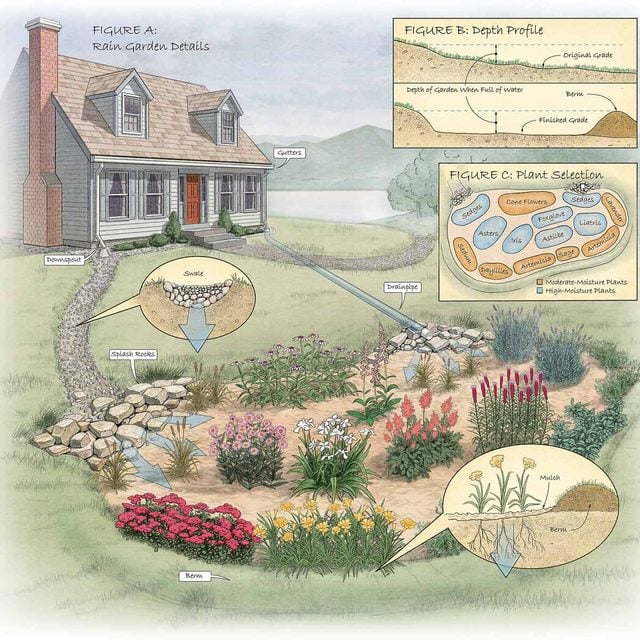
Credit: www.familyhandyman.com
Tips For Different Plant Types
Knowing how to properly water different types of plants is crucial for a thriving garden. Different plants have different needs, and understanding these can make all the difference. Here are some tailored tips for various plant categories to ensure each one gets the right amount of moisture.
Succulents And Cacti
Succulents and cacti thrive in drier conditions, making them unique compared to other plants. Water them sparingly, allowing the soil to dry out completely between waterings. A useful tip is to water them deeply but infrequently, perhaps once every two weeks.
Consider the environment too. If your succulents are indoors, they might need less water due to lower evaporation rates. Always remember, overwatering is their worst enemy.
Flowering Plants
Flowering plants often require more consistent moisture, especially during their blooming period. Water them when the top inch of soil feels dry to the touch. Aim for early morning watering to prevent fungal diseases, which can be encouraged by moisture sitting on leaves overnight.
Use a watering can with a spout to direct water at the base of the plant, keeping leaves dry. Have you ever noticed droopy blooms? It might be a sign they’re thirsty!
Vegetables And Herbs
Vegetables and herbs need regular watering to produce well. Most require about an inch of water per week, including rainfall. If you’re growing these in containers, they might need daily watering due to faster evaporation.
Consider mulching to help retain soil moisture and reduce the frequency of watering. Pay attention to the specific needs of each type—tomatoes, for example, thrive with deep, infrequent waterings, while herbs like basil prefer more consistent moisture.
By understanding the unique watering needs of your plants, you can ensure a lush and productive garden. Which plant in your garden do you find the trickiest to water properly?
Environmental Considerations
When you’re nurturing your garden, environmental considerations are crucial. They not only impact the health of your plants but also the surrounding ecosystem. As gardeners, you hold the power to make choices that align with nature’s rhythm.
Climate Impact
Your local climate plays a pivotal role in how you should water your plants. In dry climates, plants may require more frequent watering, but it’s essential to avoid overwatering. Consider the natural rainfall patterns; sometimes, they provide all the moisture your garden needs. In my experience, observing the weather forecast helps tailor watering schedules, ensuring plants aren’t drenched or starved.
Water Conservation Techniques
Water conservation is vital for sustainable gardening. Simple techniques can drastically reduce water usage. Install drip irrigation systems that deliver water directly to the plant roots, minimizing waste. Mulching is another fantastic method—it not only conserves water but also keeps the soil temperature stable. Have you tried collecting rainwater? It’s a natural and effective way to use what nature provides without tapping into municipal resources.
Frequently Asked Questions
How Often Should I Water Garden Plants?
Water garden plants typically once a week, ensuring deep soil saturation. Adjust frequency based on weather, plant type, and soil condition. In hot climates, consider watering more often. Morning watering helps prevent evaporation. Monitor plant health for signs of over or under-watering.
What’s The Best Method To Water Plants?
Use a soaker hose or drip irrigation for efficient watering. These methods deliver water directly to roots, minimizing waste. Water at the base of plants to prevent leaf diseases. Avoid overhead watering, which can lead to evaporation and fungal issues.
Can Rain Alone Sustain Garden Plants?
Rain can sometimes sustain garden plants, but it depends on frequency and amount. During dry spells, supplemental watering ensures plant health. Monitor soil moisture to determine if additional watering is needed. Rainwater harvesting can be a sustainable solution for garden irrigation.
How Do I Know If Plants Need Water?
Check soil moisture by inserting a finger or moisture meter. If the soil feels dry, it’s time to water. Wilting or drooping leaves may indicate dehydration. Regularly observe plant health to prevent over or under-watering. Adjust watering schedule based on seasonal changes.
Conclusion
Keeping your garden plants well-watered is essential. Healthy plants need consistent moisture. Check soil regularly to ensure it’s not dry. Water deeply but less often to encourage roots. Early mornings or late afternoons are best for watering. Avoid wetting leaves to prevent diseases.
Use mulch to retain soil moisture. Drip irrigation can provide precise watering. Always adjust based on weather conditions. Remember, every garden is unique. Observe and learn what your plants need. A little attention goes a long way. Happy gardening!







