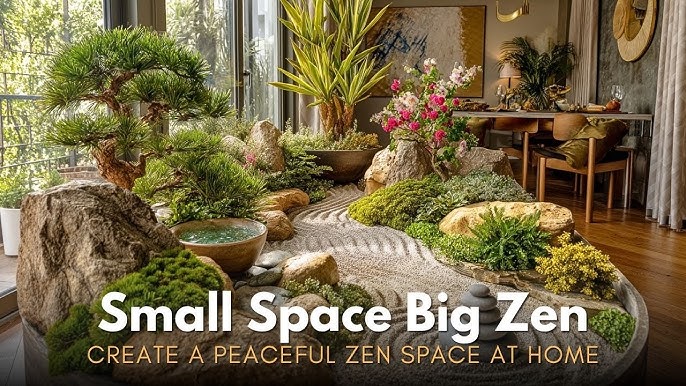
Imagine stepping into your home and immediately feeling a sense of peace and tranquility wash over you. Sounds appealing, right?
With a carefully crafted indoor Zen garden, this serene experience can become your reality. You don’t need a sprawling backyard or a green thumb to create your own little sanctuary. All it takes is a few simple steps and a touch of creativity.
Are you ready to transform a corner of your home into a personal oasis of calm? This guide will show you how, ensuring your space not only looks beautiful but also nurtures your mind and soul. Keep reading, and discover how you can invite more harmony into your daily life.
Choosing The Right Location
Choosing the Right Location Select a quiet corner with good natural light for your indoor Zen garden. Ensure the spot has a flat surface and is away from high-traffic areas to maintain tranquility.
Choosing the right location for your indoor Zen garden is essential. The perfect spot enhances relaxation and tranquility, making your Zen garden a peaceful retreat. Consider areas that receive natural light but aren’t too exposed. Avoid high-traffic places to maintain serenity.Finding The Balance Of Light
Natural light is crucial for an indoor Zen garden. Choose a location that gets sunlight during the day. Direct sunlight can be harsh, so partial light is ideal. A spot near a window that filters light works well.Ensuring Accessibility
Ensure your Zen garden is easy to reach. Accessibility is important for maintenance and enjoyment. Place it where you can easily interact with the elements. Avoid spots with many obstacles or limited space.Avoiding High Traffic Areas
Keep your Zen garden away from busy areas. High traffic disrupts the calm environment. Choose a quiet corner or a peaceful room. This ensures the garden remains undisturbed and serene.Considering Space Size
Space size impacts the design of your Zen garden. A larger area allows for more elements. Smaller spaces require creative arrangements. Ensure the space can comfortably hold your garden without feeling cramped.Assessing Room Temperature
Room temperature affects plant growth. Choose a location with stable temperature. Avoid areas with fluctuating temperatures. This helps your plants thrive and maintains the garden’s beauty. Create a calming space with these considerations. Your indoor Zen garden will become a sanctuary. Enjoy the peace it brings to your home.
Credit: www.youtube.com
Essential Elements Of A Zen Garden
Creating an indoor Zen garden involves incorporating essential elements like sand, stones, and plants. Sand symbolizes tranquility and can be raked to create calming patterns. Stones represent mountains or islands, providing a focal point. Adding small plants or moss introduces life and balance, enhancing the serene atmosphere.
Creating an indoor Zen garden can bring peace and tranquility into your home. This serene space combines natural elements to promote relaxation and mindfulness. To design your own Zen garden, focus on essential elements that capture its essence.Sand And Gravel
Sand and gravel form the base of a Zen garden. They represent water and help create a calm atmosphere. Use a rake to draw patterns, symbolizing waves or ripples. This activity is meditative and soothing. Choose white or light-colored sand for a clean look. Gravel can add texture and depth.Rocks And Stones
Rocks and stones symbolize strength and endurance. They provide contrast to the soft sand. Place them thoughtfully to mimic natural landscapes. Use various shapes and sizes to create harmony. Smooth stones can represent islands. Larger rocks can signify mountains.Plants And Greenery
Plants add life and color to your Zen garden. Select low-maintenance varieties like moss or small succulents. They require minimal care and thrive indoors. Greenery symbolizes growth and renewal. Arrange plants to balance with rocks and sand. This enhances the garden’s overall harmony.Designing Your Zen Garden
Creating a peaceful indoor Zen garden begins with choosing a quiet spot. Arrange small stones, sand, and miniature plants for simplicity. Use a rake to design calming patterns in the sand, promoting relaxation.
Designing your Zen garden is an art. It captures tranquility and simplicity. Every element matters, from sand patterns to rock arrangements. Focus on harmony and balance. Each piece should have a purpose.Creating Patterns In Sand
Use a small rake to draw patterns. Lines and circles are popular choices. They represent water and flow. Patterns should be neat and calming. Experiment with curves and spirals. These can add a dynamic feel. Avoid cluttering the sand with too many designs.Arranging Rocks For Harmony
Rocks are crucial in a Zen garden. They symbolize mountains and strength. Use different sizes for variety. Place larger rocks first as anchors. Smaller rocks complement them. Balance is key. Ensure rocks do not overwhelm the space. Group them in odd numbers for natural appearance.Incorporating Water Features
Water features add tranquility. Use a small fountain or water bowl. The sound of water soothes the mind. Place it in a corner to save space. Ensure water flow is gentle. It should not splash on sand or rocks. Keep it clean to maintain a fresh look.
Credit: m.youtube.com
Selecting Suitable Plants
Choosing the right plants is crucial for an indoor Zen garden. Opt for low-maintenance, calming greenery like succulents or ferns. These plants thrive indoors and enhance the tranquil atmosphere.
When you’re crafting your indoor Zen garden, one of the most crucial elements is selecting suitable plants. The right plants not only enhance the aesthetics but also contribute to the tranquility and balance that a Zen garden should embody. Your choices should reflect the garden’s intended mood and the conditions in your home. Let’s dive into how you can choose the perfect plants for your peaceful sanctuary.Low-maintenance Options
When it comes to creating a Zen garden indoors, you want plants that don’t demand much attention. Succulents and cacti are excellent choices due to their low watering needs and resilience. Bamboo is another option that symbolizes strength and flexibility, while being easy to care for. Consider air plants that thrive without soil; they are unique and require minimal care. These plants can be placed on rocks or driftwood, adding a natural element to your Zen garden. Have you ever felt overwhelmed by plant care? Choosing low-maintenance plants can alleviate that stress, allowing you to focus on meditation and relaxation.Choosing Based On Space And Light
Space and light are pivotal factors in plant selection. If your Zen garden is in a compact area, opt for smaller plants like bonsai trees or miniature orchids. These add elegance without overtaking the space. In rooms with limited light, consider snake plants or pothos, both known for their ability to thrive in low-light conditions. Conversely, if you have a sunlit spot, jade plants or aloe vera can flourish and add a vibrant touch. Assess your space and light conditions before purchasing plants. Are your windows letting in enough light for your chosen greenery? This simple check can save you from disappointment later on. By choosing the right plants, you set the stage for a serene and harmonious indoor Zen garden. Which plants will you invite into your tranquil space?Adding Decorative Accessories
Enhance your indoor Zen garden with decorative stones, miniature statues, and sand patterns. Create a peaceful atmosphere with soft lighting and small plants. These accessories add tranquility and beauty to your space.
Adding decorative accessories to your indoor zen garden can transform it from a simple setup into a captivating sanctuary. These elements not only enhance the aesthetic appeal but also contribute to the tranquil atmosphere you’re aiming to create. When choosing accessories, consider how each piece resonates with your personal sense of peace and harmony.Statues And Sculptures
Statues and sculptures can serve as focal points in your zen garden. Consider adding a small Buddha statue or a serene figure that embodies tranquility. These pieces can inspire a sense of calm and focus, much like finding that perfect shell during a peaceful walk on the beach. Smaller sculptures can be nestled among your plants or stones, creating intriguing layers of interest. If you have a favorite shape or symbol that brings you peace, such as a lotus or a yin-yang, include it. Each piece should reflect your personal journey towards inner peace.Lighting For Ambiance
Lighting is crucial in setting the mood of your indoor zen garden. Soft lighting can transform the space into a serene retreat. Consider using LED candles or fairy lights for a warm glow that mimics the gentle light of dusk. Strategically placed lights can highlight key features of your garden, such as a beautiful stone arrangement or a calming water feature. You might even experiment with colored lights to see how different hues affect your mood. What color makes you feel most at peace? Remember, the goal is to create a soothing environment that you can return to at the end of a long day. So take your time selecting the lights that best complement your garden’s design and your personal style.Maintaining Your Zen Garden
Creating a Zen garden is just the beginning. Keeping it serene and beautiful requires regular care. With simple tasks, your garden stays a peaceful retreat. Let’s explore key maintenance activities.
Regular Cleaning And Raking
Dust and debris can accumulate over time. Clean surfaces often to preserve tranquility. Use a soft brush or cloth to remove dust. Raking the sand patterns is essential. It keeps the garden looking fresh and inviting. Choose a rake designed for Zen gardens. Create soothing lines and patterns in the sand. This practice calms the mind.
Pruning And Care For Plants
Plants in your Zen garden need attention too. Prune regularly to keep them healthy. Trim any dead leaves or branches. This encourages new growth. Water the plants as needed. Be cautious not to overwater. Each plant has unique needs. Understand their requirements for light and soil. Healthy plants enhance the garden’s beauty.
Benefits Of An Indoor Zen Garden
Creating an indoor Zen garden can transform your living space. It offers tranquility and beauty, bringing peace and harmony. This miniature garden provides several benefits, enriching both your mind and home.
Improving Mental Health
An indoor Zen garden helps reduce stress. Watching the sand patterns can calm your mind. The garden encourages mindfulness and meditation. It creates a serene environment for relaxation. Breathing exercises become more effective with the garden’s presence.
Enhancing Home Aesthetics
A Zen garden adds elegance to your decor. Its minimalist design blends with any style. The garden introduces natural elements indoors. It creates a focal point that draws attention. Your home feels more balanced and inviting.

Credit: www.architecturaldigest.com
Frequently Asked Questions
What Is A Zen Garden?
A Zen garden is a minimalist space designed for meditation and relaxation. It typically includes rocks, sand, and small plants. Zen gardens promote tranquility and mindfulness, making them ideal for indoor spaces. They are easy to maintain, requiring only simple arrangements and occasional upkeep.
How Do I Start My Indoor Zen Garden?
Begin by choosing a suitable container like a shallow tray or pot. Add sand or gravel as the base, then arrange rocks and small plants. Customize it with elements like a Buddha statue or candles. Regularly rake the sand to maintain patterns and cultivate peace.
Which Plants Are Ideal For Zen Gardens?
Choose low-maintenance plants like succulents, moss, or bonsai trees. These thrive in indoor environments and require minimal care. They complement the serene aesthetics of Zen gardens, enhancing tranquility. Ensure your plants receive adequate light and water to maintain their health and beauty.
How Often Should I Maintain My Zen Garden?
Regular maintenance is essential for preserving your Zen garden’s tranquility. Rake the sand weekly to refresh patterns and remove debris. Trim and water plants as needed, ensuring they stay healthy. This routine keeps your garden looking serene and inviting.
Conclusion
Creating your indoor zen garden brings peace to your home. It’s simple and calming. Start small with sand and stones. Add plants for a touch of nature. Let your creativity flow with unique designs. Relax and meditate in your serene space.
Your zen garden reflects personal tranquility. Enjoy each moment spent in this peaceful area. It boosts relaxation and reduces stress. Feel the harmony it brings to your living space. Anyone can craft a zen garden with ease. Begin today and transform your indoor environment.
Find your inner peace through this beautiful practice.







