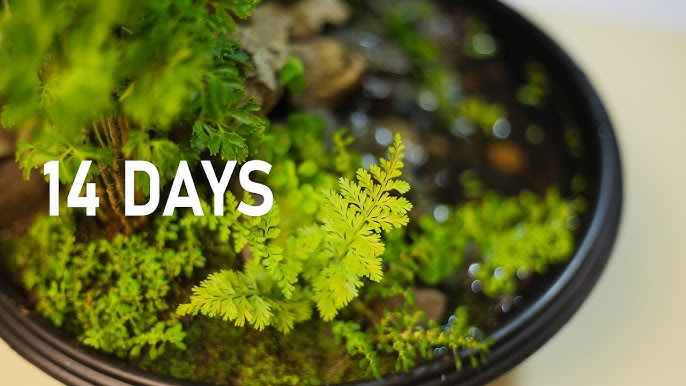
Imagine stepping into a room filled with lush greenery and vibrant blooms, all within the comfort of your home. This isn’t just a dream; it’s a reality you can create with an indoor garden.
Bringing nature inside not only enhances your living space but also boosts your mood and purifies the air you breathe. Are you curious about how to transform a dull corner into a thriving oasis? Whether you have a spacious apartment or a cozy nook, you can cultivate your own indoor paradise.
Keep reading to discover simple steps and secrets that will turn your home into a green sanctuary, even if you’ve never gardened before. Your journey to a vibrant indoor garden starts here, and it’s easier than you might think.
Choosing The Right Plants
Choosing the Right Plants Select plants that thrive indoors, like ferns or succulents. Consider light levels and space availability. These factors ensure a flourishing indoor garden.
Choosing the right plants for your indoor garden is essential. Each plant has unique needs and characteristics. Selecting suitable plants ensures they thrive indoors. Consider factors like light, air quality, and seasons. Here’s a guide to help you choose the best plants for your indoor garden.Low Light Options
Some plants grow well in low light conditions. Perfect for rooms with less sunlight. Peace lilies and snake plants are great choices. They adapt to limited lighting. Place them in corners or dimly lit areas. These plants are hardy and require minimal care. Ideal for beginners and busy individuals.Air-purifying Varieties
Indoor air quality is crucial for health. Certain plants clean and freshen the air. Spider plants and ferns are excellent air purifiers. They remove toxins and enhance air quality. These plants are easy to maintain. They add greenery and improve the environment. Great for homes and offices.Seasonal Plants
Seasonal plants bring variety to your garden. Change them with seasons to keep it vibrant. Spring bulbs like tulips and daffodils add color. In winter, opt for poinsettias or Christmas cactus. These plants reflect the season’s mood. They create a dynamic and lively indoor space. Perfect for a refreshing change.Designing Your Garden Layout
Creating an indoor garden involves selecting the right plants, ensuring proper lighting, and arranging them thoughtfully. Choose small pots to fit your space, and place them near windows for natural light. Consider vertical layouts or shelves to maximize space and maintain an organized look.
Designing your indoor garden layout can transform your living space into a lush, green sanctuary. The key is to create a layout that fits your space and lifestyle while allowing your plants to thrive. Whether you’re dealing with a small apartment or a spacious home, the right design can make all the difference.Small Space Solutions
If you’re working with limited space, creativity is your best friend. Consider placing plants on windowsills or using multi-tiered plant stands to maximize vertical space. You could also try hanging planters from the ceiling or walls to keep your floor space free. Think about how you can use furniture to integrate plants. A bookshelf can be a great place for small potted plants, adding life to your reading corner. Don’t be afraid to mix and match plant sizes to create depth and interest.Vertical Garden Ideas
Vertical gardens are perfect for adding greenery without sacrificing space. You can use wall-mounted planters or create a DIY vertical garden using a wooden pallet. This not only saves space but also adds a unique focal point to your room. Consider the light requirements of your plants. Ensure your vertical garden is placed in a well-lit area, or supplement with grow lights if necessary. Vertical gardens can also double as natural dividers, subtly separating different areas of a room.Container And Pot Selection
Choosing the right containers is crucial for both plant health and aesthetics. Consider the material, size, and drainage capabilities of each pot. Terracotta pots are great for moisture control, while ceramic pots offer a variety of stylish designs. Match your pots with the decor of your room. A sleek, modern space might benefit from minimalist pots, while a rustic room could use more earthy designs. Always ensure your pots have drainage holes to prevent waterlogging, which can harm your plants. Take a moment to envision your ideal indoor garden. What colors and textures do you want to see? How will it fit into your daily life? With thoughtful design, your indoor garden can become a soothing retreat you enjoy every day.Essential Tools And Materials
Creating an indoor garden requires careful planning and preparation. Choosing the right tools and materials is crucial for a successful indoor gardening experience. Equipped with the essentials, you’ll find it easier to nurture your plants and enjoy their beauty year-round.
Gardening Tools
A few basic tools make indoor gardening easier and more efficient. Consider investing in:
- Pruning shears: Essential for trimming and maintaining plant health.
- Hand trowel: Useful for planting and transplanting small plants.
- Watering can: Ensures even water distribution to your plants.
- Gloves: Protect your hands from dirt and potential irritants.
Soil And Fertilizers
The right soil mix is vital for plant growth. Use potting soil that provides good drainage and aeration. Fertilizers enrich the soil and support plant health. Choose organic or synthetic options based on your preference.
- Potting soil: Provides nutrients and retains moisture.
- Compost: Improves soil structure and fertility.
- Liquid fertilizers: Easy to apply and quickly absorbed by plants.
Watering Systems
Proper watering is essential for plant survival. Consider different watering systems to suit your needs.
- Self-watering pots: Reduce the frequency of watering.
- Drip irrigation: Provides consistent moisture to plants.
- Misters: Keep humidity levels optimal for tropical plants.
Credit: uk.style.yahoo.com
Lighting And Climate Control
Proper lighting ensures healthy plant growth indoors. Use LED grow lights to mimic sunlight. Climate control helps maintain optimal temperature and humidity. Consider a programmable thermostat for precise adjustments. Together, these elements create a thriving indoor garden environment.
Creating a thriving indoor garden requires careful attention to lighting and climate control. These elements play a crucial role in plant health and growth. Understanding how to manage lighting and climate can transform your indoor space into a lush garden oasis.Natural Lighting Techniques
Maximize sunlight by placing plants near south-facing windows. Use sheer curtains to diffuse intense sunlight. Mirrors can help reflect light deeper into the room. Rotate plants regularly for even light exposure. Consider skylights for additional natural light access.Artificial Lighting Options
LED grow lights are energy-efficient and versatile. They provide the full spectrum necessary for plant growth. Fluorescent lights are suitable for seedlings and low-light plants. Incandescent bulbs are less efficient but can support warmth-loving plants. Position lights at the correct height for optimal growth.Temperature And Humidity Management
Maintain a stable temperature between 65°F and 75°F. Use a thermometer to monitor fluctuations. Humidity levels should be around 40-60%. Humidifiers can boost moisture in dry environments. Ensure good air circulation with fans to prevent mold. Avoid placing plants near heat sources or drafts.Maintenance Tips
Create an indoor garden by choosing the right plants for your space. Ensure they receive adequate light and water. Regularly check for pests to keep plants healthy and thriving.
Creating an indoor garden can be a rewarding experience, bringing a slice of nature into your home. However, maintaining it requires consistent care and attention. With the right strategies, you can ensure your indoor oasis remains vibrant and thriving. Here are some essential maintenance tips to keep your indoor garden lush and healthy.Pruning And Trimming
Pruning is crucial for promoting healthy growth and preventing disease. It involves removing dead or yellowing leaves, as well as trimming back overgrown branches. Regular pruning not only improves the appearance of your plants but also encourages them to grow fuller and more robust. Think of pruning like giving your plants a haircut—it’s all about keeping them looking their best and in top condition. Use sharp scissors or gardening shears to make clean cuts, which helps your plants heal faster. Don’t be afraid to experiment; your plants will thank you for the attention.Pest Control Methods
Indoor gardens are not immune to pests. Common invaders include aphids, spider mites, and fungus gnats. The good news is you don’t need harsh chemicals to keep them at bay. Consider using natural solutions like neem oil or insecticidal soap, which are both effective and eco-friendly. Regularly inspecting your plants can help catch infestations early. You might also try introducing beneficial insects like ladybugs to help control pest populations naturally.Regular Watering Schedule
Watering is perhaps the most critical aspect of plant care. Too much or too little can stress plants, making them susceptible to disease. Establishing a regular watering schedule is key to maintaining a healthy indoor garden. Consider the specific needs of each plant species. Some plants prefer their soil to dry out between waterings, while others thrive in consistently moist environments. Use the finger test—stick your finger an inch into the soil; if it feels dry, it’s time to water. Over time, you’ll develop a feel for your plants’ unique needs. By focusing on these maintenance tips, your indoor garden will not only survive but thrive, adding beauty and tranquility to your living space. What new plant care strategy will you try next?Incorporating Aesthetic Elements
Enhance your indoor garden by using decorative pots and plant stands. Arrange plants with varied heights and textures for visual appeal. Integrate natural elements like stones or wood for a harmonious look.
Incorporating aesthetic elements into your indoor garden not only enhances its visual appeal but also creates a harmonious environment that uplifts your mood. Imagine walking into a room where every corner tells a story through its vibrant greens, tasteful accessories, and a carefully curated palette. By paying attention to these details, you can transform any space into a sanctuary that reflects your personal style and creativity.Decorative Accessories
Decorative accessories can add charm and character to your indoor garden. Consider using items like elegant plant stands, ornate pots, or even whimsical garden gnomes to infuse personality into the space. Mirrors can be strategically placed to reflect plants, making the room feel larger and more lush. Picture frames with botanical prints can tie the theme together, while fairy lights can create a cozy ambiance in the evenings.Color Coordination
Color coordination is key to creating a visually pleasing indoor garden. Start by selecting a color scheme that complements the existing decor of your room. Think about the colors of the pots, shelves, and even the plants themselves. For instance, pairing vibrant green plants with terracotta pots can create a warm, earthy vibe. Alternatively, sleek black or white pots can offer a modern contrast to colorful foliage.Creative Plant Arrangements
Creative plant arrangements can bring dynamism to your indoor garden. Mix and match different plant heights and types to create an eye-catching display. Consider layering plants on shelves or hanging them from the ceiling to add depth and interest. Grouping plants with similar care requirements can also make maintenance easier while creating a cohesive look. Have you ever tried arranging plants by texture? Combining smooth-leaved plants with those that have fuzzy or spiky textures can offer an unexpected twist. Creating an indoor garden is like painting a living masterpiece. What story will your garden tell?Benefits Of Indoor Gardening
Creating an indoor garden offers easy access to fresh herbs and improves air quality. It provides a relaxing hobby, enhancing mood and creativity. Simple pots or vertical setups can transform small spaces into vibrant, lush environments.
Indoor gardening offers numerous benefits that enhance your lifestyle in delightful ways. These small green spaces inside your home can positively impact your health, environment, and personal satisfaction. Whether you have a sprawling indoor garden or a few pots on your windowsill, the advantages are substantial.Health And Well-being
Plants purify the air by removing toxins. They increase humidity, which reduces dry skin and respiratory issues. This creates a healthier indoor environment. Studies show that spending time with plants reduces stress. It improves mood and boosts mental clarity. Indoor gardening also encourages physical activity, which benefits your health.Environmental Impact
Indoor plants contribute to a cleaner environment. They absorb carbon dioxide and release oxygen, improving air quality. This process helps combat indoor pollution. Indoor gardening can reduce your carbon footprint. Growing your own herbs and vegetables reduces reliance on store-bought goods. This cuts down on packaging waste and transportation emissions.Personal Satisfaction
Creating an indoor garden is deeply satisfying. Watching plants grow and thrive can be immensely rewarding. It fosters a sense of accomplishment and pride. Caring for plants teaches patience and responsibility. It creates a peaceful routine, bringing joy into your daily life. Indoor gardening allows for creative expression. You can design and arrange plants to suit your style.
Credit: minigardenguru.com

Credit: www.youtube.com
Frequently Asked Questions
How Do I Start An Indoor Garden?
Starting an indoor garden involves choosing suitable plants, containers, and soil. Ensure proper light and water conditions. Select easy-to-grow plants like herbs or succulents. Regularly check for pests and maintain optimal humidity. Begin with a small setup and expand as you gain confidence.
What Plants Are Best For Indoor Gardens?
Indoor gardens thrive with low-maintenance plants like spider plants, pothos, and peace lilies. Herbs like basil and mint are great choices. Succulents and cacti are also popular. Consider the light conditions and space available to ensure the best plant selection for your indoor garden.
How Much Light Do Indoor Plants Need?
Indoor plants require varying light levels. Some need bright, indirect light, while others thrive in low light. Assess each plant’s needs before placement. Use grow lights for added support in dim areas. Regularly monitor plant health to adjust lighting conditions accordingly.
How Often Should I Water My Indoor Garden?
Watering frequency depends on plant type and indoor conditions. Most indoor plants need watering once a week. Check soil moisture before watering. Overwatering can harm plants, so ensure pots have proper drainage. Adjust watering schedule based on seasonal changes and plant growth.
Conclusion
Creating an indoor garden is both fun and rewarding. Plants breathe life into your home. They freshen the air and lift your mood. Start small with easy-to-care plants. Find the right spot with good light. Use quality soil and pots for healthy growth.
Regular watering keeps plants happy. Watch them grow and thrive. The joy of nurturing plants is unmatched. It’s a hobby that relaxes and inspires. Enjoy the beauty and calm they bring. Your indoor garden can transform your space. Dive in and let nature enhance your home.







