Are you tired of watching your garden plants grow at a snail’s pace? Imagine walking through your garden, surrounded by lush greenery and vibrant flowers, blooming faster than ever.
The secret to transforming your garden into a thriving oasis lies in understanding the simple tricks that can speed up plant growth. You’re about to discover techniques that can turn your garden into a lively paradise, filled with healthy, fast-growing plants.
Unlocking this potential not only enhances the beauty of your space but also brings you closer to nature. Dive in to uncover these easy-to-apply tips, and you’ll soon be on your way to a garden that flourishes with vitality and color. Ready to supercharge your garden? Let’s get started!
Optimal Soil Preparation
For faster plant growth, prepare the soil optimally. Good soil boosts plant health and productivity. Well-prepared soil provides essential nutrients and proper drainage. Start by understanding your soil’s current condition. Then, enhance it with necessary amendments.
Soil Testing
Test the soil to know its nutrient levels. Use a simple home test kit. Check for pH levels, nitrogen, phosphorus, and potassium. Knowing this helps in choosing suitable amendments. This testing ensures your plants get the right nutrients.
Amendment Options
After testing, choose soil amendments. Organic matter like compost enriches soil. It adds nutrients and improves texture. Use bone meal for phosphorus boost. Add lime to raise pH or sulfur to lower it. Each amendment targets specific soil needs.
Proper Drainage
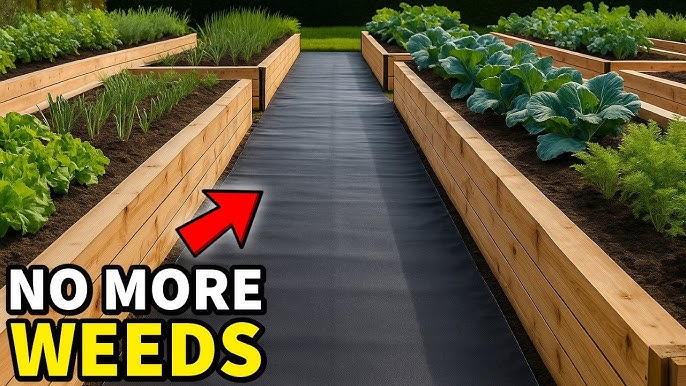
Ensure the soil has good drainage. Poor drainage leads to root rot. Use sand or gravel to improve drainage in clay soils. Raised beds are another option for better water flow. Test soil drainage by observing water absorption after rain.
Credit: m.youtube.com
Choosing The Right Plants
Selecting the right plants is crucial for faster growth. Opt for species suited to your climate and soil. This ensures they receive the necessary nutrients and conditions to thrive efficiently.
Choosing the right plants is essential for a thriving garden. Not all plants suit every environment. Selecting the best plants involves understanding your garden’s conditions. Consider native and exotic species, and the local climate. This helps ensure your plants grow faster and healthier.Native Vs. Exotic Species
Native plants adapt well to local conditions. They require less care and resources. These plants resist pests and diseases naturally. Exotic plants, on the other hand, may need more attention. They might not thrive in unfamiliar climates. Exotic species can add unique beauty to a garden. Yet, they may also disrupt local ecosystems. Balance is key when choosing between native and exotic plants.Climate Considerations
Climate plays a vital role in plant growth. Understand your area’s temperature ranges. Some plants thrive in warm climates, others prefer cooler conditions. Rainfall affects plant health significantly. Choose plants that match your region’s rainfall patterns. Consider sunlight exposure in your garden. Some plants need full sun, others do well in shade. Adapting plant choices to climate ensures better growth and vitality.Efficient Watering Techniques
Efficient watering techniques help garden plants grow faster by ensuring optimal moisture levels. Water deeply but less frequently to encourage deep root growth. Early morning or late afternoon is ideal for watering, reducing evaporation and maximizing absorption.
Efficient watering techniques play a crucial role in boosting plant growth. Proper hydration helps plants absorb essential nutrients, improving their overall health. Knowing when and how to water can make a significant difference. Below are some strategies to ensure your garden thrives.Watering Frequency
Understanding the right watering schedule is vital. Too much or too little can harm plants. Most gardens benefit from a consistent routine. Early morning is ideal, reducing evaporation and disease risks. Check soil moisture before watering. Use a finger to test the soil. If dry, it’s time to water. Adjust frequency based on weather. Hot days require more frequent watering. During cooler seasons, reduce the frequency.Drip Irrigation Systems
Drip irrigation offers precision watering. It delivers water directly to plant roots. This method conserves water and promotes healthy growth. Install emitters near each plant. They provide slow, steady moisture. Drip systems minimize water waste. They are suitable for various garden sizes. Customize settings to match plant needs. Automation simplifies the process. It ensures plants receive consistent hydration.Rainwater Harvesting
Rainwater is a sustainable watering option. Collecting it reduces reliance on tap water. Install rain barrels to gather runoff. Position barrels under gutters for maximum collection. Use a hose to direct rainwater to plants. Rainwater is free from chemicals, benefiting plant health. It’s an eco-friendly solution for drought-prone areas. Keep barrels covered to prevent debris accumulation. Regularly check for leaks to maintain efficiency.Fertilization Strategies
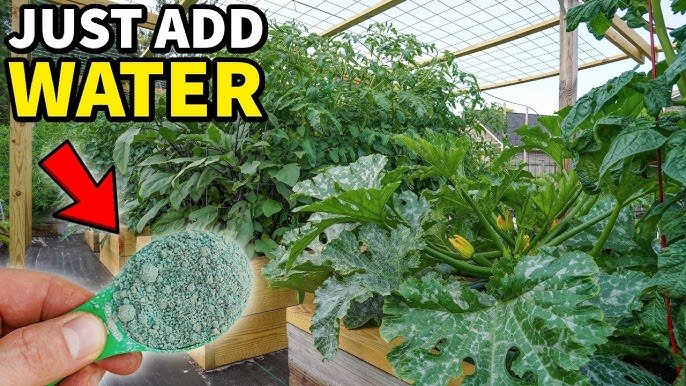
Boost plant growth with balanced fertilization. Use organic compost for nutrients and improve soil health. Apply liquid fertilizers for quick absorption, ensuring lush and vibrant plants.
Fertilization is crucial for accelerating the growth of garden plants. Using the right fertilization strategies can make a significant difference in how quickly your plants thrive. There are many choices out there, and understanding the options can help you make the best decision for your garden.Organic Vs. Synthetic Fertilizers
Choosing between organic and synthetic fertilizers can be a bit challenging. Organic fertilizers are derived from natural sources like compost, manure, and bone meal. They improve soil structure and increase microbial activity, which can lead to healthier plants over time. Synthetic fertilizers, on the other hand, are chemically manufactured and provide nutrients in a readily available form. They often produce quicker results, but may not improve soil health. Think about what your garden needs and consider trying both types to see which works best for your plants.Application Timing
Timing is everything when it comes to fertilizing your plants. Applying fertilizers at the right time can maximize their effectiveness and boost plant growth. Generally, it’s best to fertilize early in the growing season when plants are actively growing. However, some plants might require mid-season feeding to maintain their vigor. Always check the specific needs of your plants. Are your plants showing signs of nutrient deficiency? This might be a clue that it’s time to fertilize. Understanding these fertilization strategies can help you create a thriving garden. What will you try first?Pruning And Maintenance
Regular pruning helps plants focus energy on growth. Removing dead branches improves air circulation and sunlight exposure. Consistent maintenance fosters faster development and healthier plants.
Pruning and maintenance are essential practices to ensure your garden plants grow faster and healthier. Proper care can make a significant difference in the vitality of your plants. By understanding the nuances of pruning and maintaining, you can maximize growth and prevent common issues.Seasonal Pruning
Seasonal pruning is crucial for stimulating growth. Each plant has its own optimal pruning time. Know your plant’s cycle; some thrive when pruned in early spring, while others prefer late fall. Removing dead or overgrown branches not only enhances aesthetic appeal but also improves air circulation. This reduction in density allows sunlight to penetrate deeper, nourishing every part of the plant. Consider my rose bushes last spring. I noticed they were becoming leggy and lacked blooms. A timely pruning session rejuvenated them, resulting in a lush display of vibrant flowers.Pest And Disease Control
Pests and diseases can stunt plant growth. Regular checks can prevent infestations before they become severe. Look for signs like holes in leaves or discolored patches. Use natural remedies for pest control. Neem oil or soapy water can deter harmful insects without damaging the plant. Have you ever seen a plant wilt despite getting enough water and sunlight? Often, the culprit is disease. Early detection and treatment can save your plant from irreversible damage. Maintaining a clean garden by removing debris and fallen leaves reduces the risk of disease. Healthy plants are less susceptible to attacks. Regular maintenance is your first line of defense against these threats. Pruning and maintenance require dedication, but the results are well worth the effort. Are you ready to take your garden’s growth to the next level?
Credit: www.yahoo.com
Maximizing Sunlight Exposure
Placing garden plants in areas with direct sunlight boosts their growth. Ensure they receive at least six hours of sunlight daily to thrive. Adjust plant positions seasonally for optimal exposure.
Maximizing sunlight exposure is crucial for healthy plant growth. Sunlight fuels photosynthesis, helping plants thrive. Strategically planning your garden can enhance sunlight absorption. Let’s explore some effective methods.Garden Layout
Organize your garden to maximize sunlight. Place taller plants on the north side. This prevents them from shading shorter plants. Consider rows running east to west. This arrangement ensures each plant receives equal sunlight. Use raised beds to improve drainage and sunlight exposure. Keep pathways narrow to allow more room for plants.Shade Management
Manage shade effectively for optimal plant growth. Trim overhanging branches that block sunlight. Use reflective surfaces to redirect sunlight onto plants. Aluminum foil or white rocks can help. Consider movable sun reflectors for flexible lighting. Avoid planting too close to walls or fences. These structures can cast long shadows, limiting sunlight.Companion Planting Benefits
Pairing specific plants can boost growth speed. Some plants repel pests, while others enrich the soil. This balance creates a thriving environment.
Companion planting is an age-old gardening practice that can significantly boost the growth of your plants. By strategically placing certain plants together, you can create a thriving environment where each plant supports the other. This method is not only practical but can also lead to faster and healthier growth in your garden.Pest Deterrence
One major benefit of companion planting is pest deterrence. Certain plants can repel harmful insects, protecting their neighbors. For example, marigolds are known to deter nematodes, a common garden pest. Are you tired of battling aphids? Planting garlic or onions near your roses can help keep these pesky bugs at bay. Imagine a garden where you need less pesticide because your plants naturally fend off intruders!Nutrient Sharing
Companion planting also promotes nutrient sharing among plants. Some plants have deep roots that bring nutrients to the surface, benefiting shallow-rooted plants nearby. Consider planting deep-rooted carrots next to shallow-rooted lettuce. The carrots will draw up nutrients that the lettuce can easily access, enhancing its growth. Have you noticed yellowing leaves on your plants? It could be a nutrient deficiency, which companion planting might solve. Give your plants a nutrient boost by pairing them wisely.
Credit: www.youtube.com
Frequently Asked Questions
What Are The Best Fertilizers For Fast Growth?
Using balanced fertilizers like 10-10-10 or 20-20-20 promotes quick plant growth. These fertilizers provide essential nutrients like nitrogen, phosphorus, and potassium. Organic options like compost and manure also boost growth. Apply fertilizers according to package instructions to avoid over-fertilization.
How Often Should I Water My Garden Plants?
Water your garden plants deeply, about once or twice a week. The frequency depends on the climate and soil. Ensure the soil remains moist but not waterlogged. Overwatering can harm plant roots, so check soil moisture regularly.
Do Plants Grow Faster With More Sunlight?
Yes, plants generally grow faster with sufficient sunlight. Sunlight provides energy for photosynthesis, essential for growth. Ensure your plants get the right amount of sunlight based on their specific needs. Too much or too little sunlight can hinder growth.
Is Pruning Necessary For Faster Plant Growth?
Pruning is essential for faster and healthier plant growth. It removes dead or diseased branches, promoting new growth. Pruning also enhances air circulation and sunlight penetration. Regularly prune your plants based on their growth cycle and type.
Conclusion
Growing plants faster requires simple, consistent care. Proper sunlight and water are crucial. Use quality soil for better nutrients. Regular pruning helps plants stay healthy. Organic fertilizers boost growth naturally. Pay attention to pest control. Healthy plants grow quicker. Observe your garden regularly.
Make adjustments as needed. Patience is key in gardening. Small efforts lead to big results. Enjoy the process of nurturing your garden. It’s a rewarding journey. Happy gardening!