Imagine stepping into your garden and being greeted by a dance of colorful butterflies, each fluttering gracefully from flower to flower. The thought itself is enchanting, isn’t it?
Creating a butterfly garden isn’t just about adding beauty to your outdoor space; it’s about inviting nature’s most delicate creatures into your world. If you’ve ever wondered how to transform your garden into a butterfly haven, you’re in the right place.
This guide will walk you through the essentials of designing a butterfly garden that will not only captivate your senses but also support the environment. Ready to bring a touch of magic to your backyard? Let’s dive into the art of butterfly garden design and discover how you can create a sanctuary that both you and these mesmerizing insects will love.
Choosing The Right Location
Selecting the perfect spot for your butterfly garden is crucial. Ensure it receives ample sunlight and is sheltered from strong winds. A calm, sunny area will attract more butterflies and help your plants thrive.
Choosing the Right Location Creating a butterfly garden is a delightful venture, but the magic truly unfolds when you choose the right location. Your garden’s position is crucial, not just for attracting butterflies but for sustaining their visits. A well-chosen spot can transform your garden into a vibrant sanctuary. How do you identify the perfect place for your fluttering guests?Sunlight Requirements
Butterflies thrive in sunlight, basking in its warmth as they flit from flower to flower. Your garden should receive at least 6 hours of sunlight daily. Consider spots that are sun-drenched and free from shadows cast by buildings or trees. Have you ever noticed how butterflies disappear when clouds roll in? It’s all about the sun. A sunny location is not only inviting for butterflies but also essential for the growth of nectar-rich plants.Wind Protection
Butterflies are delicate creatures, easily disturbed by strong winds. To ensure their comfort, your garden should have some form of wind protection. This could be a natural barrier like a hedge or a strategically placed fence. Wind can be a real deterrent for butterflies, hindering their graceful flight. How can you create a calm oasis where they can glide effortlessly? By shielding them from gusts, you’re giving them a safe haven to feed and rest.Accessibility
While butterflies are the primary guests, think about your own access to the garden. Choose a location that is easily reachable for regular maintenance and enjoyment. A garden that is difficult to access can quickly become neglected. Wouldn’t it be a shame to miss out on your garden’s beauty because it’s too far from your daily path? Consider paths or proximity to your home. This ensures you can effortlessly tend to the plants and enjoy the butterflies whenever you please.Selecting Butterfly-friendly Plants
Choose native plants to attract butterflies naturally. Include nectar-rich flowers and host plants for caterpillars. Create layers with different plant heights for diverse butterfly habitats.
Creating a butterfly garden isn’t just about aesthetics; it’s about inviting a flutter of life into your backyard. Selecting the right plants is crucial to ensure your garden becomes a haven for these delicate creatures. When you choose wisely, your garden will buzz with activity, offering a natural spectacle right outside your window.Nectar-rich Flowers
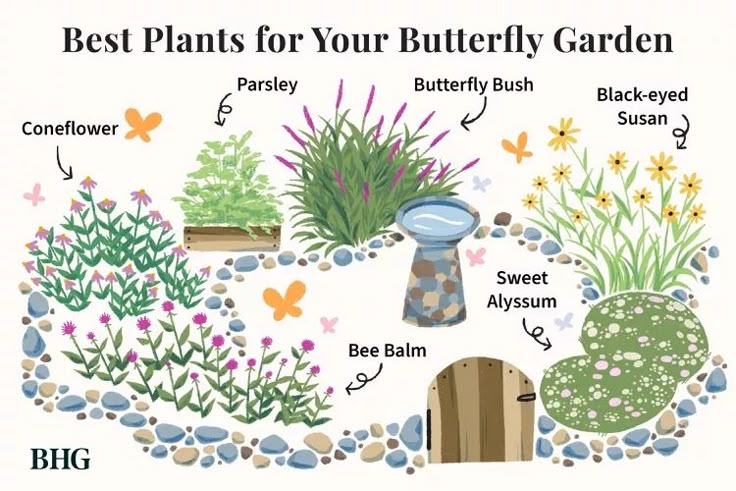
Butterflies are drawn to vibrant, nectar-rich flowers. These blooms provide essential nourishment and energy for their daily activities. Consider planting coneflowers, zinnias, and lantanas. Their bright colors and sweet scents are irresistible to butterflies. Tip: Plant flowers in clusters. This makes it easier for butterflies to spot them and reduces their energy expenditure.Host Plants For Caterpillars
While adult butterflies feast on nectar, caterpillars need specific host plants to thrive. These plants are where butterflies lay their eggs. For instance, milkweed is essential for monarch caterpillars. Similarly, parsley and fennel support swallowtail caterpillars. Did you know? Without the right host plants, many butterfly species wouldn’t survive. Consider dedicating a section of your garden to these crucial plants.Native Plant Options
Native plants are adapted to your local climate and soil, making them a sustainable choice. They often require less water and care, thriving naturally without much intervention. Research local nurseries or conservation centers for native plant recommendations. Challenge: Can you create a garden that’s both beautiful and eco-friendly? Native plants offer a perfect balance, supporting local ecosystems and providing for butterflies. By thoughtfully selecting plants, you can transform your garden into a thriving ecosystem. Embrace the beauty and diversity that butterflies bring, and enjoy the vibrant, ever-changing canvas of your garden.Creating A Water Source
A small water feature attracts butterflies to your garden. Install a shallow dish filled with fresh water. Add stones for resting places, ensuring a safe environment for your fluttering guests.
Creating a water source in your butterfly garden is like offering a refreshing oasis for these delicate creatures. Butterflies need water to thrive, but not in the same way birds or larger animals do. They prefer shallow sources that allow them to sip safely without submerging themselves. Adding the right water features can make your garden a magnet for butterflies, inviting them to linger and enjoy.Shallow Water Features
Incorporate shallow water features that butterflies can easily access. A simple birdbath with a few rocks can serve as a perfect landing spot. Ensure the water is clean and shallow enough for butterflies to stand without getting soaked. A small fountain or dripper can keep the water fresh, attracting a variety of butterflies to your garden.Mud Puddles
Mud puddles offer nutrients essential for butterfly health. Create a small muddy area by mixing dirt with water, allowing butterflies to sip and absorb minerals. Place it in a sunny spot to maintain warmth, which butterflies love. Adjust the moisture level regularly to ensure it’s inviting and not too dry.Moisture-retaining Elements
Use moisture-retaining elements like sponges or moss that can hold water for extended periods. They serve as a consistent source of hydration for butterflies, even on hot days. Position them in shaded areas to prevent rapid drying. Experiment with different locations to see where butterflies gather most, enhancing your garden’s appeal. Isn’t it fascinating how such simple additions can transform your garden into a butterfly haven?Designing For Aesthetic Appeal
Create a butterfly garden with vibrant flowers and native plants to attract these beautiful creatures. Use winding paths and natural elements like rocks and water to enhance the aesthetic appeal. Focus on color harmony and plant diversity for a captivating and lively garden space.
Designing a butterfly garden with aesthetic appeal involves creating a space that delights both butterflies and humans. The interplay of colors, textures, and seasonal changes can transform a simple garden into a vibrant haven. A well-designed garden not only attracts butterflies but also offers a visual feast for anyone who steps into it.Color Coordination
Colors play a crucial role in garden design. Bright, vivid hues attract butterflies while creating a lively atmosphere. Mix complementary colors like purple and yellow to create contrast and interest. Consider the size and shape of flowers, as these factors contribute to overall harmony. Use a color wheel to plan your palette, ensuring a balanced display.Layered Planting
Layering plants adds depth and dimension to your garden. Start with taller plants at the back. Then, place medium-sized plants in the middle. Finally, use smaller plants at the front. This layered approach creates a tiered effect. It also maximizes space and provides varied habitats for butterflies. Each layer should offer nectar and resting places.Seasonal Blooms
Seasonal blooms ensure year-round interest. Select plants that flower at different times. This keeps the garden appealing throughout the year. Spring might feature vibrant tulips, while summer showcases daisies. Autumn brings asters, and winter offers the beauty of evergreens. The changing seasons create a dynamic landscape, inviting butterflies to visit regularly.Incorporating Butterfly-friendly Features
Create a vibrant butterfly garden by adding nectar-rich plants like milkweed and lantana. Provide sunny spots and shallow water dishes to attract butterflies.
Incorporating butterfly-friendly features into your garden can attract these delicate creatures. With thoughtful design elements, your garden becomes a welcoming space for butterflies. Here are some key features that will make your butterfly garden a haven.Rocks And Logs
Place rocks and logs in sunny spots. Butterflies love to sunbathe and warm their wings. Flat rocks absorb heat, providing a perfect resting place. Logs offer shelter and attract insects that butterflies eat. Arrange them naturally to blend with the garden’s look.Perches And Resting Areas
Create perches using branches or poles. Butterflies need places to rest and survey their environment. Secure them firmly so they withstand the wind. Position them near nectar plants. This encourages butterflies to linger longer in your garden.Windbreaks
Install windbreaks to protect butterflies from strong winds. Use hedges, fences, or tall plants. These barriers create a calm zone for butterflies to flutter. Ensure the windbreaks do not block the sun. This balance keeps your garden inviting and safe for butterflies.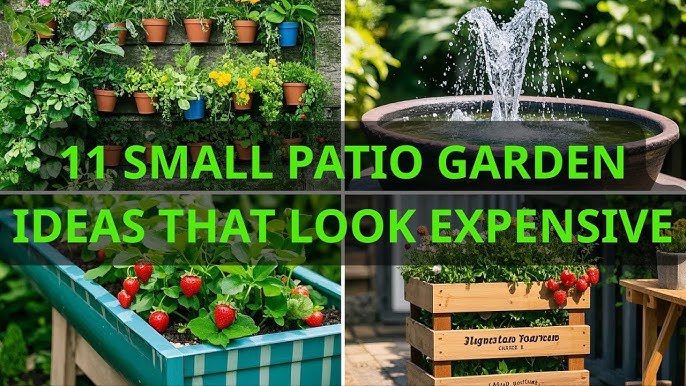
Credit: www.youtube.com
Maintaining Your Butterfly Garden
Creating a butterfly garden involves selecting vibrant flowers and plants that attract butterflies. Arrange colorful blooms in clusters to provide ample nectar. Incorporate host plants for caterpillars to ensure a thriving butterfly ecosystem.
Maintaining your butterfly garden ensures its beauty and functionality. Proper care keeps plants healthy and attracts butterflies. Focus on regular upkeep to enjoy vibrant blooms and fluttering visitors.Regular Pruning
Trim plants to prevent overcrowding. Pruning encourages new growth. It keeps the garden tidy. Remove dead leaves and stems. This process also helps plants stay strong. Regular trimming maintains the garden’s appearance.Pest Management
Monitor for pests that may harm plants. Use natural methods to control them. Avoid chemicals that might affect butterflies. Introduce beneficial insects to the garden. They eat harmful pests. This keeps the garden safe for butterflies.Seasonal Plant Care
Adjust care based on seasons. Water plants more in summer. Protect them from frost in winter. Mulch helps retain moisture. It also insulates roots. Choose plants that thrive in your climate. Seasonal care ensures plants stay healthy year-round.Observing And Enjoying Your Garden
Creating a butterfly garden offers delightful moments for nature lovers. Observing these fluttering beauties can be a relaxing and educational experience. Your garden becomes a vibrant space teeming with life. This section explores ways to enjoy and learn from your butterfly garden.
Butterfly Watching Tips
To attract butterflies, plant native flowers they love. Choose those with bright colors and sweet nectar. Butterflies are more active during warm, sunny days. Find a comfortable spot to sit and observe them. Use binoculars to get a closer look at their intricate patterns. Be patient and keep movements slow to avoid scaring them away.
Photography Opportunities
Your garden is a perfect place for photography. Capture butterflies as they dance from flower to flower. Early morning or late afternoon offers the best lighting. Use a camera with a macro lens for close-up shots. Experiment with angles and settings for unique compositions. Create lasting memories of your garden’s vibrant visitors.
Educational Activities
Butterfly gardens are great for learning about nature. Encourage kids to observe and note butterfly behaviors. Identify different species using a guidebook. Discuss the life cycle of butterflies and their role in ecosystems. Create a journal to document findings and observations. These activities foster curiosity and appreciation for the natural world.

Credit: www.youtube.com

Credit: www.facebook.com
Frequently Asked Questions
What Plants Attract Butterflies?
Butterflies love nectar-rich plants like milkweed, lavender, and marigolds. These plants provide essential food for them. Incorporating native species enhances attraction. Aim for a variety of colors and blooming seasons to keep butterflies visiting your garden throughout the year.
How Do I Design A Butterfly Garden?
Start by choosing a sunny location, as butterflies prefer warmth. Include diverse plant species for continuous blooms. Arrange plants in clusters to help butterflies locate them easily. Add rocks or logs for basking spots and shallow water sources for drinking.
How Can I Maintain A Butterfly-friendly Garden?
Regularly water your plants to ensure nectar availability. Avoid using pesticides, as they harm butterflies. Deadhead flowers to encourage more blooms. Provide shelter with shrubs and tall grasses, and ensure a mix of plant heights for protection against wind.
What Are The Benefits Of A Butterfly Garden?
Butterfly gardens support biodiversity by providing habitats for various pollinators. They enhance the beauty of your landscape with vibrant colors. Additionally, they offer educational opportunities, allowing you to observe butterfly life cycles and behaviors up close.
Conclusion
Creating a butterfly garden design brings beauty and joy. Your garden becomes a haven for butterflies. Start with native plants. Choose flowers with nectar. Butterflies love them. Add a water source. A shallow dish works well. Think about shelter. Trees and shrubs offer protection.
Keep it simple and colorful. Butterflies are attracted to vibrant hues. Regularly maintain the garden. Trim plants and remove weeds. Watch the butterflies thrive. It’s rewarding. Enjoy the fluttering wings. A peaceful escape in your backyard. Nature at its finest.
Transform your space. Be patient. The butterflies will come. Their presence is magical.