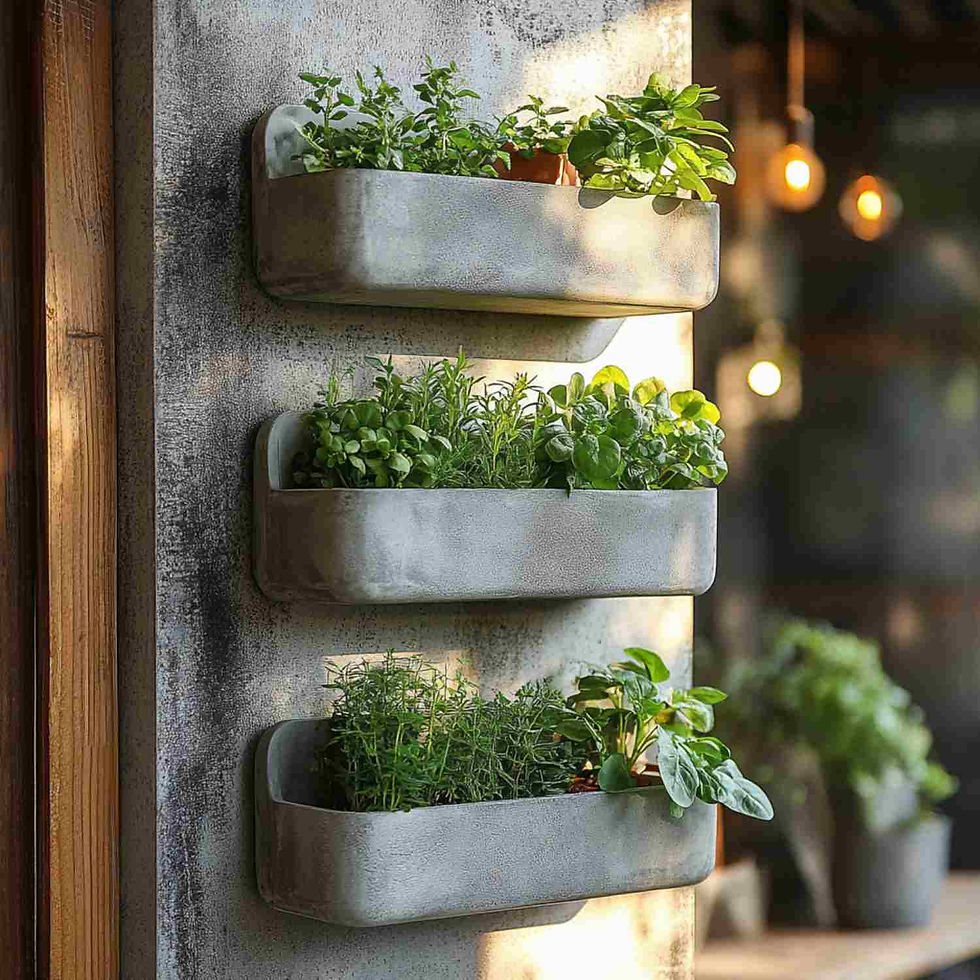
Imagine stepping into your kitchen, the aroma of fresh basil, mint, and rosemary filling the air. With an indoor wall herb garden, this delightful scene can become a reality in your home.
You’re not only enhancing your culinary experiences but also adding a touch of nature to your indoor space. Why settle for store-bought herbs when you can grow your own, right at your fingertips? It’s easier than you think, and you’ll feel a sense of accomplishment every time you snip a sprig of thyme or cilantro.
You’ll discover simple steps to transform your wall into a thriving herb garden, perfect for your cooking needs and boosting your home’s ambiance. Ready to unlock the secrets to a flourishing indoor herb paradise? Keep reading to find out how!
Choosing The Right Location
Select a bright spot with indirect sunlight for your indoor wall herb garden. Ensure the location has good air circulation. This helps herbs grow strong and healthy.
Choosing the right location for your indoor wall herb garden is essential. The right spot ensures healthy growth and easy access. Selecting a location involves evaluating light conditions and space availability. Both factors play crucial roles in plant health. Let’s explore these considerations.Assessing Light Conditions
Light is vital for plant growth. Herbs need sunlight to thrive. Observe how sunlight enters your room. Choose a wall that receives adequate natural light. South-facing windows provide the best light. If natural light is limited, consider grow lights. They support plant growth in darker spaces. Ensure your herbs get at least 6 hours of light daily.Evaluating Space Requirements
Consider the space you have available. Measure the wall area for your garden. Ensure it’s large enough for your herb collection. Vertical gardens save space in small rooms. Plan the layout of your plants. Arrange them for easy access and care. Leave enough room for plant growth. Ensure the wall can support the weight of the garden. Use sturdy mounting systems for safety.Selecting Herbs For Your Garden
Create an indoor wall herb garden by selecting herbs that thrive indoors like basil, mint, and thyme. Choose compact varieties that fit well in vertical spaces, ensuring easy access for cooking.
Selecting the right herbs for your indoor wall garden can be exciting. The choices you make will shape your gardening experience. Consider factors like flavors, scents, and growth habits. This section will guide you through popular herbs and their growth behaviors.Popular Herb Choices
Many herbs thrive indoors and add flavor to dishes. Basil is a favorite for its aromatic leaves. It complements Italian and Asian cuisines. Mint, with its refreshing taste, is great for drinks and desserts. Rosemary, a woody herb, is perfect for roasts and stews. Thyme offers a subtle, earthy taste. It pairs well with meats and vegetables. Oregano is essential for Mediterranean recipes. Its bold flavor enhances pizzas and sauces.Considering Growth Habits
Understanding growth habits ensures a thriving garden. Some herbs need more space to spread. Mint, for example, grows vigorously. It’s best in a separate pot to control its spread. Basil enjoys consistent pruning to stay bushy and healthy. Rosemary prefers a well-drained environment and moderate watering. Thyme is hardy and tolerates dry conditions well. Oregano, like thyme, thrives with minimal care. Knowing these habits helps you manage your garden effectively.Gathering Necessary Materials
Creating an indoor wall herb garden is an enjoyable and rewarding project. Before you get your hands dirty, you need to gather all the necessary materials. This ensures a smoother setup process and helps your herbs thrive. Let’s dive into what you’ll need to get started.
Containers And Pots
The right containers will make all the difference in your indoor herb garden. Choose containers that are not only visually appealing but also practical. They should have drainage holes to prevent waterlogging, which can harm your plants.
Consider the size of your herbs and the space available. Small pots are perfect for compact spaces, while larger containers can house multiple herbs. You can repurpose items like mason jars or tin cans for a rustic look.
Soil And Fertilizers
Quality soil is the foundation of a successful herb garden. Use a potting mix that retains moisture but also drains well. This balance is crucial for healthy roots.
Fertilizers will give your herbs the nutrients they need to grow lush and flavorful. Opt for organic fertilizers to keep your herbs free from chemicals. Mix them into the soil before planting and refresh every few weeks.
Mounting Equipment
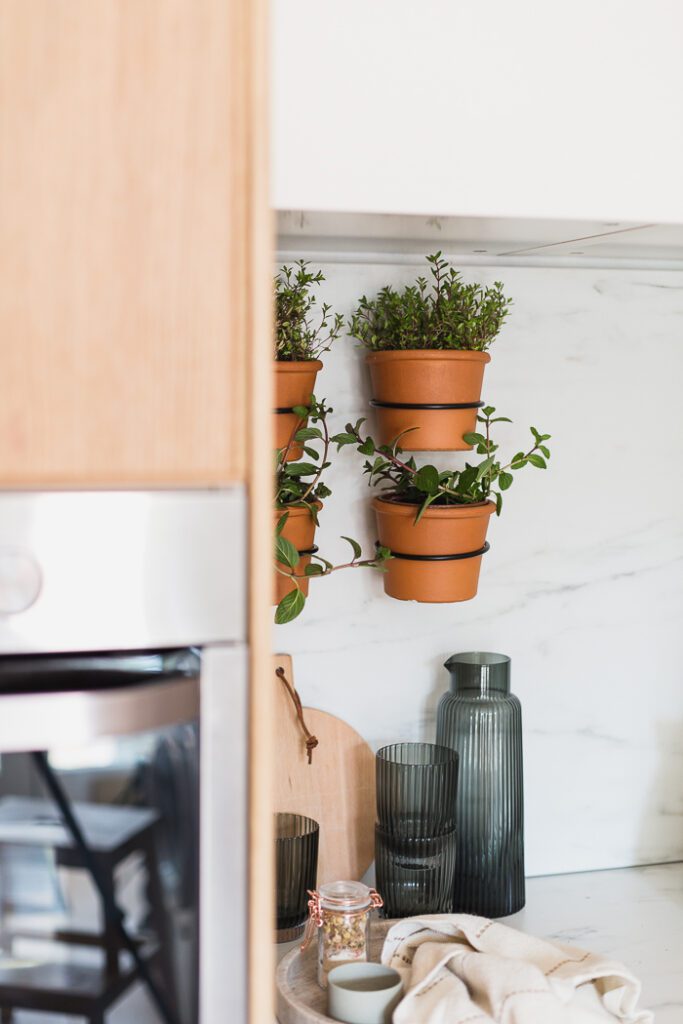
How will you mount your herb garden on the wall? This is where creativity meets functionality. You can use shelves, hanging racks, or even a pegboard system.
Ensure the mounting equipment is sturdy enough to support the weight of the pots and soil. Wall hooks or brackets can provide extra stability. Always double-check the strength of your walls and choose the right tools for installation.
Are you excited to start your indoor herb garden? Gathering the right materials is the first step to ensure your herbs grow beautifully. So, what kind of containers and mounting systems will you choose for your space?
Credit: fallfordiy.com
Preparing The Wall
Creating an indoor wall herb garden starts with a solid foundation. Preparing the wall ensures your plants thrive. A well-prepared wall supports the herb garden’s weight and health. Follow these simple steps to get your wall ready.
Cleaning And Surface Preparation
First, clean the wall to remove dust and dirt. Use a damp cloth or sponge for best results. Ensure the surface is dry before proceeding. Check for cracks or damage, and repair them. A smooth, clean surface is essential for mounting.
Choosing Mounting Techniques
Decide how to attach your garden to the wall. Consider the weight of your planters. Lightweight options can use adhesive hooks. Heavier planters need sturdy brackets or shelves. Make sure to use appropriate anchors for drywall or studs.
Planting Your Herbs
Create an indoor wall herb garden by choosing a sunny spot in your home. Use vertical planters to save space and ensure easy access. Choose herbs like basil, mint, and rosemary, which thrive indoors and enhance your cooking.
Planting your herbs indoors can transform your kitchen into a vibrant space. Fresh herbs at your fingertips elevate any dish effortlessly. The key is knowing how to plant them properly to thrive indoors. Let’s explore the steps to ensure your herbs grow healthy and strong.Filling Containers With Soil
Start with clean, small containers. Ensure they have drainage holes. Use potting soil, not garden soil. Potting soil is lighter and drains better. Fill containers halfway with soil. Lightly tap to settle the soil. Add more soil until nearly full. Leave an inch from the top.Planting Techniques
Choose herb seeds or small plants. Plant seeds just under the soil surface. Press lightly, then cover with soil. For plants, dig a small hole. Place the plant gently inside. Cover roots with soil. Avoid packing too tightly. Water lightly but thoroughly. Keep soil moist but not soggy. Ensure adequate sunlight for growth.
Credit: www.actuallyalli.com
Maintaining Your Herb Garden
Transform your kitchen with an indoor wall herb garden. Use vertical space for fresh basil, mint, and thyme. Secure pots on a sturdy board and ensure sunlight access for thriving plants.
Maintaining your indoor wall herb garden is an art that transforms your space into a thriving green oasis. Whether you’re a seasoned gardener or a beginner, understanding the key aspects of maintenance can make all the difference. Your herbs will not only look vibrant but also provide fresh flavors for your culinary adventures.Watering Tips
Consistency is crucial when watering your herbs. Check the soil moisture by sticking your finger about an inch deep; if it’s dry, it’s time to water. Overwatering can be just as harmful as neglect, so ensure the pots have proper drainage to prevent root rot. Consider using a spray bottle for delicate herbs like basil and cilantro. It gives you control over the amount of water and avoids waterlogging the roots. Remember, different herbs have different water needs—adjust accordingly.Pruning And Harvesting
Pruning encourages growth and keeps your herb garden lush. Regularly snip off dead leaves and stems to promote healthy development. When harvesting, pick the leaves from the top to stimulate further growth and prevent your herbs from becoming leggy. Use sharp scissors to make clean cuts, which helps the plant heal faster. If you notice your herbs are flowering, pinch off the buds to maintain the flavor and strength of the leaves. This simple act keeps your herbs productive and flavorful.Pest And Disease Management
Indoor gardens aren’t immune to pests and diseases. Check your herbs regularly for signs of trouble, such as discolored leaves or holes. A natural solution like neem oil spray can deter pests without harming your plants. Keep your herbs healthy by ensuring they have enough air circulation. This reduces the risk of fungal diseases. If you find a persistent problem, isolate the affected plant to prevent it from spreading to others.Enhancing Aesthetic Appeal
Transform your living space with an indoor wall herb garden. This unique feature brings nature indoors, adding vibrant color and fresh aromas. Arrange herbs creatively to enhance the aesthetic appeal and provide easy access for culinary adventures.
Creating an indoor wall herb garden can transform your living space. It brings nature inside, adding freshness and vitality. The aesthetic appeal of your herb garden can enhance your home decor. Let’s explore ways to make it visually stunning.Decorative Options
Choose pots that match your interior style. Ceramic pots add elegance, while wooden ones offer rustic charm. Use colorful pots to make a vibrant display. Consider hanging planters for a modern touch. Arrange herbs in patterns to create visual interest. Use shelves or vertical racks to maximize space.Lighting Considerations
Herbs need good lighting to grow well. Position your garden near windows for natural light. Use LED grow lights for areas with little sunlight. Adjustable lights help maintain optimal growth conditions. Ensure lights are evenly distributed for uniform growth. Consider dimmable lights to control brightness.
Credit: www.cbc.ca
Troubleshooting Common Issues
Creating an indoor wall herb garden can face challenges like insufficient sunlight, poor drainage, and overcrowding. Ensure proper light exposure, use well-draining pots, and space plants adequately for healthy growth. Keep an eye on pests and regularly trim herbs to encourage new growth.
Troubleshooting common issues in your indoor wall herb garden can be a bit tricky. You might find yourself staring at a wilting basil plant or wondering why your mint isn’t as lush as you’d hoped. These hiccups are all part of the gardening journey. The key is to address them promptly and effectively to ensure your herbs thrive.Dealing With Poor Growth
Are your herbs looking a bit underwhelming? Poor growth can often be traced back to a lack of light or nutrients. Make sure your herbs are getting adequate sunlight, ideally 6-8 hours a day. If natural light is scarce, consider using grow lights. They can make a significant difference in the vitality of your plants. Check your soil. It should be rich and well-draining. If it feels compacted, it’s time to aerate or add fresh potting mix. Don’t forget about nutrients. Fertilize your herbs every few weeks with a balanced, water-soluble fertilizer. This can boost growth and improve overall plant health.Managing Overcrowding
Overcrowding is a common issue in small indoor gardens. When herbs are too close together, they compete for light, water, and nutrients, leading to stunted growth. Start by assessing the space between your plants. Each herb should have enough room to spread its leaves without touching its neighbor. If your herbs are jostling for space, consider thinning them out. Remove weaker plants to give stronger ones a chance to flourish. Transplanting can also help. Move some herbs to another location if your wall garden is overflowing. This can not only solve overcrowding but also enhance the aesthetics of your home. Remember, a well-spaced garden is a happy garden. It allows each plant to get the resources it needs to thrive. Have you checked your herb spacing recently? It might be time for a little rearrangement.Frequently Asked Questions
What Herbs Are Best For Indoor Gardens?
Popular herbs for indoor gardens include basil, mint, parsley, and thyme. These herbs thrive indoors and require minimal sunlight. Choose herbs that you frequently use in cooking. Ensure they receive adequate water and occasional fertilizer. Their compact size makes them perfect for limited space in indoor settings.
How Much Sunlight Do Indoor Herbs Need?
Indoor herbs generally need around 6 hours of sunlight daily. Place them near a south-facing window for optimal sunlight exposure. If natural light is insufficient, consider using LED grow lights. Ensure the light source is not too intense, as it can damage the herbs.
Can I Grow Herbs Without Soil Indoors?
Yes, you can grow herbs without soil using hydroponic systems. These systems use nutrient-rich water to support plant growth. This method is efficient and space-saving. Ensure you regularly change the water and monitor nutrient levels for optimal herb health.
How Do I Prevent Pests In Indoor Herb Gardens?
To prevent pests, regularly inspect your herbs for signs of infestation. Use organic pest control solutions like neem oil. Maintain proper humidity and airflow to deter pests. Avoid overwatering, as it can attract pests and lead to fungal growth. Keep your garden clean and tidy.
Conclusion
Creating an indoor wall herb garden is simple and rewarding. Fresh herbs always within reach. They enhance your meals and beautify your space. Start small, choose easy-to-grow herbs. Basil, mint, and parsley are great choices. Use good soil and the right containers.
Ensure proper light, either natural or artificial. Water your herbs regularly but don’t overdo it. Enjoy the benefits of fresh herbs year-round. Cooking becomes more fun with homegrown flavors. Your indoor garden adds life and color to your home. Begin today and discover the joys of growing herbs indoors.
Happy gardening!







