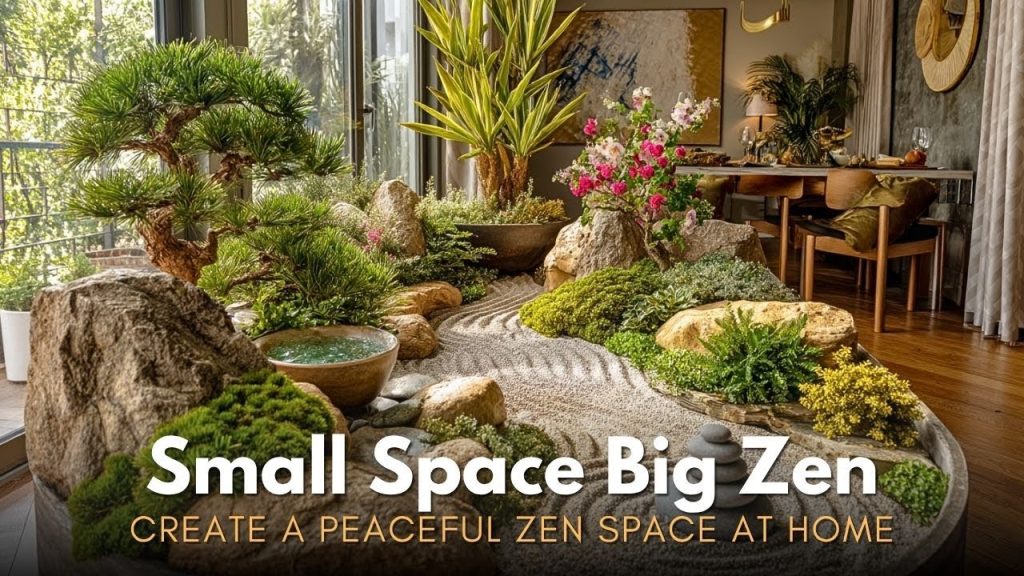
Imagine a space in your home where peace and tranquility gently wash over you. A small indoor Zen garden can be just that—a sanctuary where you can escape the chaos of daily life.
Creating this serene oasis isn’t as complex as it sounds. In fact, it’s all about simplicity and mindfulness, which are at the heart of Zen philosophy. You might be wondering how you can transform a corner of your home into a calming retreat.
This guide will walk you through each step, ensuring your Zen garden becomes a haven of relaxation and contemplation. Let’s dive in and discover how you can cultivate a sense of calm right within your own four walls.

Credit: www.youtube.com
Choosing The Right Space
Selecting a quiet, well-lit corner can transform your small indoor space into a serene Zen garden. Ensure there’s ample natural light and easy access for maintenance to create a peaceful oasis.
Choosing the right space for your indoor Zen garden is crucial. It sets the tone for tranquility and mindfulness. A well-chosen location can enhance the calming effects of your miniature sanctuary. Consider areas where you often seek peace and relaxation. These spaces naturally lend themselves to fostering a Zen environment.Find A Quiet Corner
Identify a corner in your home that’s peaceful. Avoid areas with heavy foot traffic. This ensures your Zen garden remains undisturbed. A quiet space enhances meditation and reflection.Natural Light Is Key
Select a spot with ample natural light. It invigorates the plants in your garden. Sunlight adds warmth and energy. If natural light is limited, use soft, artificial lighting.Consider The Room’s Energy
Pay attention to the room’s energy flow. Spaces with positive energy boost your Zen experience. Avoid cluttered or chaotic areas. They can disrupt the garden’s tranquility.Accessibility And Comfort
Ensure the space is easy to access. You should feel comfortable when tending to your garden. A convenient location encourages regular care and meditation.Balance And Harmony
Seek balance in the space you choose. The area should harmonize with the rest of the room. This creates a seamless and peaceful atmosphere. Balance is essential in a Zen garden’s design.Essential Elements Of A Zen Garden
Creating a small indoor Zen garden involves simplicity and tranquility. Use sand, stones, and small plants to evoke calmness. Arrange elements thoughtfully to reflect balance and peace.
Creating a small indoor Zen garden can be a peaceful retreat. It connects you with nature and calms your mind. Essential elements make a Zen garden complete. Let’s explore these key components.Rocks And Sand
Rocks symbolize strength and stability. Choose smooth stones for a harmonious look. Arrange them in a balanced pattern. Sand represents water or air. Use fine white sand for a clean aesthetic. Rake the sand into ripples or patterns. This practice is meditative and soothing.Water Features
Water adds tranquility to your Zen garden. A small fountain or water bowl works well. The gentle sound of water promotes relaxation. Keep the water feature simple and unobtrusive. The sight and sound of flowing water enhance serenity. Ensure it’s easy to maintain and clean.Plants And Greenery
Plants bring life and color to your Zen garden. Select low-maintenance plants like succulents or moss. Bamboo adds an authentic touch and is easy to care for. Arrange plants thoughtfully for balance and harmony. Greenery purifies the air and boosts your mood. Avoid overcrowding to maintain a minimalist feel.Designing Your Zen Garden Layout
Designing your Zen garden layout is an art, a meditative journey that invites tranquility into your home. It’s about creating a space where every element speaks to your senses, where balance and harmony reign supreme. This thoughtful design process allows you to connect with nature, even within the confines of your living room.
Balancing Elements
In your Zen garden, achieving balance is crucial. Each component should complement the others, forming a cohesive whole. Think about the interplay between stones, sand, and plants. Does one element overpower the others, or is there a gentle equilibrium?
Consider the size and texture of your stones. Are they too large or too smooth for the space? Perhaps a mix of different shapes and sizes would create a more dynamic visual appeal. Remember, your garden is a reflection of your inner calm, so let each piece find its rightful place.
Creating Flow And Harmony
Your Zen garden should feel like a continuous story, inviting the eye to move seamlessly from one element to the next. Flow can be achieved by arranging your components in a way that guides the gaze naturally.
Imagine a gentle path of raked sand leading to a cluster of stones or a delicate plant. This encourages a harmonious movement that mimics the natural world. Is there a focal point that draws attention, or does your garden evoke a sense of wandering exploration?
Don’t be afraid to experiment. Try different layouts and observe how they change the energy of the space. Your Zen garden is a reflection of your creativity and peace, a sanctuary that evolves with you.

Credit: www.youtube.com
Tools And Materials
Gather small rocks, sand, and pebbles for your Zen garden. Use a shallow container and rake for arranging patterns. Add a few miniature plants to enhance tranquility.
Creating a small indoor Zen garden is a delightful way to bring tranquility and mindfulness into your living space. To start, you’ll need a few essential tools and materials that can transform your vision into a serene reality. These items are not only practical but also allow you to personalize your Zen garden to reflect your style and preferences.Rakes And Tools
Rakes are the quintessential tool for shaping and maintaining the sand patterns in your Zen garden. A small hand rake made of bamboo or wood can provide the right balance of functionality and aesthetic appeal. You might remember the satisfaction of gently dragging a rake through sand during a beach vacation; this same act can now be a daily ritual at home. Consider investing in a miniature rake set, which often includes various shapes and sizes for different patterns. These tools allow you to experiment with waves, straight lines, or circles, inviting creativity and mindfulness. If you’re feeling adventurous, you could even craft a custom rake using chopsticks or skewers, adding a personal touch to your Zen space.Natural Materials
Natural materials are the soul of any Zen garden. Sand, stones, and pebbles form the basic elements, creating the foundation for meditation and reflection. Choose fine white or beige sand to mimic the soothing landscapes of traditional Zen gardens. Stones and pebbles add texture and interest. Select smooth stones of varying sizes and colors to represent mountains or islands. Remember the smooth stone you picked up during a hiking trip? It could find a new home in your Zen garden, adding personal significance. Adding a small plant or succulent can bring a touch of greenery and life to your garden. Choose a low-maintenance plant that thrives indoors. This simple addition can transform your Zen garden into a miniature oasis, offering a moment of peace amid the hustle and bustle of daily life. In crafting your Zen garden, every tool and material you choose plays a crucial role in creating an environment that nurtures calm and focus. What will you add to make your Zen space uniquely yours?Maintaining Your Zen Garden
Creating a small indoor Zen garden offers a peaceful retreat in your home. Select a shallow container, add sand, and place stones for simplicity. Arrange the elements to reflect tranquility and balance.
Maintaining Your Zen Garden Creating a small indoor Zen garden is just the beginning. The real beauty of a Zen garden shines through with proper maintenance. Regular care and seasonal adjustments will ensure your garden remains a serene sanctuary.Regular Care
Consistent attention is key to keeping your Zen garden thriving. Water your plants as needed, ensuring the soil remains moist but not waterlogged. Prune any dead leaves to encourage growth and maintain a neat appearance. Occasionally, rearrange the stones and sand to refresh the landscape and reflect your evolving sense of balance. Dust can accumulate on the surfaces, diminishing the garden’s tranquility. Use a soft brush or cloth to gently clean the rocks and plants. Think of it as a meditative process—taking care of your Zen garden can be as calming as enjoying its presence.Seasonal Adjustments
Your Zen garden may need slight changes with the seasons. During winter, indoor heating can dry out the air, so consider misting your plants or using a humidifier. In summer, increased sunlight might require you to move your garden to a shadier spot to prevent overheating. Add seasonal elements like a small pinecone in autumn or a few pebbles painted in spring colors. These touches not only enhance the garden’s aesthetic but also keep it aligned with nature’s cycles. How do these adjustments reflect your own journey through the seasons? Let your garden grow with you, adapting to changes and embracing each phase with grace.
Credit: www.youtube.com
Incorporating Personal Touches
Bring serenity into your space by adding personal elements to your small indoor Zen garden. Use favorite stones, miniature statues, or a special plant to reflect your personality. These touches create a peaceful atmosphere unique to you.
Incorporating personal touches into your small indoor Zen garden can transform it from a mere decorative piece into a meaningful sanctuary. It’s not just about aesthetics; it’s about creating a space that resonates with your spirit and provides tranquility. By adding elements that reflect your personality and story, you can foster a deeper connection with your Zen garden.Decorative Accents
Decorative accents can define the character of your Zen garden. Consider adding small stones or pebbles in colors that you find soothing. You might include a miniature Buddha statue if it speaks to your sense of peace. Think about using a small water feature, like a tabletop fountain. The gentle sound of running water can enhance the serene ambiance. Perhaps you have a favorite color that calms you—use it in your choice of sand or gravel.Personal Symbols
Personal symbols can add a layer of personal significance to your Zen garden. Consider placing objects that hold sentimental value, like a shell from a memorable beach trip. These items can serve as reminders of joyous times and personal growth. If you practice meditation, you might include a small cushion or a figurine that represents your spiritual journey. Maybe there’s a particular plant that has a special meaning for you; integrate it into your garden. What symbols tell your story or bring you peace? Including these elements can make your Zen garden not just a visual delight but a soulful retreat.Benefits Of A Zen Garden
Creating a small indoor Zen garden brings tranquility and focus into your home. It serves as a peaceful retreat, enhancing relaxation and mindfulness. Simple materials like sand, rocks, and miniature plants can transform any space into a serene oasis, promoting calmness and well-being.
Creating a small indoor Zen garden offers many benefits. These serene spaces can transform any area into a peaceful retreat. Zen gardens promote relaxation and mindfulness. They are ideal for stress relief and enhancing focus. Let’s explore some key benefits.Stress Relief
Zen gardens provide a tranquil setting that helps calm the mind. The act of tending to a garden can lower stress levels. Arranging stones and sand offers a meditative experience. This helps ease tension and promotes relaxation. Just a few minutes in your Zen garden can make a big difference. It creates a peaceful escape from daily pressures.Mindfulness Practice
A Zen garden is perfect for practicing mindfulness. The focus on arranging elements sharpens concentration. This practice encourages living in the moment. It helps individuals develop awareness of their surroundings. Engaging with the garden can improve mental clarity. This enhances overall well-being and personal growth.Frequently Asked Questions
What Is A Zen Garden?
A Zen garden is a minimalist, meditative space designed to promote tranquility. It typically includes elements like sand, rocks, and plants. These components are arranged to symbolize nature’s essence, encouraging mindfulness and reflection. Zen gardens are often used to reduce stress and enhance mental clarity.
How To Choose Plants For A Zen Garden?
Choose low-maintenance, calming plants like moss, ferns, or succulents for your Zen garden. They thrive indoors and require minimal care. Ensure they complement your garden’s overall aesthetic. Their simplicity encourages a peaceful atmosphere, which is essential for maintaining the Zen garden’s tranquil ambiance.
Can I Use Sand In An Indoor Zen Garden?
Yes, using sand in an indoor Zen garden is ideal. Sand symbolizes water and can be raked to create patterns, enhancing meditation. It provides a calming effect and is easy to maintain. Use white or light-colored sand for a serene atmosphere, aligning with traditional Zen garden principles.
How To Arrange Elements In A Zen Garden?
Arrange elements in a Zen garden to reflect simplicity and balance. Position rocks and plants thoughtfully to symbolize nature’s harmony. Use sand or gravel to create patterns around these elements. Ensure the arrangement promotes tranquility, inviting meditation and reflection in your indoor space.
Conclusion
Creating a small indoor Zen garden brings peace into your home. It’s a simple way to add tranquility and beauty. Start with basic elements like sand, stones, and plants. Arrange them thoughtfully to reflect your personal style. Regular care keeps your garden vibrant and inviting.
Enjoy moments of calm as you rake patterns in the sand. This mindful practice reduces stress and encourages relaxation. Let your Zen garden be a peaceful retreat. A small space with a big impact on your well-being. Embrace the serenity it brings, and find your inner peace.







