Imagine stepping into your kitchen and picking fresh basil for your pasta sauce, or snipping crisp lettuce for a salad—all from your own indoor vegetable garden. You don’t need sprawling outdoor space to achieve this green dream.
With a bit of creativity and the right guidance, you can transform a small corner of your home into a thriving vegetable oasis. Whether you’re a seasoned gardener or a curious beginner, creating a small indoor vegetable garden is easier than you might think.
Picture the satisfaction of nurturing your plants and the joy of harvesting your own produce. This guide will show you how to maximize your indoor space and cultivate a lush, productive garden. Ready to bring the farm-to-table experience right into your home? Let’s dig in and get started on growing your own indoor vegetable paradise.
Choosing The Right Space
Choosing the Right Space Find a sunny spot with good light for your small indoor vegetable garden. Ensure easy access to water and proper air circulation to keep your plants healthy.
Choosing the right space for your small indoor vegetable garden is crucial to its success. The area you select will determine the health and productivity of your plants. It’s not just about finding a corner in your home; it’s about understanding the environment that best suits your vegetables.Assessing Light Availability
Light is a key factor in plant growth. Most vegetables need at least six hours of sunlight each day. Examine the natural light in your potential gardening spaces. Do you have a south-facing window? These spots typically receive more sunlight. If natural light is limited, consider investing in grow lights. They can mimic sunlight and help you maintain a thriving garden.Evaluating Space Constraints
When setting up your indoor garden, space is often limited. Consider the size and number of pots you plan to use. Vertical gardening can be a smart solution, especially if you’re working with a small area. Use shelves or hanging pots to maximize your space. Think about the growth habits of your chosen vegetables. Some plants like tomatoes need more room, while herbs can thrive in smaller spaces. Deciding where to place your indoor garden might seem daunting, but it’s a rewarding challenge. Have you ever thought about converting that empty kitchen corner into a lush green oasis? With careful planning, any space can become your personal vegetable haven.Selecting Suitable Vegetables
Choosing the right vegetables is key for a thriving indoor garden. Opt for easy-to-grow plants like lettuce, spinach, or cherry tomatoes. These require minimal space and adapt well to indoor conditions.
Selecting the right vegetables is crucial for a successful indoor vegetable garden. Not all plants thrive indoors, so it’s important to choose varieties that are well-suited for limited space and light. You’ll want to focus on vegetables that are easy to care for and can adapt to the conditions in your home.Easy-to-grow Options
Starting with easy-to-grow vegetables can boost your confidence as a new indoor gardener. Think about leafy greens like spinach, lettuce, and kale. These require minimal maintenance and can be harvested continuously. Herbs such as basil, parsley, and chives are also great choices. They thrive in small containers and can add fresh flavors to your meals. Plus, the satisfaction of snipping fresh herbs right from your kitchen counter is unmatched. If you’re feeling adventurous, try small fruiting plants like cherry tomatoes or peppers. These can bring a splash of color and excitement to your indoor garden.Considerations For Indoor Growth
When selecting vegetables for your indoor garden, consider the amount of light available. Vegetables like lettuce and spinach need less light and can thrive even on a windowsill. However, plants like tomatoes may require supplemental lighting to flourish. Think about the space you have. Compact varieties or dwarf plants are ideal for small spaces. Bush beans or radishes can fit perfectly in a limited area while still providing a good yield. Consider the watering needs of your plants. Some vegetables, like cucumbers, need more water than others. Make sure you have a plan for consistent watering to prevent your plants from drying out. Remember, each plant has its own personality. Understanding their specific needs will help you create an indoor vegetable garden that flourishes. So, are you ready to transform your living space into a green oasis?Preparing Containers And Soil
Select suitable containers with drainage holes for your indoor vegetable garden. Fill them with quality potting soil, enriched with organic matter, to support plant growth.
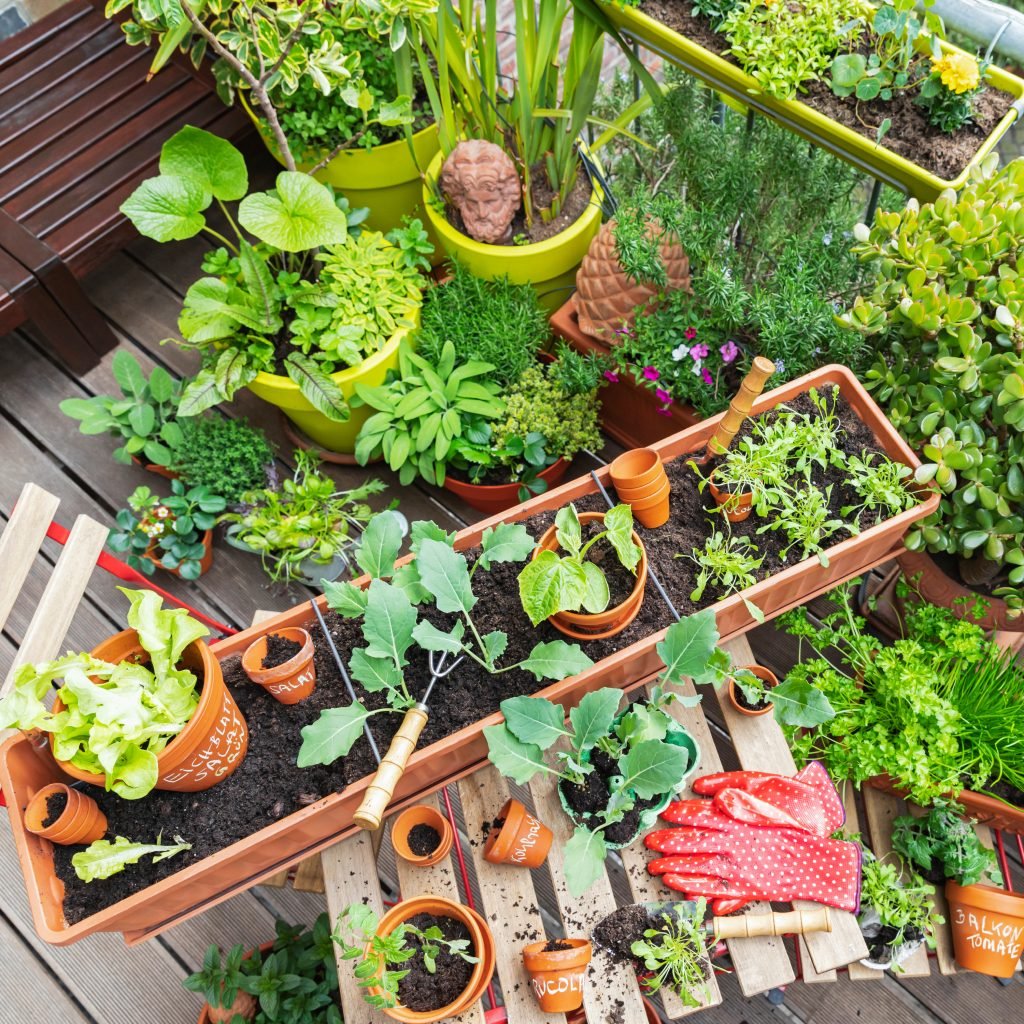
Creating a small indoor vegetable garden is a rewarding project. The first step is preparing containers and soil. Proper preparation ensures healthy plant growth and bountiful harvests. Let’s dive into selecting the right containers and creating the perfect soil mix.Choosing Containers
Selecting the right containers is crucial. They should have drainage holes to prevent waterlogging. Consider the size of the vegetables you wish to plant. Larger plants need more space for their roots to spread. Use pots made of durable materials like plastic, ceramic, or clay. Ensure the containers fit well in your indoor space. Lightweight containers are easier to move and manage.Creating Optimal Soil Mix
A good soil mix is vital for healthy plants. Use a mix that retains moisture but drains well. Combine equal parts of peat moss, vermiculite, and compost for a balanced mix. Peat moss helps retain moisture, keeping roots hydrated. Vermiculite ensures good drainage and aeration. Compost provides essential nutrients for plant growth. Regularly check the soil’s moisture level to avoid overwatering.Planting Techniques
Create a thriving indoor vegetable garden by using containers with good drainage. Choose compact plants like cherry tomatoes and herbs. Place them near windows for sunlight, and ensure regular watering.
Creating a small indoor vegetable garden can be fun and rewarding. Learning about planting techniques helps ensure healthy plant growth. This section will cover seed starting methods and transplanting seedlings. These techniques are essential for a successful indoor garden.Seed Starting Methods
Starting seeds indoors gives you control over plant growth. You need a few supplies to get started. Use clean containers with drainage holes. Fill them with seed-starting mix. This mix provides the right balance of nutrients. Lightly press seeds into the soil. Cover them with a thin layer of mix. Water gently to moisten the soil. Keep the containers in a warm place. Ideally, temperatures should be between 65-75°F. Check the soil daily. It should remain moist but not soggy. Seedlings usually appear in 1-2 weeks. Ensure they get enough light. A sunny window or grow light works well.Transplanting Seedlings
Once seedlings grow a few inches tall, they need more space. This is the time to transplant them. Prepare larger pots with quality potting soil. Gently remove seedlings from their containers. Take care not to damage the roots. Make a small hole in the new pot’s soil. Place the seedling in the hole. Cover the roots with soil and water lightly. Place the pots in a well-lit area. Continue to care for the plants by watering and checking for pests. Transplanting helps plants grow strong and healthy.Maintaining Your Garden
Creating a small indoor vegetable garden is easy and rewarding. Choose a sunny spot and use pots or containers. Select herbs and small veggies like lettuce or spinach for quick growth.
Maintaining your small indoor vegetable garden is crucial for healthy growth. Regular care keeps your plants thriving and productive. This section will guide you through essential maintenance practices. Proper watering and fertilization are key to a flourishing garden. Let’s dive into these important aspects.Watering Practices
Watering is vital for your indoor vegetable garden. Too much water can harm plants. Too little water makes them wilt. Check the soil moisture regularly. Insert your finger into the soil. If it feels dry, it’s time to water. Use room temperature water for the best results. Water the soil directly to avoid wetting leaves. Wet leaves can lead to mold and diseases. Consider using a spray bottle for small pots. This helps control the amount of water used.Fertilization Tips
Fertilizing keeps your vegetables nourished. Indoor plants often lack nutrients from soil. Use organic fertilizers for a healthy garden. Choose slow-release fertilizers for steady nutrient supply. Apply fertilizer every few weeks. Follow the instructions on the package for the right amount. Over-fertilizing can damage plants. Notice yellowing leaves? It may indicate nutrient deficiency. Adjust your fertilization schedule accordingly. Monitor plant growth and adjust care as needed. This ensures your garden stays vibrant and productive.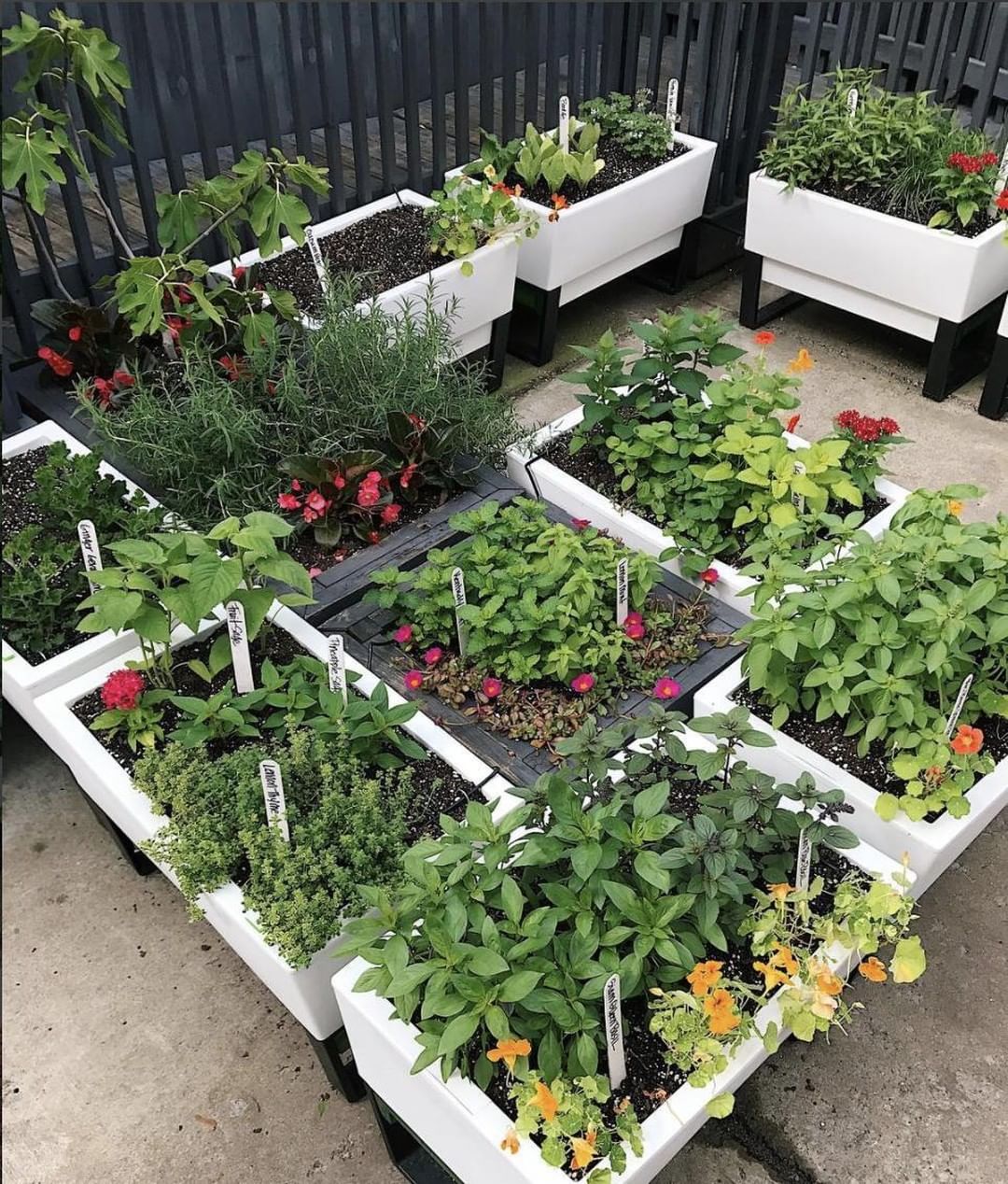
Credit: www.extraspace.com
Dealing With Pests And Diseases
Creating a small indoor vegetable garden is rewarding. Yet, pests and diseases can be a challenge. These unwanted guests can harm your plants. Understanding how to manage them is crucial. Let’s explore effective strategies to protect your garden.
Common Indoor Pests
Indoor gardens often attract a few common pests. These include aphids, spider mites, and fungus gnats. Aphids are tiny bugs that suck plant sap. They weaken plants and spread diseases. Spider mites are even smaller and cause leaf damage. Fungus gnats are little flies that lay eggs in the soil. Their larvae can harm plant roots.
Natural Pest Control Methods
There are simple, natural ways to control pests. Use neem oil as a natural pesticide. It’s safe for plants and effective against many pests. Another option is introducing beneficial insects. Ladybugs and predatory mites eat harmful pests. You can also make a soap spray. Mix water and mild dish soap. Spray it on the leaves to kill soft-bodied insects.
Keep your garden clean to prevent infestations. Remove dead leaves and debris. This reduces hiding spots for pests. Regularly inspect your plants. Catching issues early helps control them better.
Maximizing Growth With Lighting
Harnessing the right lighting transforms small indoor vegetable gardens. Proper light ensures healthy, robust plant growth. Select suitable LED grow lights to mimic sunlight, encouraging optimal photosynthesis and maximizing yield.
Maximizing Growth with Lighting Creating a thriving small indoor vegetable garden is not just about choosing the right plants or watering them correctly. Lighting plays a crucial role in ensuring your vegetables grow healthy and strong. Without adequate light, plants may become leggy or fail to produce. Let’s dive into how you can maximize your indoor garden’s growth with the right lighting.Types Of Grow Lights
Choosing the right grow lights can make a significant difference in your garden’s success. LED grow lights are popular due to their energy efficiency and long lifespan. They emit very little heat, reducing the risk of burning your plants. Fluorescent lights are another option, offering a balanced light spectrum at a lower cost. If you’re on a budget, consider compact fluorescent lights (CFLs), which are less expensive yet effective for small spaces. A friend once shared how she transformed her windowless basement into a lush green space using just a few well-placed CFLs. What lighting setup fits your space and budget?Adjusting Light For Optimal Growth
Positioning your grow lights correctly is essential for optimal plant growth. Place lights close to the plants, but not so close that they cause heat damage. A good rule of thumb is to keep lights 6 to 12 inches away from the plant canopy. You might need to adjust this distance as your plants grow, ensuring they receive consistent light coverage. Consider using adjustable light stands or chains for easy modifications. Think about how you can make these small tweaks to nurture healthier plants. Regularly rotate your plants to ensure even light distribution. This simple habit can prevent one side from becoming weaker due to lack of light. How often do you check and adjust your indoor garden’s lighting? Making these small changes can lead to bigger, healthier yields.Harvesting And Enjoying Your Produce
Harvesting and enjoying your produce is the most rewarding part of gardening. You can relish the fruits of your labor right from your small indoor garden. Knowing when and how to pick your vegetables ensures you get the best flavor and nutrition. Let’s explore the signs that your produce is ready and the best ways to harvest it.
Signs Of Readiness
Each vegetable has its own signs of maturity. Observe your plants closely to catch these signs.
- Leafy Greens:Ready to pick when leaves are at least 4 inches long.
- Tomatoes:Look for a deep, consistent color. Gently squeeze to check firmness.
- Peppers:Harvest when they reach full size and desired color.
- Herbs:Snip leaves once the plant has enough to maintain growth.
Regular checks help you pick at the perfect time. This ensures the best taste.
Best Practices For Harvesting
Proper harvesting methods keep your plants healthy and productive.
- Use Clean Tools:Always use clean scissors or knives to avoid plant damage.
- Morning Harvest:Pick vegetables in the morning for peak freshness and moisture.
- Gentle Handling:Handle produce gently to prevent bruising and spoilage.
- Frequent Harvests:Harvest often to encourage continuous growth.
By following these methods, your indoor garden will thrive. Enjoy the fresh, home-grown produce with pride and satisfaction.
Tips From Experts
Creating a small indoor vegetable garden can be rewarding and fun. Experts share valuable tips to help you succeed. Avoid common mistakes and enhance your gardening skills with their advice.
Common Mistakes To Avoid
Many beginners make simple errors that hinder growth. Avoid overwatering your plants. It can lead to root rot. Ensure proper drainage in pots. Also, don’t choose the wrong plant for your light conditions. Some plants need more sunlight. Learn which vegetables thrive indoors.
Another mistake is planting too many seeds in small spaces. Plants need room to grow. Consider spacing requirements. Don’t forget to fertilize. Lack of nutrients affects plant health. Use organic fertilizers for better results.
Enhancing Your Gardening Skills
Improving your gardening skills takes practice. Start with easy-to-grow vegetables like lettuce and herbs. They require minimal care. Experiment with different planting techniques. Try vertical gardening for space-saving solutions.
Learn to recognize plant diseases early. Prompt action can save your garden. Join online gardening communities for support. Sharing experiences enhances learning. Attend workshops or watch tutorials. Experts often share practical tips there.
Document your gardening journey. Keep notes on what works and what doesn’t. This helps in future planning. Enjoy the process. Gardening is not just about results but also the joy of nurturing plants.

Credit: www.youtube.com
Credit: www.gardenbuildingsdirect.co.uk
Frequently Asked Questions
How Do I Start A Small Indoor Vegetable Garden?
Begin by selecting a sunny spot indoors, ideally near a window. Choose containers with drainage holes. Use quality potting soil and select easy-to-grow vegetables like lettuce or herbs. Ensure regular watering and provide adequate light, possibly with grow lights if needed.
What Vegetables Are Best For Indoor Gardening?
Lettuce, spinach, radishes, and herbs like basil and mint are ideal. These vegetables thrive in containers and require minimal space. They also grow quickly, making them perfect for indoor environments. Choose varieties that adapt well to indoor conditions for best results.
How Much Light Do Indoor Vegetables Need?
Most indoor vegetables need about 6-8 hours of light daily. Natural sunlight is best, but if unavailable, consider using LED grow lights. Position them close to the plants, ensuring they receive consistent lighting. Adjust light exposure based on specific plant needs.
Can I Use Regular Soil For Indoor Gardening?
It’s better to use potting soil for indoor gardening. Regular garden soil can compact and hinder root growth. Potting soil is lighter and ensures good drainage. It also contains essential nutrients for plant health. Always choose high-quality, sterile potting mix.
Conclusion
Creating a small indoor vegetable garden is a rewarding hobby. It brings fresh produce to your home. You can enjoy vegetables like tomatoes, peppers, and herbs year-round. This garden brightens your space and boosts your mood. Plants make the air cleaner and healthier.
It’s easy to start with simple tools and seeds. Anyone can do it with a little care and patience. Small steps lead to a thriving garden. Start today and watch your veggies grow. Enjoy the taste of homegrown goodness. Happy gardening!