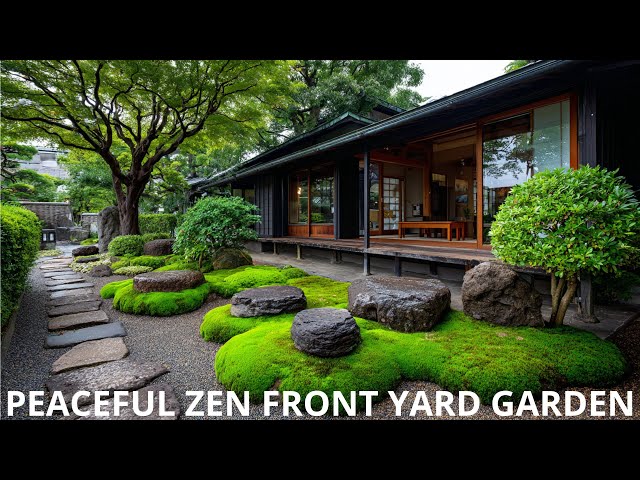
Imagine stepping into your backyard and being transported to a serene oasis, where tranquility and nature blend seamlessly. A Japanese garden can offer you this escape, right at home.
It’s more than just a garden; it’s an art form that invites peace and reflection. Have you ever wondered how you can create this harmonious environment in your own space? By the end of this guide, you’ll not only understand the essential elements of Japanese garden design but also feel confident to start crafting your own slice of paradise.
Whether you’re a seasoned gardener or a curious beginner, the secrets to achieving that perfect balance are within reach. Ready to transform your garden into a tranquil sanctuary? Let’s dive in!
Choosing The Right Location
Selecting an ideal spot is crucial for creating a Japanese garden. Choose a peaceful area with natural light. Ensure it complements your home’s landscape for a harmonious look.
Choosing the right location for your Japanese garden design is crucial. A well-selected spot can enhance the tranquility and aesthetic appeal of your garden. Begin by understanding the unique characteristics of your space, and how they can complement a traditional Japanese garden.Assessing Space And Environment
First, take a good look at your available space. Is it a sprawling backyard or a cozy corner? Japanese gardens thrive in both large and small areas; the key is to adapt the design to the environment. Consider the natural elements present. Do you have a pond, a slope, or flat terrain? Each feature can influence the garden’s design. For example, a slope can be transformed into a serene waterfall, adding a dynamic element to your garden.Considering Sunlight And Shade
Sunlight and shade play a vital role in a Japanese garden’s success. Determine how much sun your garden gets throughout the day. This will guide your plant choices, as some traditional Japanese plants, like moss, thrive in shade. Observe the shadows cast by structures and trees. You can use these to create pockets of light and shadow, which add depth and mystery to your garden. Have you thought about how a play of light and shadow can evoke peace and contemplation in your garden?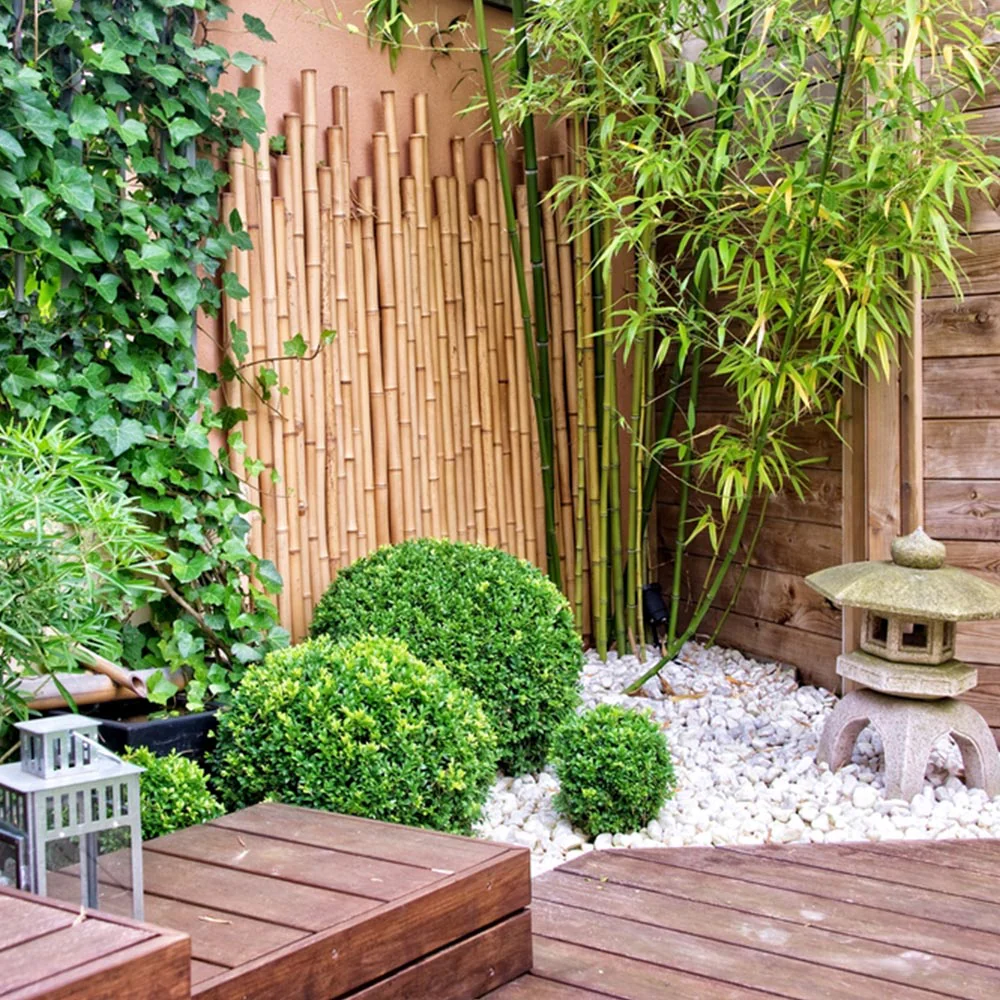
Credit: lodhigarden.com
Design Elements
Creating a Japanese garden involves simplicity and harmony. Incorporate elements like rocks, water features, and plants. Balance natural beauty with minimalism to evoke tranquility.
Creating a Japanese garden is an artful balance of nature and design. The design elements you choose will define the garden’s unique personality and harmony. Key elements include water, stones, and rocks, each playing a crucial role in crafting a serene and contemplative space. Let’s delve into these essential components.Incorporating Water Features
Water features are integral to Japanese gardens, offering tranquility and movement. Whether it’s a small pond, a meandering stream, or a bamboo water fountain, water adds a calming presence. The sound of water gently flowing can transform your garden into a peaceful retreat. Consider the space you have and the maintenance required. A small yard might benefit from a simple water basin, while larger spaces can accommodate ponds with koi fish. Ensure the water feature blends seamlessly with the surrounding elements for a natural look.Selecting Stones And Rocks
Stones and rocks are the backbone of a Japanese garden, symbolizing strength and endurance. Their placement is intentional and thoughtful, often representing mountains or islands. A well-placed stone can be the focal point of your garden. Choose stones of varying sizes and textures to create depth and interest. Flat stones can form pathways, while larger boulders can anchor the landscape. When I designed my garden, I found that positioning stones in odd numbers created a more organic feel. Reflect on the balance between the stones and other elements. How do they interact with the plants and water features? This interaction creates the garden’s narrative, inviting you to explore and find peace within the space.Plant Selection
Choosing the right plants is key in creating a Japanese garden. Opt for bamboo, Japanese maples, and cherry blossoms to evoke serenity. These plants bring a tranquil, natural beauty to your garden design.
Creating a Japanese garden is a journey of connecting with nature through thoughtful design and plant selection. The plants you choose are the soul of your garden, offering serenity and an authentic Japanese aesthetic. Selecting the right plants can evoke the tranquil beauty of traditional Japanese landscapes. This involves picking varieties that not only fit the aesthetic but also thrive in your local climate.Choosing Traditional Plants
Traditional Japanese gardens often feature plants that symbolize harmony, simplicity, and natural beauty. Consider including Japanese maples, which are celebrated for their vibrant autumn leaves. They provide year-round interest, with their delicate leaves offering a beautiful display in every season. Bamboo is another iconic choice. It adds a sense of movement and sound, with the rustling leaves creating a calming backdrop. However, be cautious, as bamboo can spread rapidly. Use barriers or choose clumping varieties to manage its growth effectively. Pines, particularly black pines, are staples in Japanese gardens, representing longevity and resilience. Their unique shapes can be pruned to mimic natural landscapes, providing a sense of structure and stability to your garden design.Using Seasonal Flowers
Integrating seasonal flowers enhances the garden’s visual appeal and offers ever-changing scenery. Cherry blossoms are synonymous with Japanese culture and epitomize transient beauty. If your region’s climate allows, plant a cherry tree to enjoy its breathtaking blooms each spring. Azaleas are another excellent choice for adding color and texture. Their vibrant flowers can create stunning focal points, and they thrive in a variety of climates, making them versatile for many garden settings. Don’t overlook the subtle beauty of irises. Their elegant flowers bloom in late spring, bringing a splash of color and a touch of elegance. Plant them near water features to reflect their beauty and enhance the tranquil atmosphere. Choosing the right plants requires a balance of tradition and practicality. What plants can you imagine will thrive in your garden, bringing a piece of Japan to your doorstep?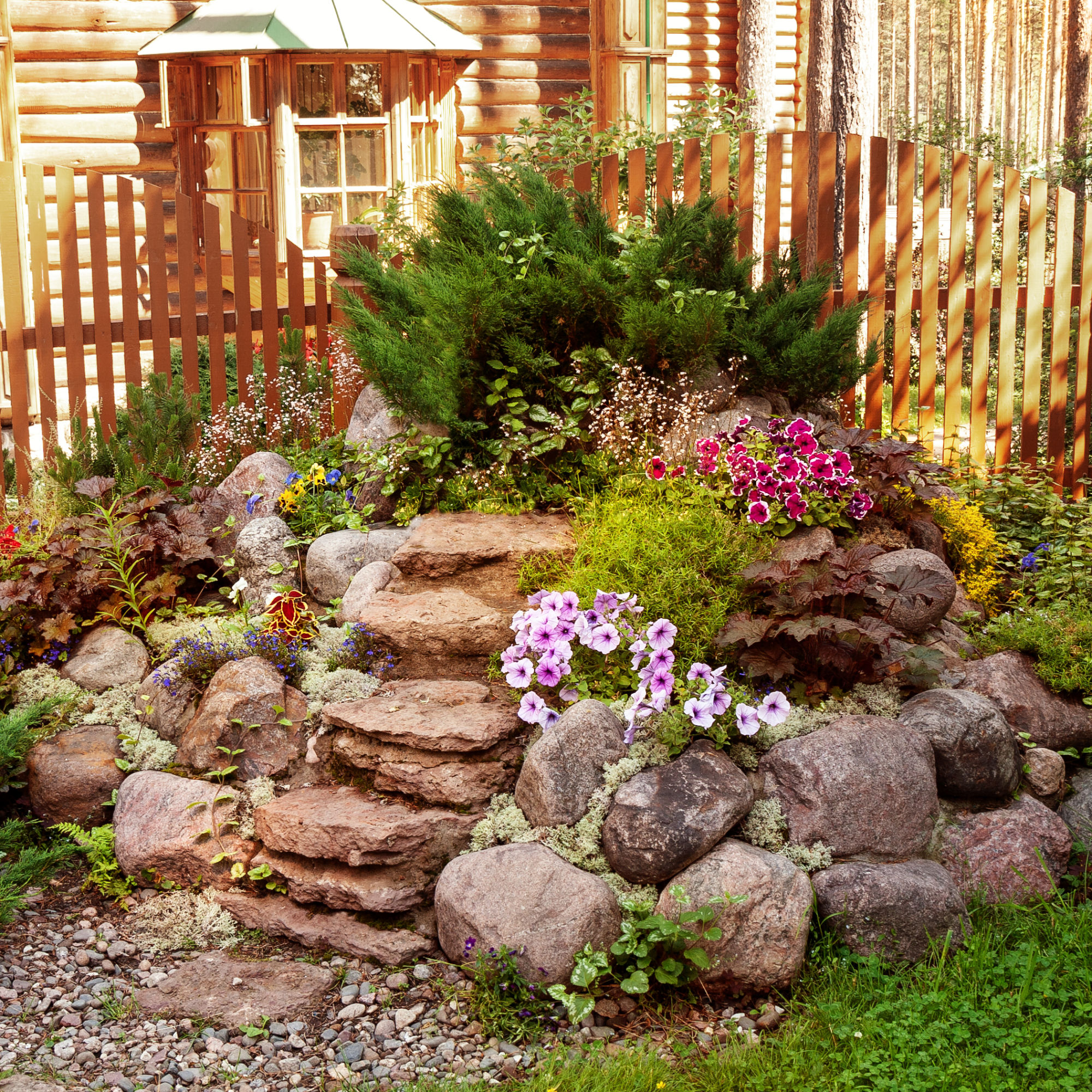
Credit: www.gardeningknowhow.com
Creating Pathways
Creating pathways in a Japanese garden design adds beauty and calmness. Use natural materials like stones and gravel to form winding paths. These elements guide visitors and enhance the garden’s harmony.
Creating pathways in a Japanese garden is like setting the stage for a journey through tranquility. These paths guide you through the garden, revealing different elements of nature at every turn. Thoughtfully designed pathways not only connect various parts of the garden but also enhance its aesthetic and spiritual experience. Imagine walking along a path that leads you to a serene koi pond, or winding through a bamboo grove that whispers with the wind. As you design your Japanese garden, consider how each pathway can tell its own story and contribute to the overall harmony of the space.Types Of Path Materials
The choice of path materials in a Japanese garden significantly influences its ambiance. Gravel is a popular choice, offering a simple and elegant look. It crunches pleasantly underfoot, adding a sensory dimension to your garden stroll. Stepping stones are another classic option, inviting you to take measured steps and pause to appreciate the surroundings. They can be made from natural stone, creating a rustic, timeless feel. For a more structured appearance, consider using pavers or bricks, which provide a neat and orderly path. Each material brings its unique texture and character, so think about what mood you wish to evoke in your garden.Layout And Design
When designing the layout of your pathways, think about how they will flow through the garden. Curved paths are common in Japanese gardens, as they create a sense of mystery and discovery. They encourage you to slow down and savor each unfolding view. Straight paths can be used to lead directly to focal points, such as a tea house or a stone lantern. However, they should be used sparingly to maintain the garden’s natural feel. Consider the width of the paths as well. Narrow paths create intimacy and draw you closer to the elements around you, while wider paths can accommodate more leisurely strolls and allow for two people to walk side by side. Remember, pathways are not just a means to an end; they are an integral part of the garden’s design. What story do you want your paths to tell?Adding Structures
Incorporating traditional structures enhances the authenticity of a Japanese garden. Elements like stone lanterns, bamboo fences, or a simple tea house create focal points. These structures blend seamlessly with nature, offering a serene and balanced environment.
Adding structures to your Japanese garden design can enhance its beauty and functionality. Structures like bridges, lanterns, tea houses, and pavilions contribute to the garden’s aesthetic and provide spaces for relaxation and meditation. They also introduce elements of Japanese culture and tradition, adding depth and character to your garden.Including Bridges And Lanterns
Bridges in a Japanese garden often symbolize the journey between the physical and spiritual worlds. You can create a simple wooden arch bridge over a small pond or stream to add a sense of tranquility. Imagine walking across it, listening to the gentle flow of water beneath. It’s an experience that invites contemplation. Lanterns, on the other hand, serve as both decorative and functional elements. Stone lanterns, with their intricate designs, can be placed at strategic points like pathways or near water features. They cast a soft, inviting glow that enhances the garden’s ambiance, especially during twilight. Which spot in your garden would you illuminate with a lantern?Building Tea Houses And Pavilions
Tea houses are traditional structures that offer a serene space for tea ceremonies. You can build a small, simple tea house using natural materials like wood and bamboo. Consider incorporating sliding shoji screens for an authentic touch. This space can become your personal retreat, where you can unwind and connect with nature. Pavilions provide a sheltered spot to enjoy the garden’s views. They can range from simple roofed structures to more elaborate designs with open sides. Imagine sitting in your pavilion, sipping tea, while surrounded by the beauty of your garden. It becomes a focal point where you can entertain guests or spend quiet moments in reflection. What design would make your pavilion the perfect escape? By thoughtfully adding structures, you transform your Japanese garden into a harmonious blend of nature and architecture. Each element serves a purpose and adds layers of meaning, inviting you to explore and enjoy the serene beauty of your creation.Maintaining Your Garden
Creating a Japanese garden involves blending natural elements like rocks, water, and plants. Arrange stones to symbolize mountains and rivers. Use bamboo or cherry blossom trees for authentic touches.
Maintaining a Japanese garden requires thoughtful care and attention. Each element serves a purpose in creating harmony and balance. Regular upkeep ensures your garden remains serene and beautiful. Let’s explore some essential techniques to maintain your Japanese garden’s elegance.Regular Pruning And Trimming
Pruning is crucial for maintaining the garden’s aesthetic. Trim shrubs and trees to enhance their natural shapes. This promotes healthy growth and prevents overcrowding. Use sharp tools to make clean cuts. Remove dead or diseased branches promptly. Maintain clear pathways by cutting back overgrown foliage. Regular trimming keeps your garden neat and inviting.Watering And Feeding Techniques
Watering is vital for plant health. Use a gentle spray to avoid soil erosion. Water early morning or late afternoon. This prevents evaporation and keeps roots moist. Choose fertilizers suitable for your plant types. Organic options enrich the soil and encourage healthy growth. Feed plants during their active growth periods. Balanced nutrition supports vibrant blooms and lush greenery.Embracing Japanese Aesthetics
Embracing Japanese aesthetics means creating a space that reflects harmony and tranquility. Japanese gardens are known for their serene beauty and thoughtful design. They offer a quiet place for reflection and meditation. By understanding the principles of Japanese garden design, you can create a peaceful retreat in your own backyard.
Understanding Zen Principles
Zen gardens are designed to promote peace and contemplation. They emphasize simplicity and order. The use of rocks, sand, and gravel represents water and mountains. These elements are carefully arranged to encourage mindfulness. A Zen garden invites you to focus on the present moment.
Balancing Simplicity And Complexity
Japanese gardens balance simplicity and complexity. They use minimal elements but create intricate designs. Simple paths lead to elaborate scenery. The garden’s layout guides the viewer’s journey. Every detail serves a purpose. This balance fosters a sense of calm and wonder.

Credit: www.youtube.com
Frequently Asked Questions
What Are The Key Elements Of A Japanese Garden?
Japanese gardens feature elements like water, stones, plants, and bridges. These elements symbolize nature’s beauty and harmony. Water represents tranquility, while stones add structure and permanence. Plants, especially moss and bamboo, offer lush greenery. Bridges and pathways encourage introspection and exploration.
How Do You Choose Plants For A Japanese Garden?
Choose plants that embody simplicity and elegance. Consider evergreens, mosses, and bamboo for their serene qualities. Opt for azaleas and cherry blossoms to add color. Avoid clutter; focus on harmony with natural surroundings. Each plant should enhance the garden’s peaceful ambiance.
What Is Zen Garden Design In Japanese Gardens?
Zen gardens emphasize simplicity and meditation. They use gravel, rocks, and minimal plants to create calming spaces. Gravel symbolizes water and is raked to mimic ripples. Rocks represent mountains or islands. These elements encourage reflection and mindfulness in a serene setting.
How Can Water Features Enhance A Japanese Garden?
Water features bring tranquility and movement. Ponds, streams, and waterfalls create soothing sounds and visual interest. They symbolize purity and life. Adding koi fish enhances the vibrancy and harmony of the garden. Water’s presence fosters relaxation and contemplation.
Conclusion
Creating a Japanese garden design is a rewarding journey. Start small and plan each element carefully. Focus on balance and harmony throughout your garden. Use rocks, plants, and water wisely to enhance beauty. Remember to leave open spaces for tranquility.
Let nature guide your choices. Enjoy the peaceful atmosphere you create. Your garden will be a sanctuary for relaxation. Keep it simple and authentic. With patience, your garden will grow and flourish. Embrace the joy of gardening and enjoy your serene space.







